
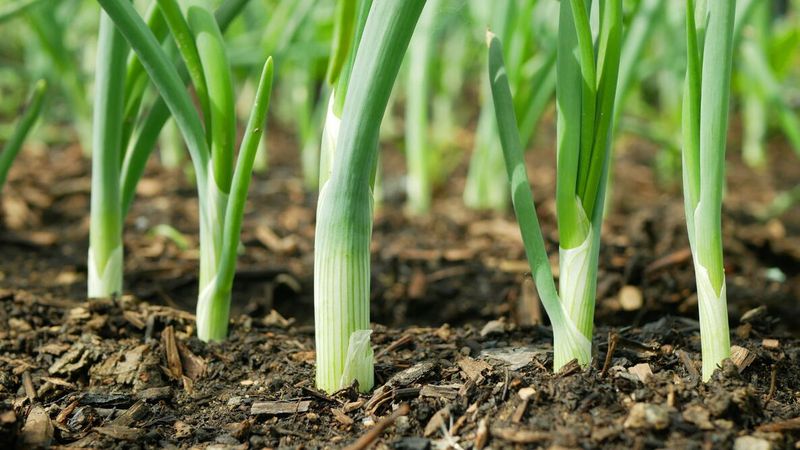
A few pots outside your apartment can turn Florida’s cooler months into salad season. Many leafy vegetables grow well through winter, giving you fresh handfuls without a backyard.
The trick is choosing crops you can pick a little at a time, plus sowing a few new seeds along the way. These nine choices suit balcony growing, with extra protection needed during North Florida freezes.
1. Leaf Lettuce
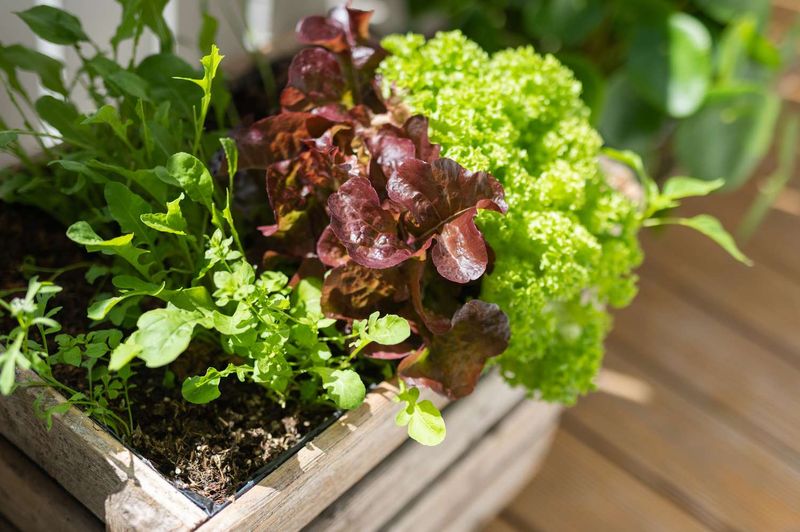
A salad bowl can start just a few steps from your kitchen door. Loose-leaf lettuce earns its spot because you can harvest outside leaves while the center keeps growing, rather than waiting for one large head.
Choose leaf types such as Black Seeded Simpson or Red Sails. A container at least 6 to 8 inches deep works, although a deeper pot holds moisture longer on a windy balcony.
Give plants about 4 to 6 hours of direct sun and use fresh potting mix, not sandy soil scooped from outside. Water when the surface begins to dry, and keep drainage holes open so roots never sit in trapped water.
Begin picking when leaves are large enough to use, taking only a few from each plant. Sow another small patch every two to three weeks to replace plants that slow down or turn bitter.
South Florida warm spells can push lettuce toward flowering, so afternoon shade helps during unusually hot weather. In North Florida, move pots into shelter or cover them with frost cloth when a freeze is forecast.
2. Kale
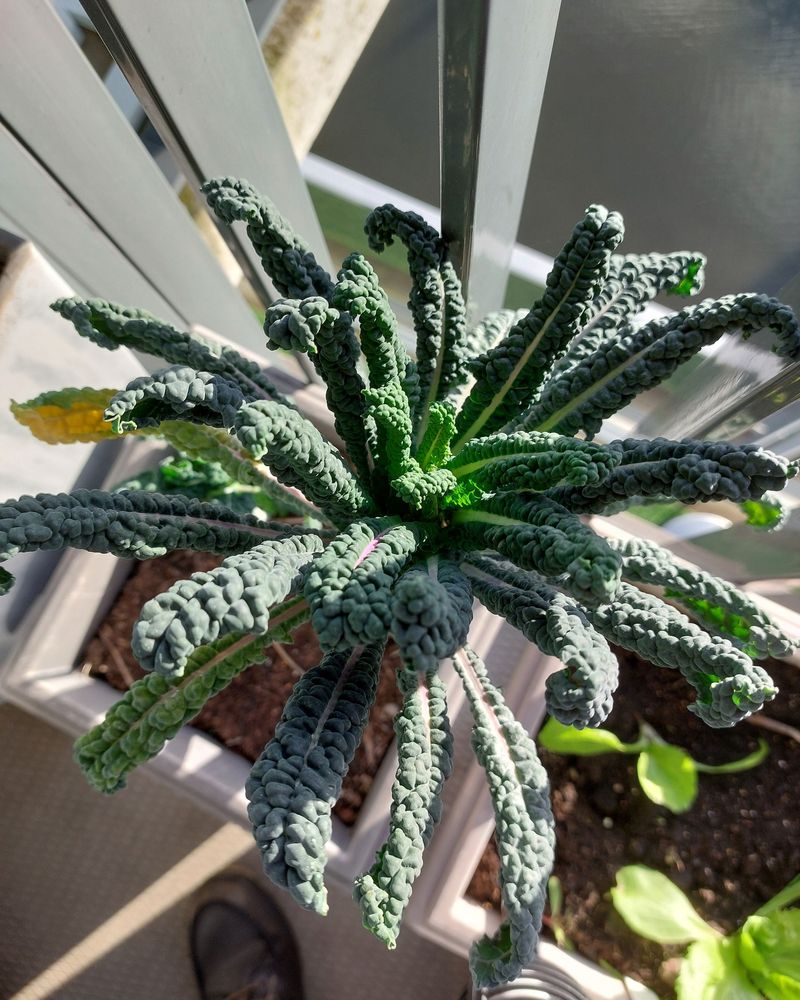
One sturdy plant can supply a surprisingly steady stream of leaves. Kale is a good choice when you would rather tend a few established plants than keep sowing trays of salad greens.
Start with a transplant for a quicker first harvest. Compact curly varieties fit tight spaces well, while narrow-leaved types such as Lacinato add height without needing a sprawling container.
Give each mature plant its own pot of roughly 3 to 5 gallons, with drainage holes and at least 10 to 12 inches of soil depth. About six hours of sun supports stronger growth, though light afternoon shade can help on warm South Florida balconies.
Pick lower, outer leaves once the plant is well established, leaving the center untouched. Keep enough foliage in place for the plant to recover, and feed according to the directions on a fertilizer labeled for container vegetables.
Look under leaves for aphids and caterpillars before small holes become a bigger problem. Kale tolerates light frost, but container roots are more exposed than roots in the ground, so protect pots during hard freezes.
3. Collard Greens
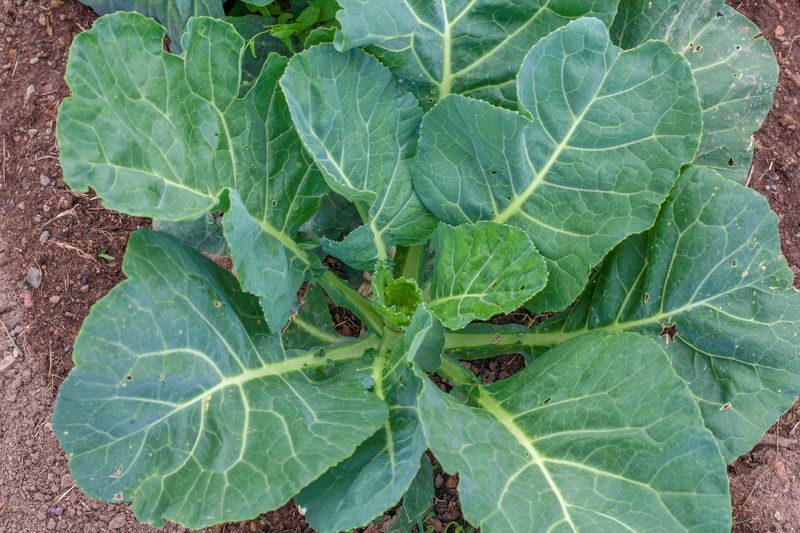
For a pot that contributes to dinner rather than just a garnish, broad collard leaves deliver. Their generous size makes them useful for cooked greens, soups, and wraps, with repeated harvests from an established plant.
Space matters more here than it does with baby salad crops. Choose a compact variety such as Vates, and give one plant a container of at least 5 gallons, ideally 12 inches deep or more.
Place the pot where it receives around six hours of direct sun. Leave room around the foliage so leaves do not press against a wall or block your balcony walkway.
Harvest the lower leaves individually once the plant has plenty of healthy growth. Keep the top growing point and several younger leaves intact so it can continue producing through suitable winter weather.
Water thoroughly when the upper inch of mix feels dry, then allow excess water to drain away. Check leaf undersides for caterpillars, and remove them by hand when practical.
Cool conditions usually improve eating quality, but growth slows during cold snaps. A fall-planted collard often gives a longer harvest than one started late in winter.
4. Swiss Chard
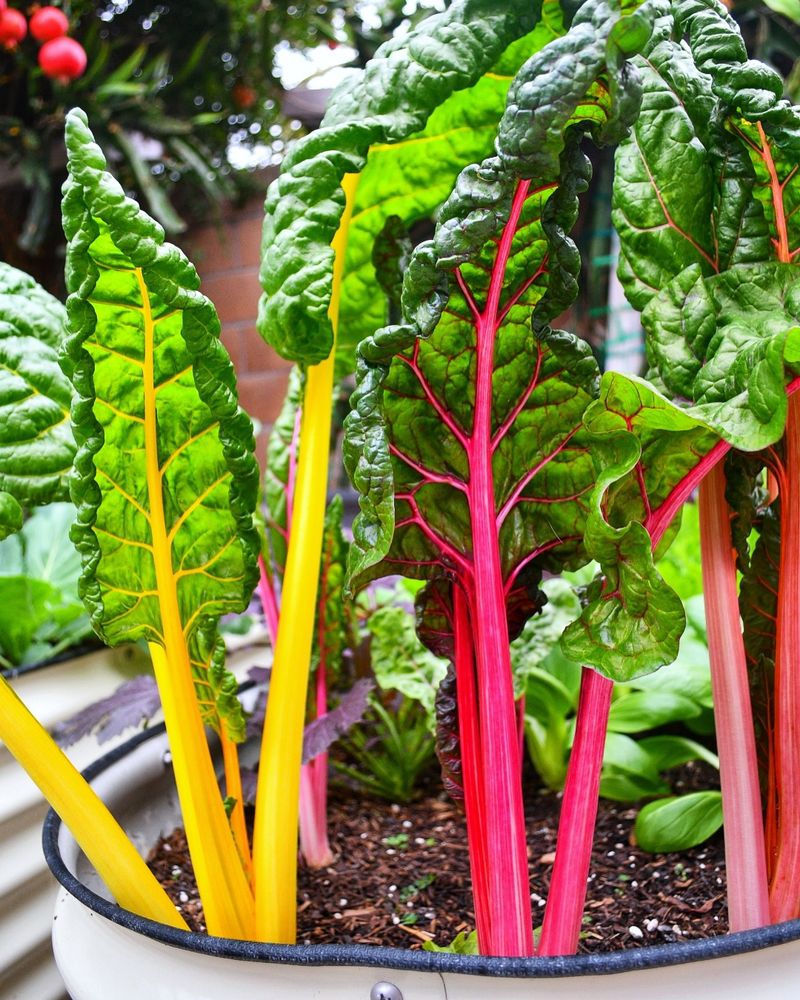
Bright stems make the vegetable corner look like it belongs with your ornamental pots. Swiss chard brings color and food to the same small space, and its leaves handle Florida’s mild winter swings fairly well.
Rainbow mixes offer red, yellow, and white stalks, while Fordhook Giant is a dependable green-leaved option. Use a container at least 10 to 12 inches deep, and allow roughly 10 to 12 inches between plants grown to full size.
Provide about 4 to 6 hours of sun, with more light during cooler weather. Fill the pot with a well-drained container mix and water the soil rather than repeatedly soaking the foliage.
Once plants are established, cut outside stalks near the base without damaging the center. Small leaves work in salads, while larger leaves and chopped stems can go into a skillet.
Chard’s advantage is its longer useful season: it often stays productive as temperatures rise beyond what lettuce prefers. It still needs regular moisture, and growth may pause during cold weather or suffer during a hard freeze, especially in exposed pots.
5. Arugula
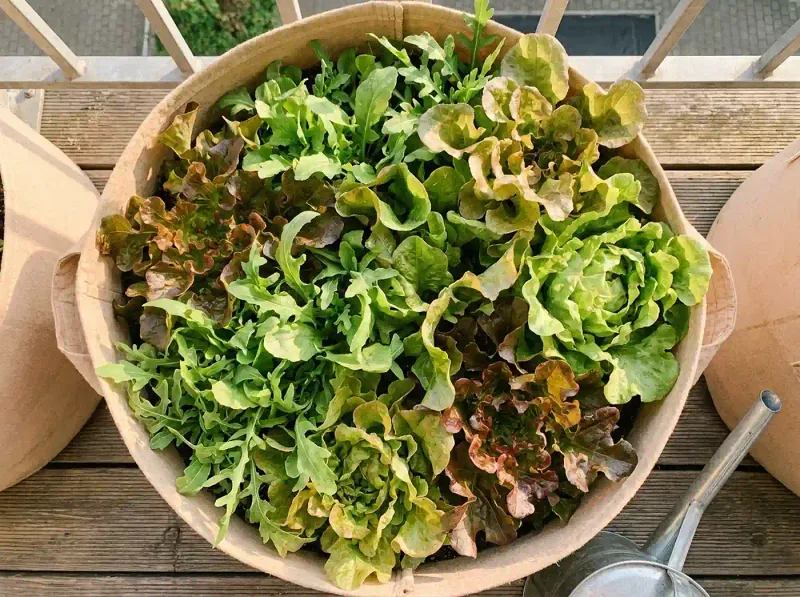
Need something to wake up a plain sandwich? A handful of arugula adds peppery flavor, and its quick growth makes it useful when your larger vegetables are still getting started.
Sow seeds directly into a planter at least 6 to 8 inches deep. Thin seedlings so leaves have room to develop, or harvest crowded seedlings early as baby greens.
A spot with 4 to 6 hours of sun usually suits this cool-season crop. On a hot, west-facing South Florida balcony, some afternoon shade can help delay flowering and keep leaves more tender.
Pick outside leaves while they are young, leaving the center to make new growth. Alternatively, trim a patch above its growing points and allow it to regrow, understanding that later cuts may be smaller.
Arugula does not stay tender forever, even in winter. Start a new small container every two to three weeks so fresh plants replace older, sharper-tasting ones.
Keep the mix evenly moist and check for tiny chewing pests when holes appear. Its fast turnaround is the real benefit: you can get useful harvests without committing a large pot for months.
6. Mustard Greens
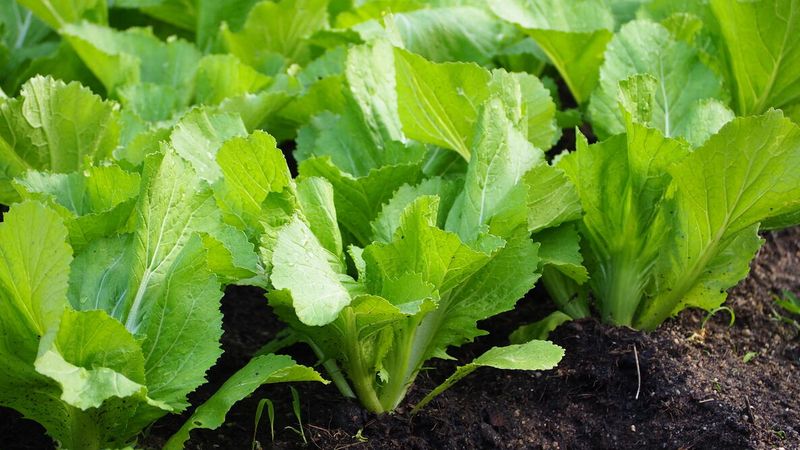
A little bite goes a long way in a winter harvest. Mustard greens offer a stronger flavor than lettuce and grow quickly enough to keep a small container earning its space.
Try Southern Giant Curled for frilly green leaves, or a red-leaved variety for color. Baby leaves taste milder, while larger leaves suit cooking and bring a more noticeable peppery edge.
Use a pot at least 8 to 10 inches deep with several drainage holes. Space plants according to the seed packet if you want mature leaves; closer planting works only when you plan to harvest them young.
Give the pot about 4 to 6 hours of direct sun and avoid letting the mix dry out completely. Dry conditions can make leaves tougher and more pungent.
Take outside leaves and preserve the central growth, then sow a replacement batch every few weeks. Warm winter stretches, especially in South Florida, can shorten the harvest by encouraging plants to flower.
Inspect both sides of the leaves for aphids and caterpillars. If insect mesh is needed, support it above the foliage and secure it against balcony gusts rather than letting it rub against tender leaves.
7. Bok Choy
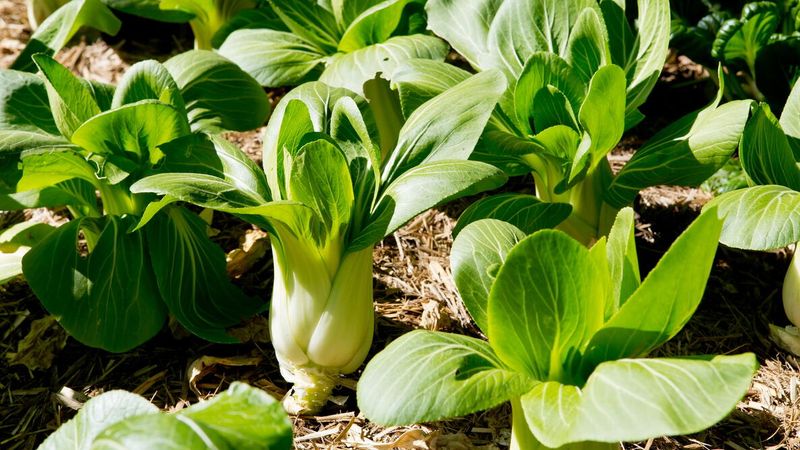
Crisp stems give your balcony harvest something different from a bowl of soft greens. Compact bok choy fits small containers and brings both juicy stalks and tender leaves to quick meals.
Choose a baby or compact variety, then plant it in a container at least 8 to 10 inches deep. Follow the variety’s spacing directions rather than packing full-size plants together for an instant lush look.
Morning sun is helpful, with roughly 4 to 6 hours of direct light as a useful target. Keep moisture steady because drought stress can reduce quality and encourage early flowering.
For repeat picking, remove a few outside leaves while leaving the central bud intact. Do not strip a small plant bare, since it needs leaves to keep growing.
You can also harvest whole baby plants, but those will need replacing. Sow a small batch every two to three weeks for a more reliable winter supply than one crowded planting.
Long cold spells followed by warmer weather can trigger flowering in some varieties. Move portable pots into protection during severe cold, and harvest promptly if a flower stalk begins stretching from the center.
8. Spinach
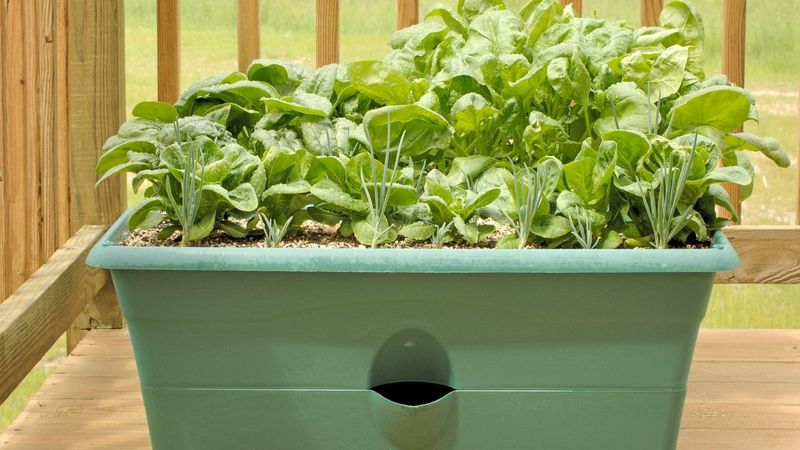
When Florida finally gets a stretch of genuinely cool weather, true spinach gets its chance. It is especially useful in North and Central Florida, where winter temperatures often suit it better than the lingering warmth farther south.
Choose a variety suited to your area, using your county UF/IFAS Extension planting calendar to time sowing. In South Florida, aim for the coolest part of the season and expect a shorter harvest window during warm winters.
Sow seeds directly into a container at least 8 inches deep. Germination becomes less reliable in warm mix, so avoid placing newly seeded pots against a wall that absorbs strong afternoon heat.
Provide about 4 to 6 hours of sun and consistent moisture without waterlogging. Thin seedlings according to the packet so roots and leaves have enough space.
Harvest outer leaves once plants are established, preserving the center for later growth. A second sowing helps extend the supply, since each plant has a limited productive life.
Spinach tolerates light frost, but protect containers during hard freezes. Once rising temperatures cause tall flower stems, replace the plants rather than expecting tender leaves indefinitely.
9. Bunching Onions
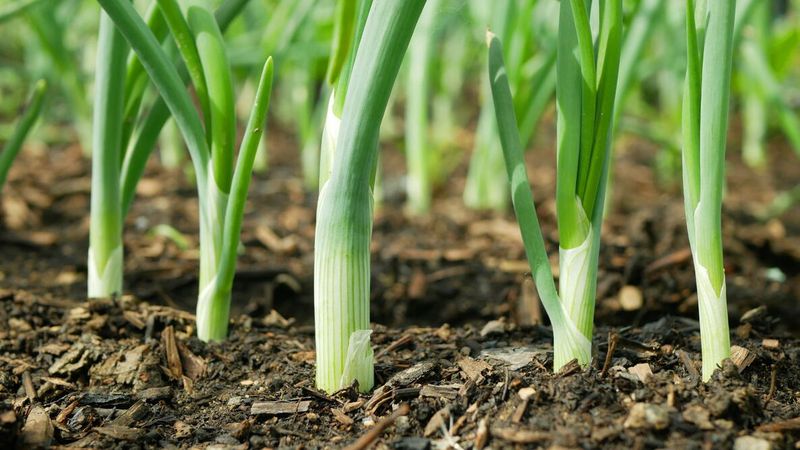
Even a narrow strip of balcony space can supply the finishing touch for dinner. Bunching onions grow upright, so they fit beside larger pots without spreading a wide canopy over their neighbors.
Look for bunching types such as Evergreen White Bunching rather than bulb onions that need a different harvest plan. A container at least 8 to 10 inches deep gives roots room while keeping the setup manageable.
Provide around six hours of direct sun when possible. Use draining potting mix, water when the top begins to dry, and apply vegetable fertilizer according to its label.
For repeat harvests, snip a few green leaves from each established clump, leaving several inches of growth above the soil. Keep some foliage untouched so the plant can rebuild instead of repeatedly cutting everything down.
Pulling the entire onion gives you the white base too, but removes that plant from future harvests. Keep a second small sowing coming along if you prefer whole scallions.
Secure the planter inside the railing, never balanced on its edge. Before adding a row of containers, check apartment rules and balcony load limits, since wet potting mix weighs more than it looks.