
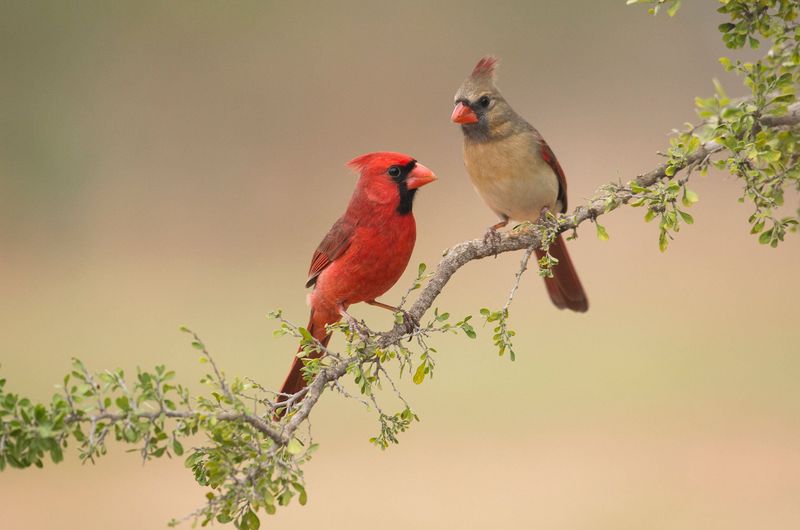
Bright red cardinals seem to be in Florida yards every month of the year, which makes many people wonder if the same birds never leave. The truth is a little more interesting.
The species lives here all year, but that does not mean one pair stays on your lot all winter. With the right food plants, thick cover, water, and a tidy feeder, you can make your yard a much more useful stop for them.
Florida cardinals are residents, not yard fixtures
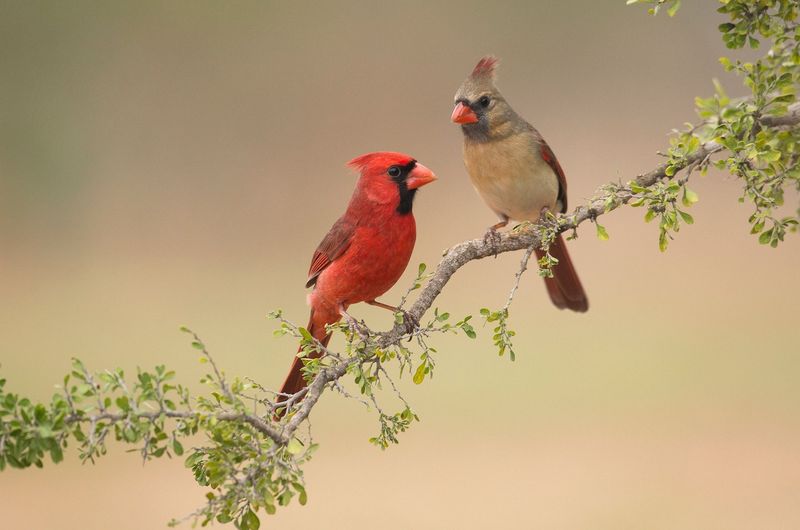
Here is the straight answer to the winter question. Northern Cardinals are permanent residents across their range, and Audubon’s field guide describes them as birds that do not migrate south for winter.
In Florida, that means you can find cardinals in every season, from the Panhandle to the Keys.
That fact is easy to stretch too far. Saying the species lives in Florida year-round is not the same as saying the same birds stay in your yard from December through March.
Cardinals move around within their home areas, and a bird at your feeder this week may be a neighbor’s bird, a newcomer, or the same one you saw last month. Unless birds are banded, there is no reliable way for a homeowner to tell.
So what can you control? You can make your property useful.
A yard with varied food, dense shrubs, and fresh water gives cardinals reasons to stop by, feed, and rest. Think of it as setting a good table and a safe porch, not locking a gate.
The rest of this article walks through those pieces one at a time. You will see what cardinals actually eat, which Florida plants fit different sites, how thick cover helps, why water matters, and how to keep an optional feeder clean.
Each choice may raise the odds of visits, and none of them can promise a bird will stay. Setting that expectation early keeps gardening fun, and it keeps you from blaming yourself if a cardinal moves on to the next street.
Once you know that, every red flash in the shrubs feels like a small win. Cardinals choose their own routes, and your job is simply to make your yard worth choosing.
A useful yard offers more than berries
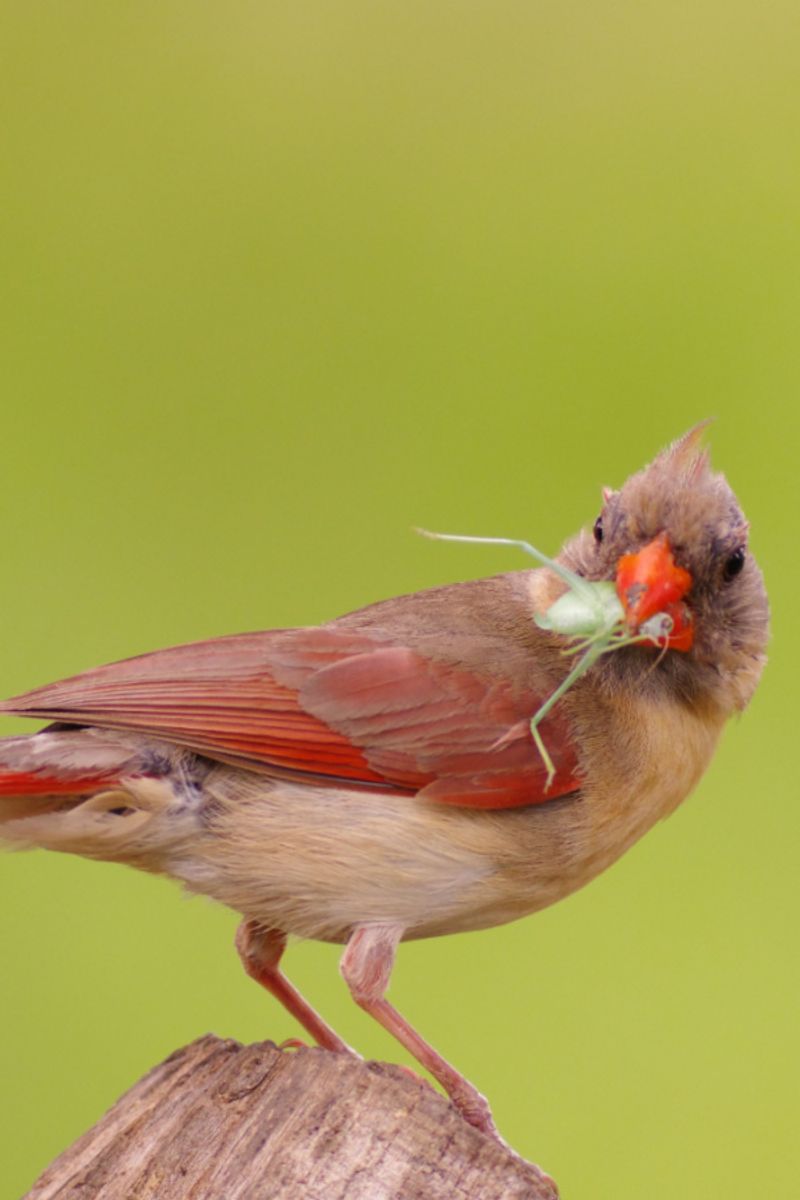
Ask what a cardinal eats and many people say berries. That is only part of the menu.
According to Cornell’s All About Birds species guide, cardinals eat mostly seeds, berries, and other plant matter, and insects are part of the diet too.
Insects matter most for young birds. Nestlings are fed mostly insects, so a yard with healthy leaf litter and a few unsprayed shrubs can support the next generation as well as the adults.
Heavy pesticide use can thin out that insect supply.
Cardinals also forage in two layers. They hop along the ground to pick up fallen seed, and they work through shrubs for fruit and bugs.
That is a good clue for your layout. Leave a little open ground near cover, and avoid raking every scrap of mulch and leaves into a bare, tidy lawn.
Cornell also notes that cardinals readily visit feeders, especially for sunflower seeds. That makes a feeder a handy extra, which we will cover later.
It works best as a supplement to natural food, not a replacement.
Put those facts together and the lesson is plain. A single berry shrub gives cardinals one kind of food for part of the year.
A yard with seed-bearing plants, fruiting shrubs, some insect-friendly cover, and perhaps a feeder gives them choices when one source runs short. Variety also spreads out your risk, since not every plant fruits at the same time or does well in every Florida soil.
When you plan your beds, picture a menu rather than a single dish. That mindset leads to a sturdier, better-looking yard, and it gives cardinals more than one reason to drop in.
Choose Florida fruiting plants for the site
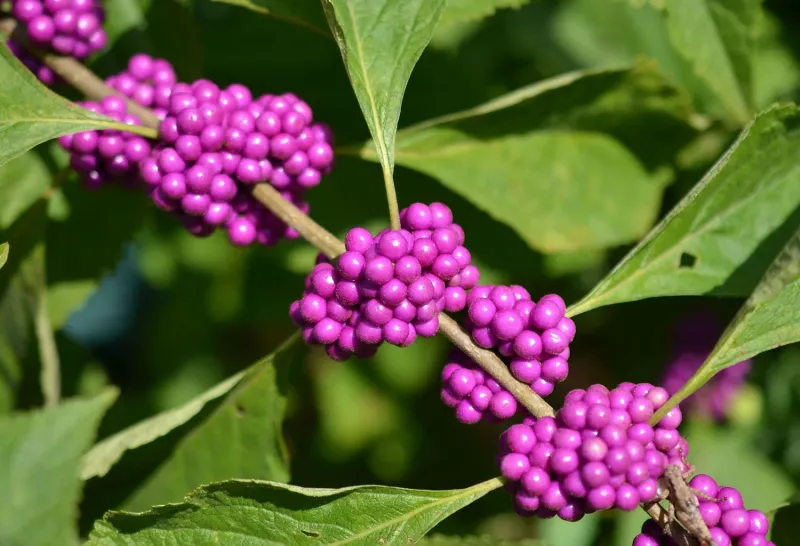
UF/IFAS recommends native, fruit- and seed-bearing plants for bird habitat. Its bird-friendly plants guide lists berry producers such as American beautyberry, wild coffee, blueberry, red mulberry, and hollies.
These are bird-food options in general. The list does not say cardinals eat every one, and not every plant bears fruit through winter.
Two examples give you a concrete start. UF/IFAS describes beautyberry as a Florida-native shrub whose fruits offer bird-watching chances.
Yaupon holly is an adaptable shrub or tree, but only female plants bear berries. If you want fruit, check the plant’s sex before you buy, and read the yaupon holly profile for details.
Fit matters as much as the plant name. Sandy, fast-draining soil, shade under oaks, and a damp low corner each suit different species.
UF/IFAS advises choosing plants for the conditions of your specific yard, as outlined in its wildlife landscaping publication. Ask your county extension office or a native nursery which options do well near you.
Fruiting time varies too. Before you plan around a winter harvest, confirm when a plant fruits in your part of the state.
Buying a few species with different schedules is a safer bet than counting on one.
Finally, skip invasive fruiting plants even though birds eat their berries. UF/IFAS flags Brazilian pepper, nandina, coral ardisia, asparagus fern, and Surinam cherry for avoidance, and birds can spread nandina into natural areas.
You can read more in the nandina guidance. No plant can promise to draw or hold cardinals, but good picks give your yard a better shot.
Dense shrubs make a yard more than a feeding stop
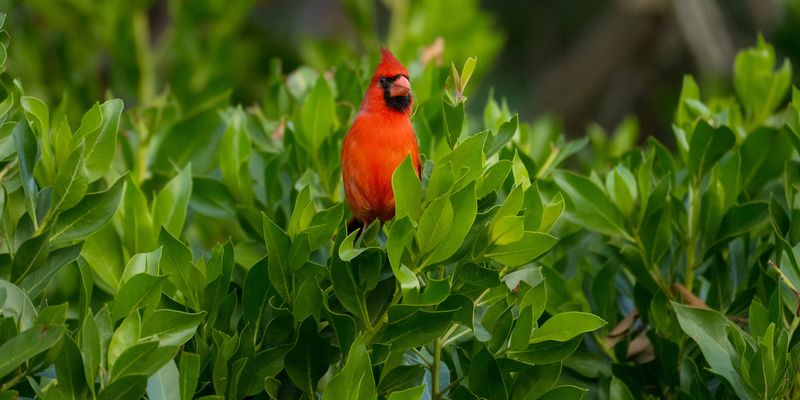
Food gets a cardinal’s attention, but cover lets it stay comfortable. Thick shrubs give birds a place to duck when a hawk glides overhead, a spot to rest between meals, and shelter from wind and rain.
Cornell advises leaving some undergrowth or shrub cover in the yard.
Cover also doubles as potential nesting habitat. According to Cornell’s species account, cardinal nests are usually hidden in dense shrubs, vines, or low trees.
A tidy lawn with a few lone, trimmed plants offers little of that.
You do not need to turn the whole property into a thicket. Try a layered corner instead.
Group several shrubs of different heights, let a native vine climb a fence, and leave a bit of leaf litter beneath. A clump of three or four shrubs usually offers more shelter than the same plants spread out in single spots.
Placement helps. Put cover a short hop from any feeder or birdbath so birds can dash to safety.
Also think about timing. If you prune heavily, do it before the spring nesting season rather than during it, and check a shrub for nests first.
Remember that cover is only one piece. A dense hedge cannot secure a cardinal’s presence, because the birds still need food, water, and a territory that works for them.
But a yard with good shrub structure usually feels more useful and more alive to wildlife, and it looks fuller and more finished to you, too.
Water and site fit complete the habitat
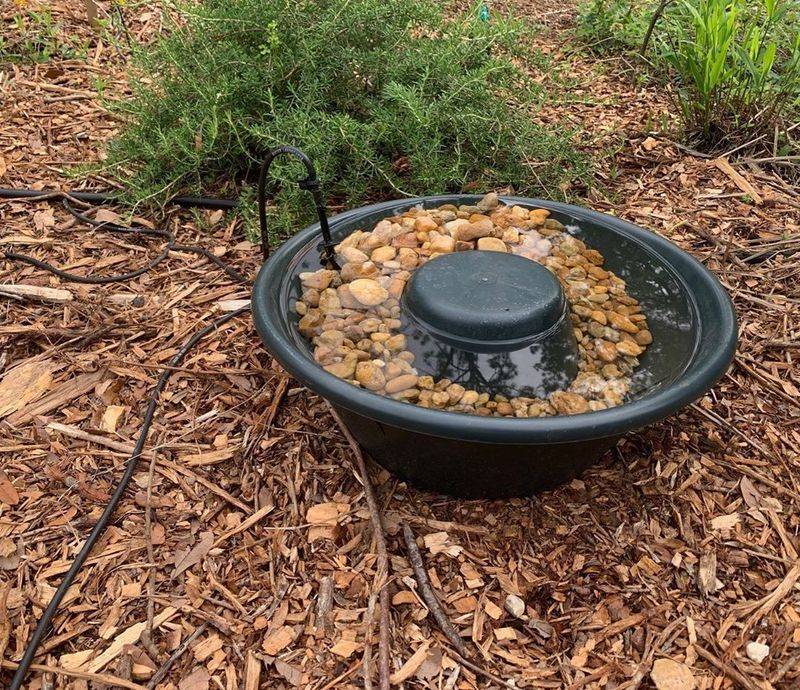
UF/IFAS describes wildlife habitat as a mix of food, water, cover, and space, a framework laid out in its Florida-Friendly Landscaping principles. Most yards cover food and cover first and forget water.
Yet birds need to drink and bathe, even in the mild months.
If your property has no natural water source, UF/IFAS suggests a birdbath or small pond. Pick a shallow basin with a rough surface for good footing, and keep it a few feet from shrubs so birds can escape quickly.
Rinse it and refill it often, since still water in Florida can breed mosquitoes within days.
Space is the other quiet ingredient. Birds need room to move between feeding spots, cover, and water.
Crowding every inch with plants can make a yard harder to use, while a few open patches near thick shrubs give cardinals room to forage on the ground.
Site fit ties it all together. Your yard has its own sun, shade, and soil moisture, and plants do best when they match those conditions.
The UF/IFAS wildlife landscaping tips stress working with what you have. A plant that struggles in the wrong spot will give little fruit or cover, no matter how good it looks on a list.
Walk your yard at midday and note where the sun hits, where water pools after rain, and where the soil dries fast. Then choose features to suit each zone.
That small survey does more for birds than any single purchase.
A feeder can help, but cleanliness matters
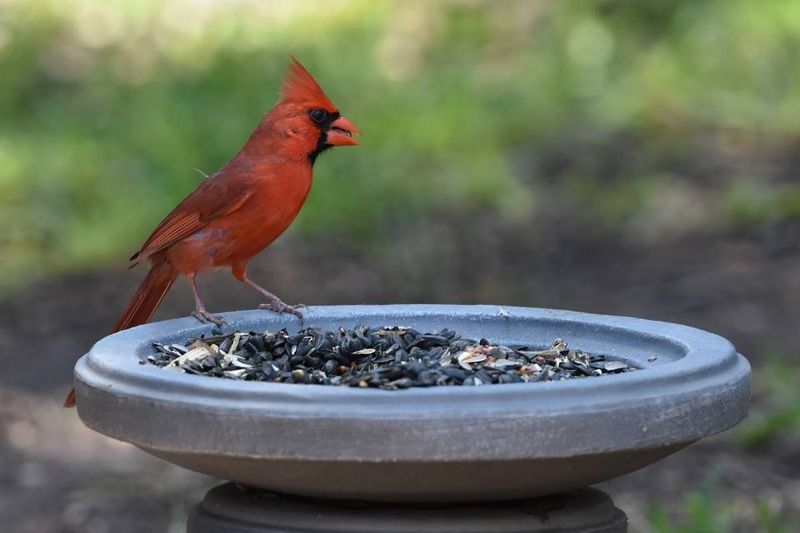
A feeder is optional, but it can be a nice extra. Cornell notes that cardinals readily visit feeders, and sunflower seed is a well-supported choice.
A platform or hopper feeder with a roomy perch usually suits their size better than a tiny perch.
Keeping it clean is the part that matters most. Cornell’s feeder cleaning advice says to clean seed feeders about every two weeks.
Clean them more often during heavy use or wet weather, and do it promptly if you see sick birds.
Florida’s humidity and afternoon storms make that schedule important. Seed that gets wet can clump and spoil, and old debris can build up under and inside the feeder.
Spoiled seed and buildup can pose health risks to birds, so do not leave damp seed sitting.
A simple routine helps. Dump old seed, scrub the feeder with soapy water, rinse well, and let it dry fully before refilling.
Offer small amounts so seed gets eaten fresh, and rake up hulls and droppings from the ground below.
If you notice birds that look fluffed up, lethargic, or have swollen eyes, take the feeder down, clean it, and wait before putting it back up. That quick action protects the birds you hoped to help.
Also keep expectations realistic. A feeder can supplement natural food, but it does not hold birds on your property.
Cardinals will still come and go as they please, so treat the feeder as a bonus on top of your plants, cover, and water.
Build for visits, not a guarantee
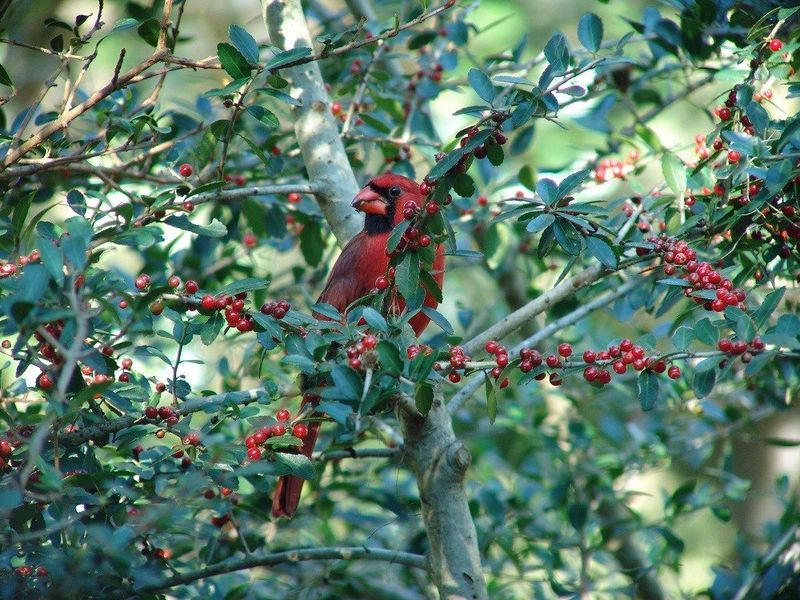
Pick plants that suit your site, keep some dense cover, add water where nature has not, and maintain any feeder with care. Those steps follow UF/IFAS habitat guidance, and they make your yard more useful to birds that live in Florida all year.
Which cardinals show up, and for how long, stays up to them. A good yard simply gives them a reason to drop in, and that red flash at dawn is reward enough.