
Bradford pears look pretty for about two weeks each spring, then they smell bad, split in storms, and spread into wild fields across North Carolina. Worse, they give our songbirds very little to eat.
The good news is that plenty of native trees and shrubs bloom just as nicely and fill your yard with berries, seeds, and caterpillars that birds need. Late September is a great time to plan, because fall planting gives roots months to settle in before summer heat returns.
1. Flowering Dogwood
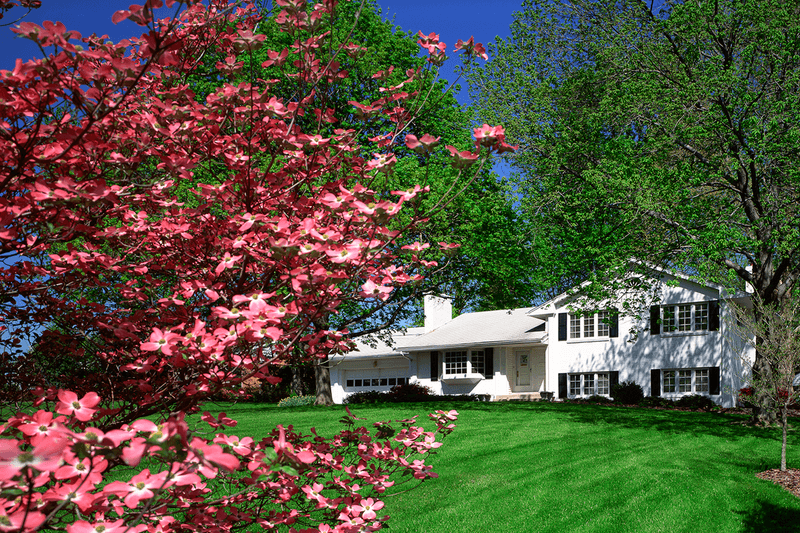
Ask any North Carolinian to name the state flower and you will hear dogwood, and for good reason. Those white spring bracts give you the same showy moment a Bradford pear promises, without the fishy smell.
The real payoff comes in fall. Bright red berries ripen around September and October, packed with fat that migrating thrushes, robins, and bluebirds need for long flights south.
Studies of bird feeding show dogwood fruit is among the most eagerly eaten in the Southeast.
Plant dogwood where it gets morning sun and afternoon shade, ideally at the edge of taller trees. It suits Piedmont and mountain yards best, and coastal plain gardeners should give it extra mulch and some shelter from hot afternoon sun.
2. Eastern Redbud
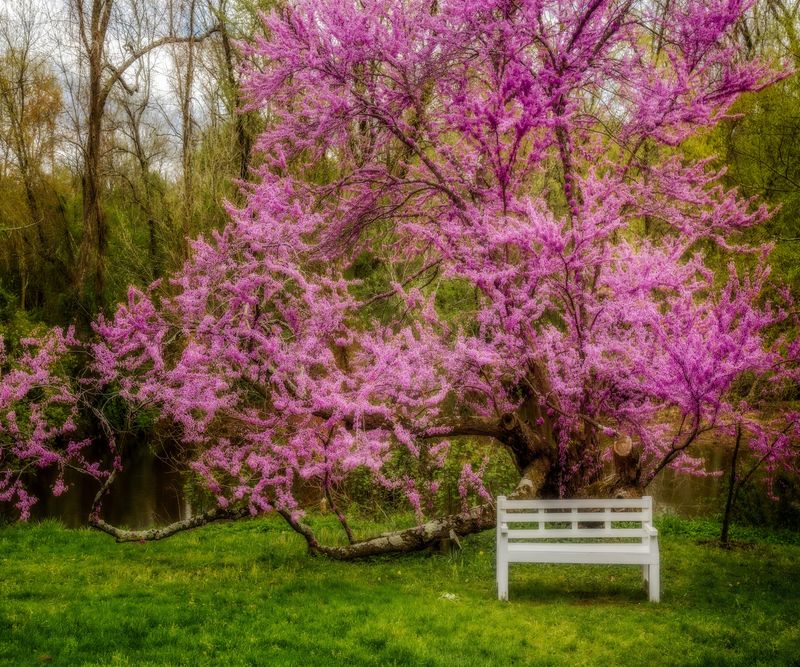
Picture bare March branches suddenly coated in magenta, almost like someone spray-painted the tree overnight. Eastern redbud blooms right when Bradford pears do, making it the most direct swap on this list.
Early bees and native pollinators rely on those first flowers when little else is open. Later, the heart-shaped leaves host caterpillars, and caterpillars are the main baby food for nesting chickadees and wrens.
The seed pods may also draw the occasional finch or bobwhite.
Redbud stays small, usually 20 to 30 feet, so it fits under power lines and in tight front yards. It handles clay soil across the Piedmont and grows well statewide.
3. Serviceberry
Old mountain lore says serviceberry got its name because it bloomed when roads thawed enough for traveling preachers to hold church services. Whether that tale holds up or not, the plant earns its keep.
White spring blossoms rival any pear. By early summer, sweet purple berries ripen, and cedar waxwings, catbirds, and mockingbirds tend to strip them fast.
You can taste a few too, since they resemble a blueberry with a hint of almond.
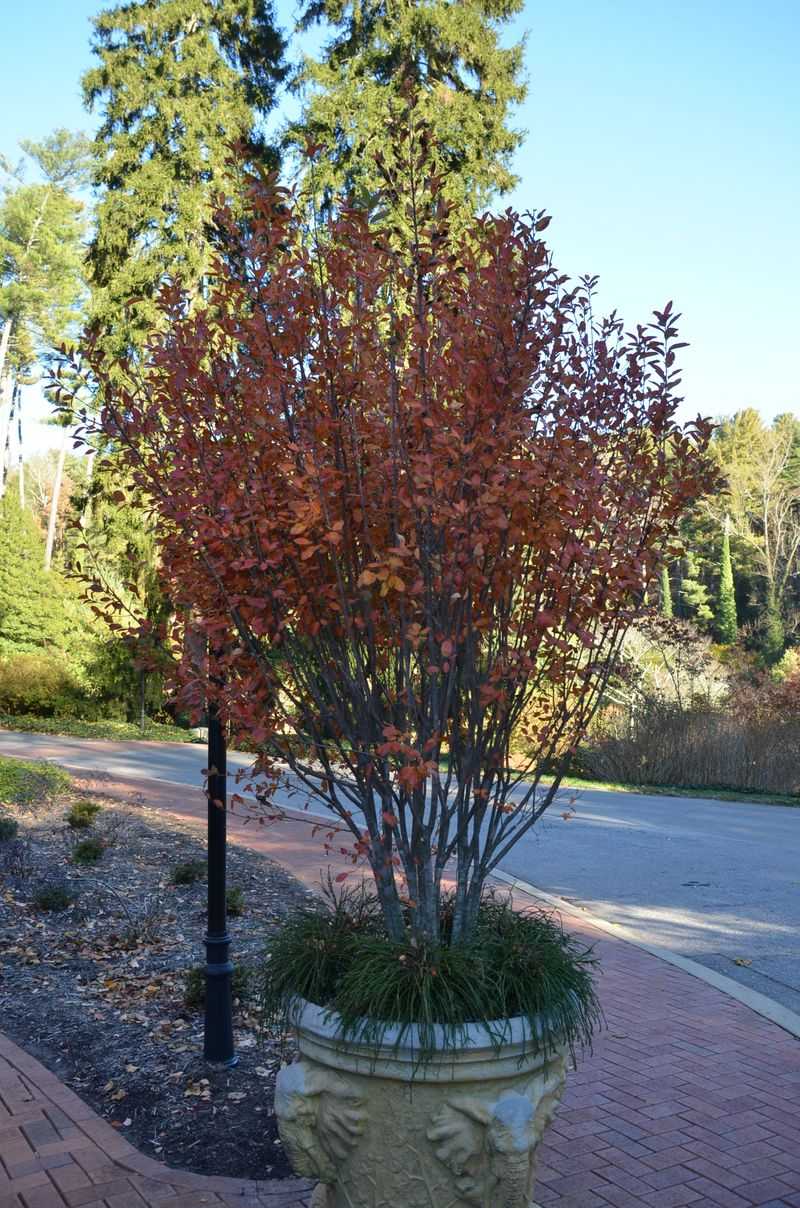
Grow it as a multi-stem shrub or small tree near a patio where you can watch the feeding action. Fall leaves turn orange and red, giving you a second show this time of year.
4. American Holly
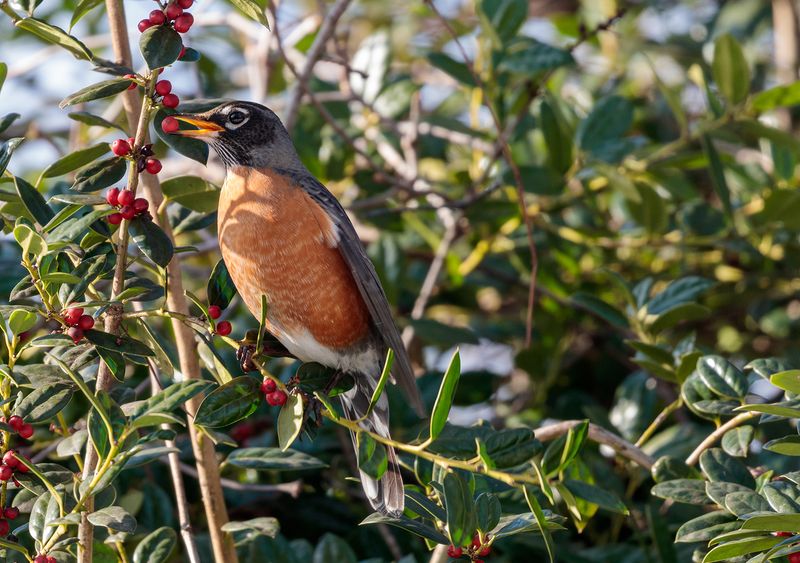
Winter is the lean season for birds, and that is exactly when American holly shines. Its red berries often hang on into January and February, after most other fruit is gone.
Robins and bluebirds may flock to a loaded holly in cold snaps, and the dense, prickly evergreen leaves give sparrows and cardinals a safe place to roost on freezing nights. Only female trees make berries, so buy a labeled female and make sure a male grows somewhere nearby.
Holly thrives from the coast to the foothills and tolerates sandy soil. Use it as a privacy screen or a living corner anchor in place of non-native hedges.
5. Blackgum
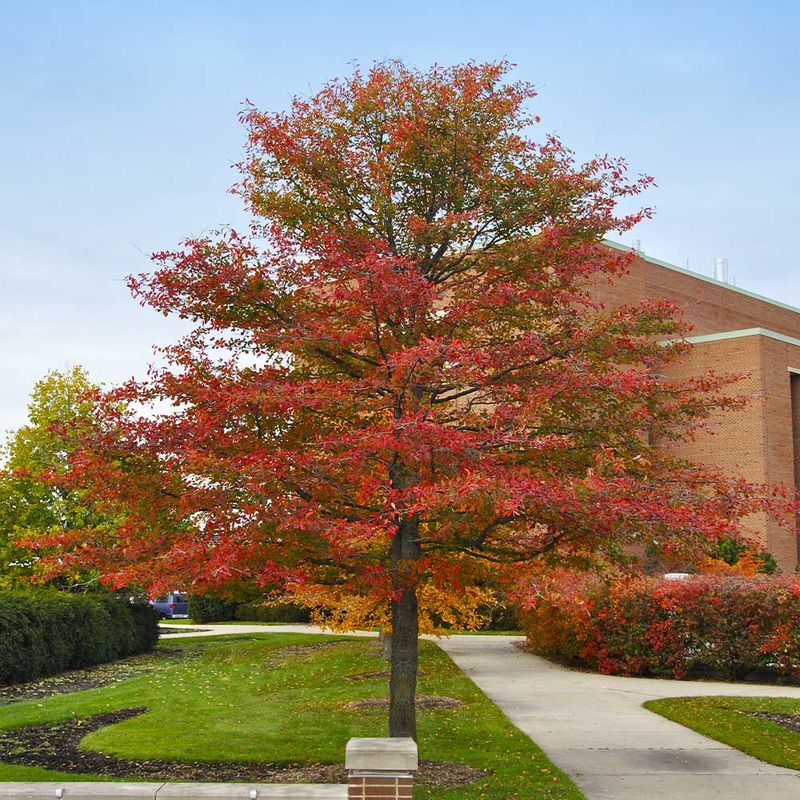
Few trees turn as fiery red as blackgum does in October. If you love fall color, this native puts on a performance that makes Bradford pear look dull.
Small blue-black fruits ripen right as fall migration peaks. Thrushes, woodpeckers, and even wild turkeys go after them, and the flowers are a quiet favorite of bees, so local honey sometimes carries the name tupelo.
Blackgum grows slowly but lives a long time, and it handles wet spots that drown other trees. It is a smart pick for low corners of coastal plain and Piedmont lots.
6. Southern Wax Myrtle
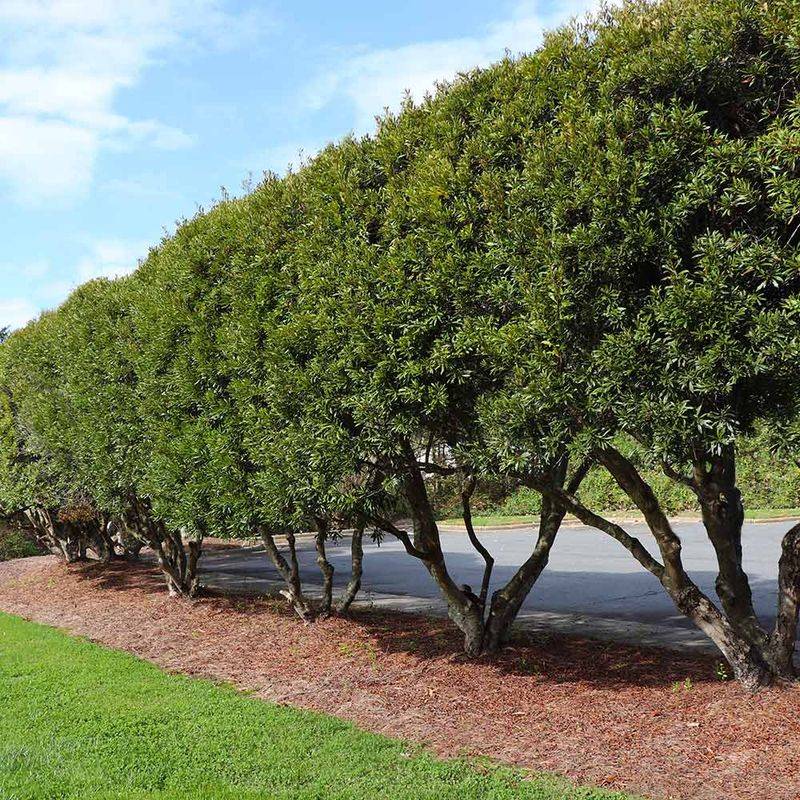
Here is a fun one: early colonists boiled wax myrtle berries to make fragrant bayberry candles. Birds have a different use for them.
Yellow-rumped warblers are among the few birds that can digest that waxy coating, and they may winter along the coast largely because of wax myrtle. Tree swallows and bluebirds feed on it too.
This fast evergreen makes a quick hedge, takes salt spray and sandy soil, and laughs at summer heat. It works especially well in eastern NC but grows fine in much of the Piedmont.
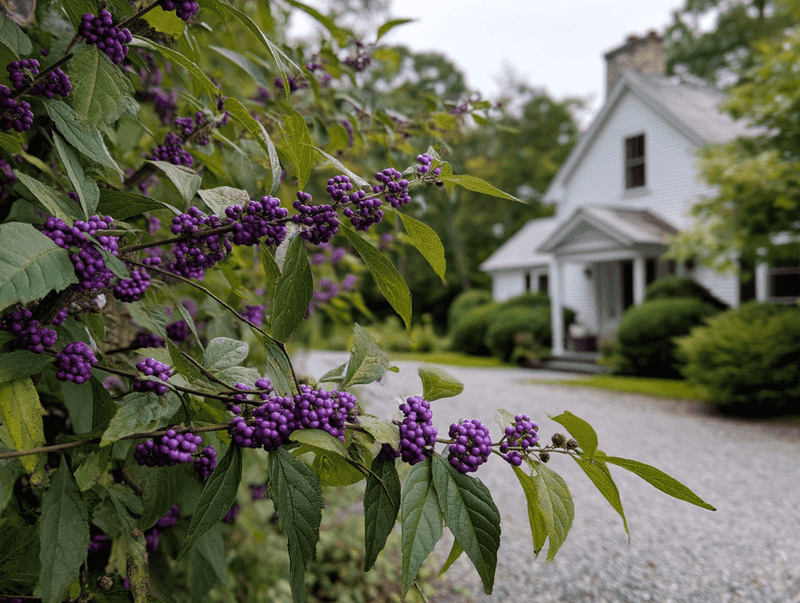
7. American Beautyberry
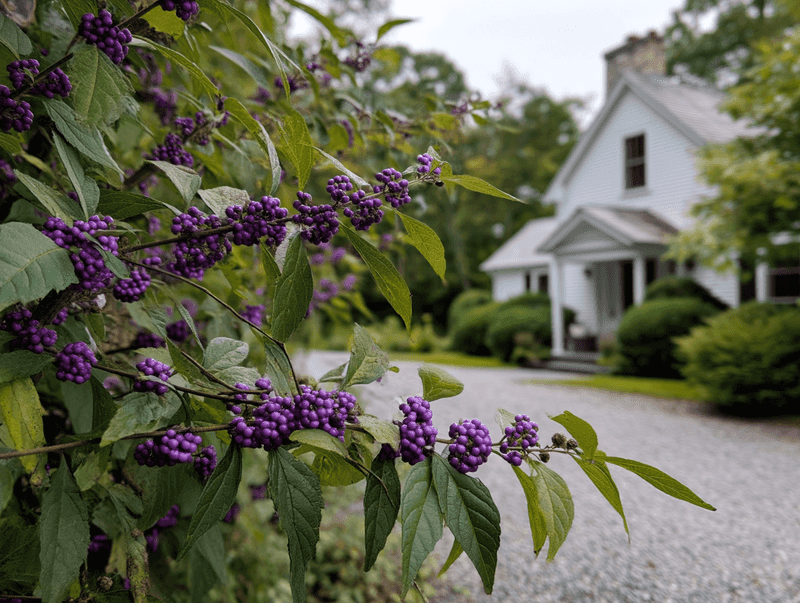
Walk past one in September and the neon purple berries practically stop you in your tracks. No other native in NC looks quite like it.
The berry clusters wrap the stems and feed mockingbirds, catbirds, and brown thrashers through fall. Some old-timers crushed the leaves and rubbed them on skin to keep mosquitoes away, and research suggests compounds in the leaves may help repel insects, though it is no replacement for bug spray.
Beautyberry stays around 4 to 6 feet and handles shade, so tuck it along a fence or under tall pines. Cut it back in late winter and it bounces back.
8. White Oak
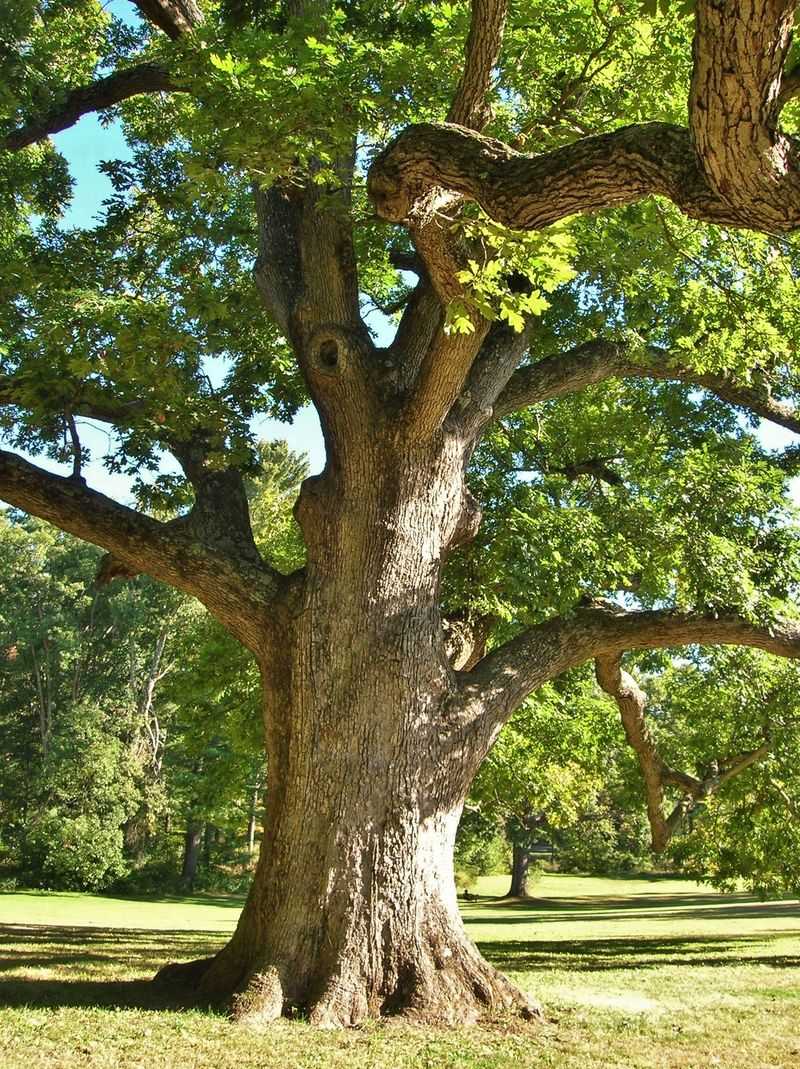
Entomologist Doug Tallamy found that oaks support more caterpillar species than almost any other North American tree. That makes a single oak something close to a bird grocery store.
Chickadees can need thousands of caterpillars to raise one brood, and oak leaves supply them. Then come acorns, which feed blue jays, woodpeckers, and turkeys all winter.
Yes, oaks are slow. Plant one this fall anyway, since it will outlive any Bradford pear many times over and won’t split apart in the first big storm.
9. Eastern Red Cedar
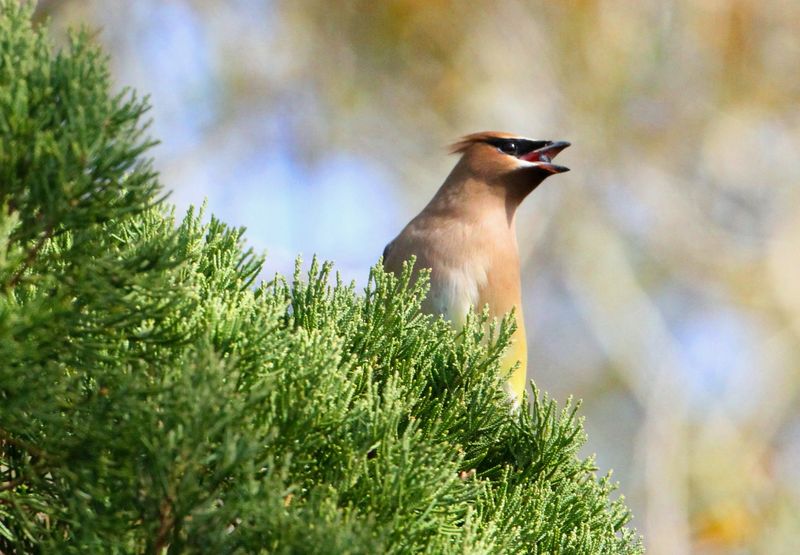
Cedar waxwings literally carry this tree’s name. Those dusty blue berries, which are actually tiny cones, are a winter staple for waxwings, bluebirds, and robins.
Thick evergreen branches also shelter nesting songbirds in spring and offer cover when hawks hunt in winter. It grows in nearly any soil, from mountain rock to coastal sand, and shrugs off drought.
Use a row as a windbreak or screen along the back property line. Keep it away from apple orchards, since it hosts a rust disease that affects apples.
10. Possumhaw Holly
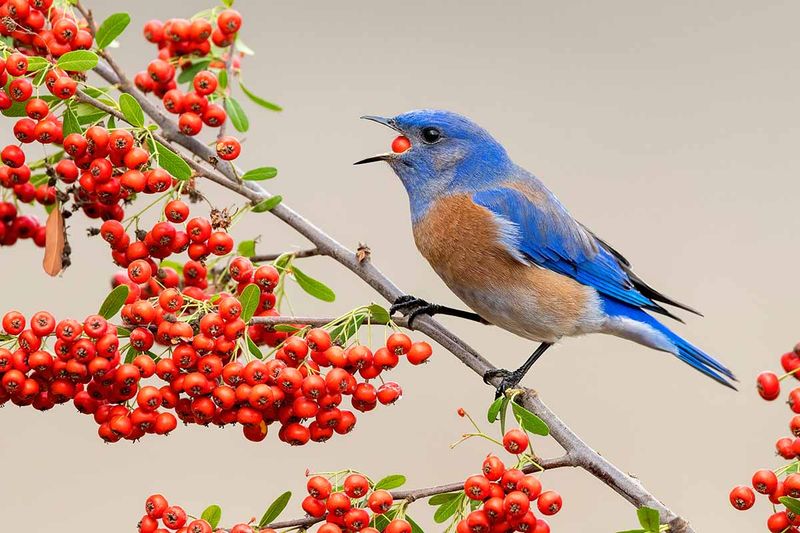
Bare branches studded with glowing red berries in the dead of winter? That surprise is possumhaw, a deciduous holly that drops its leaves and leaves the fruit on full display.
Bluebirds, mockingbirds, and cedar waxwings tend to visit late in the season, which spreads out the food supply after dogwood and beautyberry are finished. Yes, opossums and raccoons nibble the fruit too, hence the name.
It handles wet soil and partial shade, staying shrubby at 10 to 15 feet. Pair a few plants with your evergreens and you have bird food from September straight through March.