

Bare soil in a garden bed does not stay bare for long. Weeds are usually the first to move in, and pulling them every weekend gets old fast.
Frogfruit is a low, flowering native groundcover that many Southern gardeners use to cover open ground. Here is what it can do, what it cannot, and how to give it a good start.
Meet frogfruit, a low-growing flowering groundcover
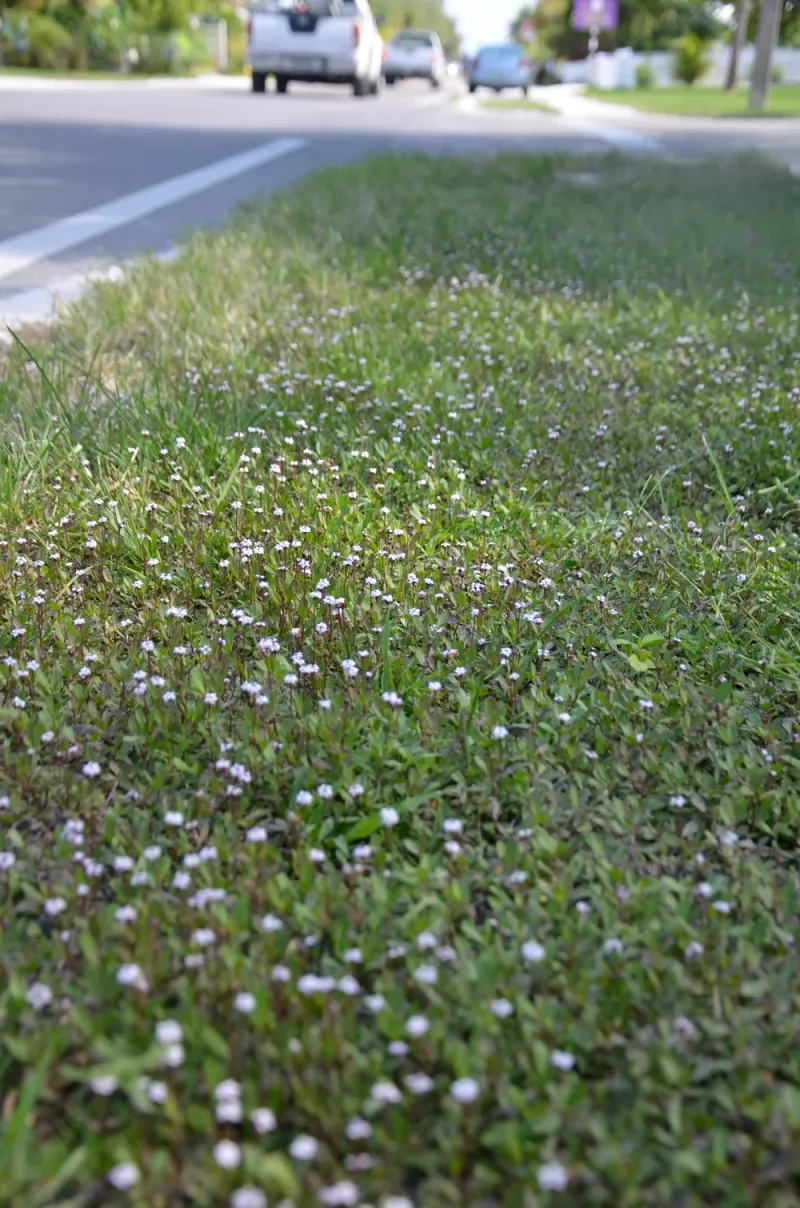
Frogfruit (Phyla nodiflora) hugs the ground, which makes it a handy candidate for bare spots and bed edges. NC State Extension describes it as a plant that stays around 6 inches tall and spreads 1 to 2 feet wide, with creeping stems that root at the nodes.
Those rooting stems are the secret to its groundcover habit. As a stem touches soil, it can anchor itself and keep wandering outward.
Small flower clusters dot the mat, and pollinators often visit them.
It is a native across the southern U.S., and Texas A&M AgriLife materials list it as a low-growing native groundcover that spreads rapidly under the right conditions.
Keep your expectations grounded, though. Results depend on your light, soil, and water, so one yard may get a lush green carpet while another gets a patchier look.
Dense cover can reduce room for weeds
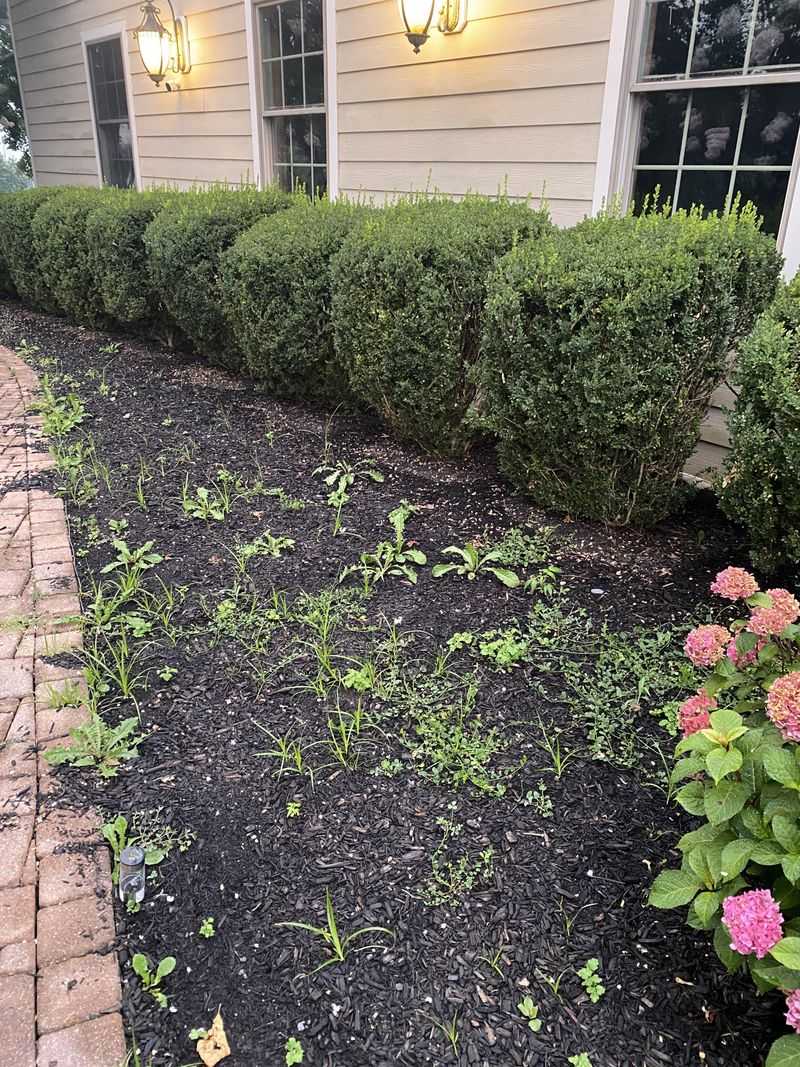
Weeds need open soil and light. When a groundcover fills in, it occupies that space and shades the ground, so fewer weed seedlings find a place to start.
UF/IFAS notes that open areas exposing soil to light invite weed encroachment. Cover that exposed soil and you take away part of the invitation.
Now the catch. A groundcover is only as tight as its coverage, and gaps stay open to weeds.
Thin patches, bed edges, and spots where stems have not reached yet can all let seedlings through.
Think of dense frogfruit as a way to reduce weed pressure, not end it. Weeds can still show up, and UGA Extension warns that they can move in before a groundcover establishes.
No test has shown frogfruit clears weeds from every soil or yard, so plan on a spot check now and then.
Choose a site that suits frogfruit
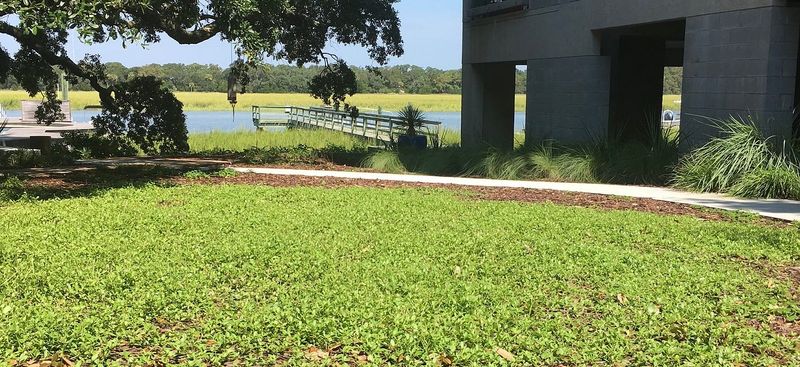
Walk your yard before you buy plants. Notice where the sun lands, where water pools after rain, and where the soil bakes dry.
NC State Extension lists frogfruit for full sun to partial shade and says it tolerates varied soils, including both drought and flooding. UF/IFAS lists it as a Florida native for wet or dry conditions and sun, partial shade, or shade.
That is a wide range, which gives you room to try it in several places. A wide range does not mean equal results everywhere, though.
A deeply shaded corner may grow sparser than a sunny strip. A spot that floods every storm will behave differently from a dry sandy bank.
Pick the location that best matches your conditions, and treat your first planting as a test patch before committing a whole border.
Prepare the bed before planting
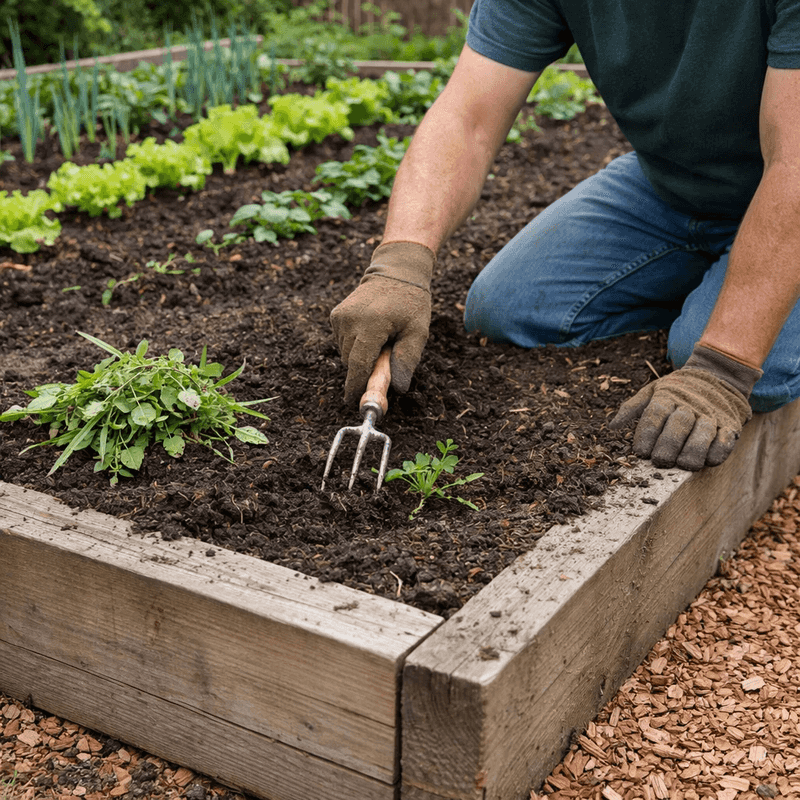
A clean start matters more than most people expect. Any grass, weeds, or leftover roots in the bed will compete with new plants while they are small.
UGA Extension advises removing or controlling existing vegetation before planting a groundcover. Doing it first is far easier than trying to weed around young plants later.
Look closely at what is growing now. Perennial weeds with deep roots or runners can come back if you only scrape the top.
Pull or dig what you can, and check the bed again before planting. If you are considering a herbicide, read the label carefully and make sure it suits your site, since guidance varies by plant and situation.
Once the bed is cleared, you can plant into open soil and give the new frogfruit a fair chance to take hold.
Keep weeding while the planting fills in
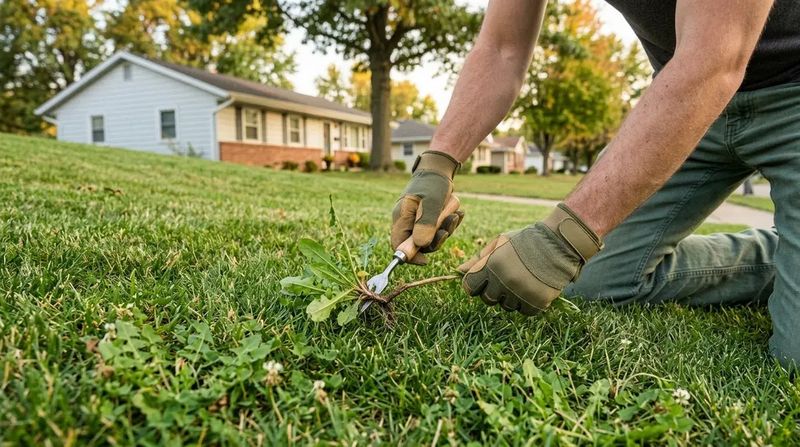
Right after planting, you are not looking at a carpet. You are looking at small plants with lots of open soil between them.
That open soil is exactly where weeds start. UGA Extension cautions that wide spacing leaves room for weeds before plants establish, and it recommends a light mulch after planting.
Mulch helps cover bare ground while the plants grow, but it is not a substitute for care. Weeds can still sprout in it, so keep checking.
Pull weeds while they are small, ideally before they tangle into the frogfruit stems. Staying ahead of them matters most early on, when the planting is thin.
As coverage develops, UF/IFAS guidance on exposed soil suggests the opportunities shrink. Keep scanning gaps and edges, since those spots often stay open longest.
Plan for frogfruit to spread
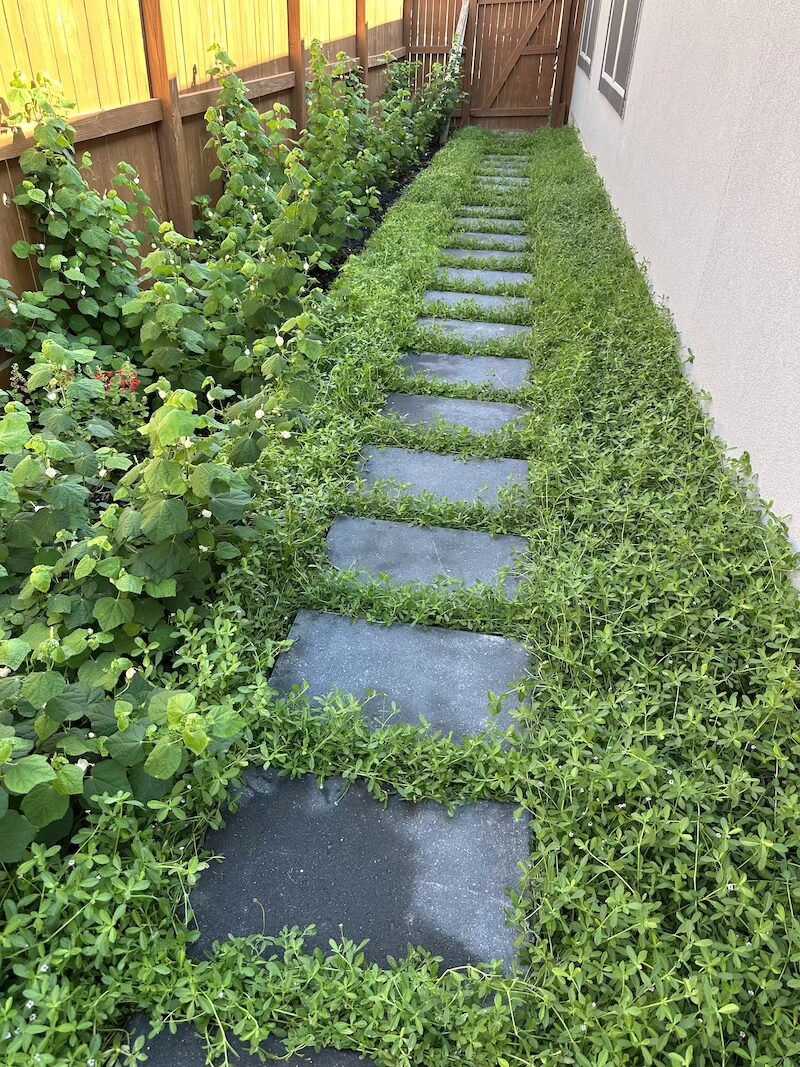
Spreading is the whole point of a groundcover, and frogfruit does it by creeping stems. The City of Austin plant guide calls it a rapid spreader, and Texas A&M AgriLife says it spreads rapidly under the right conditions.
That can be a plus when you want bare ground covered. It also means you should think about where those stems can go.
Look at what borders the planting. Walkways, neighboring beds, and prized perennials may all be in the path of a wandering mat.
Choose a spot where some roaming is welcome. Spread rate will vary with your conditions, so watch how yours behaves rather than expecting a set pace.
One more practical note: Austin’s guide says commercial availability may be limited, so you may need to call around to nurseries that carry native plants.
Expect fewer weeds, not a weed-free bed
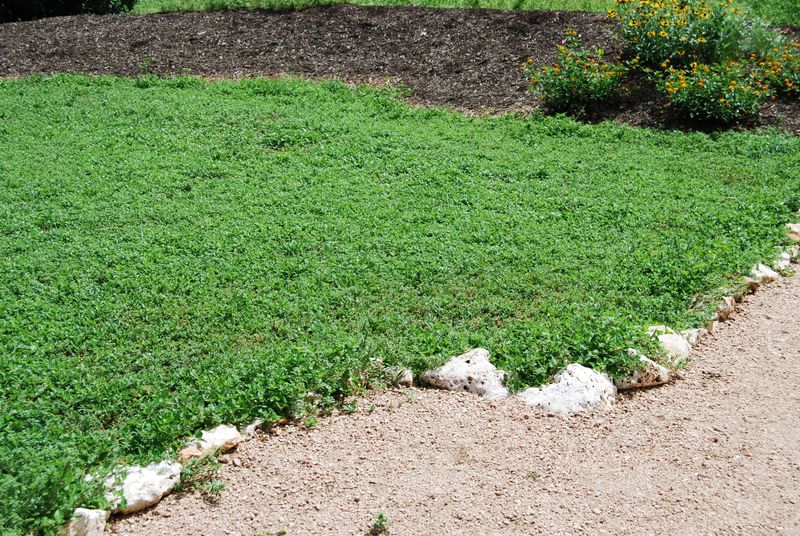
Frogfruit may be a good fit if you want low, flowering coverage and your site matches what the plant likes. It will not do the job alone.
Start with a cleared bed, plant in a suitable spot, and keep weeding while the stems knit together. UGA Extension backs that sequence for groundcovers in general.
Once the cover is thick, weeds have less exposed soil to work with, and your weekend pulling may shrink. Gaps and edges still deserve a quick look, because any open patch can invite seedlings.
Watch how your planting fills in before expanding it. Some yards will end up with a dense mat, and others may stay patchy.
A thick bed of frogfruit is a good trade for a lot of weeding, but it is not a promise that the work is over.