
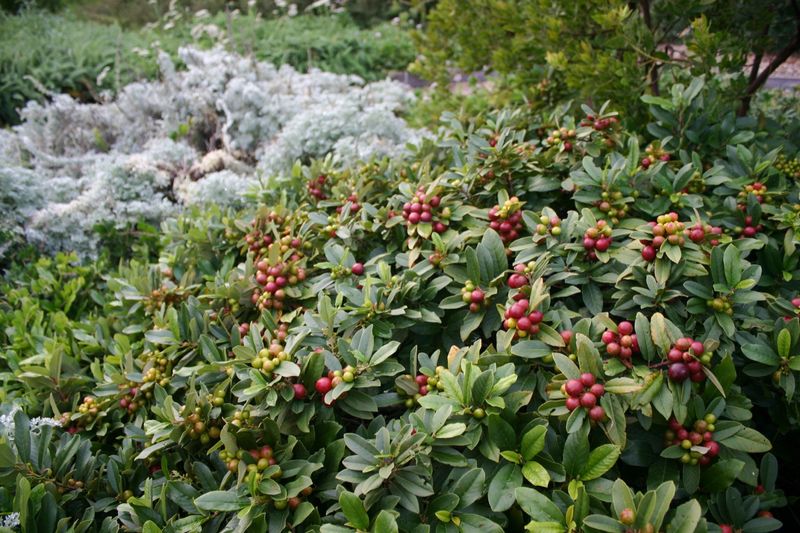
Some evergreen shrubs get passed over at the nursery, even when they fit a California yard well. California coffeeberry is one native that may fit the bill, if your site matches what it likes.
Before you buy one, it helps to know how big it gets, how much water it needs at first, and what fire rules apply to your property. Here is how to decide if it belongs in your yard.
California coffeeberry is a plausible answer, not a proven neighborhood secret
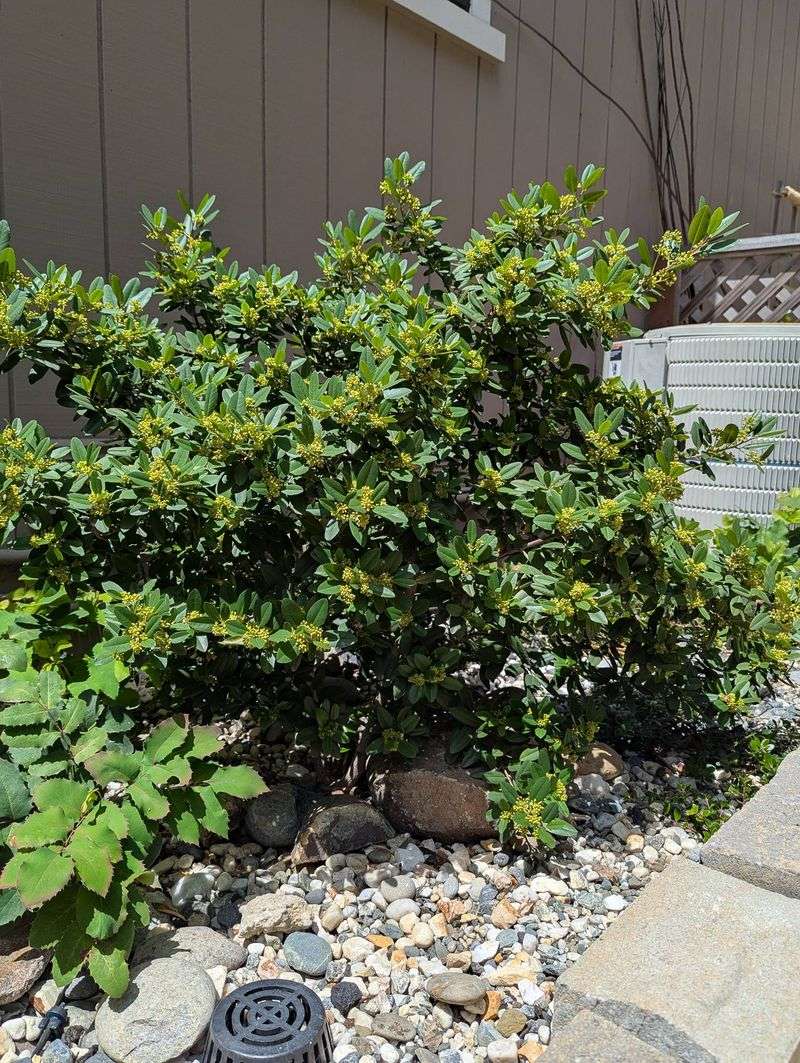
If you have been wondering which evergreen California native the title is hinting at, California coffeeberry is a good candidate. Its botanical name is Frangula californica, though some books, websites, and nurseries still sell it under the older name Rhamnus californica.
If a plant tag uses either name, you are looking at the same shrub.
The California Native Plant Society describes coffeeberry as often overlooked as a garden plant. That is one group’s observation about how gardeners treat it.
It does not tell us how many of your neighbors have one, and you may well spot coffeeberry on your own street once you know what to look for.
A caution on the guess itself: the title never names a plant, so coffeeberry is a plausible match, not a certain one. Toyon also fits the broad description of an evergreen California native shrub, and UC’s IPM program has a helpful page on toyon if you want to compare the two.
The rest of this guide focuses on coffeeberry and the questions that decide whether it suits your yard.
Match this California native to the conditions in your yard
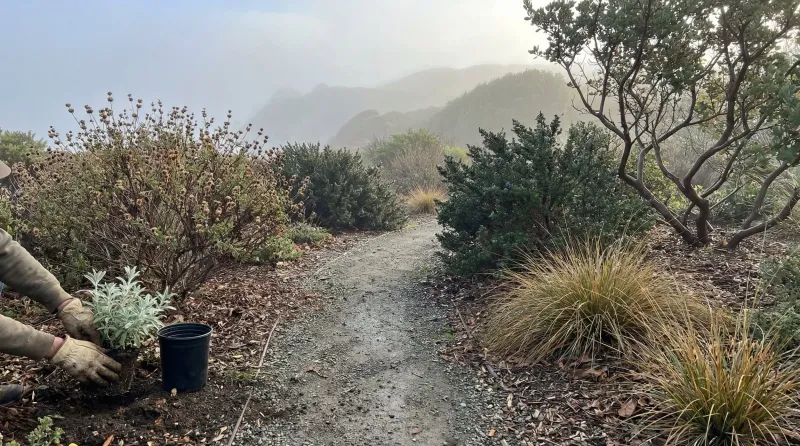
Coffeeberry is an evergreen native found across much of California. According to CNPS, it can grow in sun or shade and is adaptable to different soils.
In shade it may form a taller, more open shrub, while in sun it tends to be more compact.
Adaptable does not mean guaranteed. California is not one uniform growing zone, and a coastal fog belt, a hot inland valley, and a windy hillside each ask different things of a plant.
Being native to the state does not mean every native, or every selection of one, suits every yard.
Before buying, walk your yard and write down a few answers. How many hours of direct sun does the spot get in summer?
Is the soil sandy, loamy, or heavy clay? After a winter rain, does water drain within a day, or does it sit in puddles?
Is there enough room for a full-grown shrub without crowding a fence, walkway, or house?
CNPS also offers general advice on starting a native plant garden, including matching plants to site conditions. A local native plant nursery can tell you how coffeeberry performs in your area, and which selections have done well nearby.
Flowers and berries can support garden wildlife
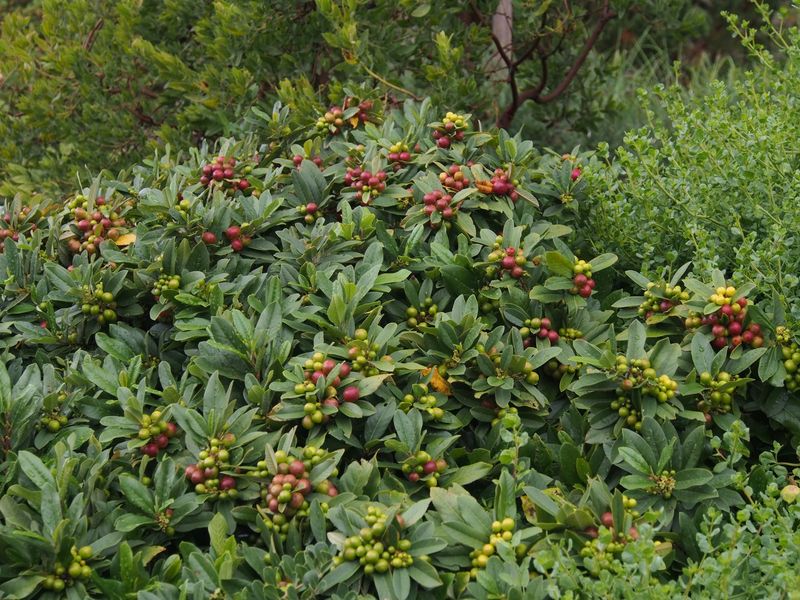
Coffeeberry’s flowers are small and easy to miss, but pollinators notice them. CNPS notes that the blooms attract pollinators, which makes the shrub a modest food source for insects in a wildlife-minded yard.
The berries ripen from green to red and then dark, and birds and other wildlife use them. The U.S.
Forest Service’s Fire Effects Information System reviews this wildlife use in detail. Whether a particular bird or insect visits your yard depends on your neighborhood, nearby habitat, and the season, so think of the shrub as an offering, not a promise.
The name can mislead. “Coffeeberry” comes from the berries’ look, which resembles coffee beans, not from any use as food. Sources disagree on human edibility, and one CNPS chapter says the fruit is not edible for people.
This article gives no foraging or food advice, so leave the berries for the birds and keep kids and pets from snacking on them.
Check mature size before choosing a form
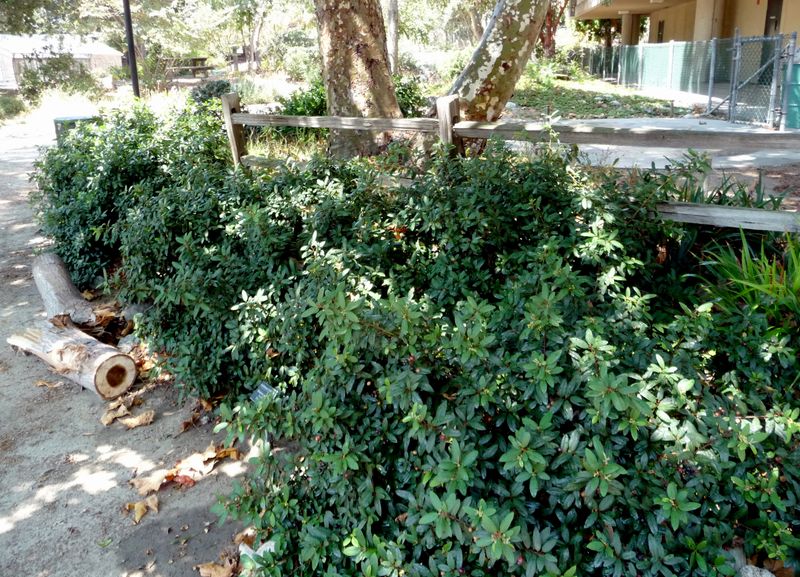
Plan for size before you plant. Coffeeberry comes in a range of forms, and not every one stays small.
Some grow into large shrubs that can fill a corner of the yard, while others are bred or selected to stay lower.
The Orange County chapter of CNPS describes ‘Seaview Improved’ and ‘Little Sur’ as low-growing selections, while other forms grow larger. These are two names to look for if you have a tight spot or want a shrub that sits lower in the bed.
When you shop, read the tag, ask the nursery for the mature size of that exact form, and compare it with the room you have. A shrub planted too close to a path or window will need constant cutting back, and that is a lot of work for a plant you picked to be low-fuss.
A practical test is to mark the spot with a hose or stakes at the mature width the nursery gives you. If the outline touches a wall, walkway, or neighboring plant, pick a smaller selection or a different spot.
Drought tolerance does not eliminate establishment watering
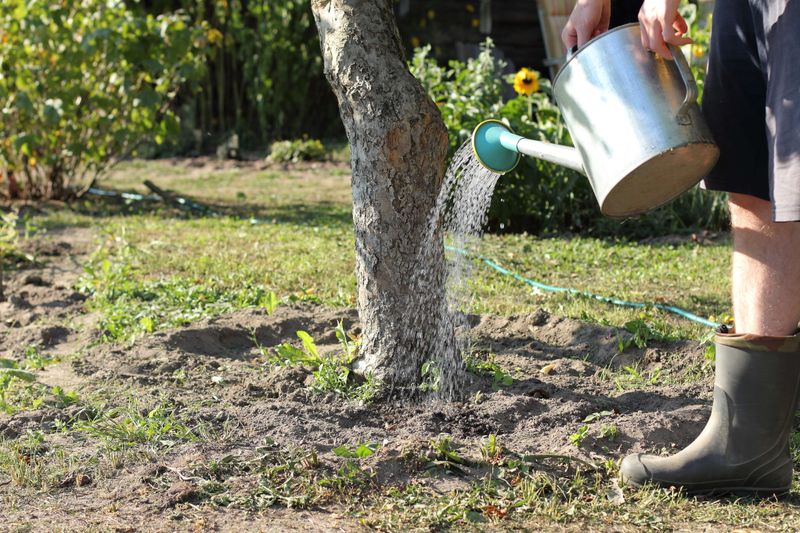
Water-wise is not the same as no water. Coffeeberry is described as drought-tolerant once mature, but a newly planted shrub has a small root system and needs regular watering while it settles in.
Instead of a fixed schedule, let the conditions guide you. Check the soil near the root zone with a trowel or soil probe before you water.
Drainage, weather, and how long the plant has been in the ground all change how often it needs a drink. A shrub in sandy soil during a hot spell will dry out faster than one in clay during a cool, foggy week.
UC Master Gardeners of San Luis Obispo County cover this in their native plant cultural care guide. For the how-to, UC’s IPM program explains irrigating trees and shrubs, including watering around the root zone instead of right at the trunk.
Finally, check your water supplier’s rules. Many California communities limit watering days or times, especially during drought, so plan your establishment watering within those limits.
Use light pruning to shape the shrub
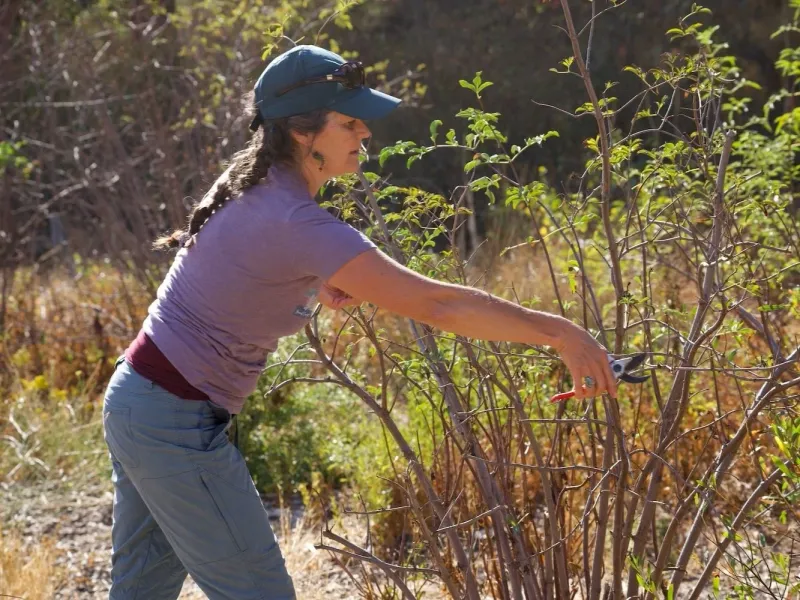
Coffeeberry does not need heavy cutting, but a little shaping helps. UC Marin Master Gardeners recommend light tip-pruning and small thinning cuts to guide the plant’s shape.
Tip-pruning means trimming just the ends of branches to encourage a fuller look. Thinning cuts remove a few selected branches back to where they join another, which opens up the shrub without changing its natural outline.
The same guidance cautions against heading cuts, which chop branches back to stubs or to a point partway along the stem. They can leave the shrub looking awkward and are best avoided.
Pruning is only part of the picture. Like any garden plant, coffeeberry may need occasional attention, so plan for a few minutes of tidying now and then, not zero upkeep.
Choosing a form that fits your space from the start will cut down on how much shaping you need to do.
Treat wildfire planning as a separate decision

Drought tolerance and fire safety are two different questions. A plant that handles dry summers is not automatically safe near a house, and coffeeberry should not be called fireproof.
No single plant choice makes a property safe.
If you live in a fire-prone area, start with local defensible-space rules. CAL FIRE’s defensible space guidance explains that the spacing you need depends on factors like slope and plant height, so the same shrub may be fine in one spot and too close in another.
Keep vegetation maintained, with dead branches and debris removed and plants spaced appropriately. Check with your local fire authority or city about requirements for your address, since rules can differ by community.
Before planting coffeeberry near a structure, measure the distance to the house and consider the mature size of your chosen form. Then confirm the placement with your local fire agency.
Choose coffeeberry only when it fits your site
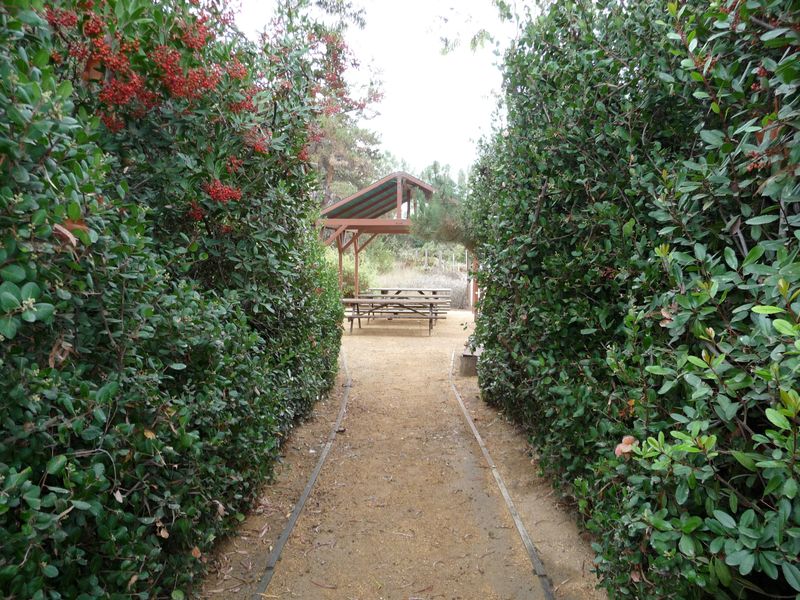
Coffeeberry may be a good fit when your sun, soil, and drainage suit it, the mature form fits your space, and you can handle the early watering. CNPS is a good place to start, and the UC cultural care guide helps with the first year.
Add your local fire rules to the checklist, and you have a sound decision. A shrub chosen for your actual yard will always beat one chosen for its reputation.