
A burrow beside your driveway or a strange visitor near the pool can turn an ordinary yard chore into a wildlife problem. In Florida, some animals around homes have legal protections that limit how people can handle them or disturb their nests.
Moving one yourself could hurt the animal, put you at risk, or break the law. Here are 10 animals to recognize and the safer steps to take when they show up.
1. Gopher Tortoise
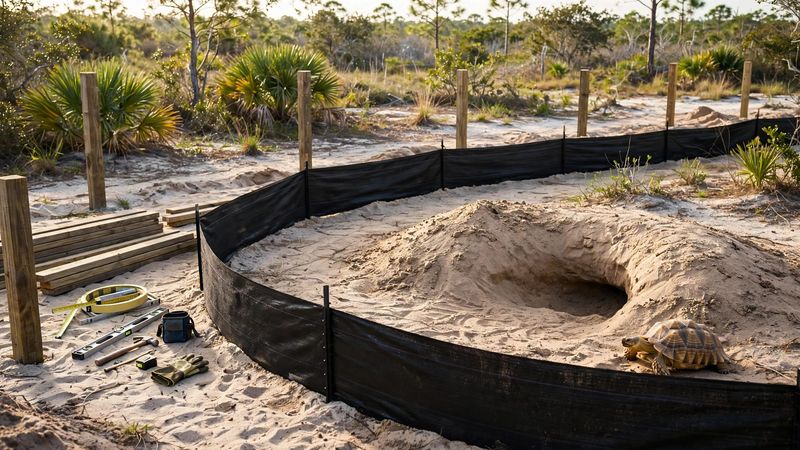
A sandy hole beside the driveway might already have a protected homeowner. Gopher tortoises dig long burrows that also shelter many other animals, making that quiet patch of yard more valuable than it looks.
Florida lists the gopher tortoise as threatened, and both the tortoise and its burrow are protected. Moving the animal, filling the entrance, or damaging the tunnel can require authorization from the Florida Fish and Wildlife Conservation Commission, known as FWC.
Keep vehicles, digging tools, and landscape materials away from the opening. Before installing a fence, expanding a driveway, or clearing land nearby, contact FWC or a permitted gopher tortoise agent about surveys and any relocation requirements.
If a tortoise simply walks across your lawn, give it room and keep dogs back. Never put it in a pond, since it is a land animal, not a swimming turtle.
For an established burrow, adjust mowing and garden plans rather than trying to make the resident leave. A little planning can prevent a costly construction problem later.
2. Florida Burrowing Owl
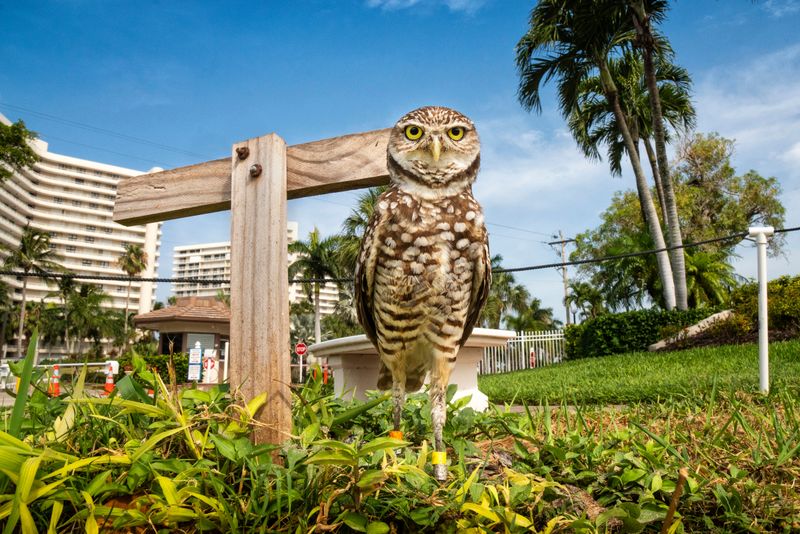
Those bright yellow eyes peeking above the lawn belong to a bird that nests downstairs. Florida burrowing owls use underground burrows, sometimes surprisingly close to sidewalks, mailboxes, and busy neighborhood streets.
The Florida subspecies is state-designated threatened. Its protected status means a burrow is not something to collapse, cover, or relocate as part of a weekend yard cleanup.
Watch from a distance and keep pets from approaching the entrance. Avoid driving, digging, or placing heavy objects nearby, and check with FWC before landscaping or construction that could affect an occupied site.
A short lawn can suit these owls because it helps them spot prey and danger. However, do not mow directly over a burrow or assume that a quiet entrance is unused.
If work cannot avoid the area, ask FWC about current survey, buffer, and permit requirements. Local protections may also apply, especially in communities with many nesting owls.
Enjoy their pest-hunting visits without feeding them or using sound recordings to draw them closer for photographs.
3. Florida Sandhill Crane
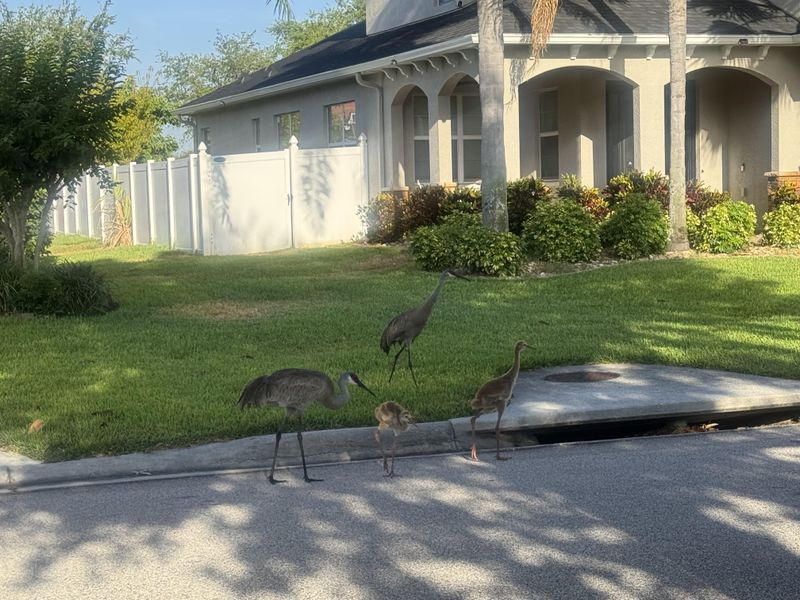
A pair of towering gray birds can make your front lawn look like a nature preserve. Florida sandhill cranes often stroll through neighborhoods, probing grass for insects and other food.
The resident Florida subspecies is state-designated threatened, and sandhill cranes also receive federal migratory bird protection. Do not capture them, move their eggs, or disturb a nest to reclaim a garden corner.
Feeding sandhill cranes is illegal in Florida. Handouts can draw them toward roads, encourage bold behavior around people, and keep them returning to patios and doorways.
If cranes visit regularly, remove spilled birdseed and secure other easy food sources. Protect vulnerable planting beds with a suitable physical barrier, but avoid loose netting that could trap their legs.
Give adults and chicks a wide path, particularly near ponds where they may nest. Keep dogs leashed rather than letting them chase the birds away.
For repeated property damage or an injured crane, contact FWC for guidance. Do not assume that ordinary nuisance-animal removal rules allow you to trap a protected bird.
4. Bats
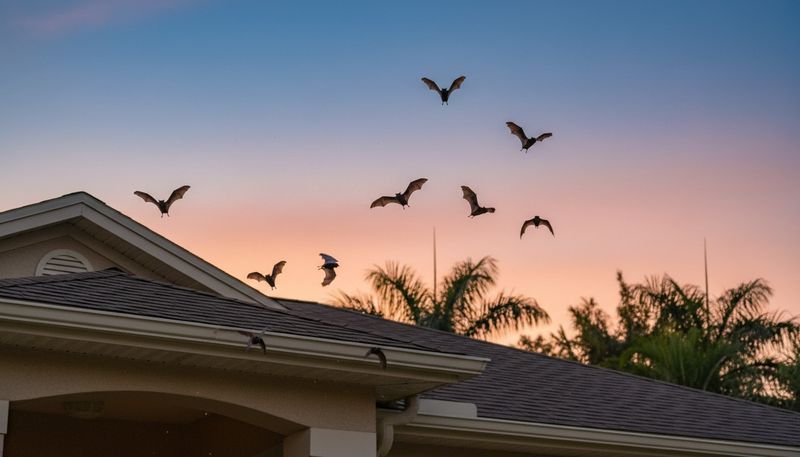
Scratching above the ceiling at dusk calls for a careful plan, not a quick spray of foam. Bats can enter roof gaps and attic spaces, where a colony may remain unnoticed until droppings or evening flights reveal it.
Florida protects its native bats, and some species have additional federal protection. The proper solution is usually exclusion, which lets bats leave through one-way devices before entry points are sealed.
Timing matters because young bats cannot fly when first born. Florida generally prohibits exclusions during maternity season, April 15 through August 15, without special authorization; weather and other conditions also affect when exclusion is allowed.
Hire a wildlife professional familiar with current FWC bat rules. Never seal an occupied opening first, use poison, or handle bats with bare hands.
If a bat is found with a sleeping person, an unattended child, or someone unable to report contact, promptly call your county health department for rabies advice. Keep pets away and seek instructions before releasing that bat, since testing may be needed.
5. Wood Stork
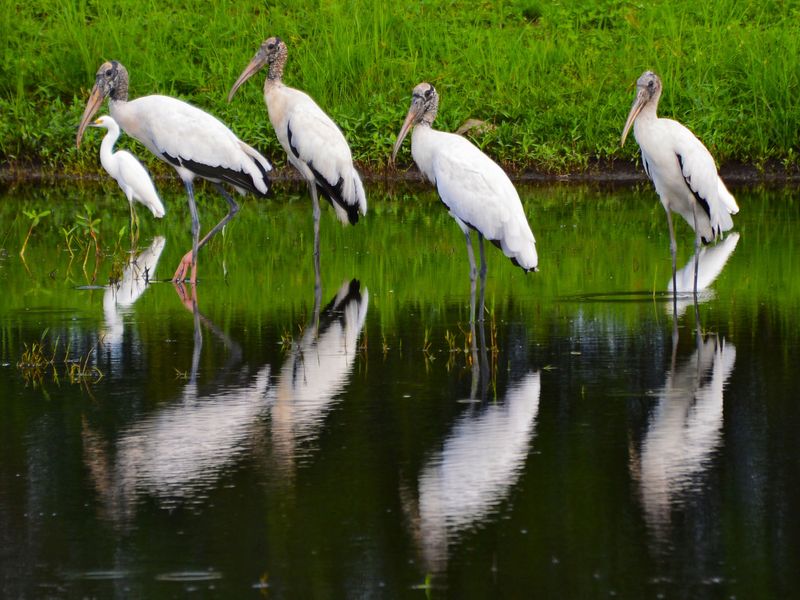
With a bald head and a heavy bill, this tall white visitor is hard to mistake for a lawn ornament. Wood storks sometimes forage along neighborhood ponds, drainage areas, and flooded lawns where small aquatic animals gather.
They are federally protected under the Endangered Species Act and the Migratory Bird Treaty Act. Their presence beside your house does not give you permission to capture, relocate, or harm them.
Let a visiting bird feed without crowding it, and keep pets indoors or leashed nearby. Never offer bread, fish scraps, or other handouts to encourage repeat visits.
For homeowners, the bigger concern may be planned pond or wetland work. Changes to drainage, water levels, or vegetation can affect feeding areas or nearby nesting colonies and may require review.
Before altering a wet area used by storks, ask FWC and the appropriate permitting agency what applies to your project. Do not assume a backyard setting removes wetland or wildlife requirements.
If a bird appears injured or tangled in fishing line, contact a permitted wildlife rehabilitator rather than grabbing its bill or wings.
6. American Alligator
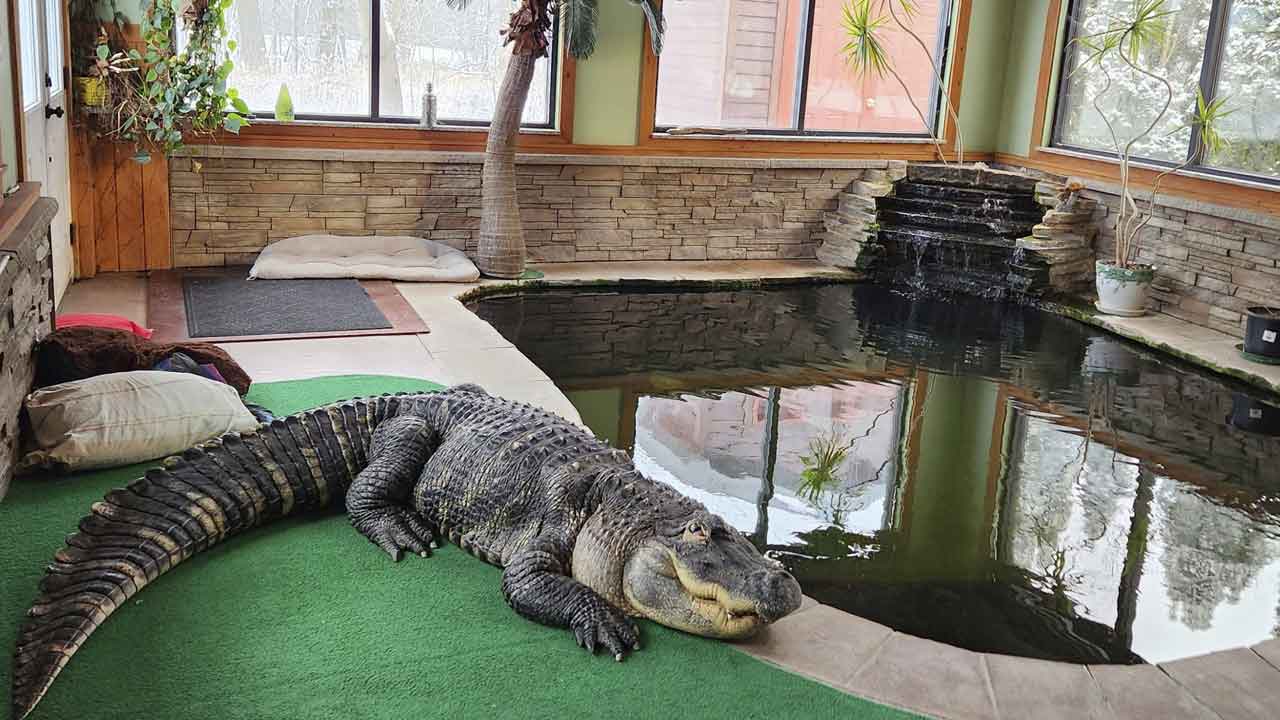
A pond behind the fence can bring a visitor that needs far more space than a garden bed allows. American alligators occur throughout Florida, including canals, stormwater ponds, and occasionally swimming pools.
State and federal rules regulate their handling and taking. Legal hunting and authorized nuisance removal exist, but homeowners should not trap an alligator, transport it, or try to drag it back to water.
For a concerning alligator, call FWC’s Nuisance Alligator Hotline at 866-392-4286. The program generally considers an alligator a nuisance when it is at least four feet long and believed to threaten people, pets, or property, though smaller animals can also need attention in certain situations.
Keep children and pets well away from the water’s edge. Never feed an alligator, and do not leave fish scraps where one could find them.
If one enters a pool or enclosed yard, retreat indoors and call for help. Nuisance removal does not necessarily mean relocation, so preventing food-conditioning is especially valuable.
For an immediate threat to someone’s safety, call 911.
7. American Crocodile
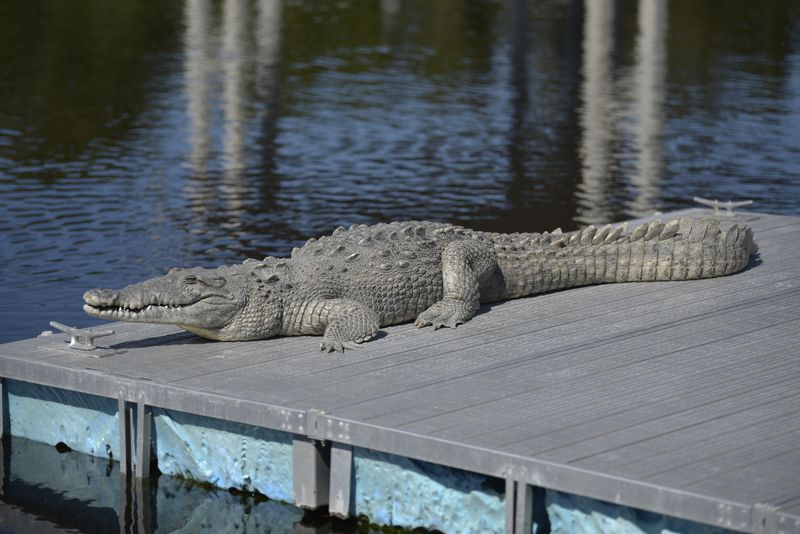
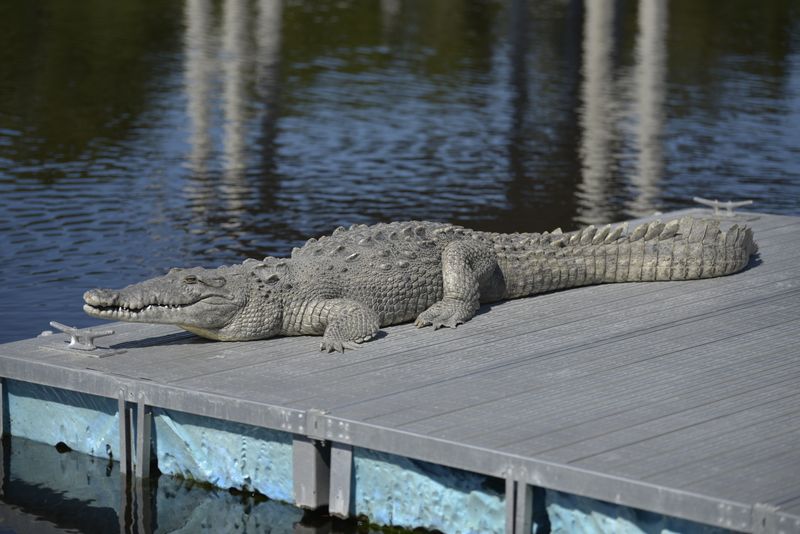
Along South Florida’s coast, a long, narrow snout may signal a crocodile rather than an alligator. American crocodiles favor coastal and brackish habitats, so canal-front homes can occasionally receive a visit.
The species is federally listed as threatened in Florida. Capturing, harming, or moving one requires proper authority, and disturbing a nest can create both legal and safety problems.
Do not approach closely to check its teeth or get a better photograph. Identification is best left to wildlife officials when the animal is near a home, dock, or pool.
Keep pets away from canal banks and avoid swimming in places where crocodiles occur. Never feed them or discard bait and fish remains at the shoreline.
Report a concerning crocodile to FWC through its current crocodile reporting channels or the Nuisance Alligator Hotline, which can direct the report appropriately. Call 911 if anyone faces immediate danger.
A quiet animal resting on a bank is not an invitation to chase it away. Give it space while officials assess whether any response is needed.
8. Sea Turtles
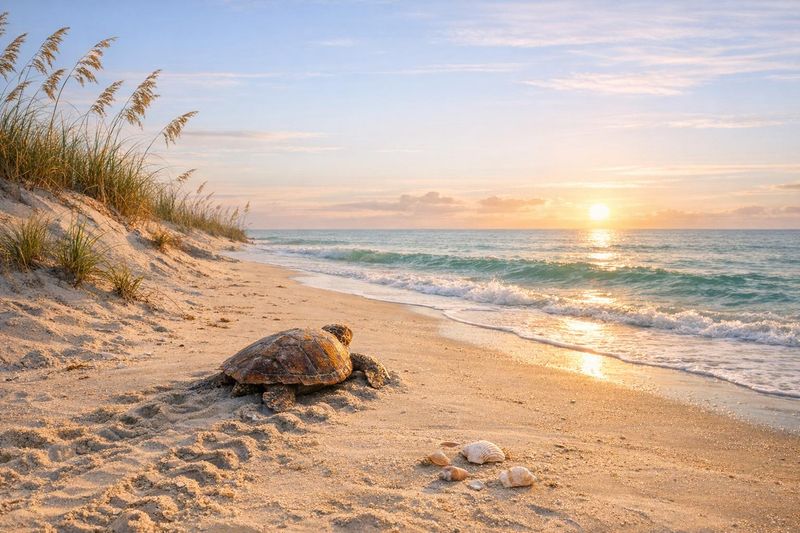
Beachfront living comes with neighbors that need darkness, not porch lights. Nesting sea turtles and emerging hatchlings can reach dunes, beach access paths, and areas beside coastal homes.
All sea turtle species found in Florida waters are protected by state and federal law. Do not handle nesting females, dig into nests, move eggs, or carry hatchlings to the ocean on your own.
If a turtle or hatchlings appear trapped, injured, or headed inland, call FWC’s Wildlife Alert Hotline at 888-404-3922. Follow the responder’s instructions instead of attempting a rescue that could cause more harm.
Homeowners can help before trouble starts by keeping beach-facing lights off when possible and following local turtle-lighting rules. Close curtains at night, and use properly shielded, low-mounted wildlife-friendly lighting where needed.
Remove beach furniture and fill holes before leaving the beach, following local requirements. Keep a respectful distance from nesting turtles and avoid flash photography.
Nesting dates vary along Florida’s coast, so check your county’s seasonal rules rather than relying on one statewide calendar.
9. Florida Scrub-Jay
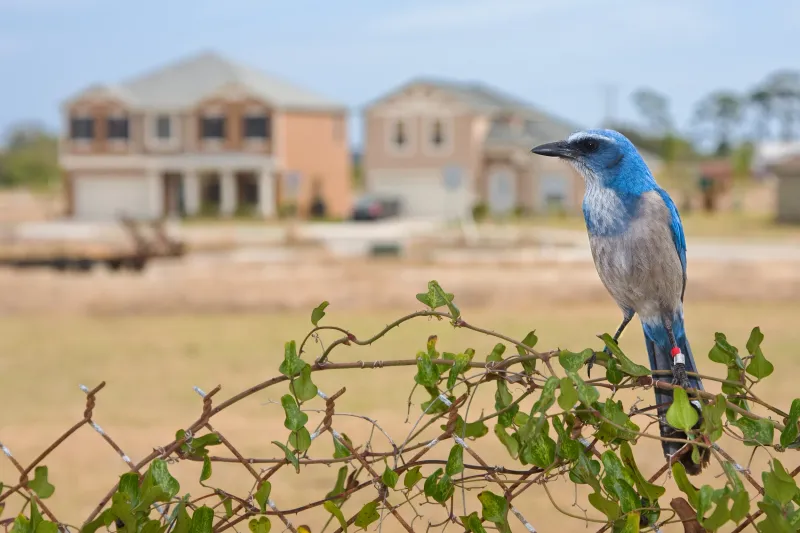
A curious blue bird on a low oak branch may be one of Florida’s rarest neighborhood residents. Unlike the familiar blue jay, the Florida scrub-jay has no crest and depends on the state’s shrinking scrub habitat.
It is federally listed as threatened. Homeowners near occupied habitat should not capture birds, disturb nests, or assume that clearing scrub is harmless simply because it lies within a residential lot.
Before removing native scrub oaks or clearing a sandy, brushy parcel, ask local permitting staff and wildlife agencies whether surveys or authorization are needed. Habitat changes can matter even when you cannot see a nest.
Keep cats indoors and avoid feeding scrub-jays. Hand-feeding can pull birds toward roads and people, creating risks that outweigh the pleasure of a close visit.
For a yard bordering scrub, keep new garden work within already disturbed areas when possible. Ask your UF/IFAS Extension office about suitable native landscaping, while recognizing that a planted bed cannot replace a functioning scrub habitat.
Report an injured bird to a permitted wildlife rehabilitator rather than keeping it at home.
10. Bald Eagle
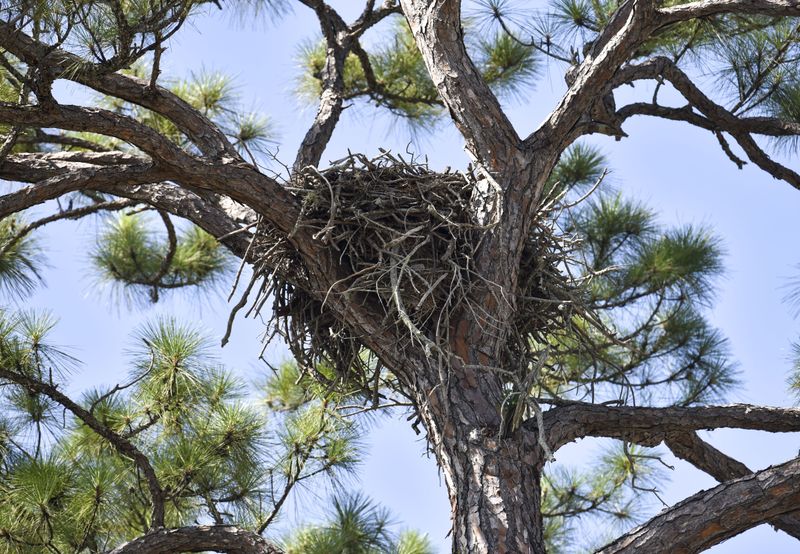
That enormous pile of sticks high in a pine could change your tree-trimming plans. Bald eagles nest in parts of Florida where neighborhoods, lakes, and tall trees meet, sometimes returning to the same nest for years.
Although bald eagles are no longer listed under the federal Endangered Species Act, they remain protected under the Bald and Golden Eagle Protection Act and the Migratory Bird Treaty Act. Removing a nest or causing prohibited disturbance can still violate federal law.
Do not climb the tree, fly a drone nearby, or start major work beneath an active nest. Before tree removal, roof work, or construction near a nest, consult current U.S.
Fish and Wildlife Service guidance and FWC resources.
The right precautions depend on the activity, distance, visibility, and nesting conditions. A nest that looks empty from the driveway is not proof that removal is allowed.
If a storm damages a nest tree, keep people away from unstable limbs and seek professional safety help alongside wildlife guidance. Do not collect fallen eagle feathers or nest materials as souvenirs.