
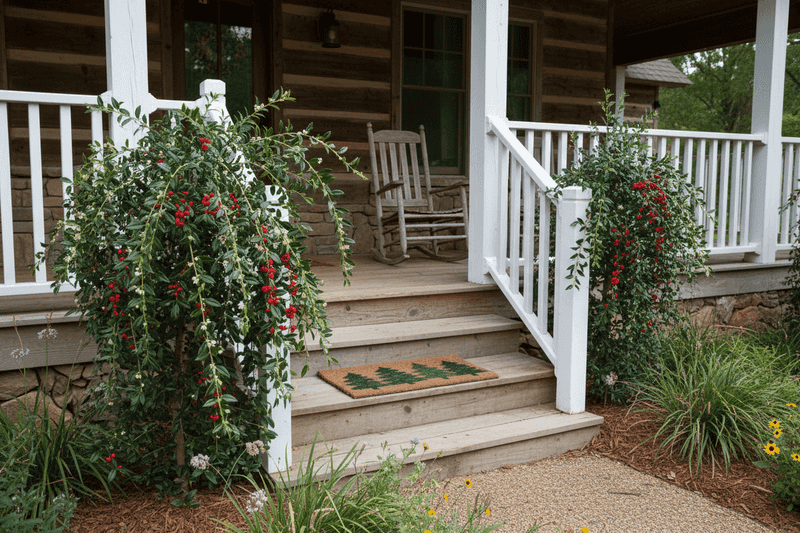
A bare front porch in January can make a house feel half asleep. Evergreen pots promise a fix, but a plant that does fine in a yard bed can struggle once it lives in a container.
North Carolina stretches from the coast to the mountains, so the right choice changes with where you live. Here is how to decide whether dwarf yaupon holly, or any evergreen, fits your porch.
A porch pot changes what winter hardiness means
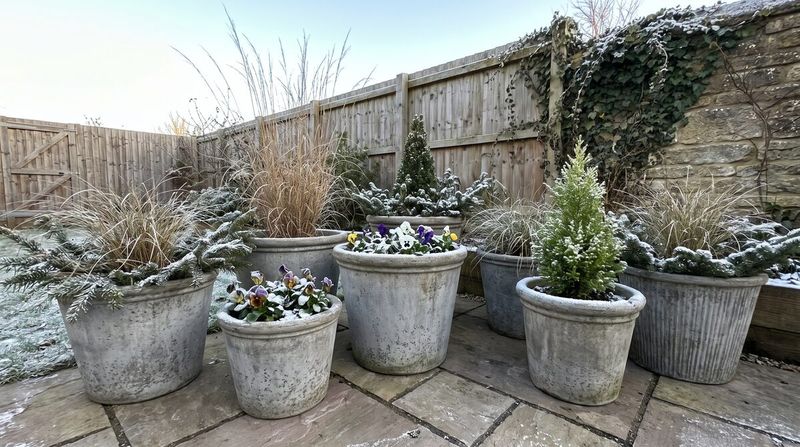
Roots in the ground sit in a big blanket of soil that changes temperature slowly. Roots in a pot have no such cushion.
NC State Extension container guidance warns that exposed container roots may freeze and that conditions inside a pot can swing a lot, which is why outdoor containers may need insulation or a sheltered spot.
That is the reason this article cannot promise a plant that simply shrugs off North Carolina winters. A plant labeled hardy for your area is rated for life in the ground, not for life on a porch in a pot.
Cold air reaches a container from the sides and the bottom, and a thin pot wall does little to slow it.
The USDA hardiness zone map adds another layer of caution. Zones reflect the average yearly lowest winter temperature, and USDA guidance on using the maps notes that planting conditions, placement, and a plant’s size and health also affect survival.
A zone number is a starting point, not a guarantee for an exposed pot.
So the better question is not which plant is tough everywhere. It is which plant might work in your region, on your porch, in a container you have prepared.
Even then, leaves that hang on do not always mean a handsome plant, and later sections show what to look for.
Your location and porch exposure set the risk
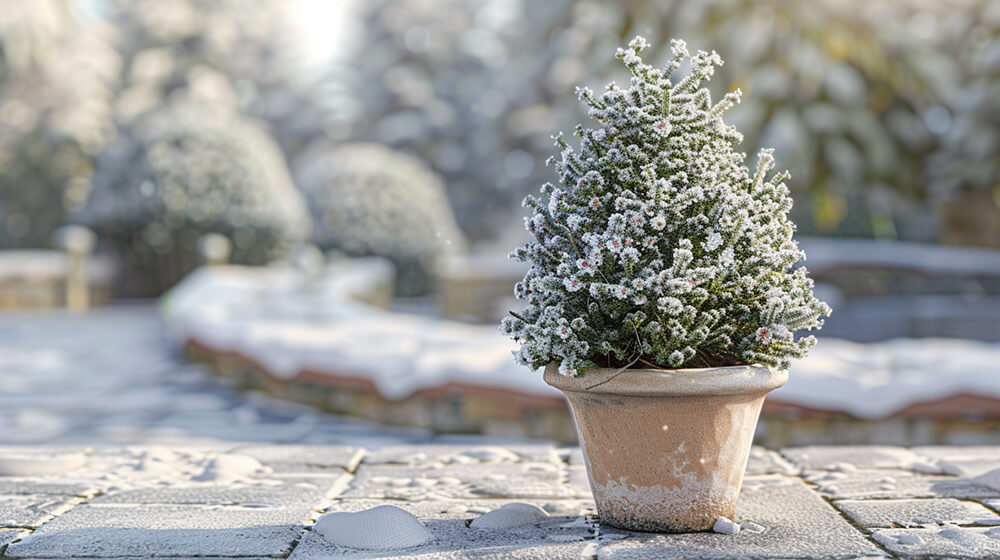
Freeze timing in North Carolina is not one date. A gardener near the coast and one in the mountains can be weeks apart, and even two neighbors in the Piedmont may differ.
The State Climate Office offers the Freeze Date Explorer, which shows local long-term averages and past observations for your area.
Treat those dates as averages, not promises. A freeze there means 32 degrees F or colder at standard measurement height, and frost can still form at ground level when the measured air temperature runs slightly higher.
Pots sit low, so they can feel those colder pockets.
Next, study the porch itself. A cover overhead does not make a spot automatically safe.
It can block rain so pots dry out, shade a plant more than it wants, or funnel wind along the wall.
Spend a few days watching. Note how many hours of light reach the pot, where the wind pushes through, whether rain ever lands there, and how cold the corner feels on a clear night.
NC State lists light, temperature, wind, pot material, drainage, and container size as the things that decide container success.
A sheltered brick nook on the coast and an open mountain stoop are very different test sites, even with the same plant and pot.
Dwarf yaupon is a candidate with important limits
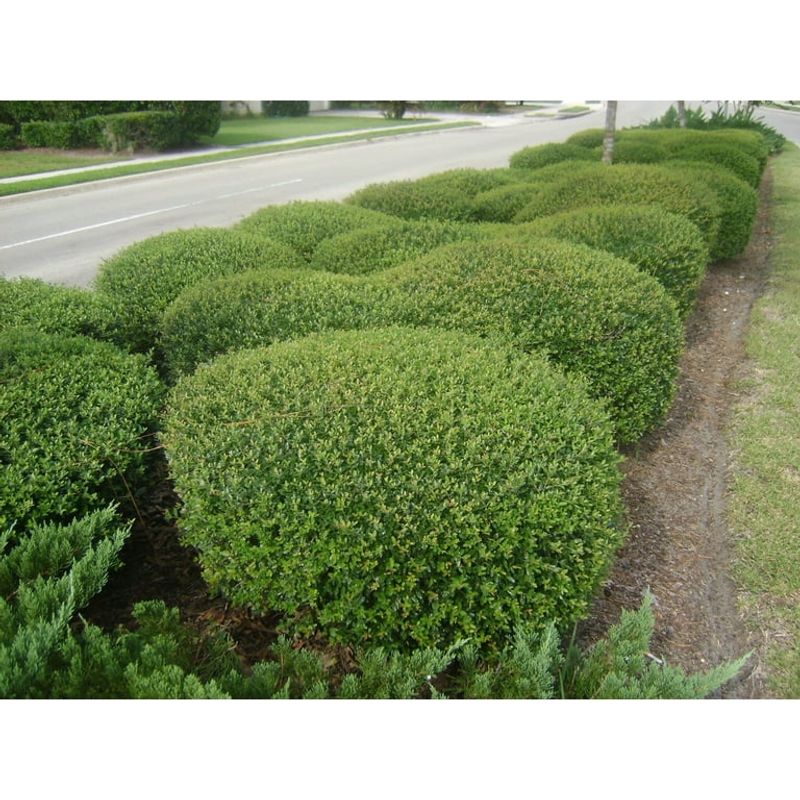
Dwarf yaupon holly is a small-leaved evergreen that many gardeners consider for pots. NC State Plant Toolbox lists it for the Coastal Plain and Piedmont, not the mountains.
If you garden in the mountains, this is not the plant to build your plan on.
Size is the next limit. NC State gives its mature size as 3 to 5 feet tall and 3 to 6 feet wide.
That is a lot of shrub for a porch, and a pot that suits a young plant may feel cramped in a few seasons.
The bigger caution is fire. The same source rates dwarf yaupon as highly flammable and advises against planting it within a home’s defensible space.
A shrub parked beside the front door sits right in that zone, so it may be a poor match for many entrances.
Inkberry, another native holly, is also regionally limited. NC State lists it for the Coastal Plain and Piedmont, and its usual size of 5 to 10 feet tall and 5 to 8 feet wide is too large for many porch pots.
Treat dwarf yaupon as a maybe, not a yes. It needs the right region, a safe placement, and room to grow.
The container helps determine whether roots make it through
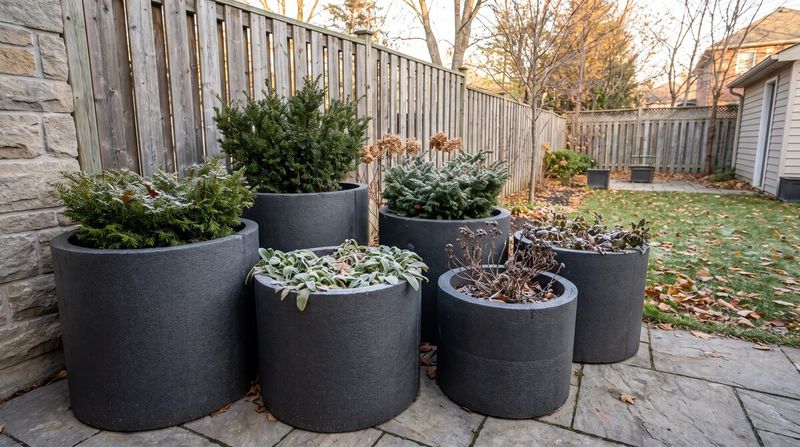
Start with drainage holes. Water that cannot escape sits around the roots, and a soggy pot is more likely to hurt a plant in cold weather.
Pick a container with enough volume for the plant, because a cramped root ball has less buffer against temperature swings.
Size cuts both ways. According to NC State Extension, larger pots dry out more slowly, which helps in summer, but they also demand more attention to avoid staying wet.
Dark pots soak up heat and can warm roots too much in summer. Unglazed ceramic can crack if it stays outside through winter freezes.
For cold nights, think about protection rather than a magic formula. Outdoor containers may need insulation or a more sheltered position, such as against a wall that blocks wind.
There is no single pot size or wrap that works for everyone, so match your choice to your plant and your porch.
Check moisture from time to time instead of following a calendar. Poke a finger into the soil and see whether it is dry.
If it is, water only when temperatures are expected to stay above freezing, so the water does not turn to ice around the roots.
A pot that drains, fits the plant, and sits out of the worst wind gives roots a fair chance, though not a promise.
Green foliage and a polished winter display are not the same
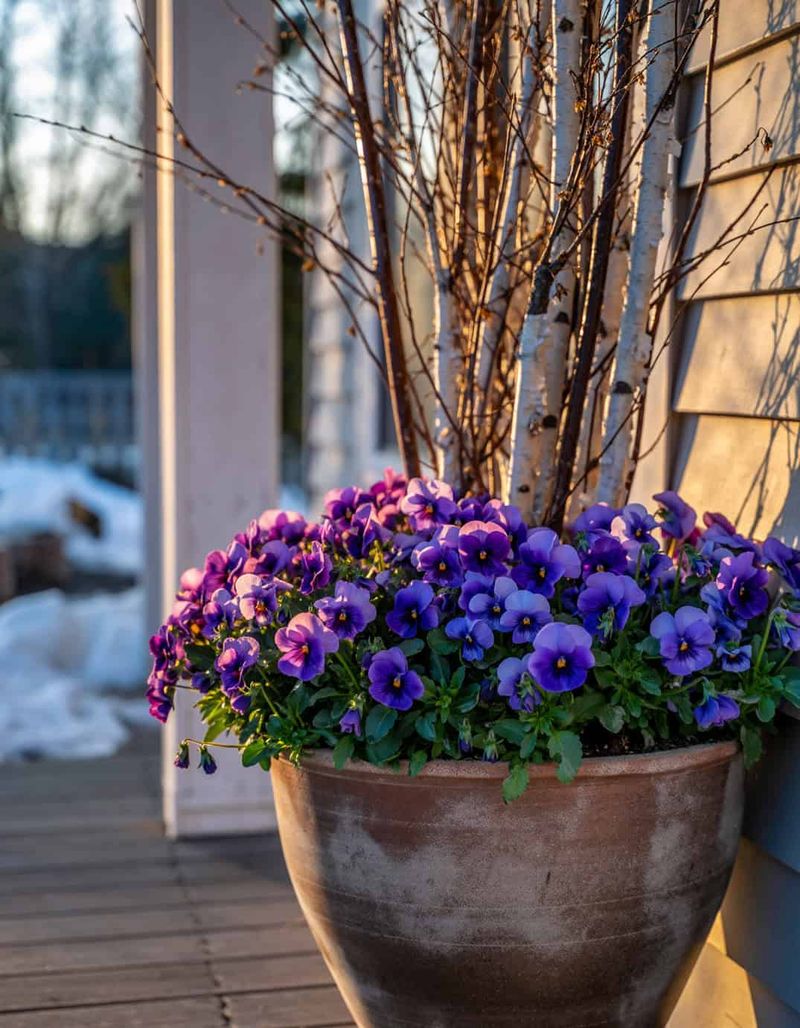
Evergreen means leaves stay on the plant, not that the plant looks sharp. In a cold snap, growth may slow, foliage may bronze, and roots may be damaged even while the leaves hang on.
A bronze tint or a thin, stalled look can be a clue that the pot is stressing the plant.
Watch for signs such as dry-looking tips, a plant that wobbles in the soil, or leaves that droop and do not recover once the weather warms. Those hints suggest the roots took a hit.
Pay attention after the first hard freeze and again in late winter.
If you want more color, annuals can fill the gap. NC State identifies pansies, violas, and flowering cabbage as fall-planted, winter-flowering annuals.
They bring a seasonal display, but they are not evergreens, and they die back in summer, so they will not be the same display next year.
Think of them as a seasonal accent beside a shrub rather than a replacement for it. Tucking a few into a separate pot or around the base can brighten a plain evergreen without pretending to be one.
Leafy and polished are two different goals, and a porch may deliver only one of them in a rough year.
Choose a realistic plan for a leafy entry
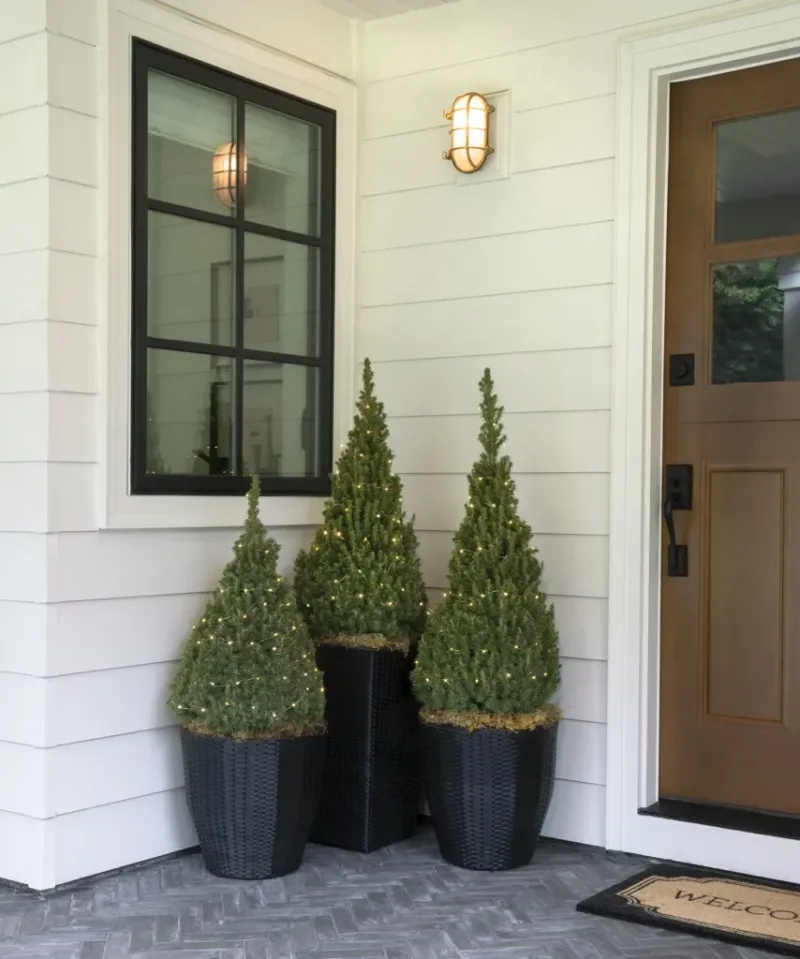
Begin with your local numbers in the Freeze Date Explorer. Then walk the porch and note its light, wind, rain, and cold spots.
If you live in the Coastal Plain or Piedmont, check whether dwarf yaupon fits. Because NC State rates it highly flammable, rule it out if it would sit in your home’s defensible space.
If the plant still fits, prepare the pot using the container steps above, with drainage, enough volume, shelter, and moisture checks.
Add fall-planted winter annuals if you want a color boost.
No one plant handles every region’s weather, but a good match gives you a fair shot at a welcoming door.