
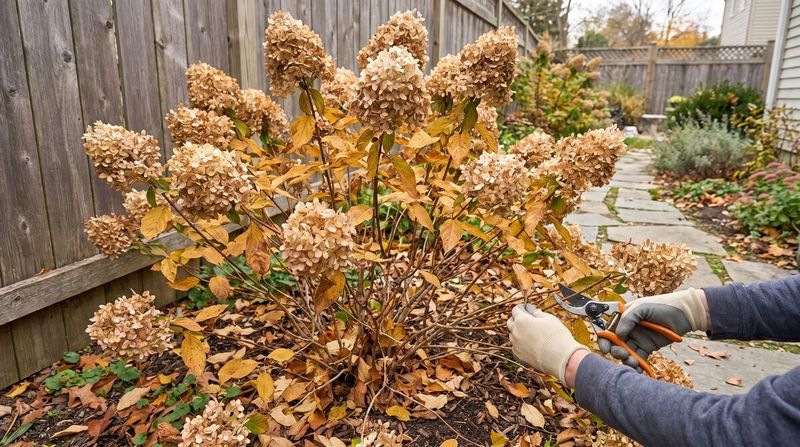
Your hydrangea looks scruffy in October, and the pruners are calling your name. Hold off for a minute, because some hydrangeas have already tucked next year’s flower buds onto their stems.
Whether a fall cut hurts or helps depends on which kind you grow. Here is how to tell, and what is safe to trim right now.
Fall cuts can remove buds already set on old-wood stems
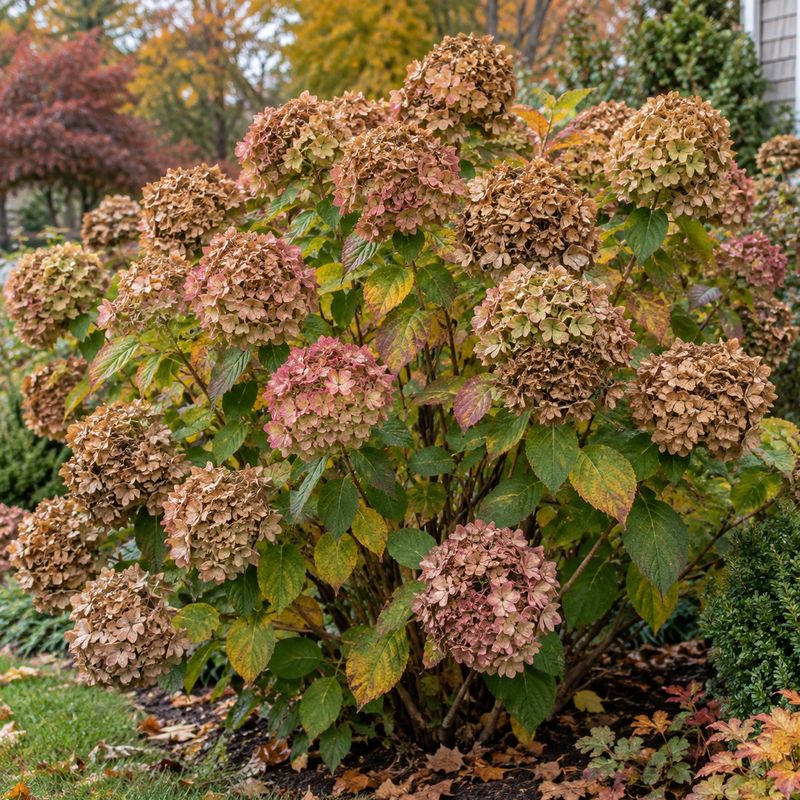
Some hydrangeas do their planning early. Bigleaf, oakleaf, and mountain types set flower buds during summer and fall on stems that grew this season.
Those stems become “old wood” once the season ends, and the buds ride along through winter before opening the following spring or summer.
Old wood simply means last season’s growth. It does not mean a stem that looks gray, woody, or dead.
A healthy green stem from this year counts, and it may be carrying next year’s flowers. University of Maryland Extension explains that cutting these live stems back removes the buds and can reduce the next round of blooms.
The risk applies to old-wood types, not to every hydrangea or every flower. A light trim may cost you only a few blooms, while a heavy cutback can wipe out much of the display.
UGA Cooperative Extension advises that bigleaf hydrangeas often need little routine pruning at all, which makes leaving them alone in fall a low-effort choice.
The pruning rule depends on which wood your hydrangea flowers on
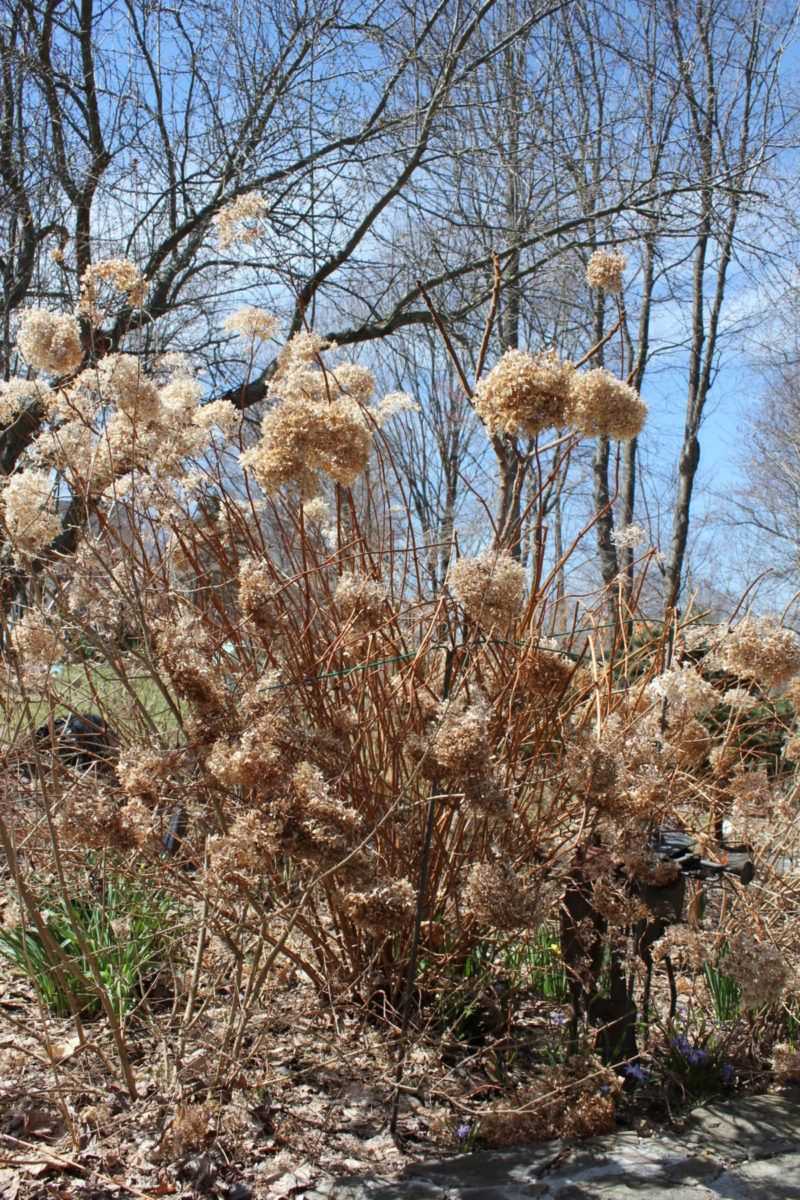
Bigleaf, oakleaf, and mountain hydrangeas are the old-wood bloomers. Their buds are already waiting on the stems by fall, so structural cuts at that point carry the most risk.
Smooth hydrangeas and panicle hydrangeas work differently. They bloom on new wood, which means their flowers form on growth that has not even appeared yet.
Fall pruning does not remove already-formed buds on these types the way it does on old-wood shrubs.
There is a wrinkle for reblooming cultivars. University of Maryland Extension notes that some bigleaf and mountain hydrangeas flower on both old and new wood.
Cutting them may cost you the earlier flush, and it can delay or shorten the reblooming period, yet it does not necessarily stop every later flower.
Think of reblooming types as a partial safety net, not a green light for hard pruning. If you do not know which group your plant belongs to, treat it as old wood until you confirm.
Flower shape alone cannot identify the pruning group
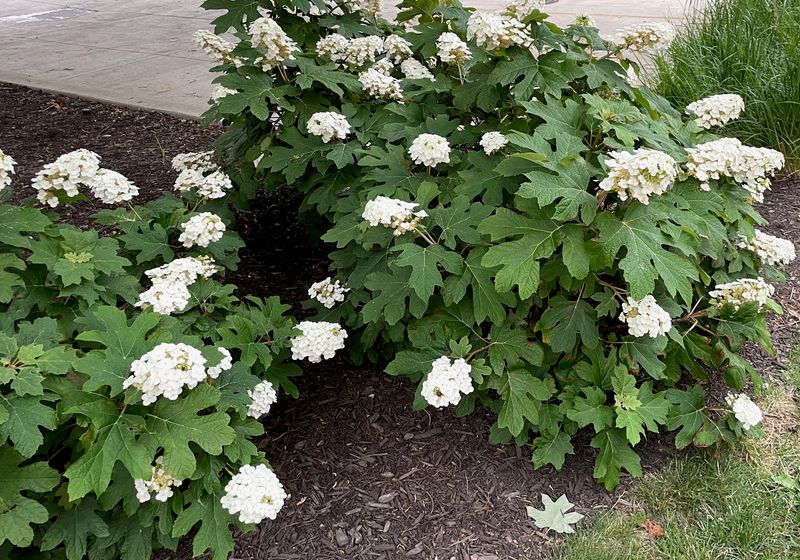
A quick glance at the blossoms can send you down the wrong path. Cone-shaped clusters show up on both oakleaf hydrangeas, which are old-wood bloomers, and panicle hydrangeas, which are new-wood bloomers.
Round flowerheads are not a sure sign of a mophead either, since smooth hydrangeas such as ‘Annabelle’ also have rounded blooms.
Look at the leaves instead. University of Illinois Extension points to oak-shaped leaves as the mark of an oakleaf hydrangea.
Panicle hydrangeas include cultivars such as ‘Limelight,’ so a plant tag with that name tells you a lot.
If the tag is long gone, check old purchase receipts, ask the nursery, or photograph the leaves, stems, and blooms and compare them with extension plant guides. University of Maryland Extension stresses identifying the species or cultivar before making structural cuts.
A few minutes of detective work beats a season without blooms.
In fall, remove damaged wood without cutting back healthy stems
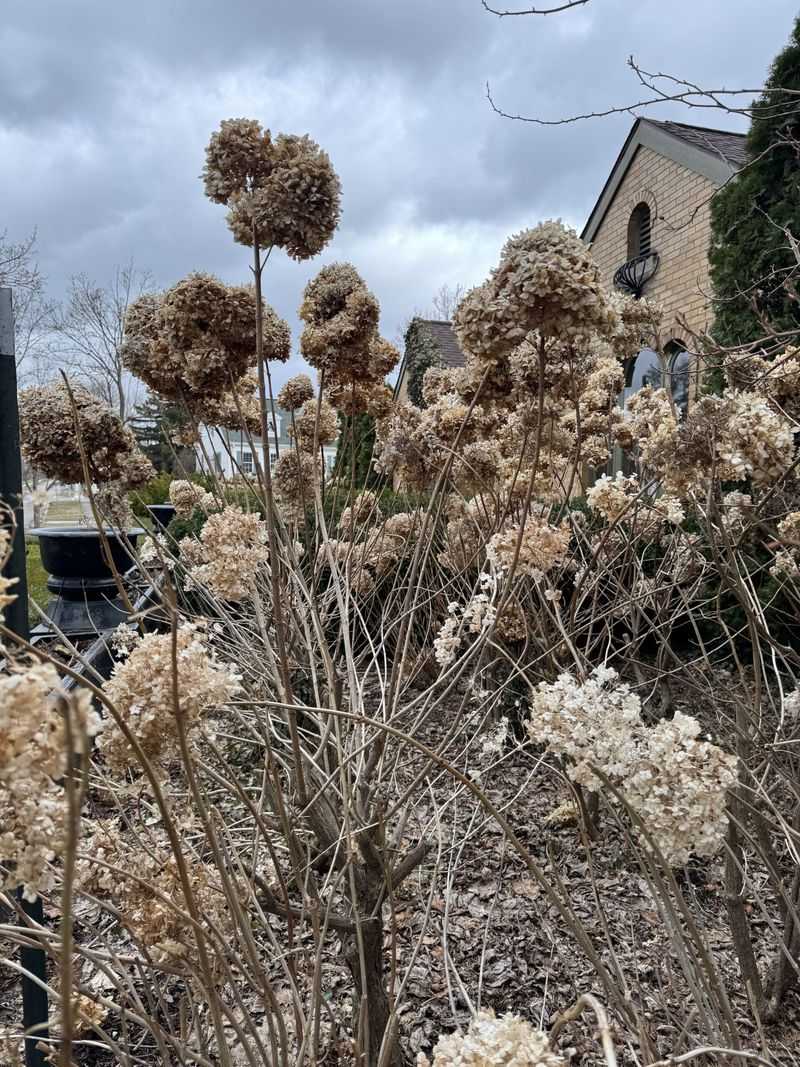
Fall cleanup does not have to be all or nothing. You can safely remove stems that are clearly dead, broken, or diseased.
Cut them back to healthy tissue or to the base, and leave the sound framework of old-wood shrubs standing.
Deadheading is optional. If faded flowerheads bother you, snip off only the flowerhead and avoid cutting down into the live stem, because buds may sit just below.
University of Maryland Extension describes this careful approach, and the plant stays healthy whether you tidy or not.
A stem that looks bare in fall may not be dead. Scratch a small spot with a fingernail, and if green shows underneath, leave it.
Wait until spring leaf-out if you are unsure.
Shaping, shortening, or hard pruning is a different job from cleanup. UGA Cooperative Extension cautions that pruning old-wood types at the wrong time can remove flower buds, so save those cuts for the right window.
Prune old-wood hydrangeas just after flowering, if needed
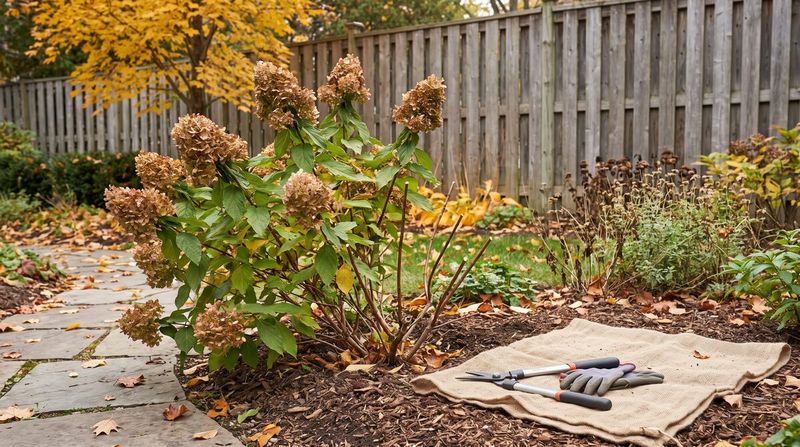
The best time to shape a bigleaf or oakleaf hydrangea is shortly after the blooms fade. That timing gives new growth a chance to develop before the plant sets next year’s buds.
UGA Cooperative Extension and University of Illinois Extension both point to this post-bloom window.
Notice the “if needed.” Many old-wood hydrangeas never require routine pruning. A shrub that fits its space can simply be left alone.
Florida gardeners get the same message. UF/IFAS Extension Nassau County warns that pruning bigleaf hydrangeas can mean few or no flowers the next May or June, and it suggests pruning after flowering while keeping productive old stems.
Bloom time shifts across Florida and Texas, so go by your own plant’s flowering rather than a fixed calendar date. When the show ends, that is your cue.
New-wood hydrangeas have a different pruning window
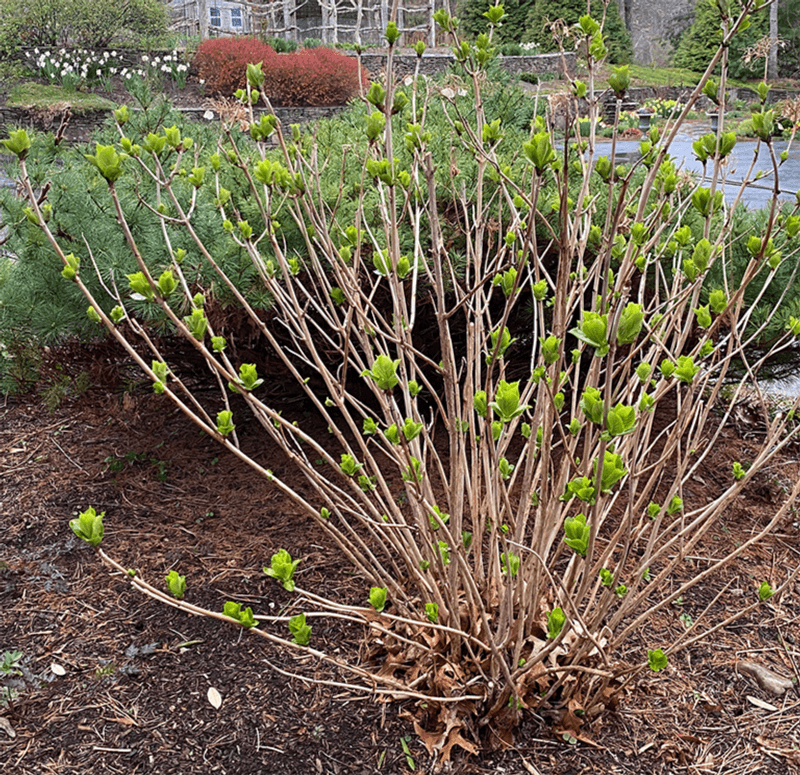
Smooth and panicle hydrangeas flower on growth they make this year. Because their buds have not formed on the overwintering stems, a fall cut does not take away already-formed flower buds the way it can on old-wood types.
Fall is still not the ideal pruning season. General extension guidance, including University of Maryland Extension, places pruning for these types in late winter or early spring, before new growth begins.
A UGA bulletin on ornamental plant care follows the same general approach.
Resist the urge to cut everything to the ground. Hard pruning does not guarantee bigger blooms, and pruning choices can change the size and number of flower clusters.
A modest trim to control height or remove weak stems is usually plenty.
In warm Southern winters, watch for swelling buds and prune before they open. Your local conditions set the timing.
A sparse display does not prove fall pruning was the cause
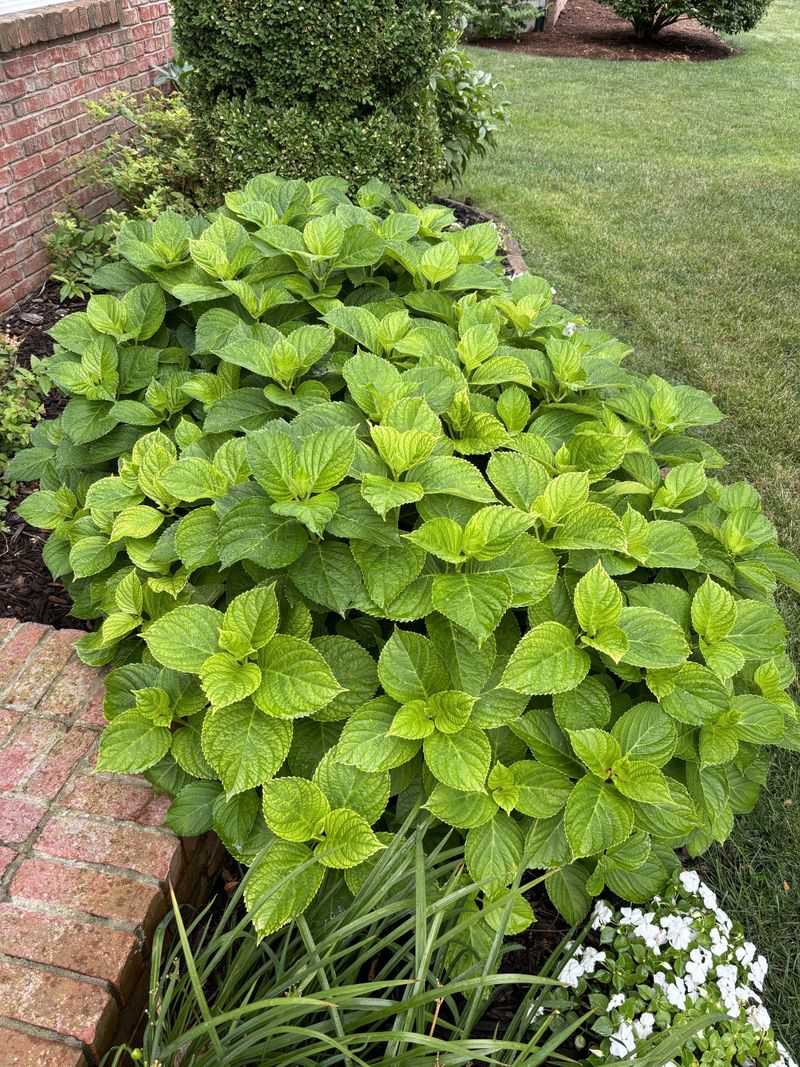
Few flowers can be frustrating, and pruning is an easy suspect. It is only one of several possible reasons, though.
UGA Cooperative Extension lists winter bud injury, excessive shade, and excess nitrogen as other documented causes of bigleaf hydrangeas failing to flower.
Run through a short checklist. Did a cold snap hit after buds formed?
Does the plant get very little sun? Has it been fed heavily with nitrogen, which can favor leaves over blooms?
Any of these may be at work, and sometimes more than one is.
Pruning history still matters. If you cut live stems on an old-wood type in fall, that may well explain a thin show, as University of Maryland Extension describes.
The plan going forward is simple: identify your hydrangea, protect its healthy old-wood stems in fall, and save structural cuts for the right window. A hydrangea rewards patience more than pruners.