
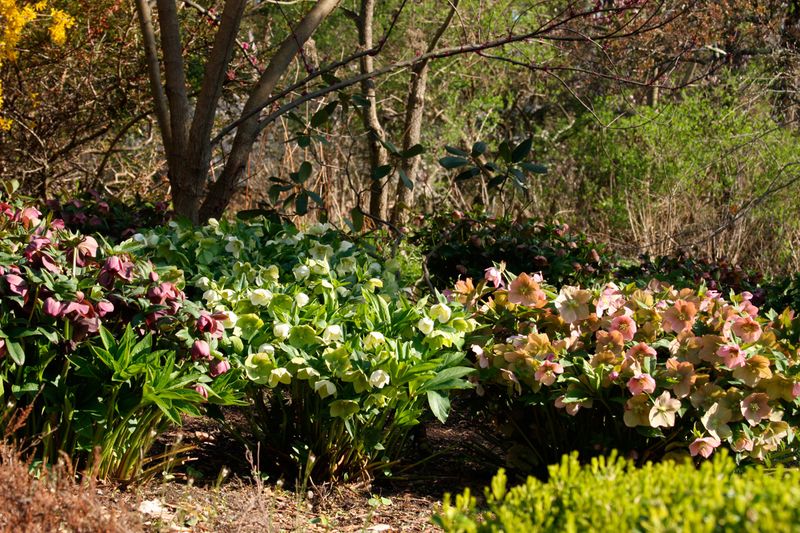
Picture a shady corner of your yard in the gray months, with glossy green leaves and nodding flowers where the bed used to look empty. Hellebores can make that picture real, and fall is one good time to get them in the ground.
They do not follow a strict calendar, though, so a little planning helps. Here is how to choose a spot, plant with care, and set realistic hopes for bloom time.
Fall is a planting option, not a November deadline
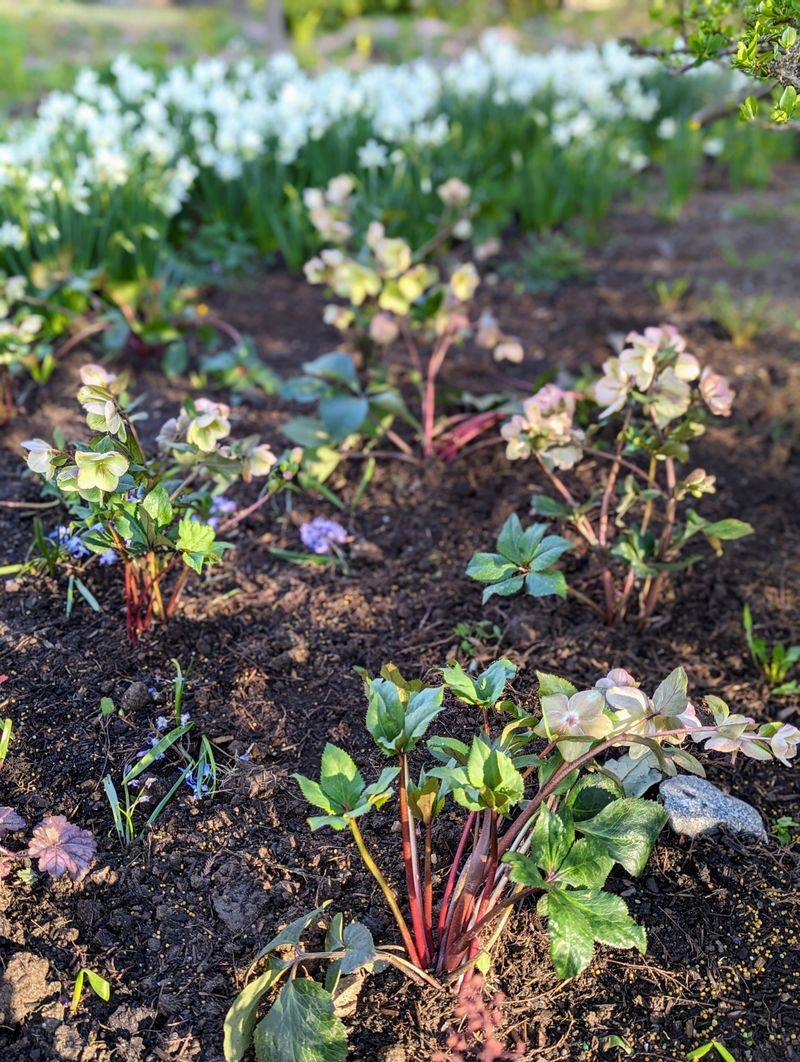
Plenty of gardening advice puts a hard deadline on hellebores, but there is no universal cutoff date. University of Vermont Extension says hellebores may be planted in spring or fall, so you have room to work with.
Fall is a good season for this job because the plants can settle in while the weather cools and the garden slows down. For Texas and Florida readers, the best move is to plant when your local soil and weather are workable, not to chase a date on the calendar.
Cooler, damp days are easier on a new root system than a hot spell.
Winter flowers are the hoped-for reward, not a promise. Bloom time depends on the kind of hellebore you buy and where you put it.
Evergreen foliage may be the first thing you enjoy, with flowers following when the plant is ready.
Choose light or partial shade and prepare well-drained soil
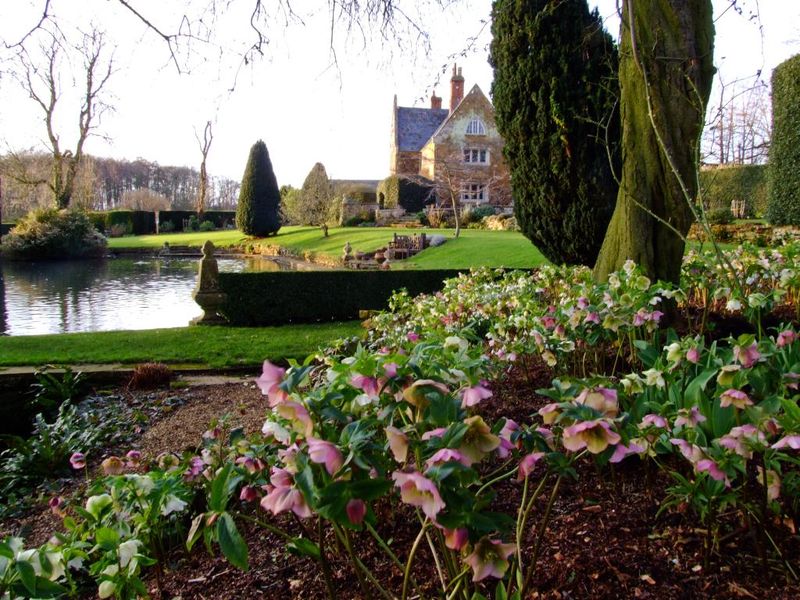
Think dappled light, like the ground beneath a high tree canopy, rather than the darkest corner beside a wall. Hellebores prefer light or partial shade, and deeper shade can mean fewer flowers.
A spot that gets gentle morning sun or filtered light through the day is a smart place to start.
N.C. State Extension notes that these plants generally do best in organically rich, well-drained soil.
Mixing compost into the bed before planting is a simple way to build that kind of soil. Soggy ground is a real problem, because wet roots risk rot.
A quick test helps. After a heavy rain, check the bed an hour or two later, and if water still stands there, pick a higher spot or build the area up a bit.
The New York Botanical Garden also points to good drainage and light shade as keys to success. Shade alone does not guarantee flowers, so the soil matters just as much.
Keep the crown uncovered when planting
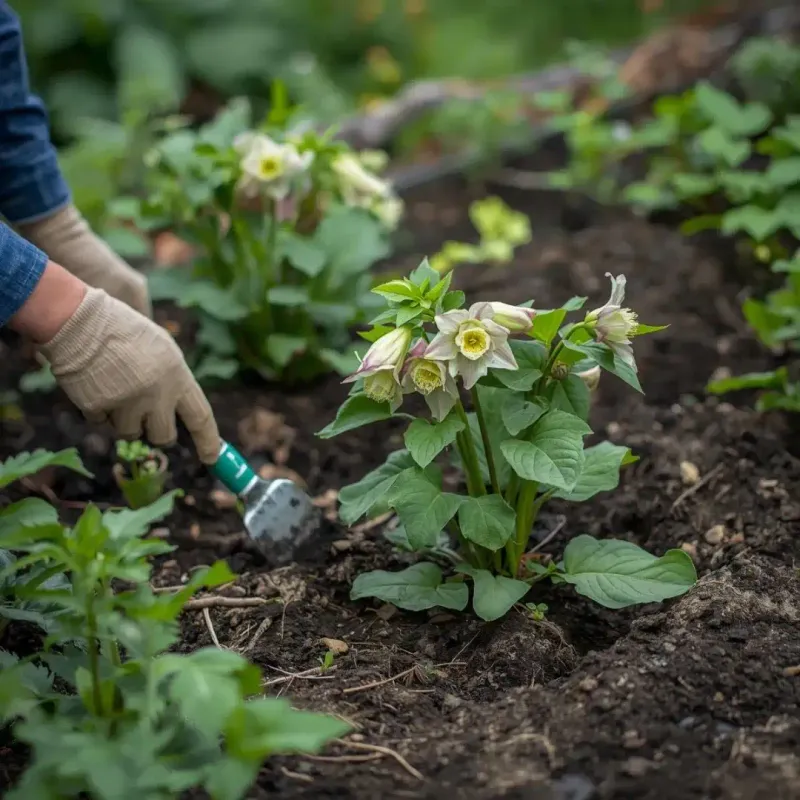
The crown is the spot where the stems meet the roots, and it should stay visible. The New York Botanical Garden advises against burying the crown, since planting too deeply can reduce flowering.
A plant set too low may still grow leaves but hold back on blooms.
Rather than chasing a measurement, use the pot as your guide. Set the plant so its soil line in the nursery container sits level with the surrounding bed, then firm the soil around the roots.
If you see the crown disappearing under mulch or soil, gently pull the material back.
Water after planting, then keep the soil lightly moist. Think of a wrung-out sponge, damp but never dripping.
Waterlogged soil is a problem, so ease off if the bed stays wet for days.
Bloom timing varies among hellebores and locations
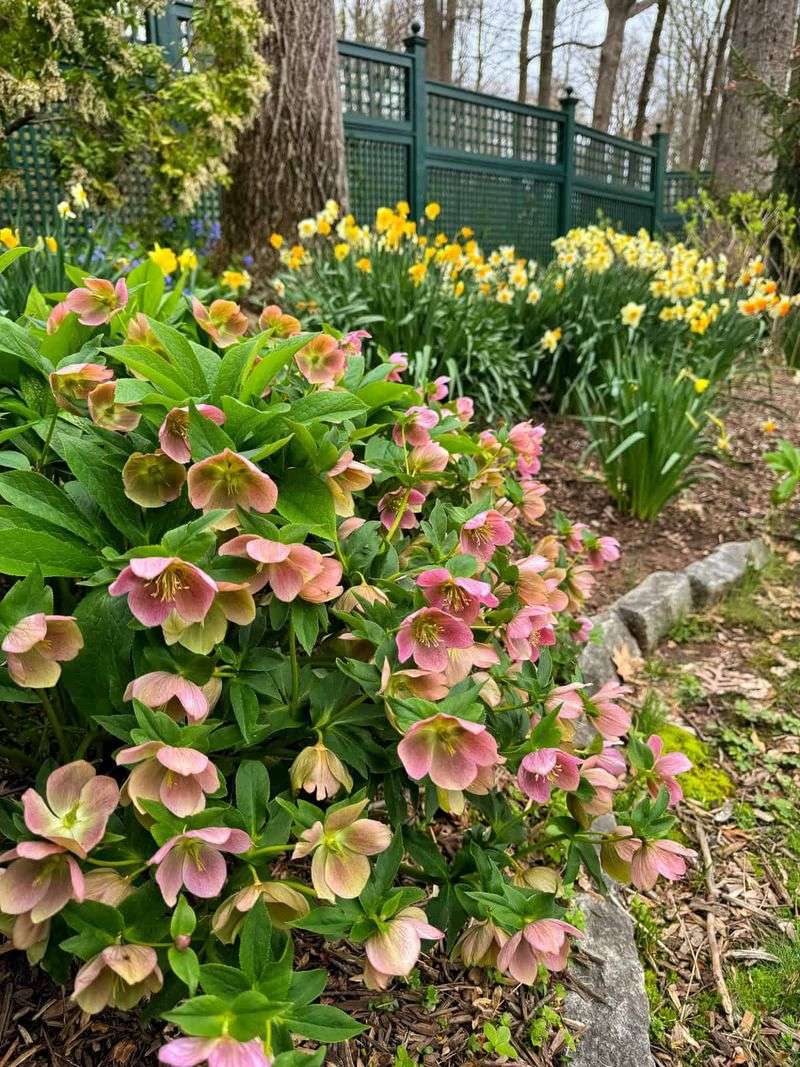
Ask five gardeners when their hellebores bloom and you may get five answers. N.C.
State describes the flowers as usually appearing in late winter into early spring. The New York Botanical Garden gives a wider window, from late November through spring, depending on the plant and location.
Part of the reason is that hellebore is a group, not one plant. Christmas rose and Lenten rose are different, so one should not be used to predict the other.
When you read a bloom claim, look for the species or hybrid name, and check the plant tag when you shop.
Your own yard adds another layer. A sheltered bed, a cold snap, or a milder pocket near the house can all shift the show.
Plan for a range of weeks, not a single date, and treat early flowers as a pleasant bonus.
Denton County’s Lenten rose is a regional Texas example
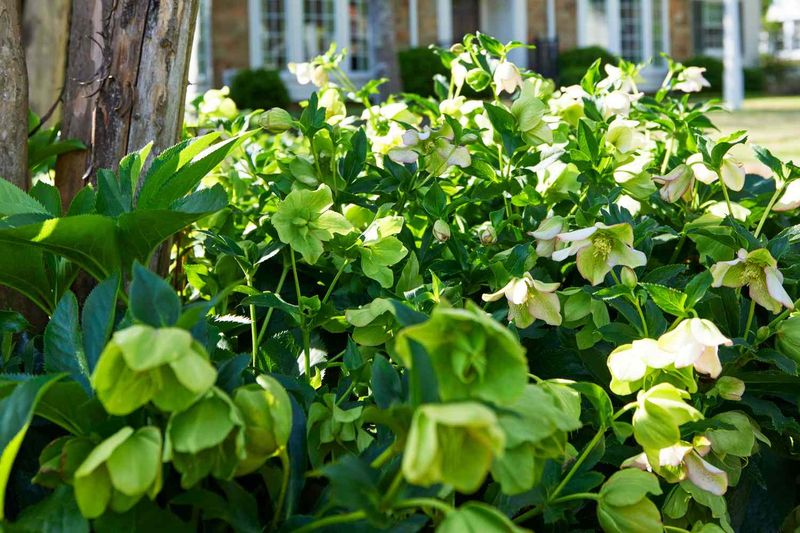
For a close-to-home look at Texas conditions, a Denton County Master Gardener fact sheet tied to Texas A&M AgriLife covers Lenten rose, Helleborus x hybridus. It lists the plant as evergreen, shade-preferring, and blooming from winter through early spring.
Heat tolerance is rated medium.
That is useful for gardeners in North Texas, but it is a regional example. It does not prove the same results for every part of Texas, where climates range from dry to humid and from cool to hot.
It also does not show that hellebores will reliably thrive across Florida, especially in its warmer parts.
Treat the sheet as a starting point. If you garden elsewhere in the South, ask your local extension office or a nearby nursery which hellebores have done well in your area.
Seed-grown hybrids may take two years to bloom
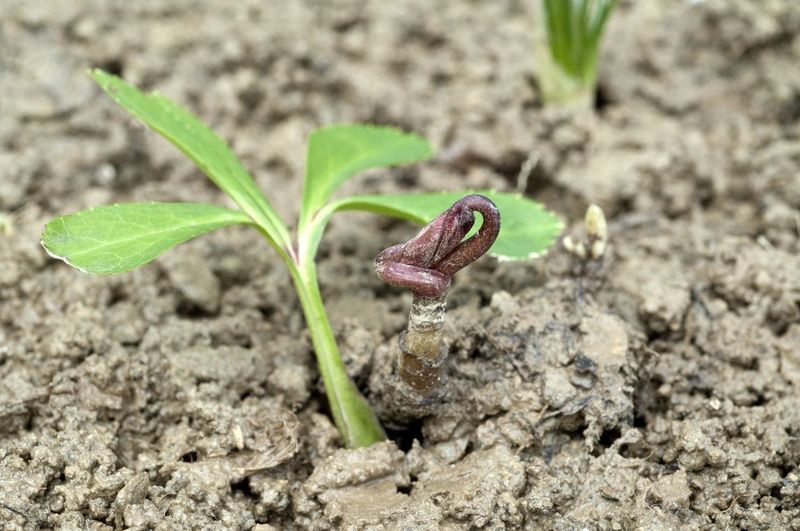
Patience is part of the deal with some hellebores. N.C.
State says seed-grown hybrid hellebores can take two years to bloom. A young plant may spend its early months building leaves and roots before it sends up a single flower stem.
This is one more reason a planting month cannot promise a winter show. Even a perfect fall planting date does not make a plant flower the following winter.
If you start from seed or buy a small seedling, expect a longer wait.
If you want to know what to expect, read the tag or ask the grower how the plant was raised and how mature it is. Then give it time, keep the soil lightly moist, and enjoy the foliage while the plant gets established.
Handle hellebores carefully around people and pets
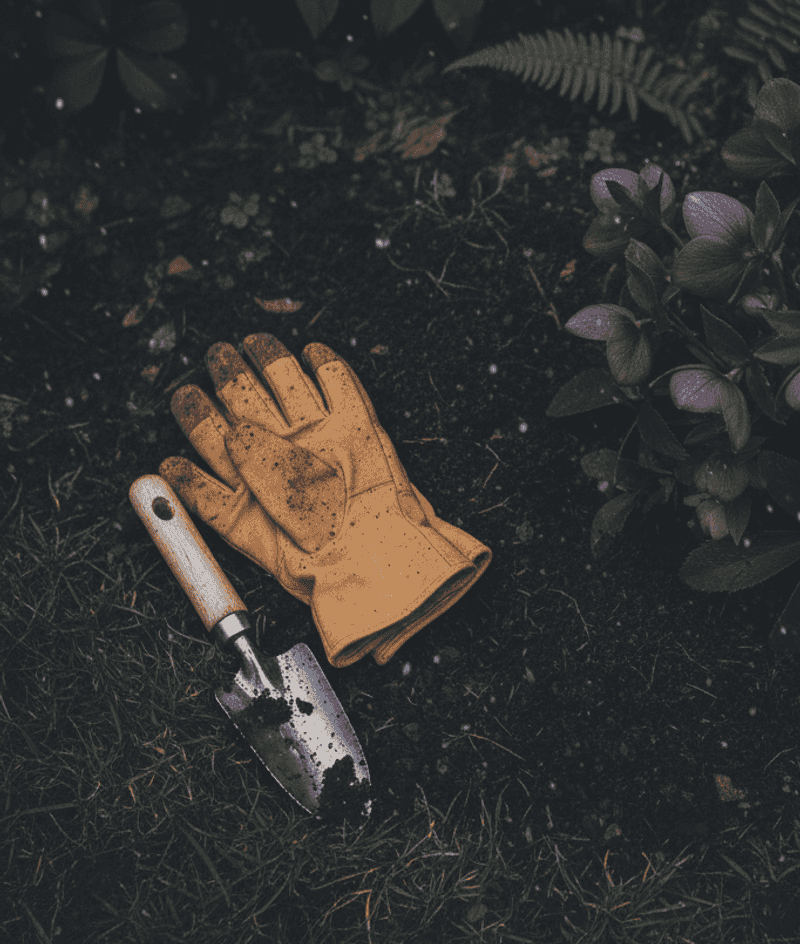
Pretty plants can still be risky. University of Vermont Extension warns that hellebores are poisonous if ingested and that the sap may irritate skin.
Gloves and long sleeves are a smart choice when you plant, divide, or trim them.
Pets deserve thought too. The ASPCA lists H. niger, the Christmas rose, as toxic to dogs, cats, and horses.
That listing is for that species, but it is wise to be careful with any hellebore you grow.
Place plants away from spots where dogs dig or chew, and keep clippings out of reach. If a pet eats part of one, call your veterinarian for advice right away.
Wash your hands after working with the plants.
Plan for winter interest without a guaranteed bloom date
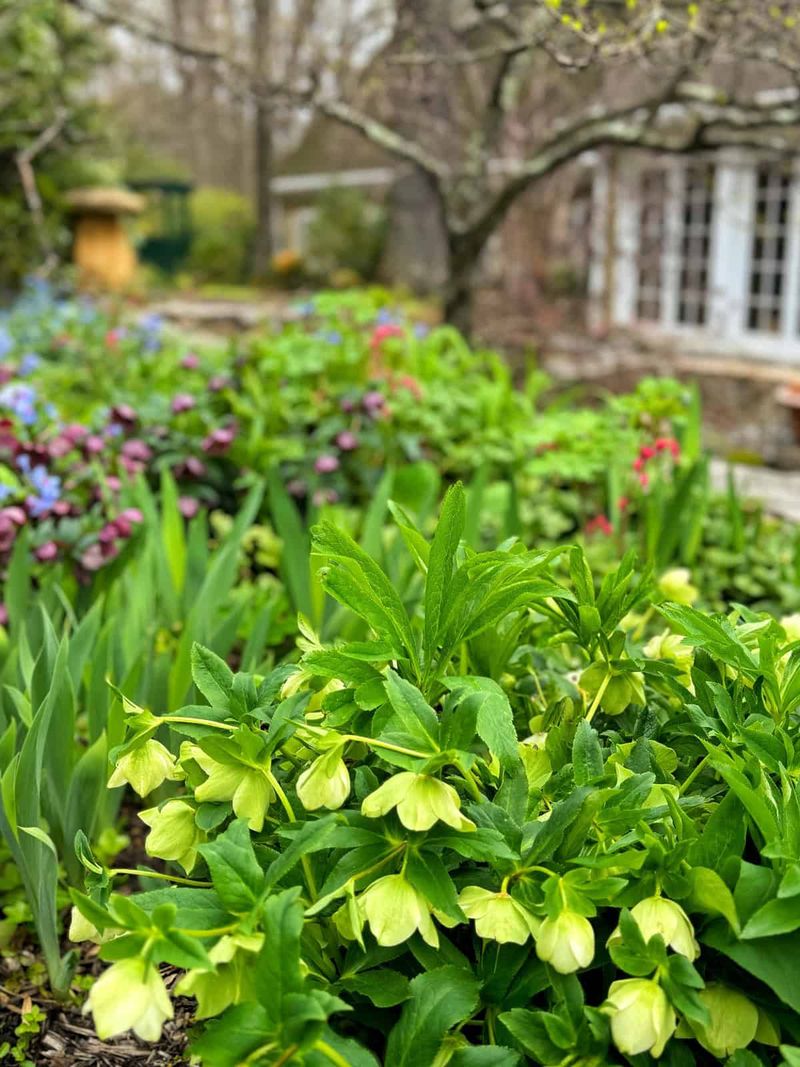
Pick a partly shaded bed with soil that drains well, and plant in a fall or spring window that suits your area. UVM Extension allows either season, and the New York Botanical Garden notes that bloom time varies with the plant and location.
Count the evergreen leaves as the steady part of the picture, and treat the flowers as a bonus that arrives on the plant’s own schedule.
Some winters the show starts early, and some years it waits for you to stop checking.