
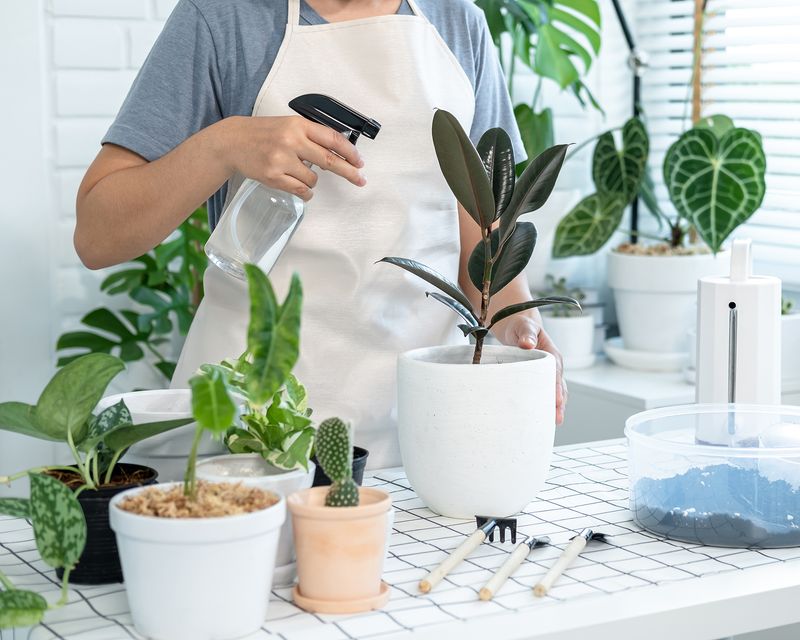
Your porch plants spent all summer soaking up North Carolina sun, and now cooler nights are coming. Before you carry those pots indoors, there is one step that can save every houseplant you own.
Bugs like aphids, spider mites, and mealybugs love to hitch a ride inside, and once they settle in, they spread fast in warm, dry rooms. A simple check-and-quarantine routine done this weekend can keep your indoor jungle healthy all winter.
1. Inspect, Clean, and Quarantine Every Pot Before It Comes Indoors
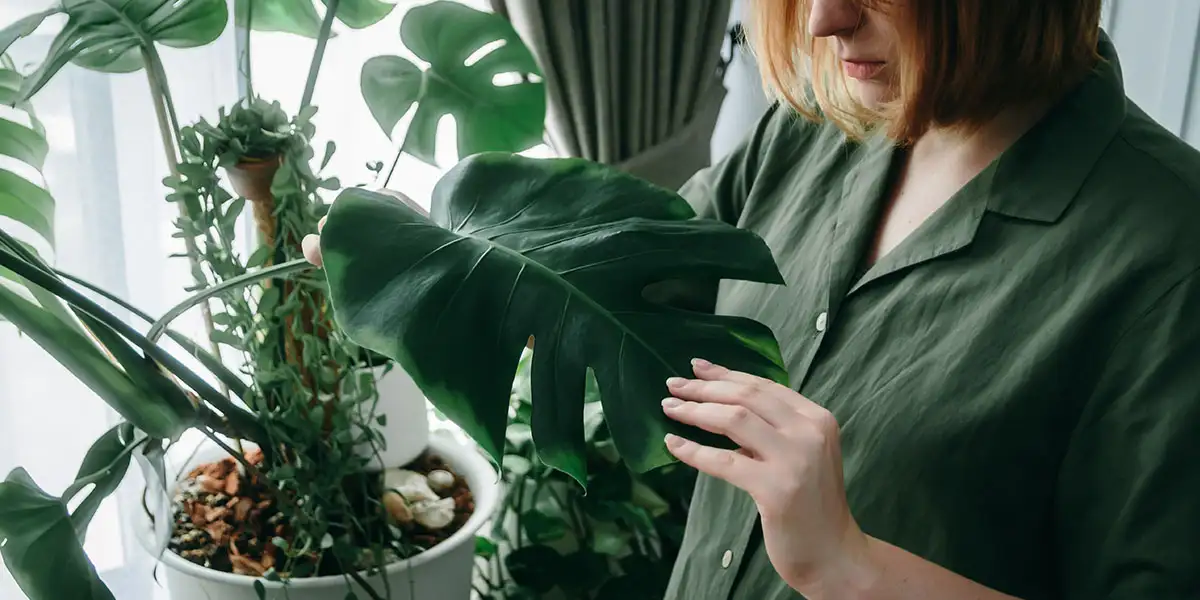
Picture a single mealybug riding in on your favorite fern, then quietly moving to the pothos, the peace lily, and the orchid on the windowsill. By January, you could be fighting pests in every room.
The fix is a three-part habit: inspect, clean, and isolate.
Start with a close look, ideally on a dry afternoon. Flip leaves over and check stems, leaf joints, and the soil surface for sticky residue, fine webbing, tiny white fluff, or moving specks.
Tip the pot out of its container if you can, since slugs, ants, and even small anoles sometimes tuck themselves underneath.
Next comes a gentle cleanup. A steady spray from the hose can knock off many soft-bodied insects, and insecticidal soap or neem oil may help reduce any that remain.
Soaking the pot in a tub of water for about 15 minutes can also push out bugs hiding in the soil.
Finally, give the plants a two- to three-week quarantine in a spare room, garage with light, or a spot away from other houseplants. Problems that slipped past you often show up during this time, so check again every few days.
Timing matters across the state. Mountain gardeners often see first frost in early to mid October, the Piedmont typically around late October, and the coastal plain closer to November.
A good rule is to start once nights dip near 50 degrees, which gives tropical plants time to adjust before the chill hits.