
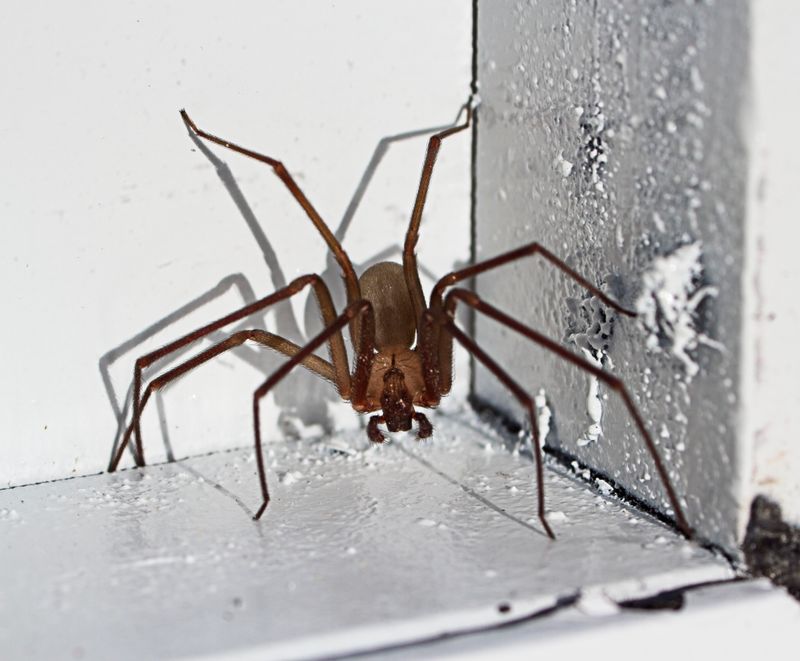
When the first cool front rolls through Central Texas, a lot of us head outside to tidy up, haul out decorations, and stack firewood. Brown recluse spiders notice those changes too, and some of our favorite fall chores hand them shelter right next to the house.
These shy spiders rarely bite, but nobody wants one tucked inside a shoe or a box of sweaters. Here are the everyday fall habits that may be rolling out a welcome mat, plus simple fixes you can start this weekend.
1. Stacking Firewood Against the House
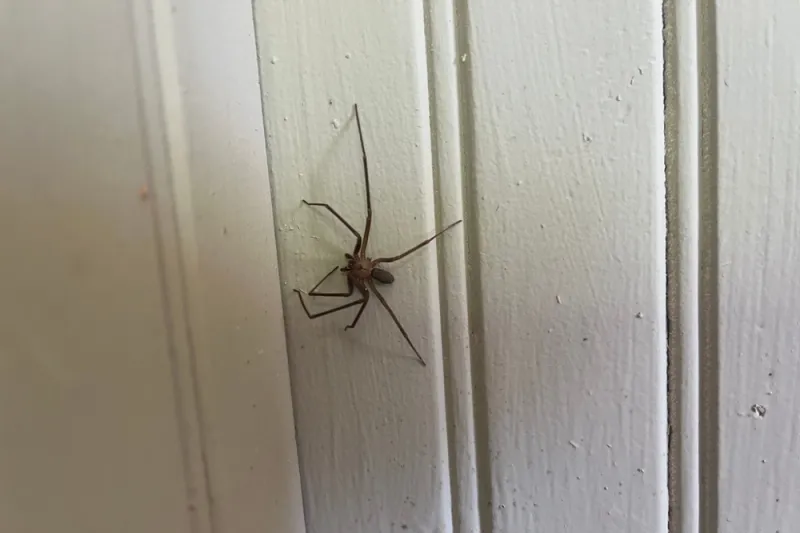
Nothing says a Hill Country fall like a tidy pile of oak waiting for the first chilly night. Trouble is, a woodpile pressed against your siding is basically a high-rise apartment for brown recluses.
Dark gaps, dry bark, and plenty of crickets and roaches to eat make it ideal.
Move the stack at least 20 feet from the house if you can, and lift it off the ground on a metal rack. Bring in only what you will burn that day, and give each log a knock before carrying it inside.
Wear leather gloves when you grab wood. Recluses tend to bite when pressed against skin, so a quick barrier goes a long way.
2. Hauling Holiday Boxes Out of the Garage
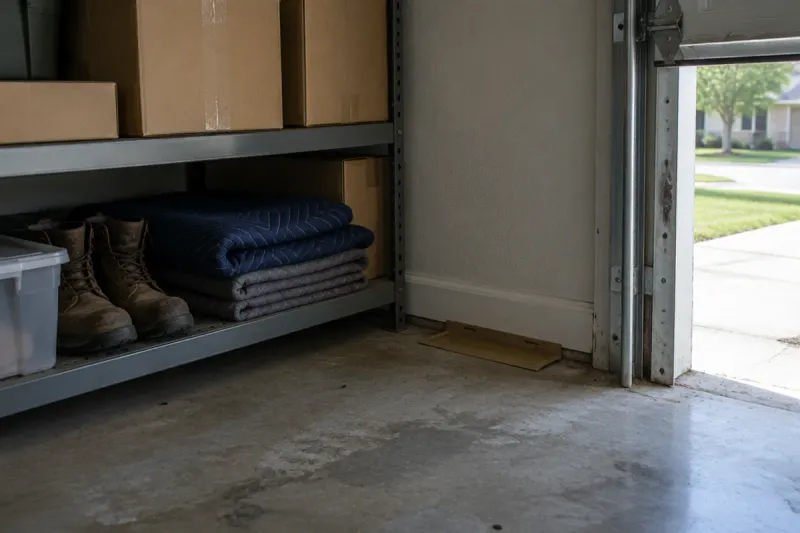
Picture this: you open the Halloween bin, reach for the plastic skeleton, and something brown scuttles across your wrist. That scene plays out in plenty of Austin and Waco garages every October.
Cardboard boxes that sat untouched since last year are exactly the kind of quiet, cluttered spot recluses love. The corrugated layers even give them tiny tunnels to hide in.
Carrying those boxes straight into the living room can move spiders right along with them.
Open boxes outdoors or in the garage first and shake items out. Over time, swap cardboard for clear plastic bins with snug lids, which may help reduce hiding spots and let you spot trouble before you reach in.
3. Leaving Leaf Piles and Mulch Against the Foundation
Raking is satisfying. Leaving the pile against the foundation until next weekend is less so, at least from a pest point of view.
Deep leaf litter and heavy mulch hold moisture and shelter crickets, silverfish, and other insects that recluses hunt. A banquet sitting inches from your weep holes and door gaps is an easy invitation.
Pecan and live oak leaves can pile up fast here, so the problem grows quickly.
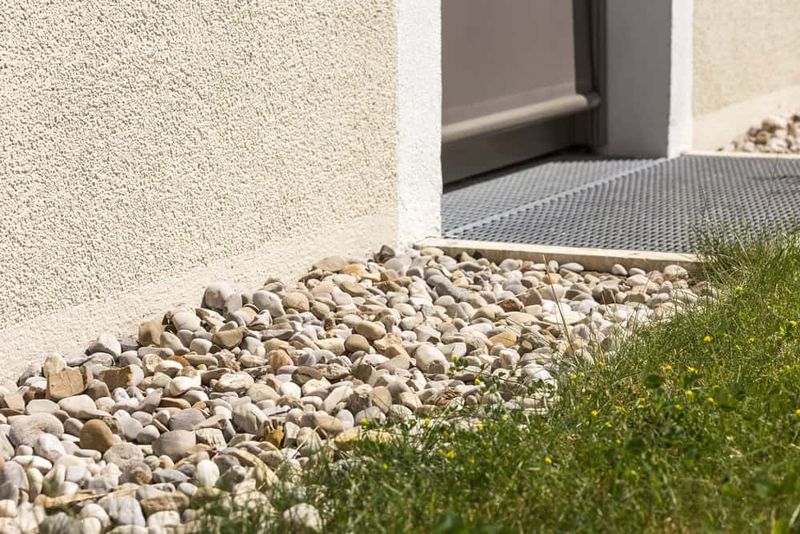
Keep a strip of 12 to 18 inches next to the slab clear, or use gravel instead of bark mulch right along the edge. Bag leaves or move them to a compost spot well away from the house.
Your flower beds still get their mulch, just not snug against the bricks.
4. Bringing Potted Plants Indoors Without a Check
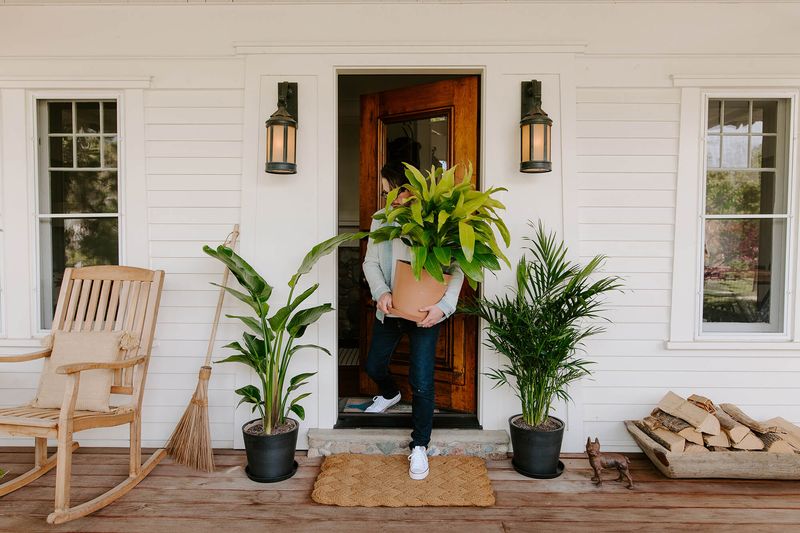
Your hibiscus and bougainvillea survived a triple-digit summer, and now you want to protect them from the first freeze. Smart move.
Just remember that a pot sitting on the patio for months has a dark, dry underside that a spider may call home.
Before hauling anything inside, tip each container and check the drainage holes, saucers, and the gap between pot and plant stand. A garden hose spray around the outside of the pot helps flush out hitchhikers.
Fun fact: brown recluses can survive months without food. A pot that sits in a sunroom all winter could keep a stowaway going until spring.
5. Leaving Shoes and Boots on the Porch
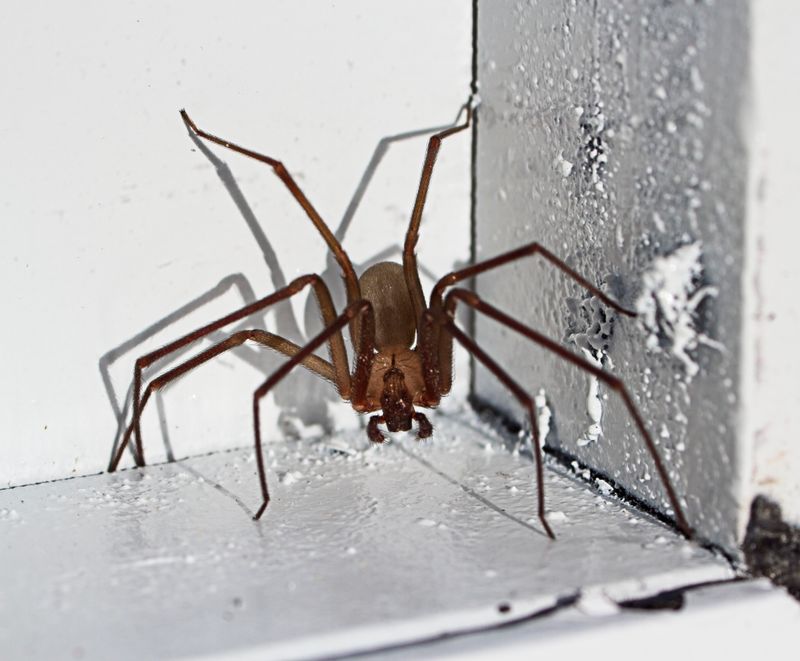
Grandpa always banged his boots on the step before pulling them on, and he had a good reason. Footwear left outside overnight is a favorite tucked-away spot for recluses looking for a dark crevice.
Fall mornings make this worse. As temperatures dip, spiders seek snug pockets, and a garden clog or boot is about as snug as it gets.
Store shoes indoors on a rack or in a closed bin. If they must stay on the porch, shake them out hard and peek inside before slipping a foot in.
It takes five seconds and saves a lot of worry.
6. Ignoring Gaps Around Doors and Weep Holes
Hold a flashlight outside your door at night while someone stands inside. If light pours through the bottom, insects and spiders can slip through too.
Summer heat often cracks caulk and warps weatherstripping across Central Texas. By fall, many homes have small openings around doors, windows, pipes, and utility lines.
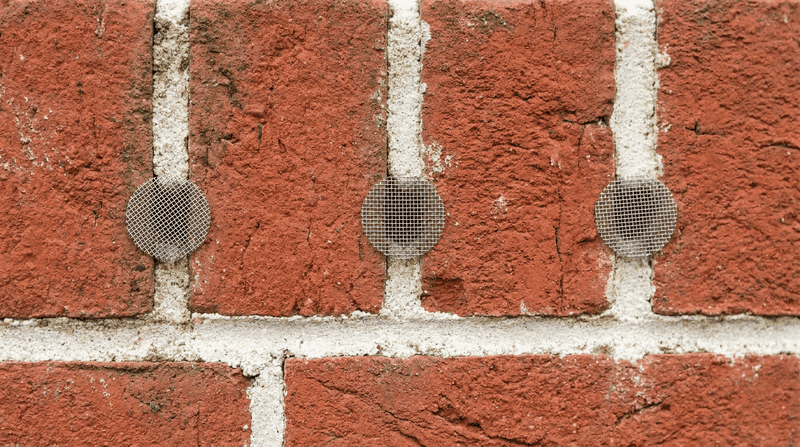
Weep holes in brick are needed for drainage, but you can fit them with mesh covers made for the job.
Replace tired door sweeps, refresh caulk, and seal around plumbing entries. Sealing can reduce how many spiders wander in, though it will not guarantee a spider-free home.
It also cuts drafts, which your energy bill will thank you for.
7. Turning Off the Porch Light Routine for Bright All-Night Bulbs
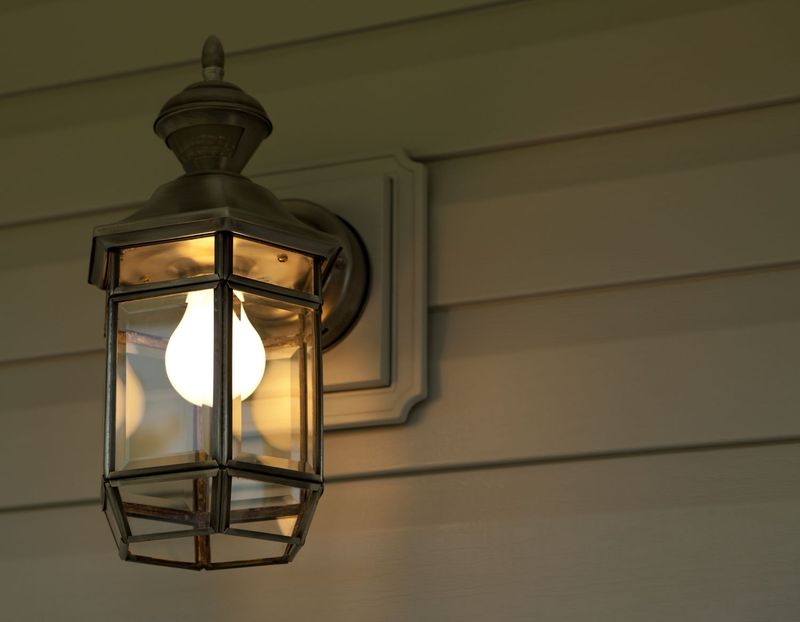
Longer nights mean porch lights burn longer, and that matters more than you might think. Bright white bulbs draw moths, beetles, and crickets in big numbers.
Recluses do not care about the light itself. They care about the buffet it attracts.
More bugs gathered by your door means more reasons for a hunting spider to settle nearby.
Try warm yellow bug-light bulbs or motion-sensor fixtures so lights run only when needed. Fewer insects at the entry may mean fewer predators following them inside.
8. Letting Attic and Closet Clutter Pile Up
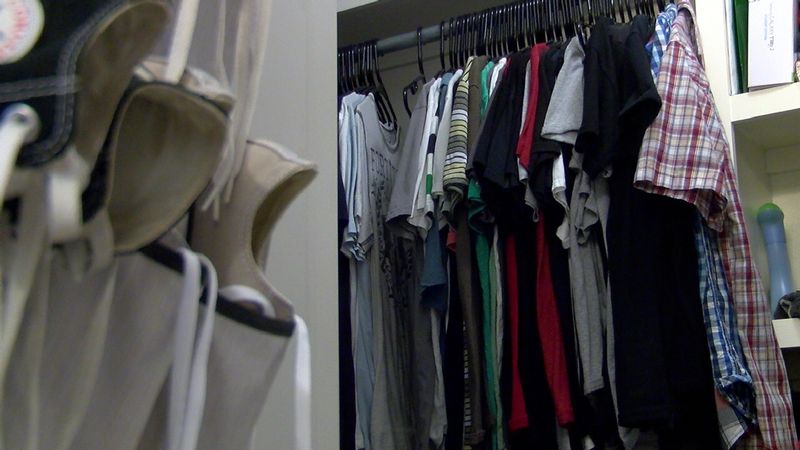
Brown recluses earned their name honestly. They like rooms and corners people rarely disturb, which describes the back of most closets and nearly every attic.
Fall is when we pull sweaters and blankets out after months of storage. Items folded in a dark closet since March deserve a shake before you wear or use them.
Toss them in the dryer on high for a few minutes if you have any doubt.
Thinning out clutter makes a real difference. Fewer piles on the floor means fewer hiding spots, and sticky traps placed along baseboards can show you whether spiders are present at all.
9. Skipping Fall Yard Cleanup of Rock Piles and Lumber
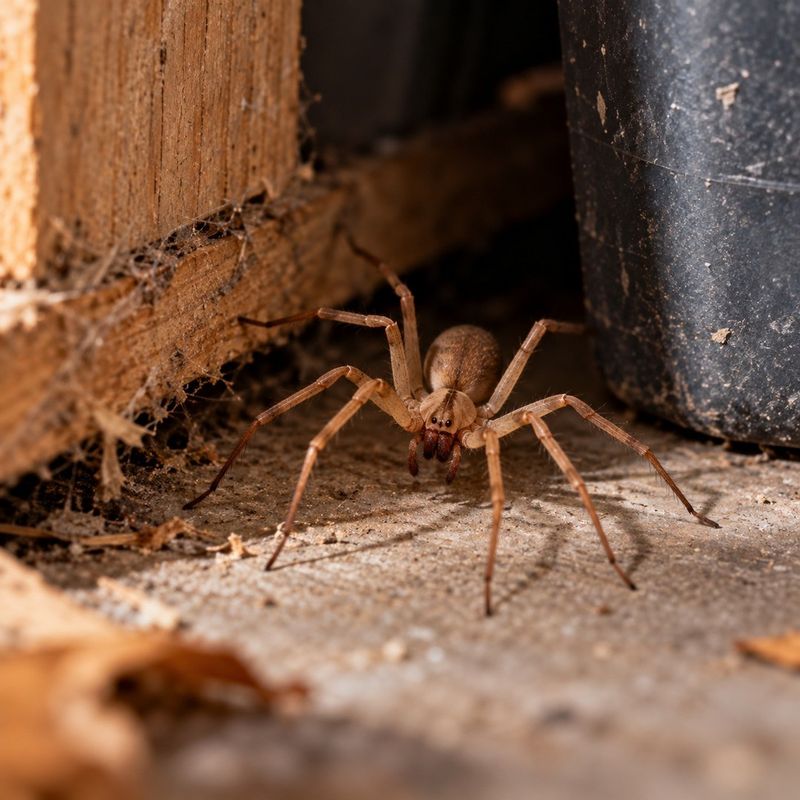
Most Hill Country yards have one: a stack of leftover limestone from a garden bed project, or a few boards behind the shed. They seem harmless, almost decorative.
Those piles stay undisturbed for years, which is exactly what recluses want. In rural and suburban Central Texas, outdoor rock and lumber piles are among the most common places these spiders live.
Use cooler fall days to haul off old boards and either use the rocks or move them far from the house. Wear gloves and long sleeves while you work.
The yard looks cleaner, and spiders lose a launching pad close to your walls.
10. Cutting Back on Routine Pest Control Once It Cools Off
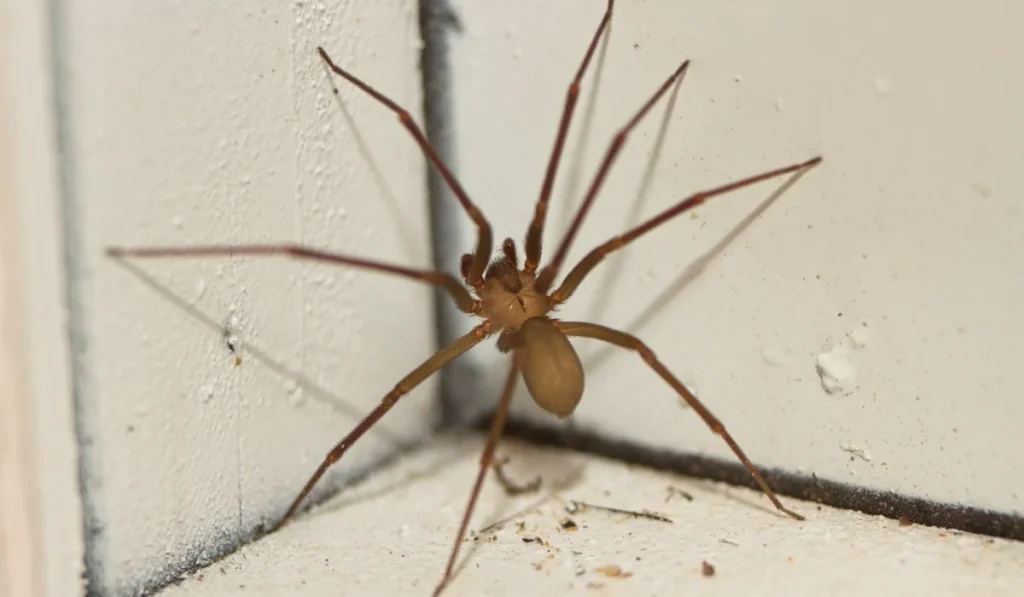
Once summer bugs fade, it feels natural to relax. But fall is when many insects and spiders start moving toward warmer shelter, so this is a poor time to stop paying attention.
Keep up simple habits: vacuum corners and under furniture, sweep webs from eaves, and check sticky traps monthly. Controlling roaches and crickets cuts the food supply recluses rely on.
If traps keep catching recluses, call a licensed pest professional familiar with Central Texas homes. Sprays alone may not solve a heavy problem, since these spiders hide well.
Pairing professional help with cleanup and sealing usually works better than any single step.