
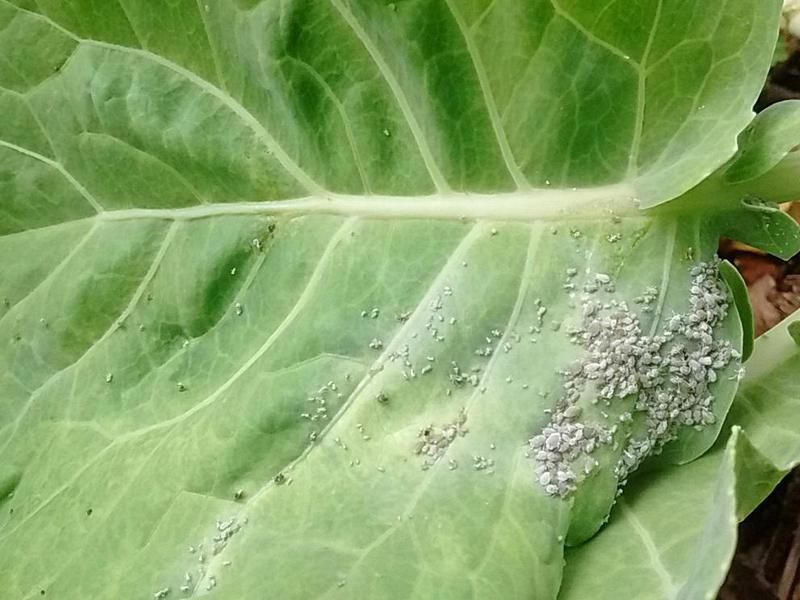
You flip over a collard leaf and find a gray, fuzzy-looking crowd tucked along the underside. The leaf may feel sticky, and the new growth may be curled up tight.
Those clues often point to cabbage aphids, but holes in the leaves tell a different story. Here is how to sort out what is happening and what to do first.
Gray colonies under collard leaves can fit a cabbage-aphid diagnosis
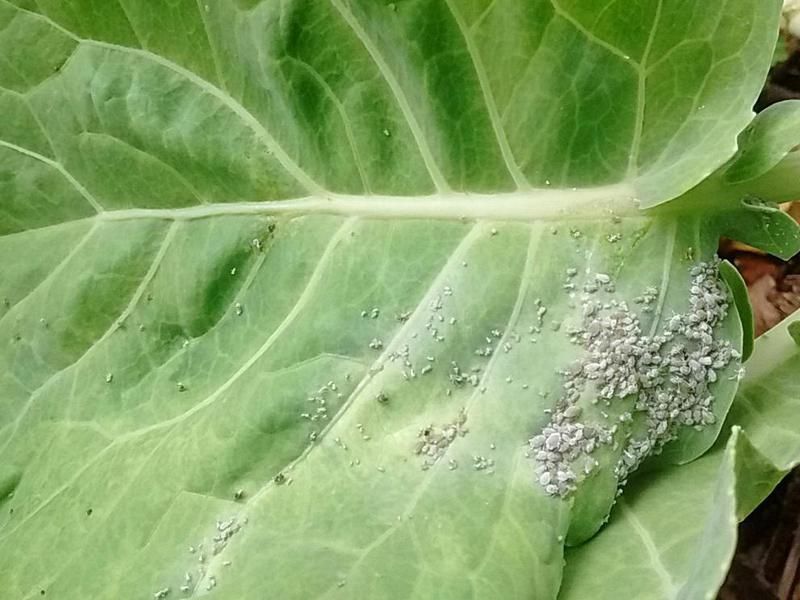
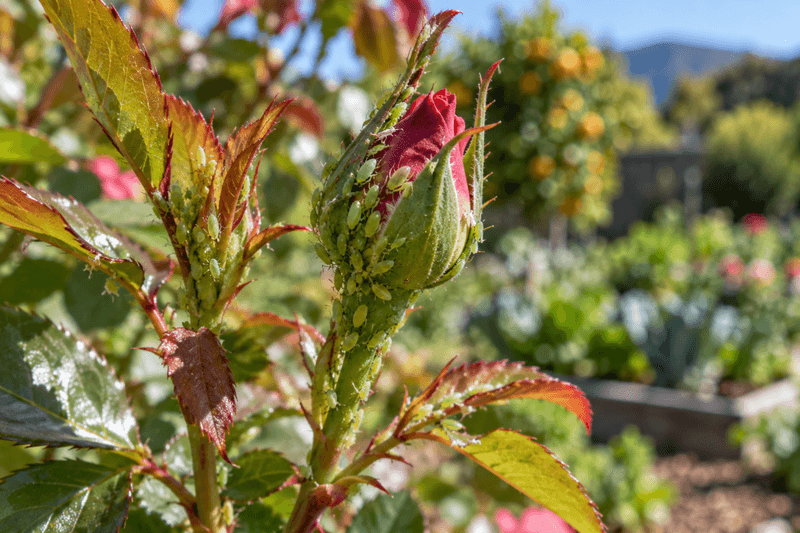
Start your search where aphids like to hide: the undersides of leaves, inside folds, and around tender new growth at the center of the plant. Cabbage aphids are small, green-gray insects covered in a white or gray waxy coating, and that coating is what makes a colony look gray.
NC State Extension’s crucifer pest guide lists collards among the crops these aphids colonize.
Two other clues help build the case. Sticky honeydew on leaves, which is sugary waste the aphids leave behind, is one.
Curled, cupped, or distorted growth is the other, since feeding can twist young leaves and stunt the plant, as described in UF/IFAS cabbage aphid information.
Color alone does not settle it. A gray cluster is a clue, not proof, so look closely for tiny bodies that move or crowd together on the leaf.
Some gray lumps turn out to be something else, which comes up again in the soap section.
Holes point to chewing damage, not aphid feeding
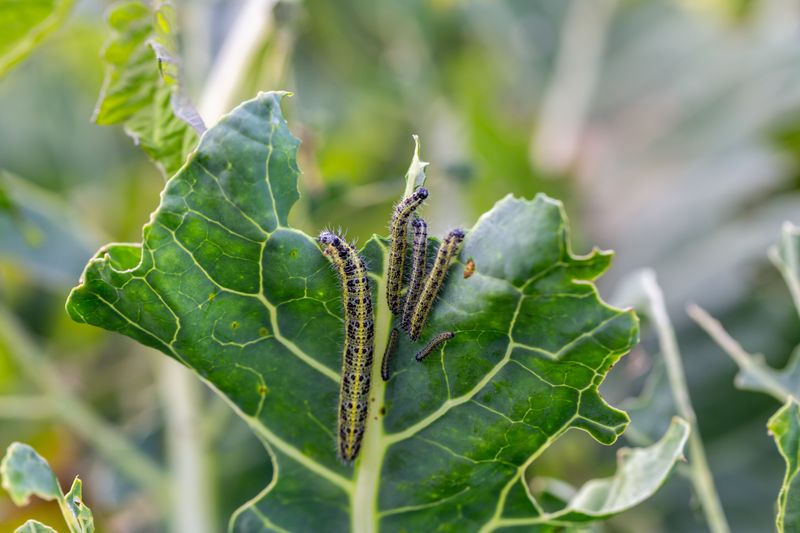
Ragged holes are a separate puzzle. Aphids pierce the leaf and suck sap, so they do not chew pieces out of it, a point made clearly in North Carolina Cooperative Extension aphid guidance.
If your collards have holes, something else is likely chewing.
Likely suspects include leaf-feeding beetles and caterpillars. UF/IFAS Gardening Solutions lists aphids, beetles, and caterpillars as collard pests, so a plant can have more than one problem at once.
Check the tops and bottoms of the damaged leaves, plus the soil line, for green caterpillars, small beetles, and dark droppings. Do this inspection on its own, apart from your aphid search.
Treating every damaged leaf as an aphid problem can leave the real chewer free to keep feeding.
Winter persistence depends on location and conditions
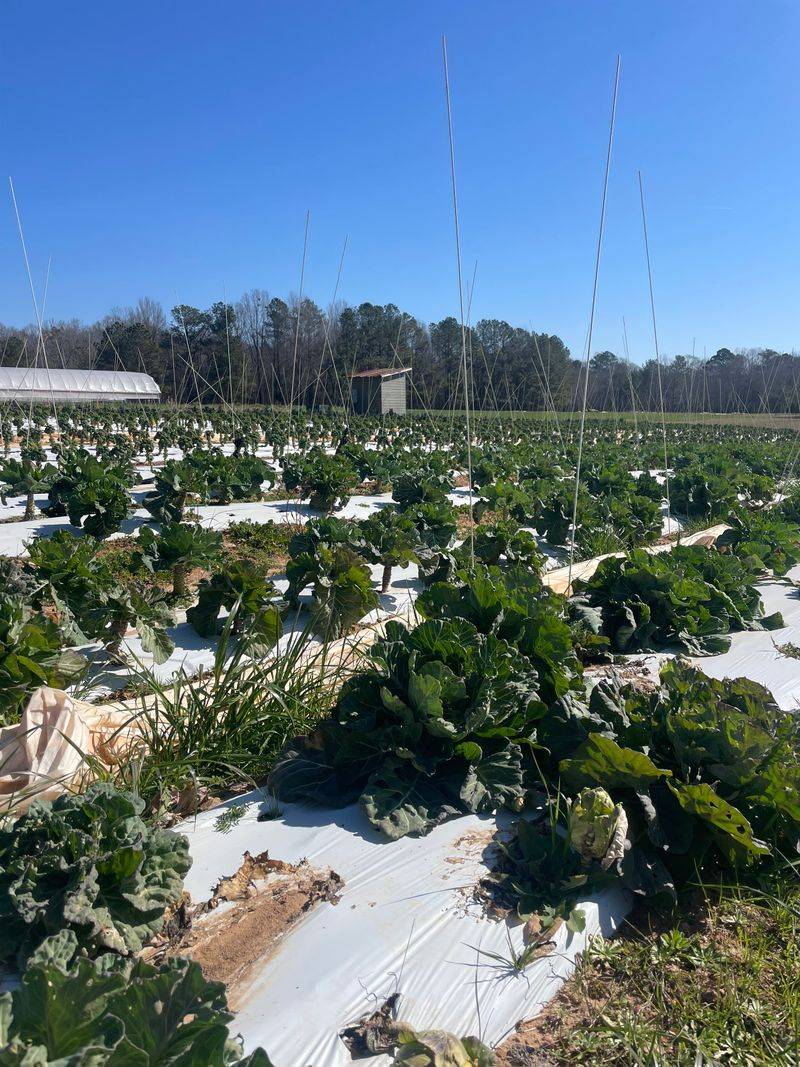
Many gardeners hope a cold snap will wipe the slate clean. The answer depends on where you garden.
NC State Extension identifies collards as an important overwintering host in North Carolina, where aphids can keep feeding and reproducing at a slower pace in winter. It also notes many generations a year along the Gulf Coast.
Life stage matters too. In temperate climates, cabbage aphids may overwinter as eggs.
In warm places like Florida, UF/IFAS describes reproduction by live-born nymphs rather than an egg stage over winter.
A freeze or a colder winter can reduce activity or numbers, and results vary from place to place and year to year. Those findings come from specific areas, so do not assume they apply to every Southern state.
The safest plan is to keep checking your collards through winter instead of counting on cold to finish the job.
Use water and leaf removal to knock back a small colony
For a modest infestation, begin with the simplest tools. You can rub aphids off with your fingers or aim a firm stream of plain water at the plants, covering both sides of the leaves.
University of Maryland Extension describes these hands-on methods for home gardens.
Badly curled leaves deserve special attention because they shelter colonies where water and fingers cannot reach. Pinch off those leaves and dispose of them away from the bed.
Leave healthy leaves in place so the plant can keep growing.
One pass will probably not do it. Missed aphids can reproduce quickly, as noted in North Carolina Cooperative Extension guidance, so plan to look again in a few days.
Water and removal can knock a colony back, but they do not guarantee it is gone.
Use labeled insecticidal soap cautiously if needed
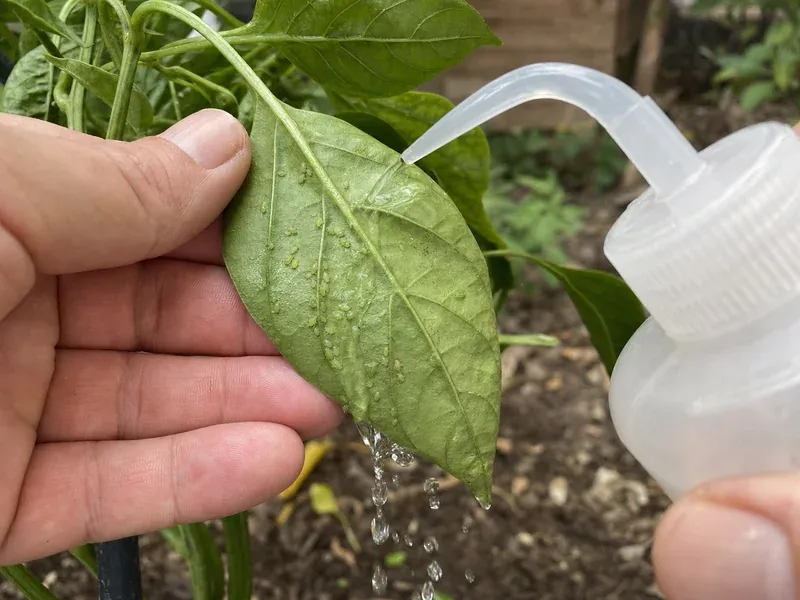
If rubbing and rinsing are not enough, a labeled insecticidal soap may help. Utah State University Extension explains that soap sprays work only on aphids they touch, so coverage under the leaves matters.
Read the current label before you buy or spray. It should permit use on collards or the relevant edible crop, and you should follow its application directions and harvest interval.
Do not swap in household soap or detergent, a caution also raised by University of Maryland Extension.
Soap and oil sprays can harm beneficial insects they contact, and they may injure plants under some conditions. Because curled leaves hide aphids, one spray may miss some, and repeat applications should follow the label only.
Before spraying, look for swollen tan, bronze, or cream-colored aphids. These are mummies, parasitized by beneficial wasps, and they are not active colonies.
Seeing them is a reason to hold off and recheck.
Recheck plants and wash collards after harvest
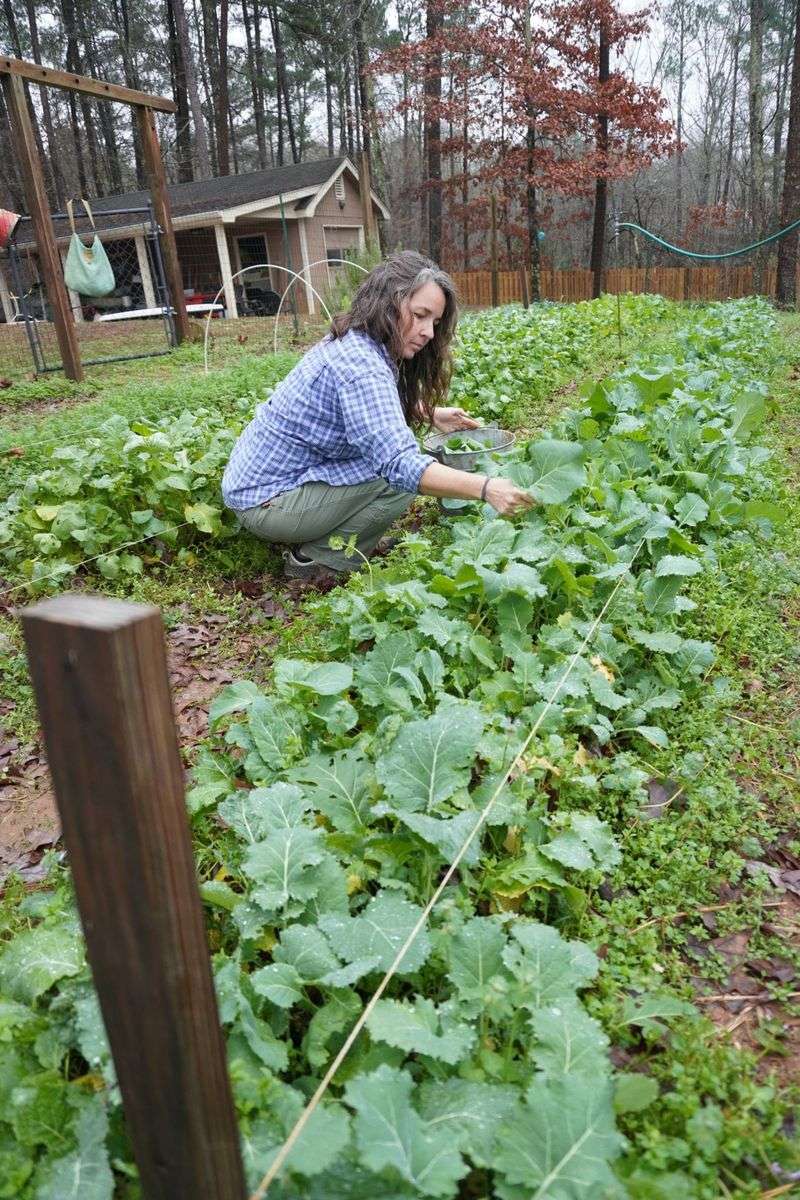
Plan a follow-up visit after any treatment. Turn over leaves, open up folds, and check new growth again, since hidden aphids may remain, as University of Maryland Extension notes for home gardens.
Keep a separate eye out for holes, which call for their own inspection.
At harvest time, UF/IFAS Gardening Solutions advises washing collard leaves in multiple cycles to remove grit. Washing is for cleaning the leaves, not for treating pests in the garden.
Regular checks help, but no routine promises a pest-free crop.
Collards reward a gardener who keeps looking, one leaf at a time.