
A big oak can shade a whole house, but it can also eat a small yard alive and drop limbs on the roof. Plenty of North Carolina homeowners want a cool spot for a chair or a patio without giving up every sunny inch.
The good news is that several native and well-behaved trees stay compact, cast useful shade, and feed birds and pollinators too. Late September through early winter is prime planting time across the state, so now is the moment to pick one.
1. Eastern Redbud
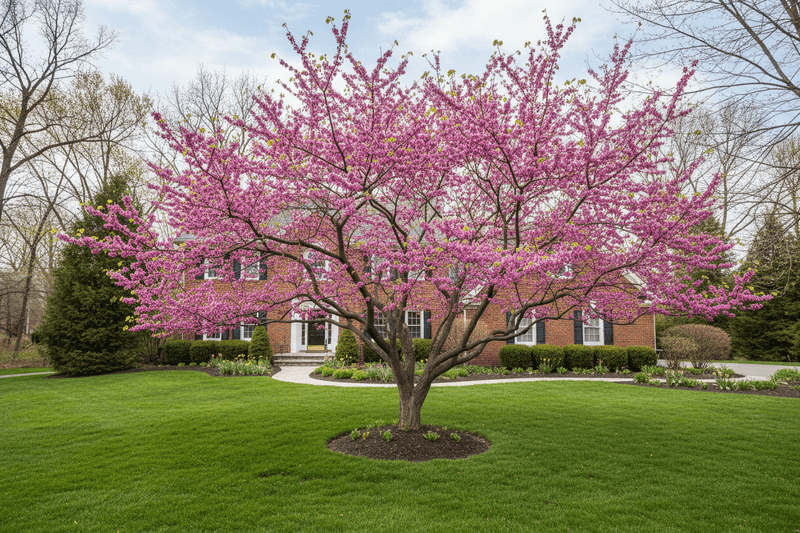
Ask any longtime Piedmont gardener which small tree earns its keep, and redbud usually comes up first. Its pink-purple spring flowers grab attention, but the wide, heart-shaped leaves are what create a soft canopy by summer.
Most redbuds top out around 20 to 30 feet with a similar spread, so one tree can shade a patio corner without towering over the house. The branches tend to grow outward in a vase or umbrella shape, which is exactly the form you want for shade.
Early bees visit the blooms, and the tree handles clay soil better than many ornamentals. Plant it in full sun to part shade from the mountains to the coast.
Fall is a smart time to set one in the ground, since cooler air and warm soil may help roots settle before spring.
2. Flowering Dogwood
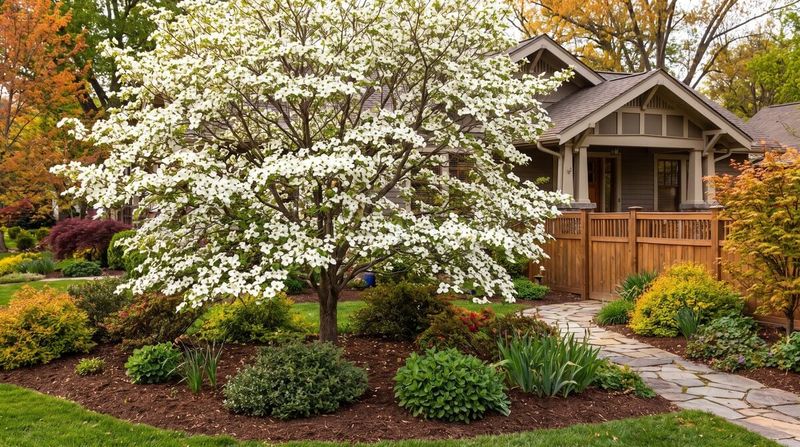
North Carolina picked the dogwood as its state flower for good reason. Few trees look this graceful in every season.
Dogwoods grow about 15 to 30 feet tall, with flat, layered branches that spread wide and throw dappled shade. That filtered light is kind to hostas, ferns, and people sitting underneath on a hot afternoon.
In fall, the leaves turn deep red and the bright berries can draw bluebirds, robins, and cedar waxwings.
The trick with dogwood is placement. It naturally grows under taller trees, so it may struggle in blazing, unprotected sun, especially in the coastal plain.
Morning sun and afternoon shade, plus a ring of mulch, can help it thrive for decades.
3. American Hornbeam
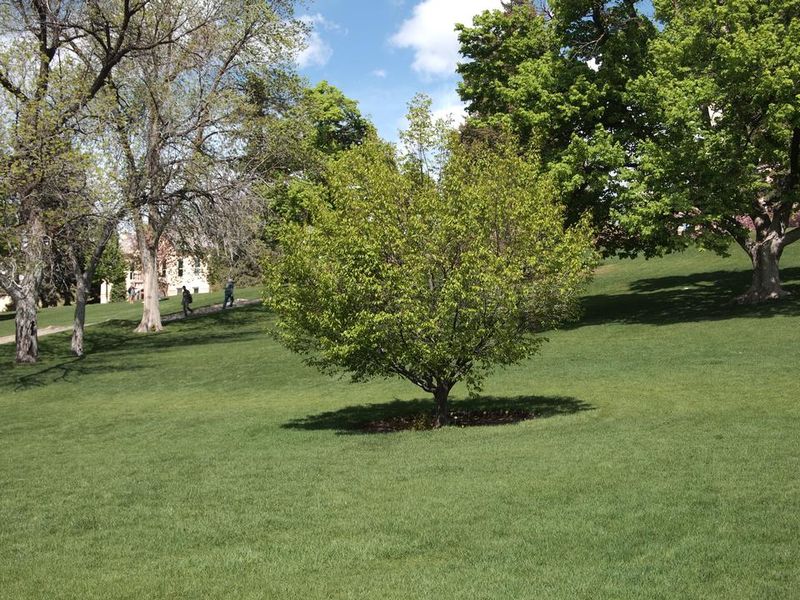
Run your hand along the trunk and you will understand the nickname musclewood. The smooth gray bark ripples like a flexed arm, which makes this tree a conversation starter.
American hornbeam usually stays around 20 to 30 feet tall with a rounded crown. It handles shade, damp spots, and heavy clay with very little fuss, so it fits those tricky low corners where water sits after storms.
Growth is slow, and that is a feature, not a flaw. You will not be pruning it every year or watching it outgrow its space.
Fall color ranges from yellow to orange-red, and the seeds may feed songbirds through winter.
4. Sweetbay Magnolia
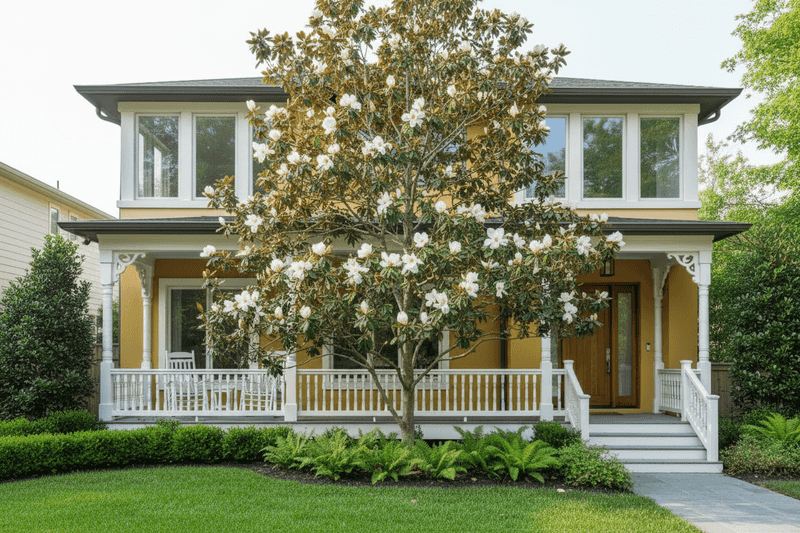
Love the Southern magnolia look but not its 80-foot size? Sweetbay is the answer.
Native to wet coastal plain woods, this magnolia stays roughly 10 to 25 feet tall and is often grown with several trunks. In warmer parts of the state it may hold many leaves through winter, giving you a bit of year-round screening.
The undersides of the leaves flash silver in a breeze.
Creamy flowers with a lemony scent show up in late spring and can keep popping out into summer. It tolerates soggy soil well, a real plus for coastal and low-lying Piedmont yards.
Give it sun to part shade and decent moisture.
5. Serviceberry
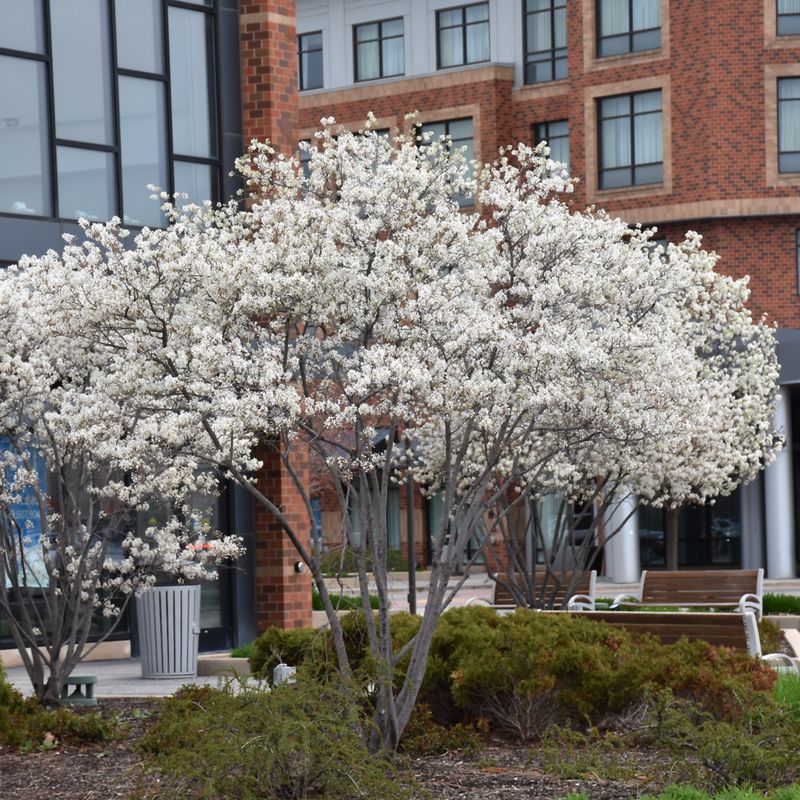
Birds will find a serviceberry before you do. When the small purple fruits ripen in early summer, catbirds, mockingbirds, and cardinals show up fast.
The tree grows about 15 to 25 feet, often with a slim, upright shape that fits narrow side yards. White spring flowers come early, and fall leaves glow orange and red.
It is right at home in the mountains and does fine in the Piedmont with a little afternoon shade.
You can eat the berries too, if the birds leave any. They taste a bit like blueberries with a hint of almond.
Plant one in fall and you may get blooms the very next spring.
6. Fringetree
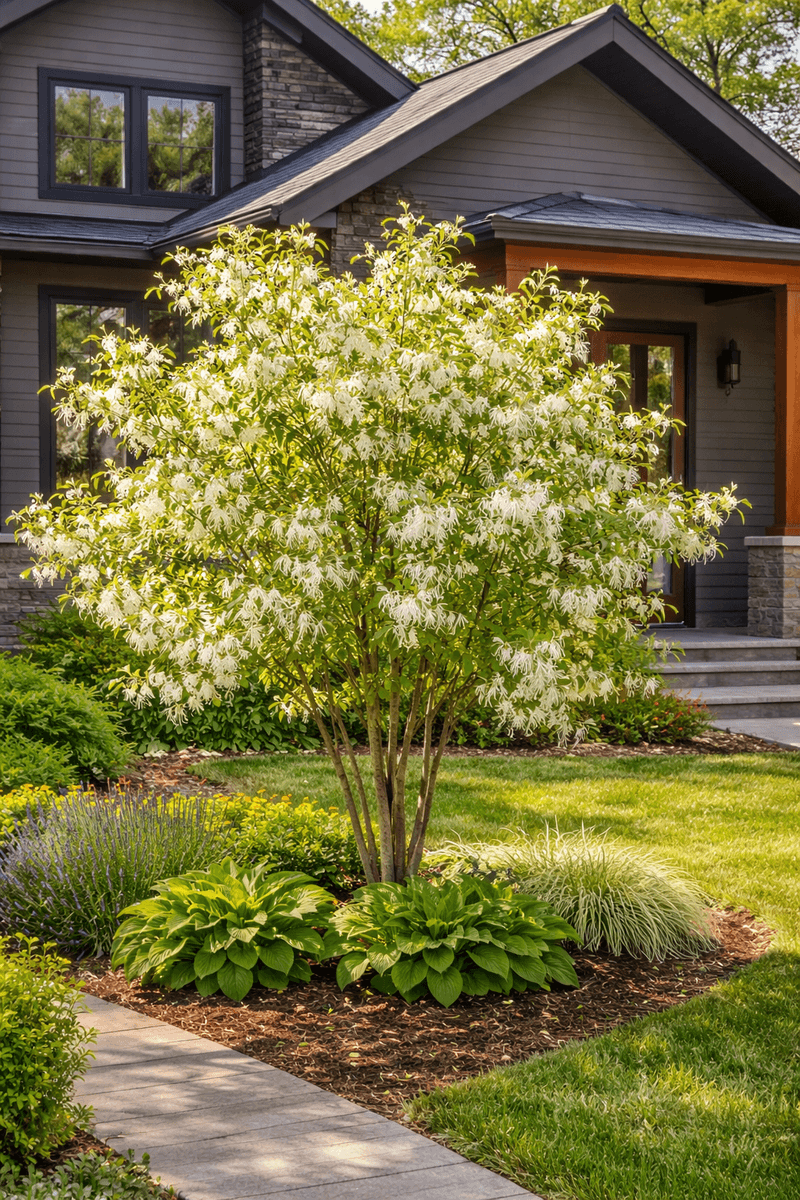
Old-timers called it grancy graybeard, and one look at the spring blooms explains why. Fluffy white strands hang off the branches like a soft beard.
Fringetree rarely tops 20 feet and often grows as wide as it is tall, making a neat, rounded shade spot. It tolerates urban conditions and heat well across the state.
Female trees produce dark blue fruits in late summer that birds tend to snap up.
Leaves come out late in spring, so do not panic if it looks bare in April. It is also a native alternative many gardeners choose instead of invasive Chinese privet.
Fall color is a cheerful yellow.
7. Carolina Silverbell
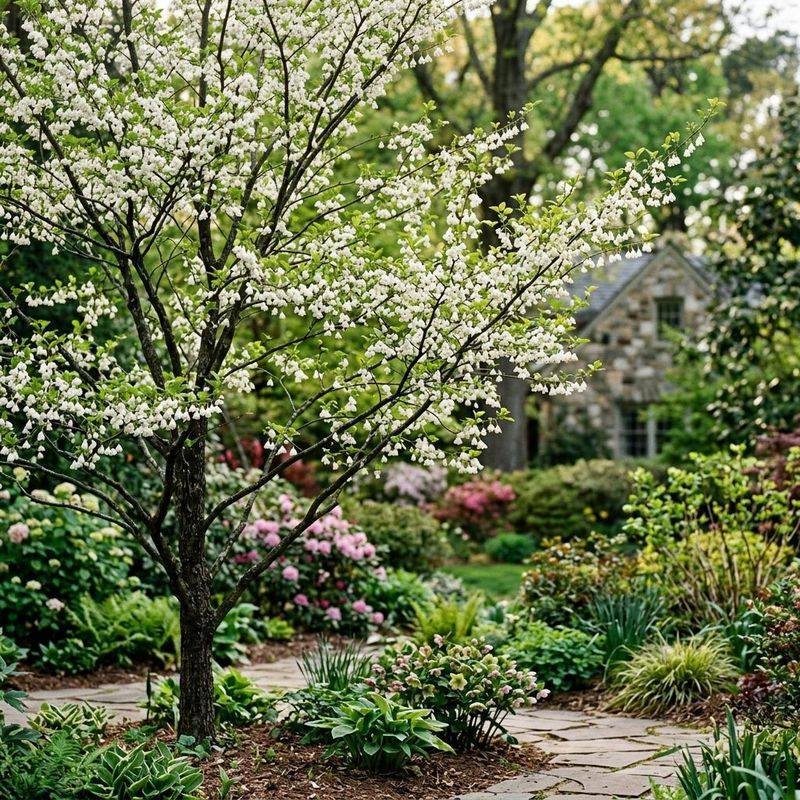
Hike the Smokies in April and you may walk under a ceiling of tiny white bells. That is Carolina silverbell, a tree with deep roots in our mountains.
In a home landscape it often stays around 20 to 30 feet with an open, airy crown. That shape gives light shade that keeps a woodland bed cool without blacking it out.
Bees work the flowers, and the papery four-winged seed pods are fun for kids to find.
It prefers rich, slightly acidic soil that drains well. Mountain and Piedmont yards suit it best.
In hotter eastern areas, afternoon shade can help.
8. Blackhaw Viburnum
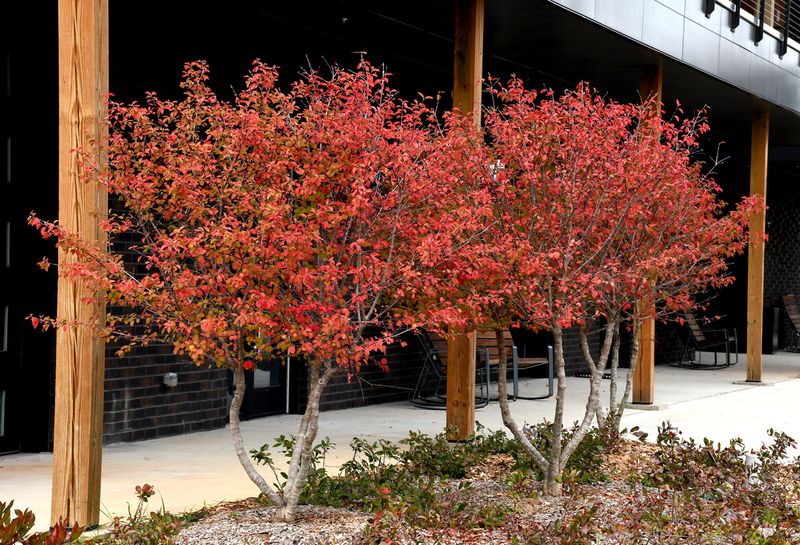
Here is a sneaky one. Blackhaw is often sold as a shrub, but with a little pruning it becomes a tough small tree around 12 to 15 feet tall.
Pick one central trunk, or a few, and remove low side shoots over a couple of years. You end up with a tidy canopy that shades a bench or bird bath.
Flat white flower clusters bring pollinators in spring, and blue-black fruits may feed birds in fall.
It handles drought, clay, and sun better than most. Leaves turn burgundy to red in autumn.
For tiny yards, it is one of the most forgiving picks on this list.
9. Red Buckeye
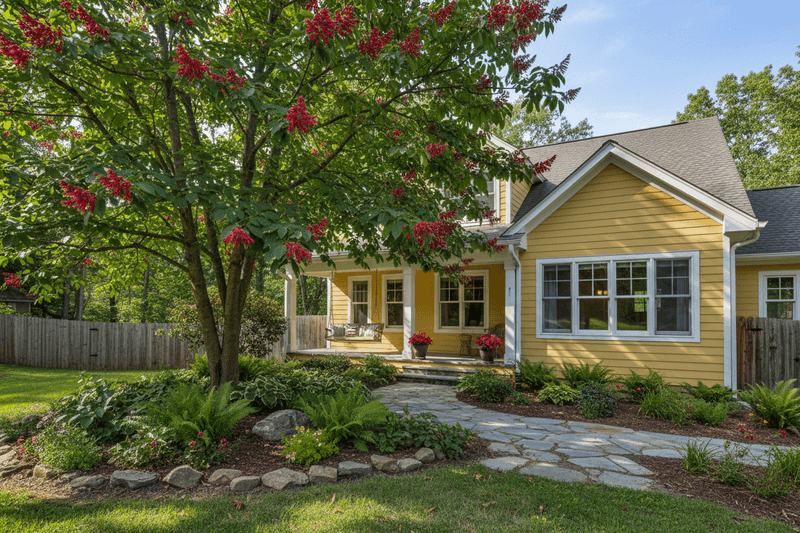
Hummingbirds returning in early spring need fuel, and red buckeye may be waiting for them. Its bright red flower spikes often bloom right around their arrival.
This native stays small, usually 10 to 20 feet, with big hand-shaped leaves that cast surprisingly thick shade for its size. It grows well in part shade across the Piedmont and coastal plain.
One honest note: leaves may drop early in late summer, especially in dry years. The seeds are toxic, so keep curious kids and pets in mind.
Plant it where spring color matters most, then let it rest early.