
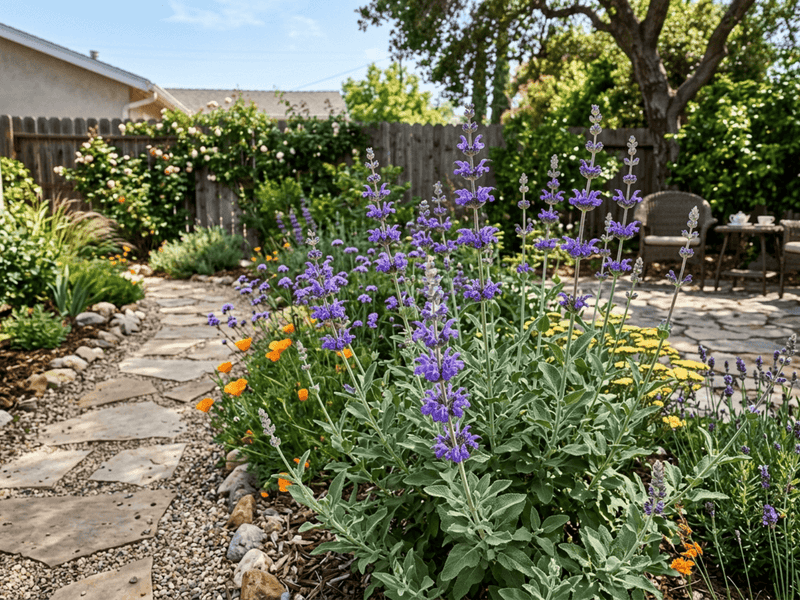
Roof rats and Norway rats love California yards, and the strip of plants hugging your house is often where they move in first. Thick, overgrown shrubs give them shade, cover, and a safe path right up to your vents and walls.
The good news is that swapping in the right plants can make that zone far less inviting. Here are seven shrubs that smell strong, stay open at the base, and handle dry summers without much water.
1. Rosemary
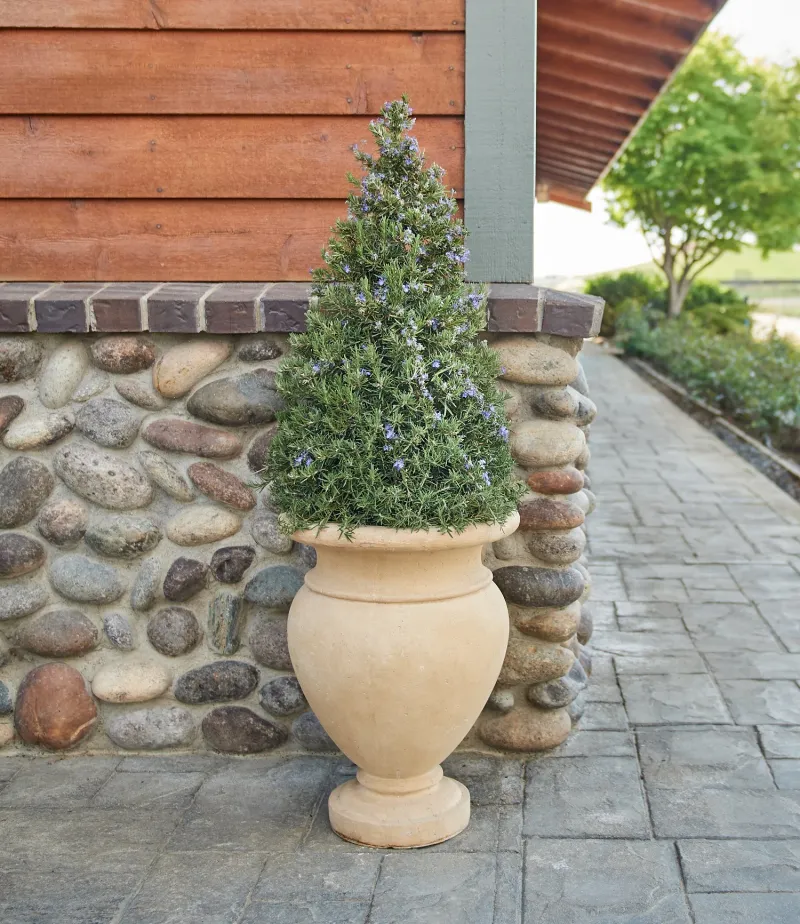
Brush your hand across a rosemary bush and the smell follows you for an hour. That piney, resin-heavy oil is the main reason so many California gardeners tuck it near the house.
Rats rely heavily on their noses, and strong aromatic oils may make an area less comfortable for them to linger.
Pick an upright variety like Tuscan Blue rather than the trailing kind. Upright forms stay open near the ground, so there is no dark tunnel for a rodent to hide in.
Trailing rosemary can mat down and create exactly the cover you want to avoid.
Rosemary is native to the Mediterranean, which explains why it thrives in our wet-winter, dry-summer climate. Once established, it needs only occasional deep watering.
Bees adore the winter blooms, so you get pollinator support as a bonus.
2. Lavender
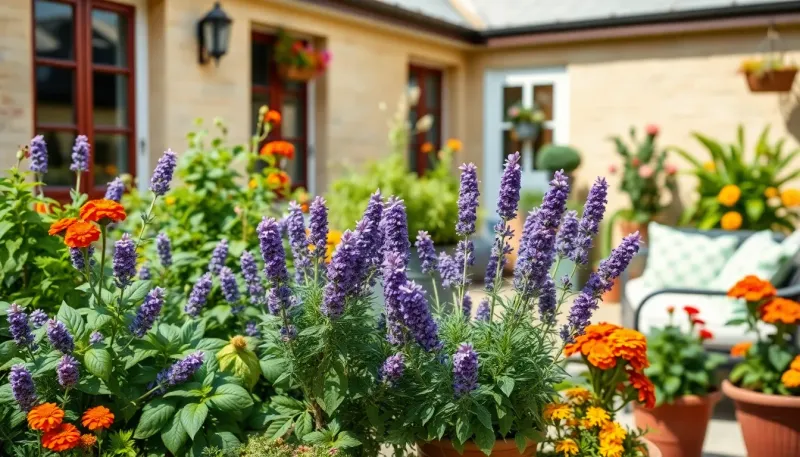
Few plants pull double duty quite like lavender. Visitors smell sweetness, but the camphor-like compounds in the leaves are thought to be off-putting to many rodents.
It is not a force field, yet it beats a damp juniper mat any day.
Lavender grows as a neat mound with airy stems, which keeps the soil beneath it visible and dry. Rats prefer moist, hidden spots, so that openness matters as much as the scent.
Space plants a couple of feet apart and at least 18 inches from the wall.
Overwatering is the fastest way to kill lavender in California. Give it full sun, fast-draining soil, and let it dry out between drinks.
Trim after flowering to keep it compact.
3. Cleveland Sage
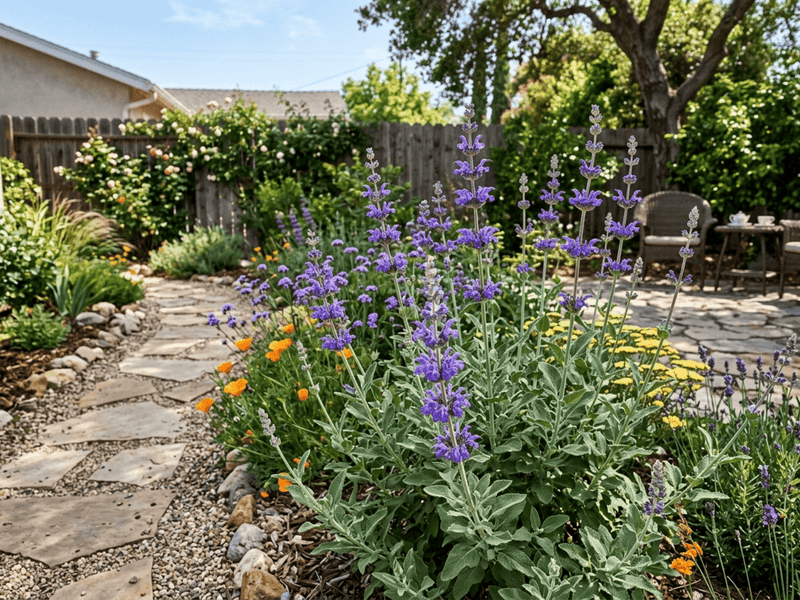
Ask a native-plant nursery worker in San Diego what smells best after a summer rain, and odds are good you will hear Cleveland sage. Its gray leaves carry an intense, almost musky fragrance.
That powerful aroma may help discourage rodents from setting up near your walls.
Here is the stewardship win. Cleveland sage is a California native that feeds hummingbirds, native bees, and butterflies.
You can tighten up your foundation zone while supporting local wildlife instead of working against it.
It handles drought beautifully once rooted and needs almost no summer water on the coast. Inland, a monthly soak keeps it happy.
Prune lightly in fall so the base stays clean and open.
4. Germander
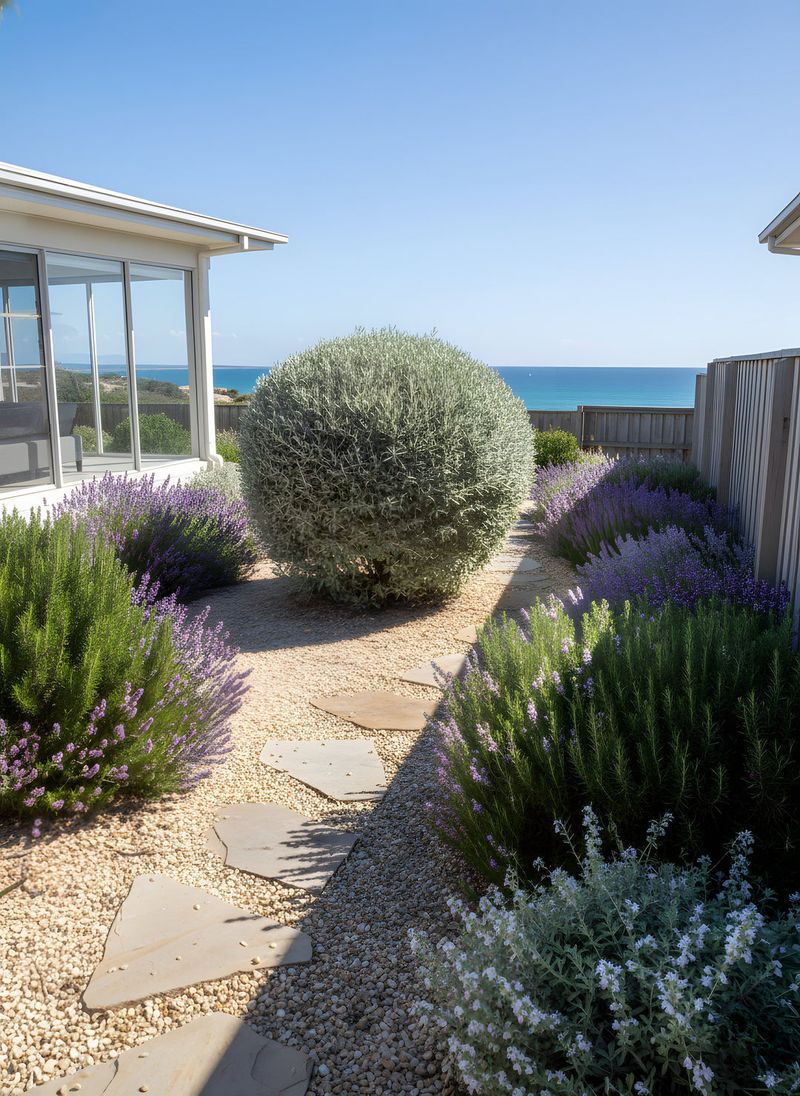
Silver, tidy, and tough as nails, bush germander is the shrub landscape designers reach for when they want order without fuss. Its foliage has a sharp, bitter scent when crushed.
Many gardeners report fewer critters poking around beds where it grows.
The real advantage is shape. Germander takes shearing well, so you can keep it as a low, airy hedge with daylight under the branches.
That makes it easy to spot droppings or burrows before a problem grows.
It is also lean on water and fairly fire-resistant for a shrub, which helps in hillside neighborhoods. Pale blue flowers show up much of the year and attract bees.
5. Catmint
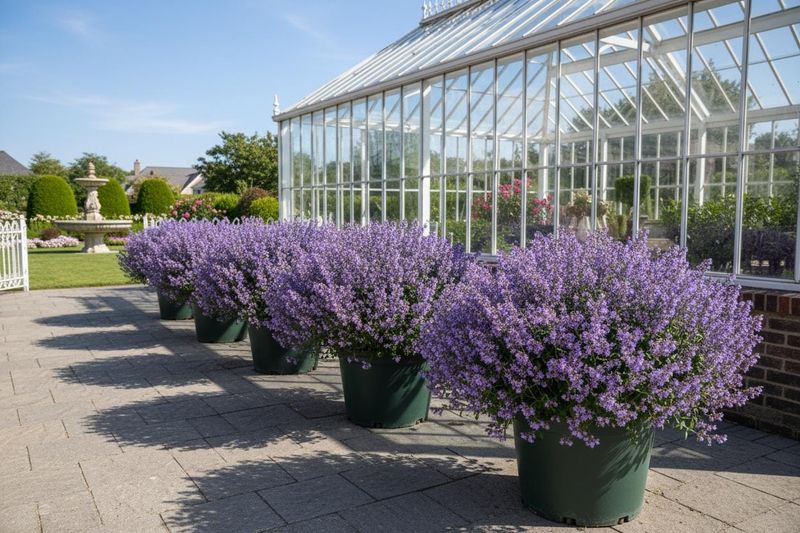
Here is a fun twist. Catmint can draw neighborhood cats into your yard, and a cat on patrol is one of the oldest rodent deterrents around.
On top of that, the minty leaves give off a scent that rats may not enjoy.
Walker’s Low is a popular choice because it forms a soft mound without flopping into a dense mat. Cut it back by half after the first bloom to keep it airy.
You will get a second wave of flowers.
Catmint handles heat and modest water across most California zones. Pollinators swarm it all summer.
6. Coyote Mint
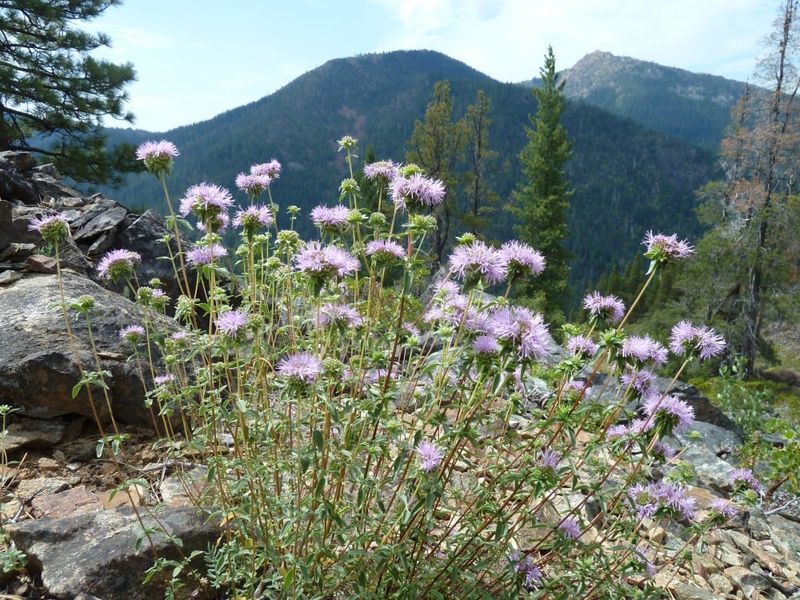
Hikers in the Sierra foothills often smell coyote mint before they see it. This small native shrub releases a strong peppermint scent, and mint oils are commonly linked with discouraging rodents.
Results vary, but the plant brings plenty of other perks.
Coyote mint stays small and woody, usually around a foot or two tall. That compact size leaves your foundation easy to inspect.
Its pom-pom flowers are a magnet for native bees and butterflies.
Give it sun, lean soil, and very little summer water. Rich soil and frequent irrigation make it short-lived, so treat it tough.
7. Santolina
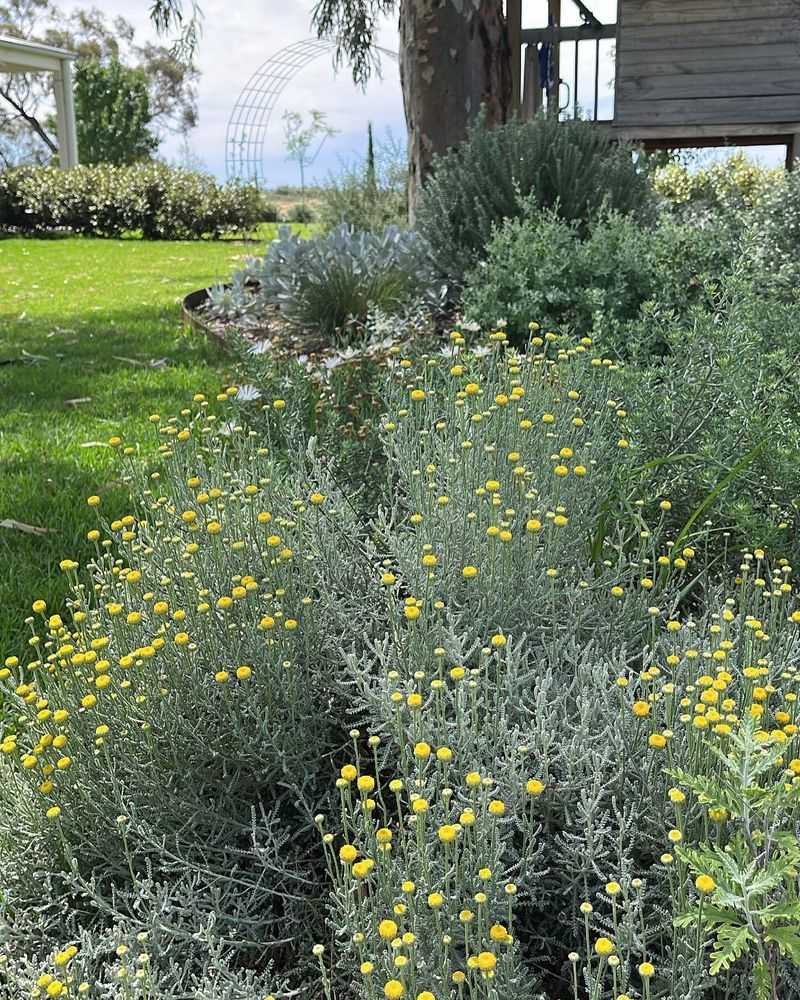
Sometimes called lavender cotton, santolina looks like a soft silver pillow. Crush a leaf and you get a sharp, medicinal smell that is anything but soft.
That pungency is why some California gardeners slot it into rodent-prone spots.
It tolerates baking heat, poor soil, and long dry spells, which makes it ideal for the reflected-heat strip right against a south-facing wall. Shear it after its yellow button flowers fade to keep it dense on top and open below.
Remember that no shrub works alone. Pair any of these plants with a gravel band at the wall, sealed vents, and no ivy, and your foundation becomes a far less welcoming place for rats.