
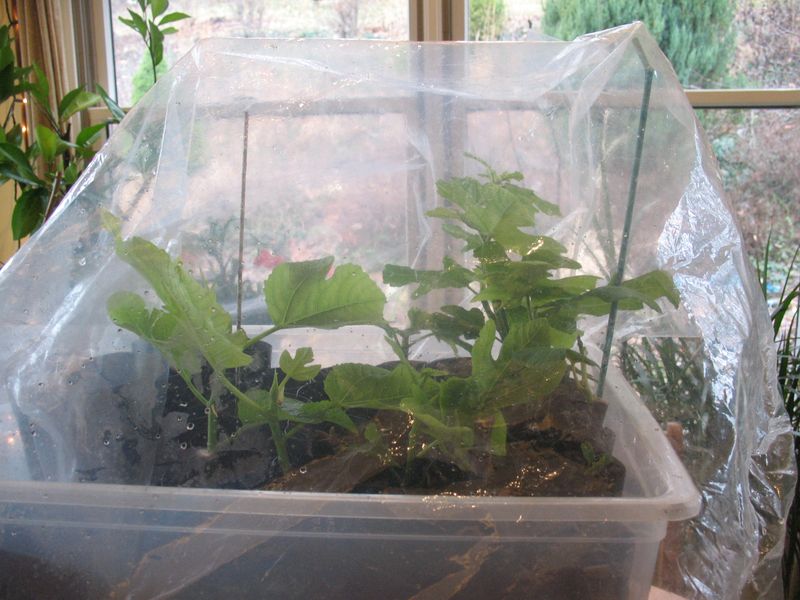
A fig tree that has dropped its leaves is not finished for the year. The bare branches can give you free baby plants, if you know how to handle them.
Many Southern gardeners root figs indoors in winter and hope for a small potted plant by spring. Here is how to try it, and how to tell when a cutting is truly ready to move.
Leaf drop signals dormancy, not a universal start date
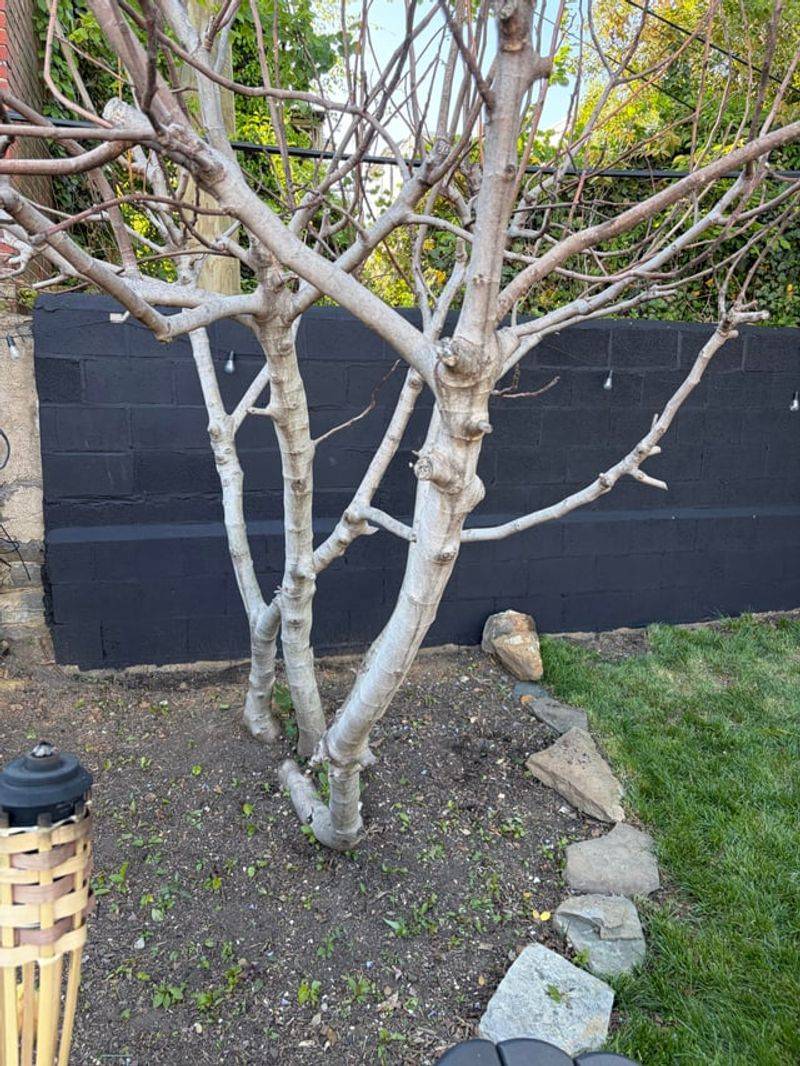
Bare branches tell you the fig has gone dormant, and that is the stage when hardwood cuttings are usually taken. But the day the last leaf falls is not the best collection date everywhere.
A Florida yard and a north Texas yard can have very different winters.
Regional guidance shows the spread. LSU AgCenter recommends dormant wood after the last threat of a freeze, while University of Georgia Extension describes planting hardwood cuttings in late February or March.
UF/IFAS offers Florida-specific dormant-cutting advice as well.
So watch your own weather. If a hard freeze is still possible, the parent plant is still at risk, and you may want to wait or protect it.
Cuttings taken at a sensible local time may root and leaf out by spring, but that outcome is possible, not promised. Think of the first batch as a trial, and keep notes on dates and results for next year.
Choose healthy, dormant wood
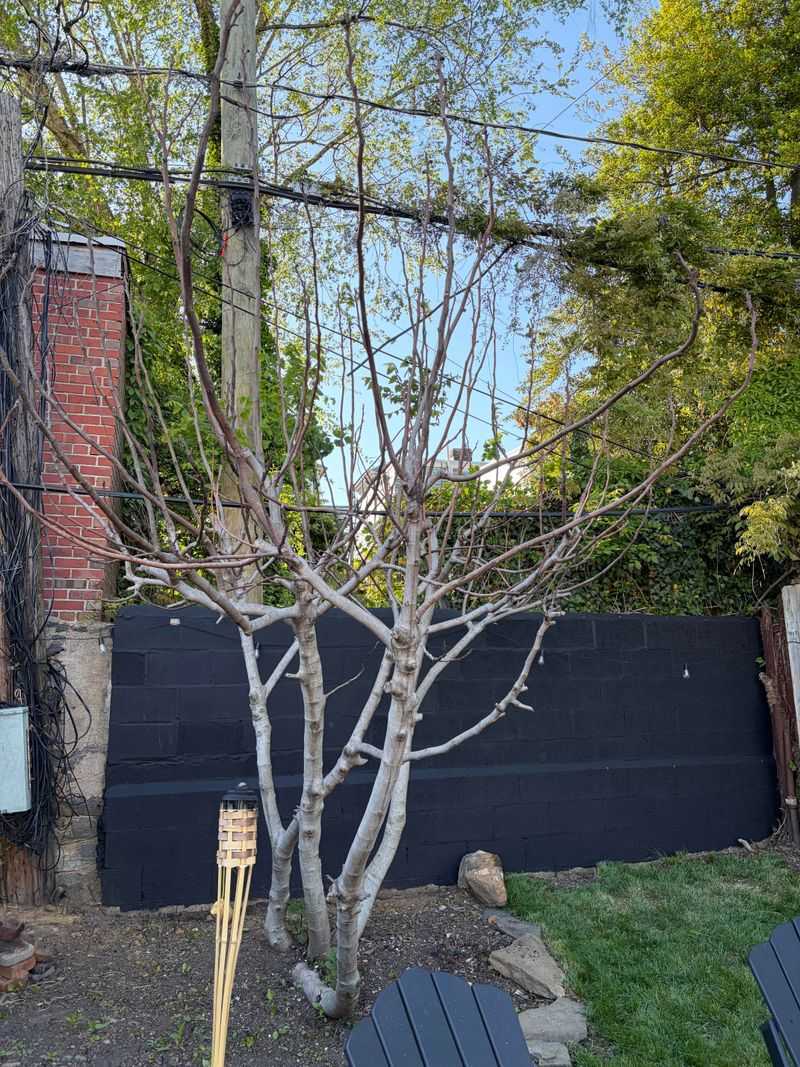
Start with wood that grew last season, from a fig that has been growing well. Look for firm, straight stems with plump buds and no cracks, dark patches, or shriveling.
A healthy parent plant gives the cutting the best start.
Size advice differs, so treat any number as an example. UF/IFAS suggests about 6 inches long and under 1 inch thick, while LSU AgCenter suggests 8 to 10 inches long and 3/8 inch to 1 inch thick.
Pick one approach and stay consistent.
Skip any plant showing mosaic symptoms, such as mottled or distorted leaves from the past season. UC IPM notes that fig mosaic virus can spread through cuttings, so propagating a sick plant passes the problem along.
Fig sap is milky latex and can irritate skin. Wear gloves and wash your hands and tools after cutting.
Keep the cutting’s base and top oriented correctly
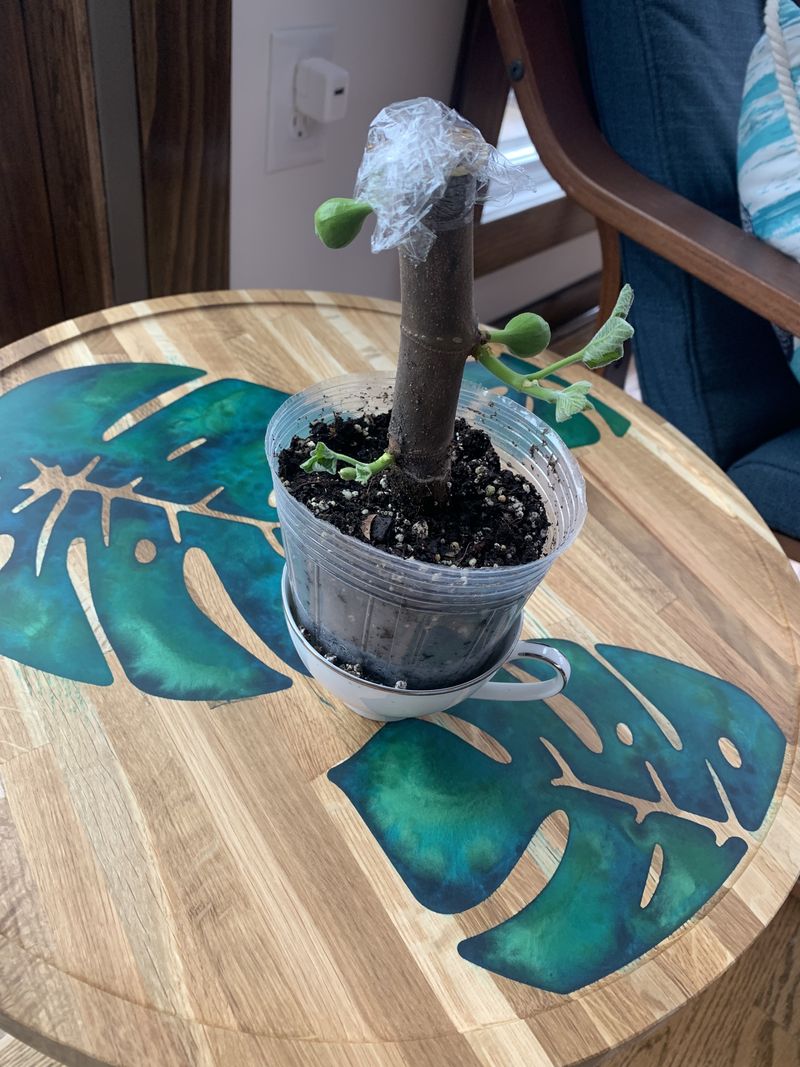
Cuttings do not care which end is up, but they will not root if planted upside down. Mark the orientation as soon as you cut.
A common habit is a flat cut on top and a slanted cut at the bottom, so you can tell them apart at a glance.
Nodes are the slightly swollen spots where buds and leaves grew. They matter because roots tend to form near them.
LSU AgCenter recommends making the basal cut just below a node and keeping several nodes on each cutting.
LSU’s example places two nodes below the soil surface and two above. Not every method matches that.
University of Georgia Extension also uses a node-based approach, so the exact count can shift with your cutting length and pot depth.
If you bundle cuttings, line up the bases the same way. A quick dab of marker on the top end saves a lot of guessing later.
Use a porous medium and keep it moist, not waterlogged
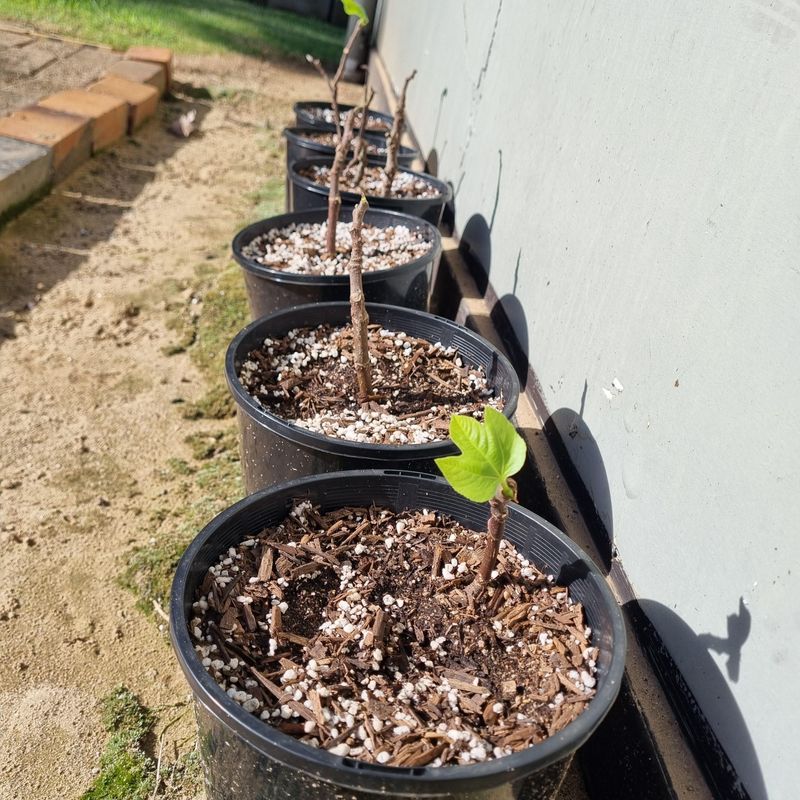
Soggy mix is a common reason cuttings fail. Roots need air as well as water, so the medium should drain freely.
Think damp wrung-out sponge, not a puddle.
Several options work. UF/IFAS recommends moist perlite or another porous medium, and LSU AgCenter suggests new, well-draining potting soil.
Either way, use a pot with drainage holes.
Check moisture every few days by touching the top inch of mix. If it feels dry, water lightly.
If it feels wet and heavy, hold off. A cutting sitting in saturated mix can rot from the base.
Rooting hormone is optional. UF/IFAS says it can improve rooting efficiency, and LSU says it is not necessary but may help.
If you have some, try it on half your cuttings and compare.
Provide suitable conditions without promising a rooting schedule
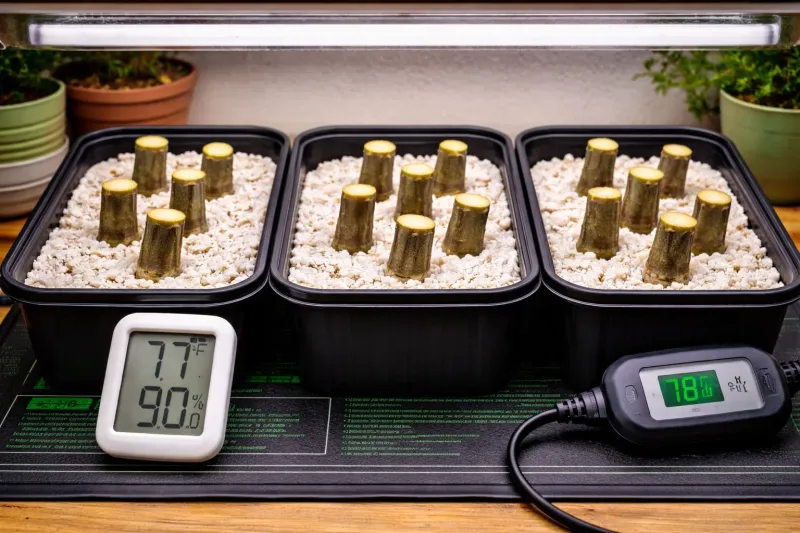
Indoors, a bright window and gentle warmth can help. Sources do not agree on one perfect temperature, and that is fine.
Alabama Extension suggests at least 70 degrees F for its potting method, so a warm room is a reasonable target.
Be careful with timelines. UF/IFAS reports two to three weeks for callus formation at 50 to 60 degrees F under its stated conditions.
Callus is the pale tissue that forms at the cut end first. It is not a finished root system, and it is not a promise of a transplant-ready plant.
Because results vary, start more cuttings than you need. LSU AgCenter notes that hormone may improve success, but even then some cuttings will not take.
Five or six tries give you better odds than a single stick in a pot.
Keep them out of cold drafts and away from heater vents that dry the mix quickly.
Check for roots before moving the cutting
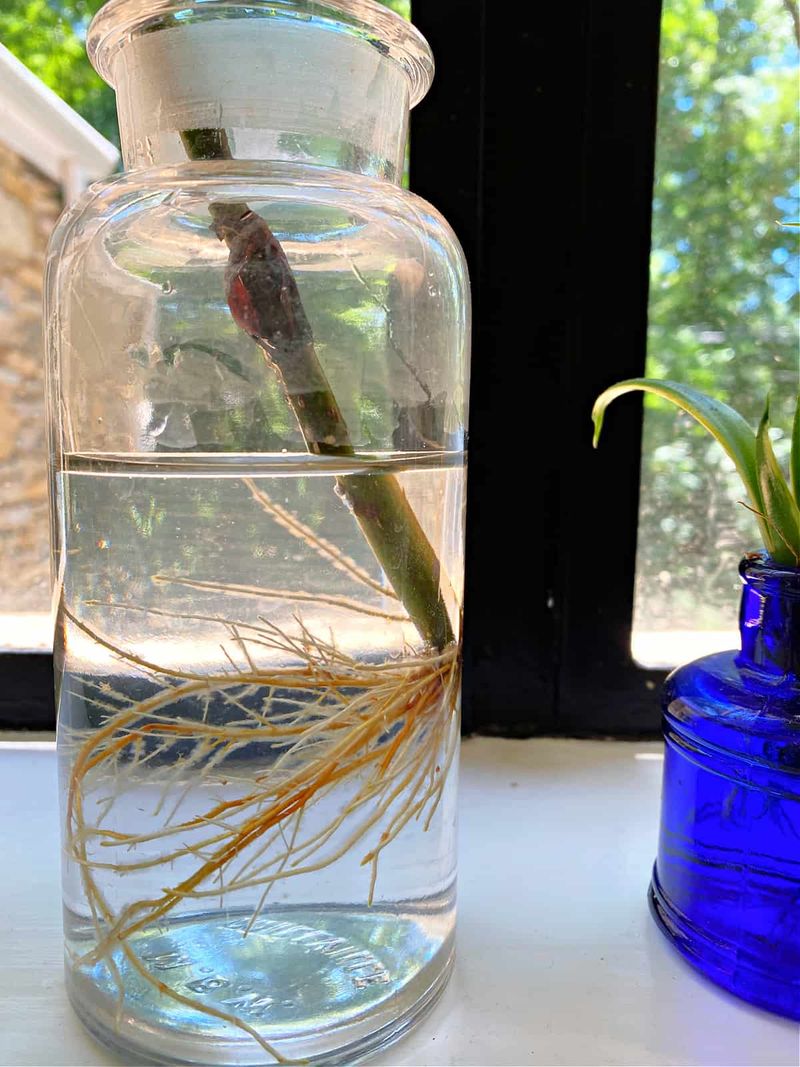
Green leaves can fool you. Alabama Extension cautions that a cutting can push out leaves before it has many roots, so check for enough roots before potting up.
The stored energy in the wood can power early growth for a while.
To check, look for roots at drainage holes, or tip the cutting out gently and look for firm, white or tan roots. A light tug that meets resistance is also a good sign.
If you see few or none, put it back and wait.
Alabama estimates four to six weeks for its method, depending on variety and weather, while University of Georgia Extension digs its rooted plants the following winter. Timelines clearly vary.
A good spring result is a rooted, growing fig in a pot. That is not the same as a plant ready for permanent outdoor planting, so let it grow and harden off before the move.
Roots, not the calendar or the first leaves, make the call.