
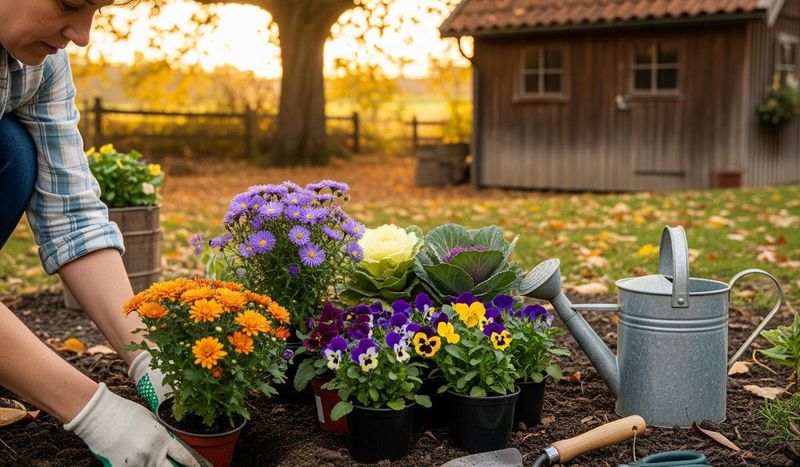
Pansies are one of the few flowers that thrive when the weather cools down, which makes fall the time to plant them in North Carolina. But the right planting time depends on where you live, and no single week works for the whole state.
Planting at a good time for your area gives the roots a head start before cold weather arrives. Here is how to pick your timing and what to expect from winter color.
North Carolina has no single best week for pansies
Ask three North Carolina county Extension offices and you get three slightly different answers. Lee County Extension calls October the best month for planting pansies.
Richmond County Extension points to late October through early November.
Wayne County Extension suggests late October into November. Think of these as local examples, not a complete statewide calendar.
They show that timing shifts from place to place, and the shifts line up with the way average first-frost dates generally arrive later as you move from the western part of the state toward the coast, as shown on the NC State planting guide frost map.
Mountain gardeners need a different kind of answer. The sources behind this article do not verify a specific mountain planting window, so any date you hear for the high country should be treated as unconfirmed until you check it.
Your local county Extension office is the best place to get a date that fits your elevation.
If you want a quick comparison as of late October 2026, gardeners near the coast and in the eastern part of the state are within the local windows described above. Piedmont gardeners in the Lee County area are at the tail end of the October target, but still have options.
This is a general comparison with typical Extension windows, not a forecast, and it does not tell mountain gardeners whether they are on track.
Adjust local guidance to your yard
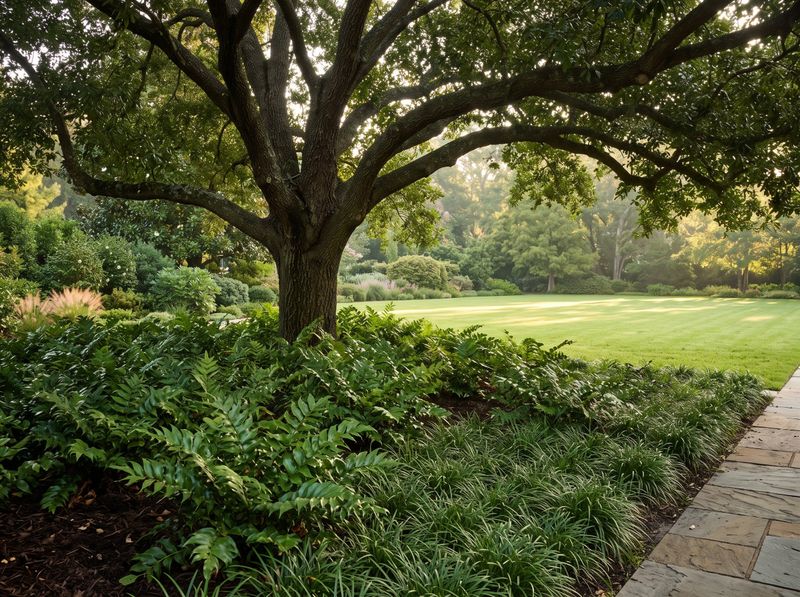
County advice is a starting point, and your own yard may run warmer or colder than the county average. Elevation, sun exposure, drainage, nearby buildings and low spots where cold air settles can all nudge conditions a few degrees either way.
A bed beside a south-facing brick wall may stay milder than an open lawn at the bottom of a slope.
Average first-frost maps, like the one in the NC State planting guide, are planning aids. They describe typical patterns across many years, so they cannot tell you what will happen in your yard this season.
Use the map to see which direction timing shifts, then lean on the local advice from places like Lee County or Richmond County if you live near them.
If you garden in the mountains, call or visit your county Extension office for a date that fits your elevation, since none of the sources used here confirm one. And if you have slipped past the typical window where you live, there is no need to give up.
Later planting simply leaves less time for roots to settle in, which may affect how the plants perform.
Cool conditions help pansies establish
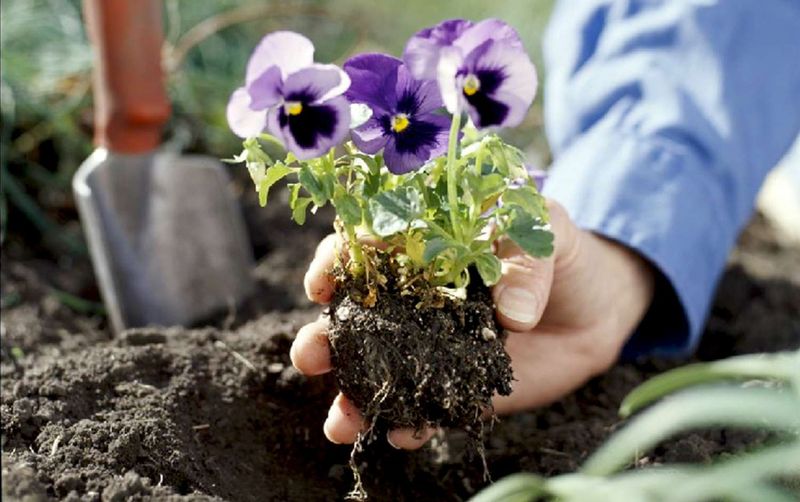
Pansies are cool-season flowers, and fall gives them the conditions they like. Warm soil and hot nights stress young plants, while cooler weather lets them spend energy on roots.
A good planting window means more time to settle in before the coldest days.
Extension guidance describes pansies as growing best when soil temperatures are between 45 and 65°F, as noted by Lee County Extension. Richmond County Extension advises planting when nighttime temperatures are consistently below 65°F.
A simple soil thermometer from the garden center can help you see where your bed stands.
Treat these numbers as guidance, not promises. Hitting them does not guarantee strong roots, winter color or steady flowering.
Timing also works in both directions. A University of Georgia publication explains that planting too early can lead to stretched plants, while planting into very cold soil can lead to poor growth and flowering.
That is Georgia information, but it helps explain why a middle-of-the-road fall window makes sense.
Choose compact plants and a sunny, well-drained bed
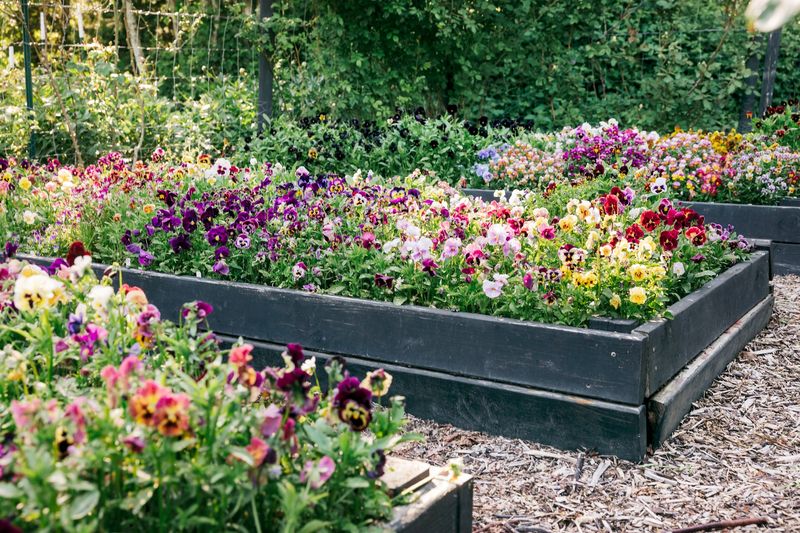
Walk past the tallest, floppiest pansies at the nursery. Compact, healthy plants with dense foliage usually settle in better than leggy, overgrown or root-bound ones.
Slide one out of its cell if you can, and look for white roots rather than a tight tangle.
Location matters just as much as the plants. Richmond County Extension recommends a sunny spot, and in the fall and winter months six to eight hours of sun a day is a good target.
Pick a bed that is not shaded by a house wall or evergreen for most of the day.
Drainage is the other big factor. Lee County Extension advises well-drained soil, because pansies do not tolerate roots that stay wet.
If your clay soil holds water, loosen it and mix in some compost, or raise the bed a few inches.
Set each plant at the same depth it grew in the container, firm the soil gently around it, and space plants so they have some room to spread. Wayne County Extension notes that pansies should be watered after planting.
A good soak right away helps settle the soil around the roots.
Routine care supports a longer display
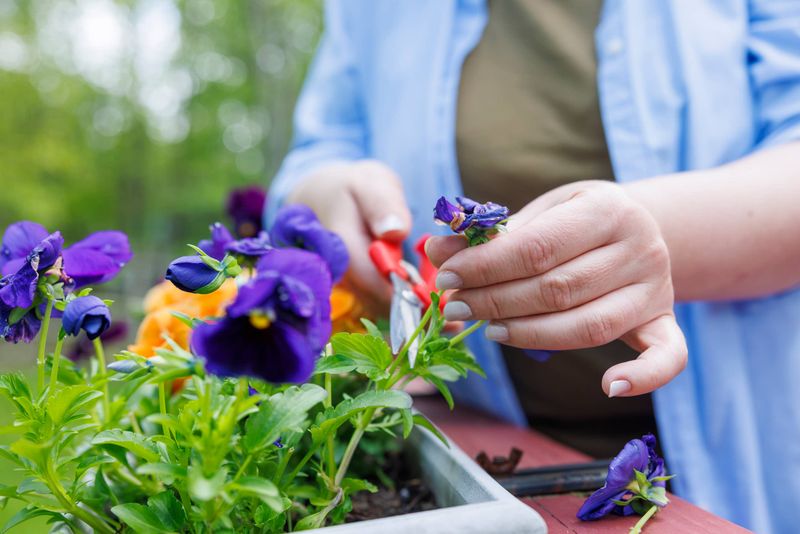
Once pansies are in the ground, a few simple habits keep them looking good. Check the soil during dry spells, since fall and winter can turn dry in North Carolina.
Water when the top of the soil feels dry, and hold back if the bed is already damp, because too much water can hurt as much as too little.
Pinching off spent flowers keeps the bed tidy and can encourage more blooms. Take a few minutes every week or so to snip faded flowers along with their stems.
It is an easy chore to do while you are out collecting the mail.
Feeding is optional rather than required. Lee County Extension and Wayne County Extension mention a slow-release fertilizer at planting and again midseason, or a water-soluble fertilizer used at intervals.
If you choose to feed, follow the directions on the product label so you do not overapply.
Winter flowering can pause even when plants survive
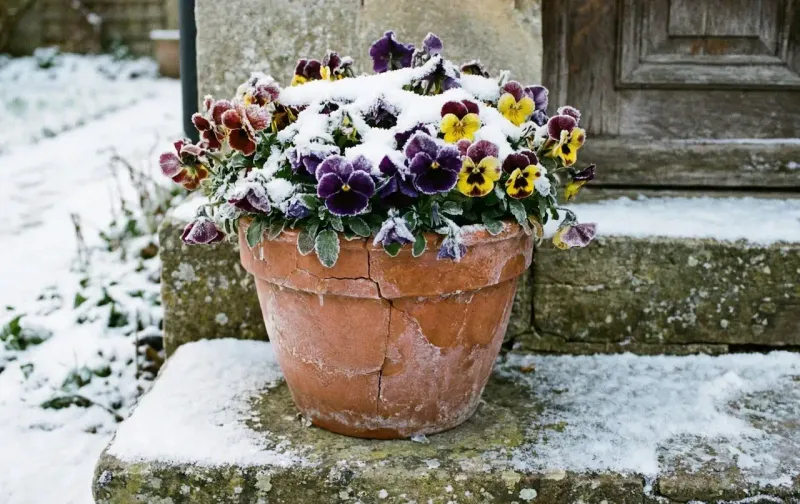
A pansy surviving winter is not the same as a pansy blooming all winter. Plants can handle cold well, but flowers are more delicate than leaves.
A hard freeze may damage open blooms or slow the display for a while.
Pansies often flower during mild spells and pick up again after the weather warms, according to Clemson Extension. That start-and-stop pattern is normal.
Do not worry if your bed looks quiet in January and fills in again later.
The Mississippi State University Extension encourages planting cool-season pansies now for winter color. That is a reasonable hope, but weather has the final say.
The University of Georgia describes how cold temperatures affect the plants, and spring is often the peak bloom period.
Planting date cannot stop a cold snap from interrupting the show. A good window helps plants get established, but it does not control the thermometer.
Think of winter blooms as a bonus and spring as the main event.
Cover beds during unusually hard cold
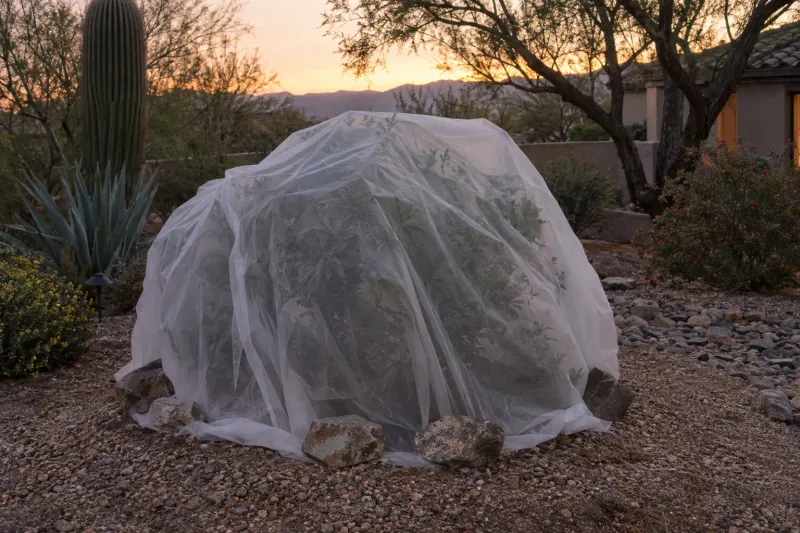
Most winters, pansies handle North Carolina cold without any help. For unusual or prolonged cold, though, Lee County Extension recommends covering the bed when temperatures are expected to fall below 20°F.
Frost cloth or a light blanket works, and the edges can be weighted down with stones or landscape pins.
Take the cover off after the cold spell passes so the plants get light and air. Leaving it on for days can trap moisture and block the sun.
Covering may help protect the plants, but it does not promise that flowers will be spared or that every plant will make it.
A short cold snap can make pansies look wilted or flat. According to the University of Georgia, this wilting can be a normal response to cold.
It does not by itself prove a plant has died, so give them a few days of milder weather before pulling anything out.
Use local timing and set realistic expectations
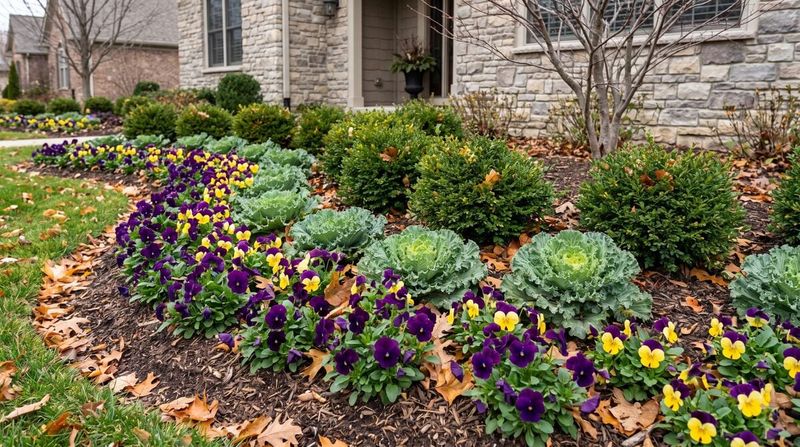
Start with the county guidance closest to you, such as Lee, Richmond or Wayne, and call your own county Extension office if you garden in the mountains. If your local window is closing, plant promptly rather than wait.
Timely planting helps pansies establish, but Clemson Extension reminds us that cold shapes the show. Some winter weeks will be colorful, some will be quiet, and spring tends to deliver the big payoff.