
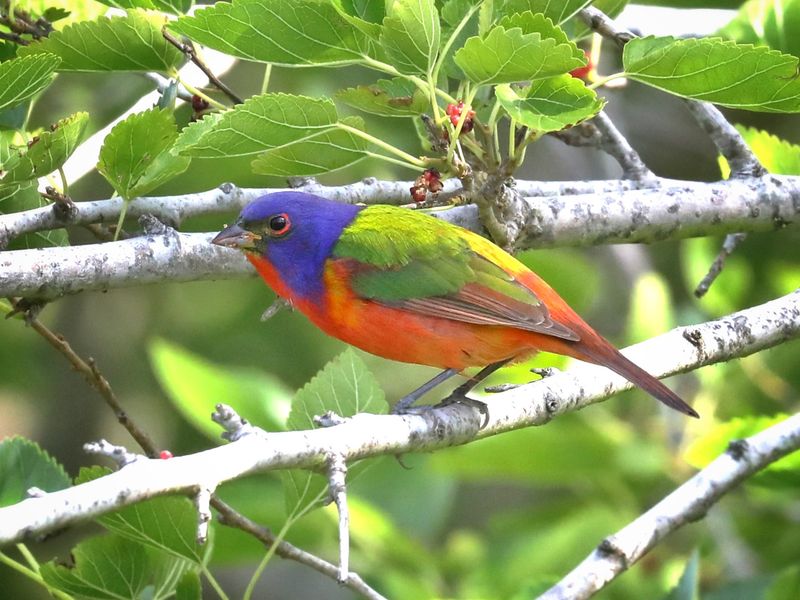
Fall cleanup is a big job in Florida yards, and it is easy to cut everything back at once. But some of the plants you trim are loaded with seeds that small birds eat.
Painted buntings, the bright blue, red, and green songbirds, spend winter in parts of Florida and look for seeds in grassy, shrubby places. A more selective cleanup may leave a few useful things in place for them.
Fall cleanup and painted bunting season overlap in parts of Florida
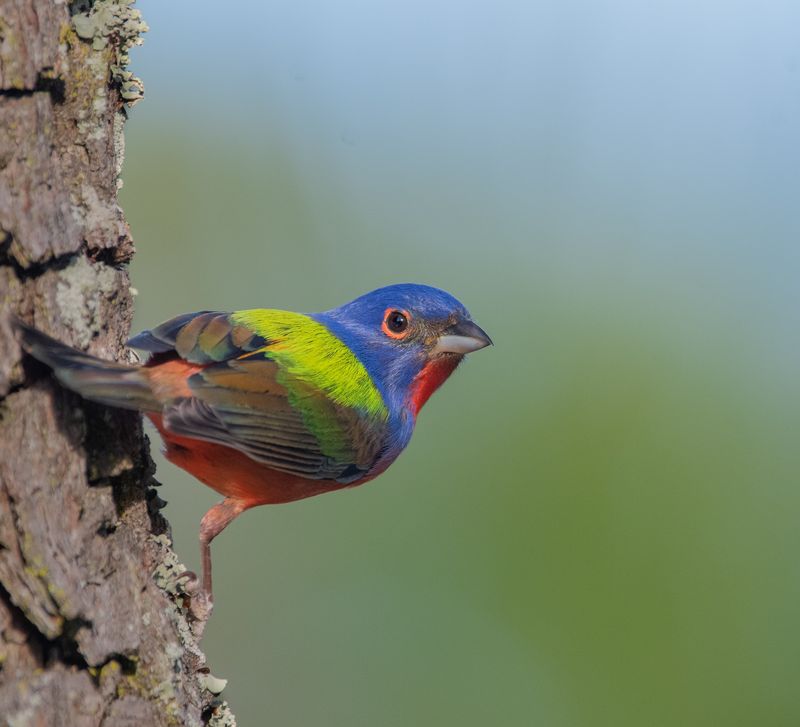
Fall is when many Florida gardeners grab the mower and pruners. It is also when painted buntings start showing up in some parts of the state.
According to an Audubon Everglades flyer, most eastern painted buntings reach central and south Florida in early October, though some migrate earlier.
Treat that date as a broad cue, not a deadline. Timing shifts from year to year and from one location to another.
A yard in Miami and a yard in the Panhandle will not follow the same calendar, and a bird that passes through one area may never stop in another.
Florida is also home to some breeding painted buntings. Florida Fish and Wildlife describes the state breeding range as Atlantic coastal counties from northern Brevard County north to Georgia.
So the birds that nest along the northeast coast in summer are a different story from the eastern birds that winter farther south.
What does this mean for your cleanup? It means the weeks around early fall are a smart time to pause and look at your yard before cutting.
You are not waiting on a guaranteed visitor. You are simply deciding which plants to keep a little longer, so that if buntings are in your area, a few of the foods and hiding spots they use are still there.
Seeds give some standing plants wildlife value
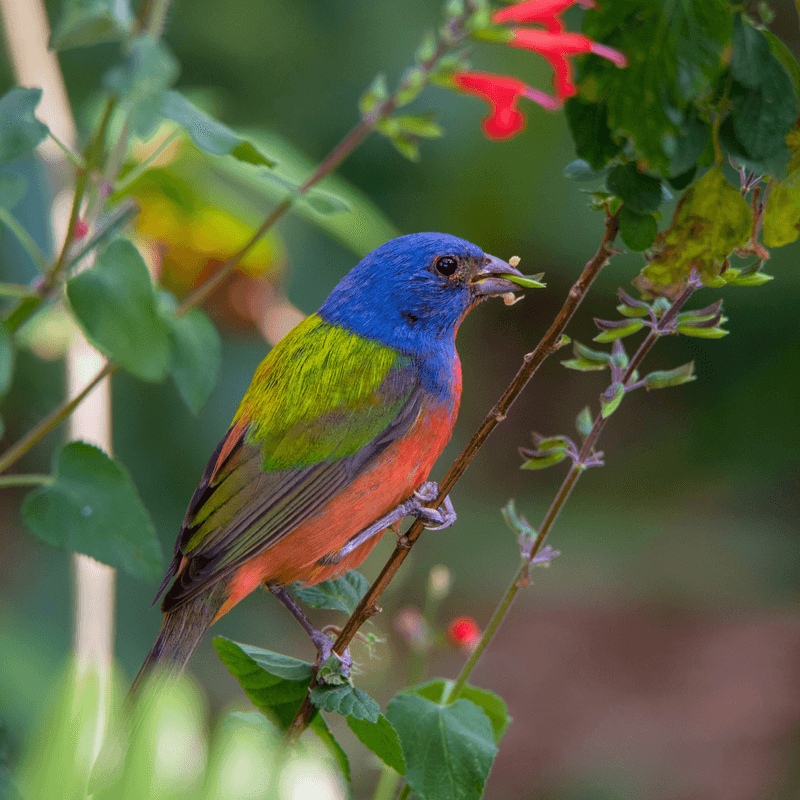
Painted buntings are seed eaters for much of the year. Cornell Lab of Ornithology lists seeds from grasses and plants such as pigweed, sedge, and panic grass among their foods.
Those are the kinds of small, plentiful seeds that ripen on stalks and seedheads in late summer and fall.
Florida Fish and Wildlife also notes that the birds search for seeds in backyard gardens. That is good news for home gardeners, since it means a regular yard can offer something useful.
Here is the practical takeaway. A standing plant that is full of seed has food value that disappears the moment it is cut and bagged.
Keeping a few of those plants for a few more weeks preserves a resource the birds are known to use.
It does not mean a messy yard will fill with buntings. The sources describe what the birds eat and where they look, not a rule that leaving things alone brings them in.
Think of seed-heavy plants as one helpful piece, chosen on purpose, rather than a magic trick.
Choose seed-bearing plants selectively
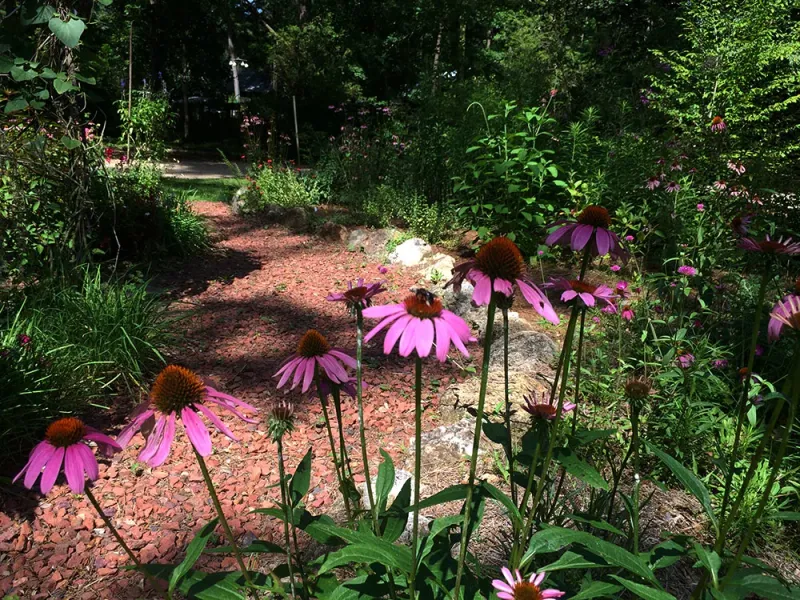
Calling something a weed does not tell you whether it helps wildlife. Some common volunteers produce seeds that birds eat, but plenty of others do nothing useful or crowd out better plants.
The goal is to pick winners, not to keep everything that sprouted.
Start with healthy Florida-native or noninvasive plants that suit your site. UF/IFAS recommends choosing native plants that fit your conditions, and it cautions that some invasive nonnatives may offer berries but give less wildlife value overall.
Take a walk through the yard with a plant ID app or your county extension office’s help. Mark the grasses and wildflowers you can name and that look strong, and set aside the ones you cannot identify until you know more.
Diseased, damaged, or sprawling plants are good candidates for cutting.
Invasive plants are a different matter. Florida Fish and Wildlife documents the ecological harm invasive nonnative plants cause, so do not hold onto one just because it sets seed.
Remove it and replace it with a native that does the job better.
Let selected seedheads mature before cutting
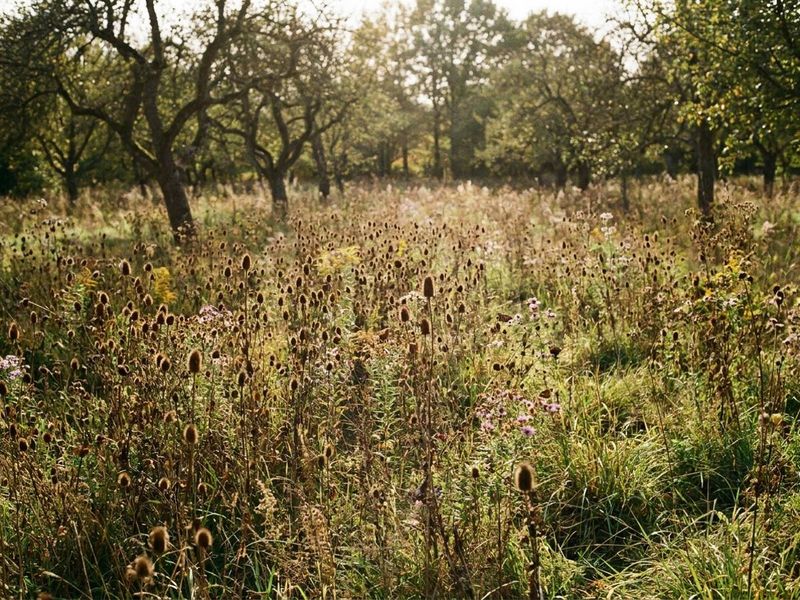
Timing matters as much as plant choice. The Florida Wildflower Foundation says many species need two to four weeks after flowering for their seeds to mature.
Cutting before that point removes seedheads that are not ready to feed anything.
Here is an easy way to use that. When a plant you have chosen finishes blooming, note the date or snap a quick photo.
Then hold off on deadheading or mowing it for a few weeks and check how the seedheads look.
Mature seedheads usually turn dry, brown, or fluffy, and the seeds loosen easily. Green, soft heads are likely still developing.
That two-to-four-week range is a general guide, not a rule for every plant. Some species ripen faster, some take longer, and weather plays a part.
Use it as a starting point, watch your own plants, and cut when the seeds have had a fair chance to finish.
Keep some cover as well as seeds
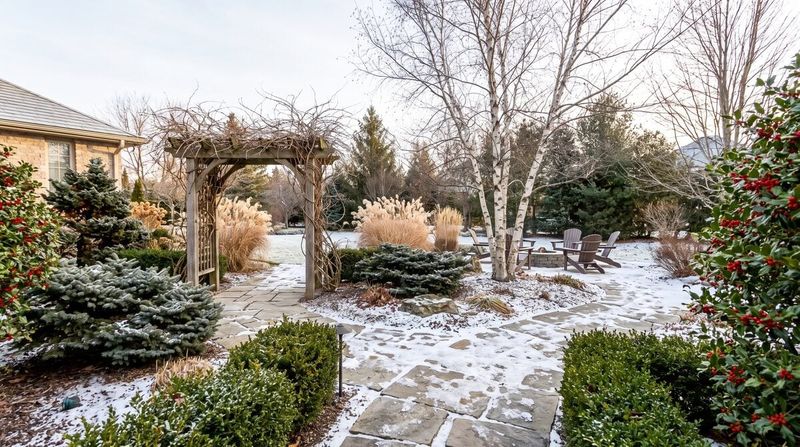
Seeds are only part of the picture. Cornell notes that eastern painted buntings use grassy and shrubby habitats in winter.
A seedhead with no cover nearby leaves a small bird exposed.
Where it is practical, keep some low shrubs, brushy edges, or clumps of grass alongside your chosen seed plants. A back corner, a fence line, or the edge of a bed can work well.
You do not need acres, just a layered patch that gives birds a place to tuck in.
UF/IFAS points out that standing stems and plant material can provide winter habitat for wildlife. Leaving some healthy stems upright through the cooler months can help small animals as well as birds.
None of this guarantees a sighting. A yard with seeds and cover may still go unvisited, since birds choose places for many reasons.
But you will have kept useful pieces in place instead of clearing them all at once.
Mow with your plants and goals in mind
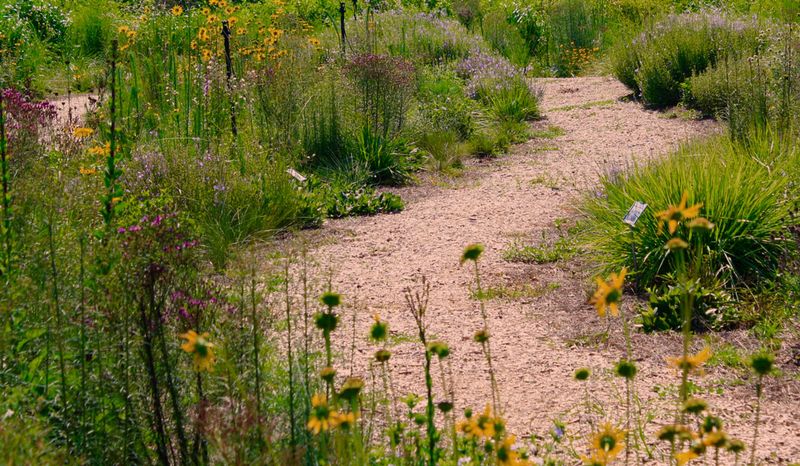
Mowing is not the enemy. Some areas need it, and a neat lawn can sit right next to a wildlife patch.
The question is when and how, and that depends on what you are growing.
UF/IFAS says that timing and method for mowing wildflower plots depend on the plants and management goals. Some mixed plots can be mowed in late fall after flowering, while keeping the bases of perennial plants intact.
For a home yard, that could mean mowing your open lawn as usual while marking off a section to leave standing for now. A mowed path along the edge keeps the area tidy and makes it clear that the plants are there on purpose.
Cut the chosen area later, once seeds have matured and your goals for the space are met.
Keep up with the tougher jobs, too. Remove invasive plants before they set seed, since Florida Fish and Wildlife explains how invasive plants harm natural areas.
Also trim anything that blocks sight lines, drainage, or a walkway. No single date or method fits every Florida yard.
Make fall cleanup more selective
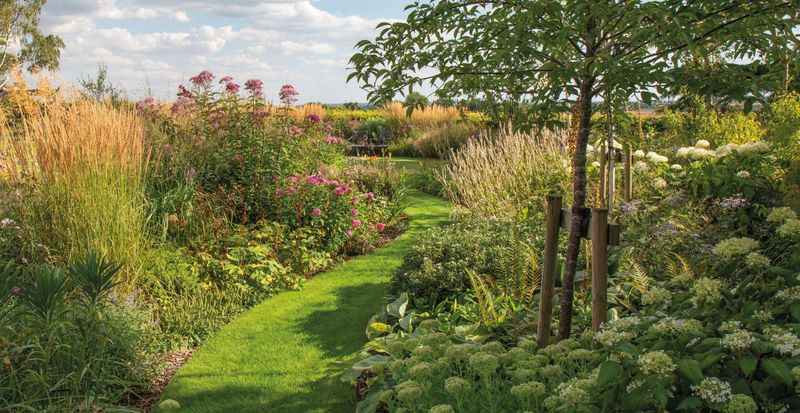
Pick a few healthy native or noninvasive seed plants, give their seeds time to ripen, and keep some cover nearby. Then carry on with invasive plant removal and the mowing your yard really needs.
Those steps keep resources in place that painted buntings are known to use, guided by UF/IFAS mowing advice and bird-friendly plant guidance.
A visit is never promised, but a yard that offers food and shelter has a fair shot. Sometimes the best fall project is simply a slower pair of pruners.