
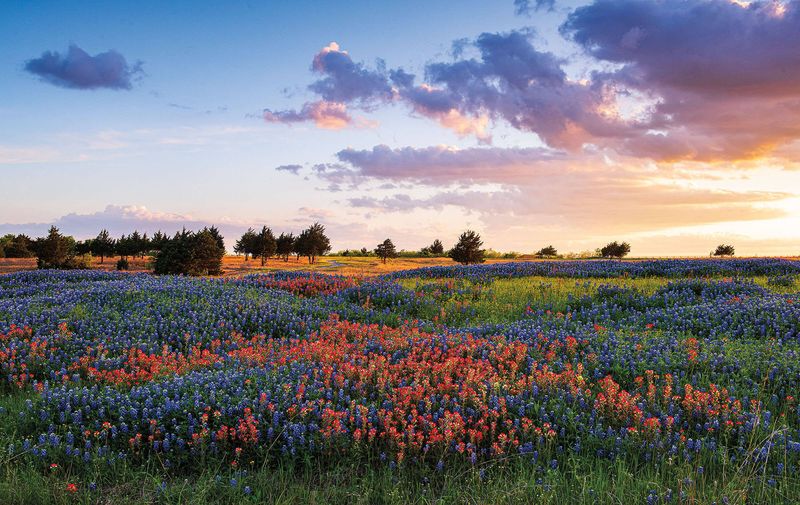
Few sights say Texas spring like red paintbrush glowing next to blue bluebonnets along a country road. You can try to bring a small piece of that scene to your own sunny yard.
The work happens in fall, when the seed goes down and the cool months do the rest. Success is never certain, but a little seed and a bare patch of soil make for a fun experiment.
Fall sowing can lead to spring color
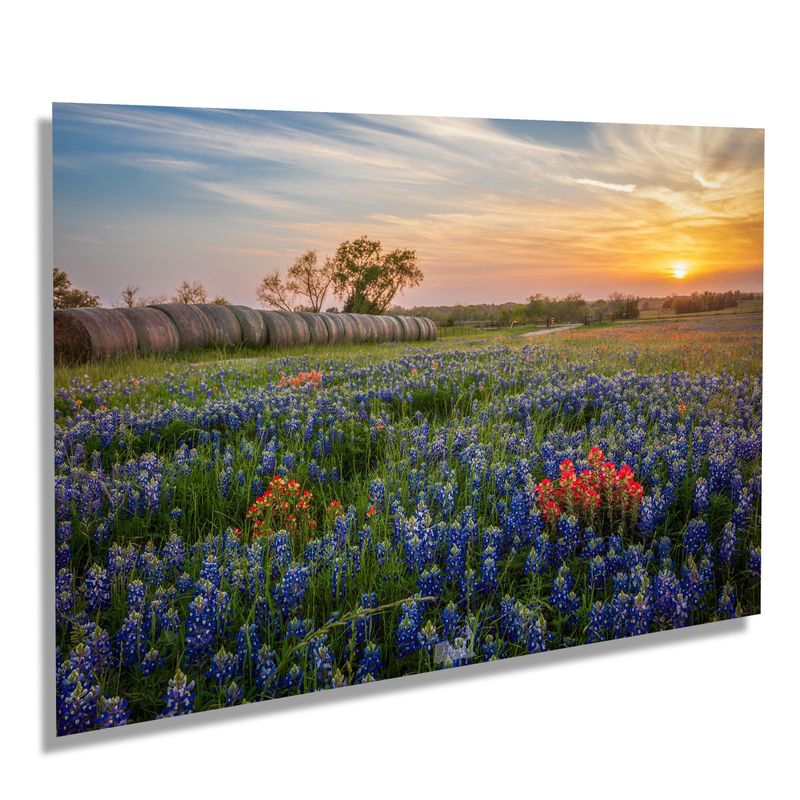
Texas Indian paintbrush, known botanically as Castilleja indivisa and also called Texas paintbrush, is a native wildflower that blooms in early spring. Gardeners sow it in fall so the seed can sit through the cool months and get a chance to sprout.
Texas A&M AgriLife advice puts the sowing window at September, October, and early November, and notes that paintbrush and bluebonnets are both early-spring bloomers that can be planted together.
If you are reading this around October 29, 2026, you are near the end of that window. That does not mean it is too late, but it does mean you should not wait much longer.
Get the seed down in the next few days if you can.
Timing gives you a chance at flowers, not a promise. Paintbrush seed can be tricky to start, and results vary from yard to yard.
Think of this as a worthwhile experiment rather than a sure thing.
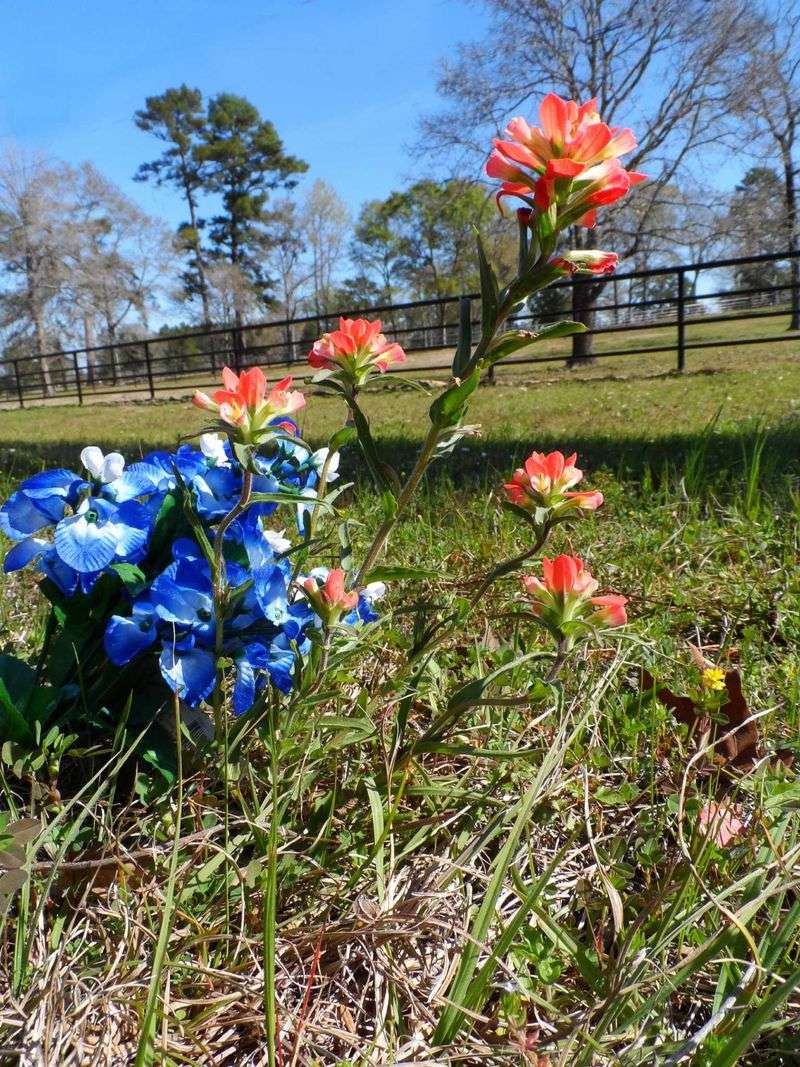
Here is a detail that surprises many people. The bright red or scarlet part is not the flower itself.
As the UT Austin species account explains, those showy tips are bracts, which are modified leaves wrapped around small, less noticeable flowers. Bract color can also vary, so some plants may lean orange, pink, or even yellowish instead of true scarlet.
Choose sunny, open ground
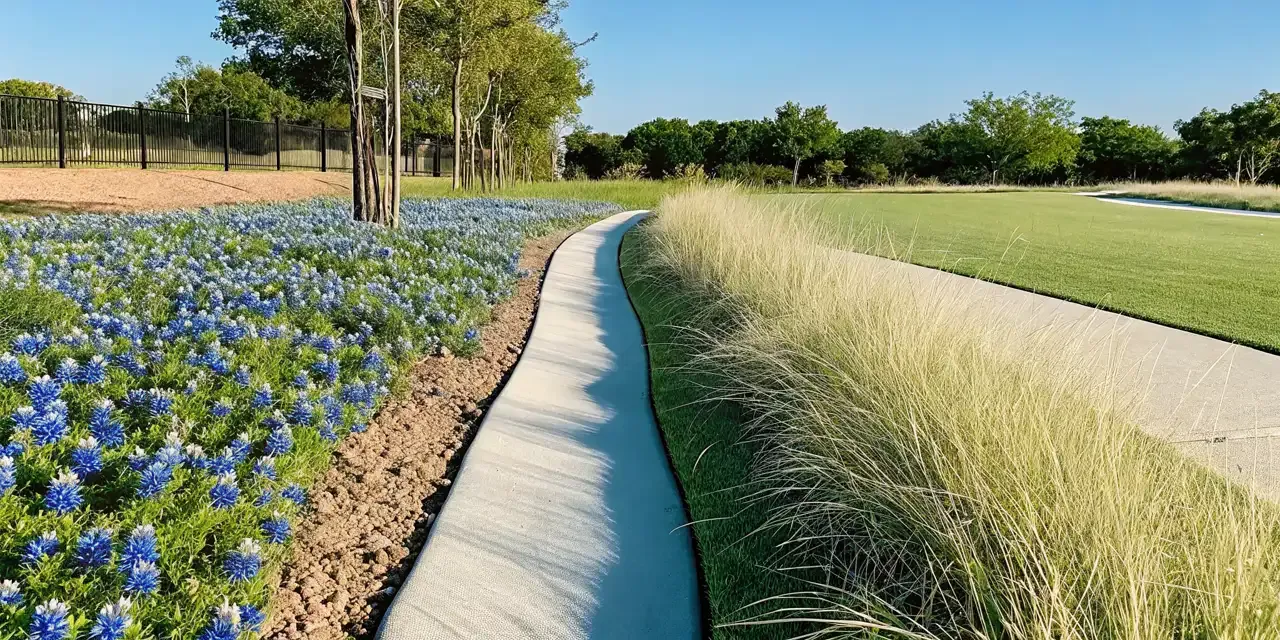
Start by watching your yard for a few hours. Paintbrush wants full sun, so pick a spot that stays bright most of the day, not a corner shaded by live oaks or the house.
Good drainage matters too. A slope, a raised bed edge, or a gravelly patch that never stays soggy after a rain is a better bet than a low spot where water stands.
Next, look at the ground itself. Texas Parks and Wildlife guidance says to remove turf if needed before scattering wildflower seed.
Seed tossed onto thick, intact lawn mostly lands on grass blades and thatch, so it is unlikely to reach soil and take hold. Bare or lightly thinned soil is what you want.
If your chosen patch is covered in sod, you may need to strip it back by hand or with a flat shovel. Thin, patchy ground, such as an old bare spot or a freshly cleared bed, may need little more than a rake.
Paintbrush is hemiparasitic, meaning it can tap into the roots of nearby plants for help. That makes a little surrounding vegetation useful, so do not scrape the whole area into a barren lot.
Leave some native plants or grasses around the edges. You do not need to match it to any one companion.
The Native Plant Society of Texas lists the species for several Central Texas ecoregions, so your local conditions may suit it.
Sow paintbrush seed at the surface
Seed placement is where paintbrush differs from bluebonnets, so go slowly. First, rake the cleared patch to loosen the top of the soil and pull out leftover grass and weeds.
Then buy seed labeled for Texas from a reputable source, since TPWD cautions buyers to avoid introducing non-native plants.
Paintbrush seed is tiny and dust-like. Mixing it with a handful of dry sand helps you spread it evenly and see where it has gone.
Scatter it over the surface, then press it into the soil with a board, your feet, or the back of a rake.
How deep is deep enough? TPWD’s general wildflower advice is to rake or tamp seed in about one-eighth inch.
That is a broad rule for wildflowers as a group, not a tested depth for paintbrush. The species-specific advice from the Native Plant Society of Texas is to sow on the surface or use only a very light cover.
If you are unsure, err toward shallow.
Resist the urge to treat paintbrush like your bluebonnets. TxDOT’s bluebonnet page discusses hard-coated bluebonnet seed, but nothing there has been shown to apply to paintbrush.
Skip the nicking, soaking, and deeper planting you may have done for bluebonnets, and keep the two seed types in separate piles.
Nearby roots may help, but bluebonnets are not required

Paintbrush has a habit that most garden flowers do not. It is a hemiparasite, which means it makes some of its own food through its leaves but can also attach to the roots of neighboring plants and borrow water and nutrients.
The University of Texas describes Castilleja indivisa as an annual hemiparasite in its Williamson County plant account.
Because bluebonnets and paintbrush often bloom side by side, many gardeners assume the bluebonnet is the required partner. That is not what research shows.
A Central Texas study of host effects tested C. indivisa with Texas bluebonnet and with big bluestem, a native grass, and it also reports a broad range of possible hosts.
The takeaway for your yard is simple. Nearby vegetation may give the seedlings roots to latch onto, but no one has shown that a home garden must include bluebonnets or any single host.
Planting them together is fine and looks great if both come up, but it is not a rule.
In practice, that means leaving some native grasses and wildflowers around your sowing area rather than clearing every plant. We cannot say which neighbors will help most in your soil, so treat it as a chance, not a formula.
Keep the seedbed moist, then let plants set seed

Right after sowing, give the patch a gentle misting. TPWD advises keeping the seedbed moist for several days unless rain is in the forecast.
Use a fine spray so you do not wash tiny seed into clumps or off the bed.
After those first days, you can ease off. Paintbrush does not need constant irrigation.
TPWD suggests watering every two to three weeks during long winter dry spells, which is a light touch compared with a lawn. A Central Texas winter often brings a dry stretch, so mark your calendar and check the soil rather than watering on autopilot.
Come spring, resist the urge to tidy up as soon as the color fades. Let the plants finish blooming and drop their seed before you mow or cut the patch back.
That gives them time to scatter seed into the soil.
Dropped seed can replenish the seed bank, which is the stash of seed waiting in the ground. It cannot ensure future blooms.
Some years may bring more plants, and others may bring none, so enjoy whatever shows up.
When you do cut back, wait until the seed heads have dried and the plants have browned. Leave the clippings on the patch for a day or two so any last seed can fall.
Treat spring blooms as a possibility
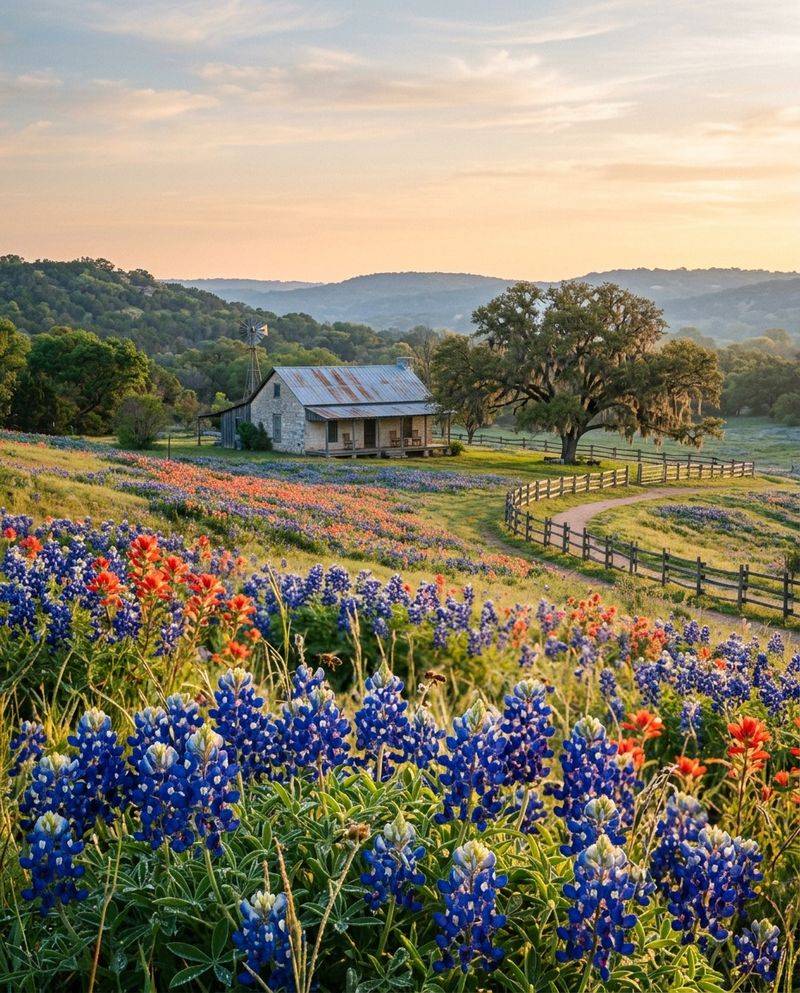
The plan is short. Sow in the September to early November window, pick sunny, exposed soil, keep the seed at the surface or barely covered, and give it early moisture.
That is all it takes to give paintbrush a fair shot.
Then keep your expectations honest. TxDOT describes the seed as difficult to germinate, and Texas A&M notes that first-year results vary by plant type.
If red tips do appear next to your bluebonnets, you will have earned a rare treat.