
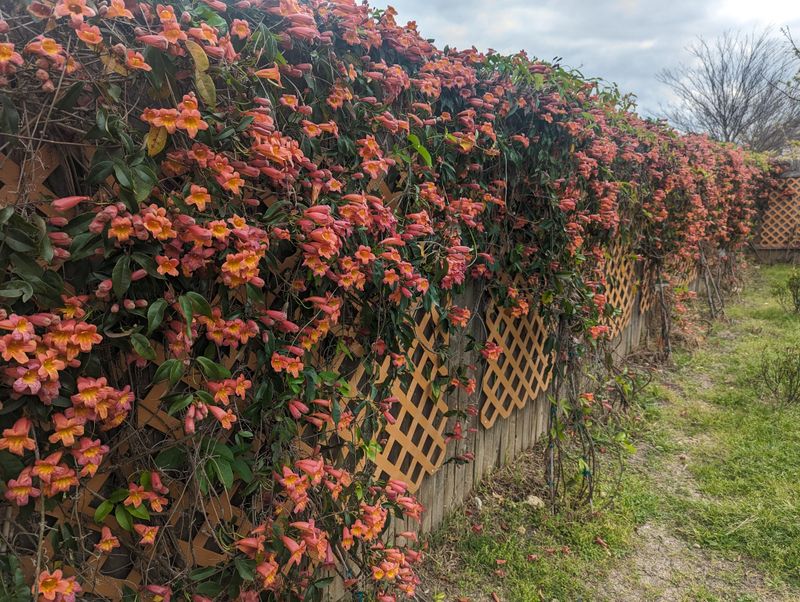
A bare fence can make a Texas yard feel stark, especially once the summer sun starts beating on it. Crossvine is a tough climbing vine with orange-red spring flowers that many gardeners use to soften wood and wire.
It is not the right pick everywhere in Central Texas, and it will not hide a fence overnight. Here is how to check whether it fits your yard and how to give it a good start this fall.
Crossvine can cover a fence, but not on a promised deadline
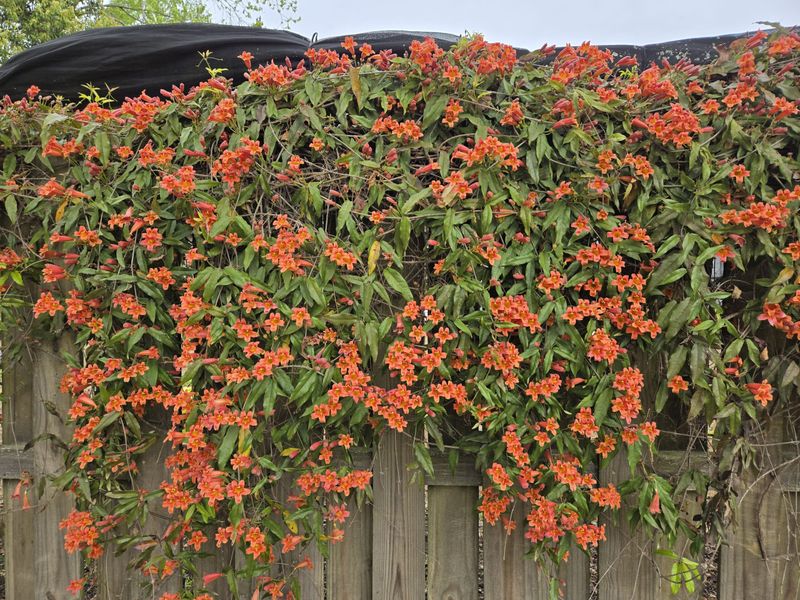
Crossvine (Bignonia capreolata) earns its spot as a fence vine. Extension guidance from the University of Georgia calls it fast-growing and a good choice for covering fences.
It is a woody, semi-evergreen perennial that can stretch roughly 30 to 50 feet long, so a mature vine has plenty of reach.
Here is the catch. Fast-growing describes what the plant can do over time, not how quickly a small nursery transplant will fill your fence.
A Central Texas Gardener profile says it can take a few years to cover its space.
Nobody has tested a set timeline for crossvine, so a promise of full coverage by next summer would be guesswork. Your results will depend on several things:
How big the plant is at purchase, how long and tall your fence is, how much sun it gets, how well the soil holds moisture, and how much training the vine receives. A small plant on a short fence in a bright spot may fill in sooner than a tiny one on a long, shaded run.
The better goal is steady progress. Expect some growth the first season as roots settle in, and look for the vine to gain speed once it is established.
The USDA plant guide also notes that this vigor needs some management, which we will get to later.
Before you buy, though, there is a local question to settle: whether crossvine belongs in your part of Central Texas at all.
Check whether crossvine is native where you garden
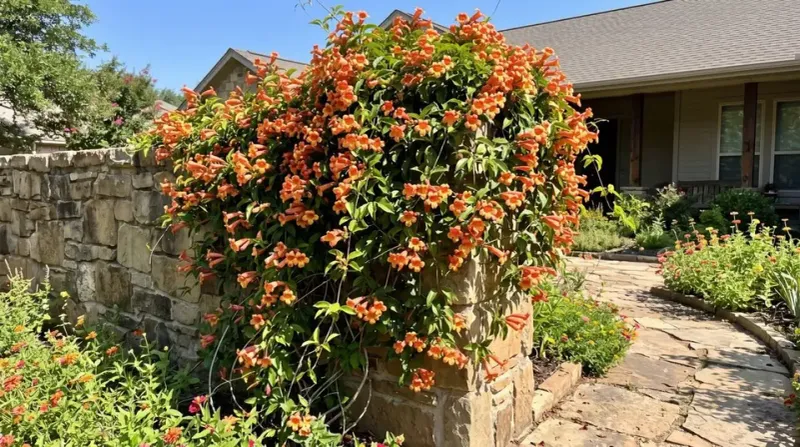
Texas native does not always mean native to your neighborhood. Central Texas covers several different ecoregions, and plants that thrive in one can be missing from another.
Crossvine is a good example.
The City of Austin plant guide says crossvine is not native to the Edwards Plateau or the Blackland Prairie. That covers a large share of the Austin area, including Hill Country limestone country and the black clay soils to the east.
That does not mean crossvine is a bad choice across all of Central Texas. It does mean you should not call it a local native until you have checked.
Start with the county or ecoregion where you live. The USDA GRIN-Global taxonomy entry for Bignonia capreolata shows where the species occurs.
A local native plant society, county extension office, or nursery that specializes in native plants can also tell you whether it grows wild near you.
If your yard falls outside its native range, you can still decide whether to grow it, but go in with open eyes. Keep a closer watch on how it spreads, and talk with local growers about how it has performed in similar soil.
If you want a strictly local native, ask for alternatives suited to your ecoregion.
Give the vine light and a sturdy fence to climb
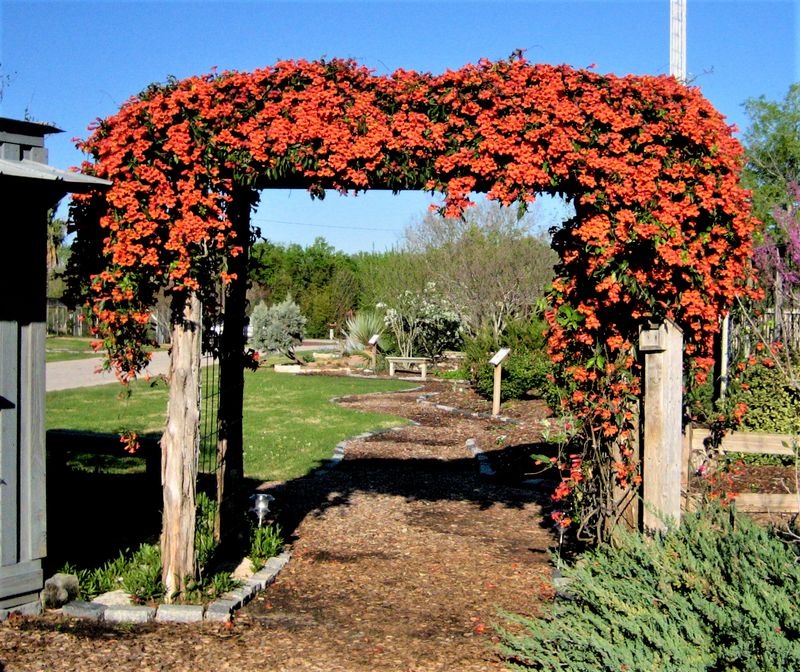
Walk your fence line at different times of day before you dig. Crossvine does well in sun to part shade, according to the Central Texas Gardener profile.
For the best flowering, aim for full sun and enough moisture.
A spot that gets six or more hours of direct light is a strong candidate. A fence in dappled shade will still work, but you may see fewer blooms.
Now look at the fence itself. Crossvine climbs with tendrils, and the USDA plant guide describes a woody vine that can grow very long.
A mature plant gets heavy, so a flimsy or rotting fence is a poor match.
Tendrils need something thin to wrap around. Smooth solid boards can be hard for them to grip, so many gardeners add wires, mesh, or a trellis panel against the fence.
Chain-link works well because the tendrils can catch the wire.
Also think about the plant’s reach. The City of Austin guide lists it as a vigorous climber, so keep it away from gutters, roof edges, and a neighbor’s yard unless you want it to wander.
If the fence needs repair or paint, do it before planting. Pulling a established vine off a fence later is a hard job.
Plant in fall to allow time for establishment
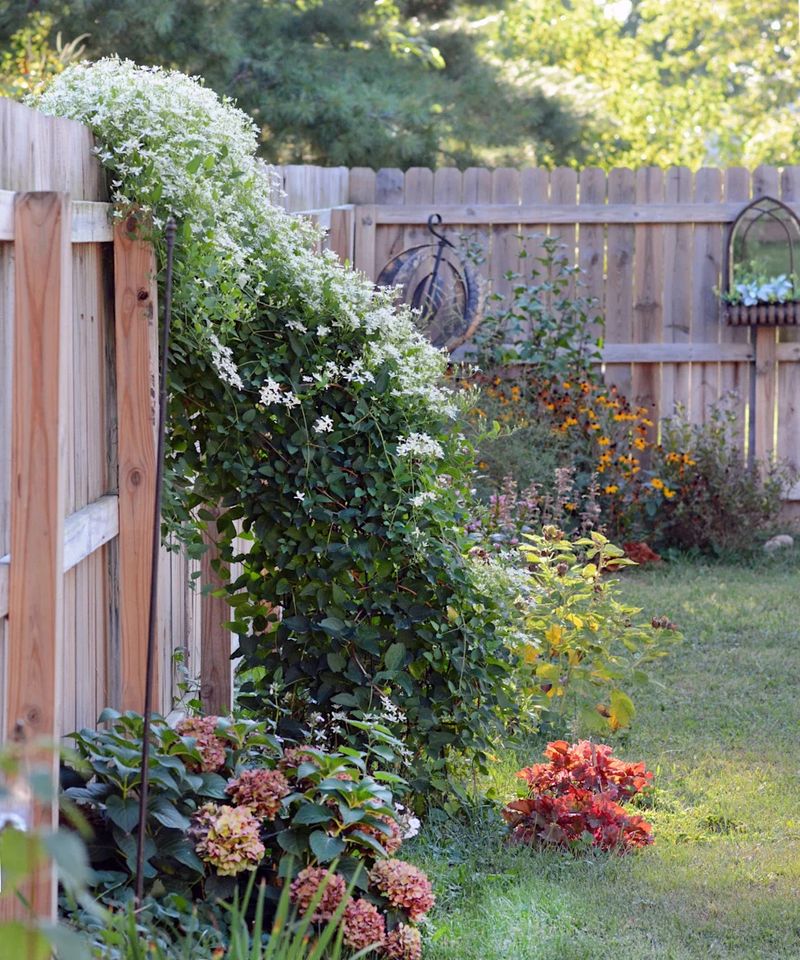
Planting day matters as much as plant choice in Texas. Summer here is long, hot, and often dry, and a new plant with a small root system has a hard time in it.
That is why Texas A&M’s wildscape guidance recommends cool-season planting, including late fall. Hardy plants put in then have months of mild weather to build roots before the heat returns.
Think of fall as a head start, not a shortcut. A fall planting gives the vine a better chance to settle in, but it does not guarantee fast coverage.
You may see slow top growth through winter while roots do the work underground.
When you plant, dig a hole about as deep as the root ball and a bit wider. Set the vine close to the fence or trellis, but leave a few inches so air can move and roots are not crowded against posts.
Loosely guide any existing shoots toward the support, then spread a layer of mulch over the soil, keeping it off the stem.
With the vine in the ground, its first few weeks of care will shape how well it takes hold. The next step is getting water right.
Water the transplant thoroughly, then let the soil dry down

Once crossvine is established, it handles dry spells well. The Central Texas Gardener profile and the USDA plant guide both describe it as drought tolerant.
A new transplant is a different story, because its roots have not spread into the surrounding soil yet.
During establishment, pay attention to soil moisture. Water slowly and deeply so the whole root zone gets wet, then wait for the soil to dry down before watering again.
The Texas A&M EarthKind guidance on efficient water use supports this approach over frequent light sprinkling, which tends to wet only the surface and encourages shallow roots.
The sources do not give a fixed schedule, and none would fit every yard. Clay holds water for days, while sandy or rocky soil dries fast.
Check by pushing a finger or trowel a few inches into the soil near the plant. If it is still damp, wait.
If it is dry, water deeply.
Soggy soil is a problem too, so avoid watering on autopilot. Mulch helps hold moisture and cools the soil.
Over time, you can stretch the gaps between waterings as the vine grows, and by its second year it should need much less help from you.
Train young growth and watch for suckers
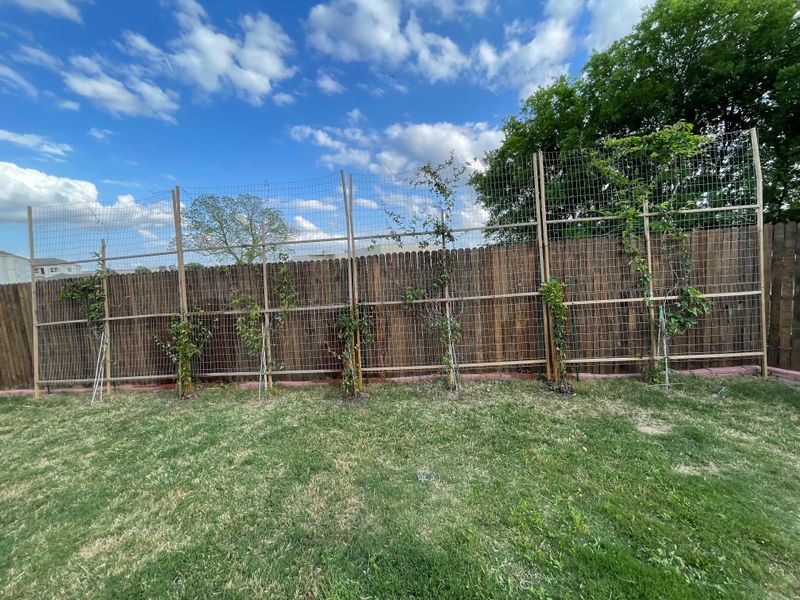
A vine does not climb a fence on its own schedule. Extension guidance from the University of Georgia says crossvine may need training for its first few years after transplanting.
In practice, that means checking the plant every couple of weeks in the growing season. Loosely tie long shoots to the support with soft twine, and point them in the direction you want them to cover.
Spread stems sideways along wires to fill gaps, rather than letting everything shoot straight up.
Pruning is part of the job as well. The City of Austin guide points to pruning as a way to direct growth.
Trim stray stems that reach over the fence, into gutters, or toward trees.
Then there is spread. The USDA plant guide warns that crossvine can spread by root suckers and become a problem if left alone.
If you spot shoots coming up away from the main plant, cut or dig them out early.
Do not mix it up with trumpet creeper (Campsis radicans), a different vine. North Carolina State Extension describes trumpet creeper as an aggressive spreader that suckers and can irritate the skin of some people, so it is not a like-for-like swap.
Consider coral honeysuckle for a less aggressive chain-link option
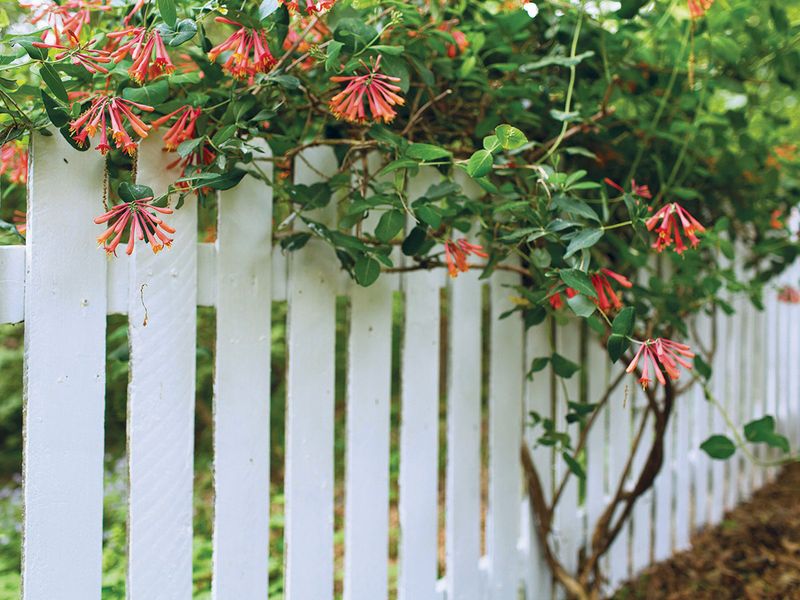
If your fence is chain-link and you want a calmer vine, coral honeysuckle (Lonicera sempervirens) is worth a look. Central Texas Gardener describes it as non-aggressive, usually evergreen, and suitable for chain-link fences.
Those are the documented traits, and they are useful ones. A less pushy vine can mean less pruning and fewer surprises along the fence line.
The UF/IFAS Gardening Solutions page offers more detail on growing it.
What the sources do not say is that coral honeysuckle covers a fence faster than crossvine, so do not choose it for speed. Pick it if you value restraint over reach.
Whichever vine you pick, base the choice on local fit and honest expectations. Check the plant’s range for your area, match it to your fence and light, and plan for a few seasons of growth.
A fence that fills in gradually still looks better than a bare one.