
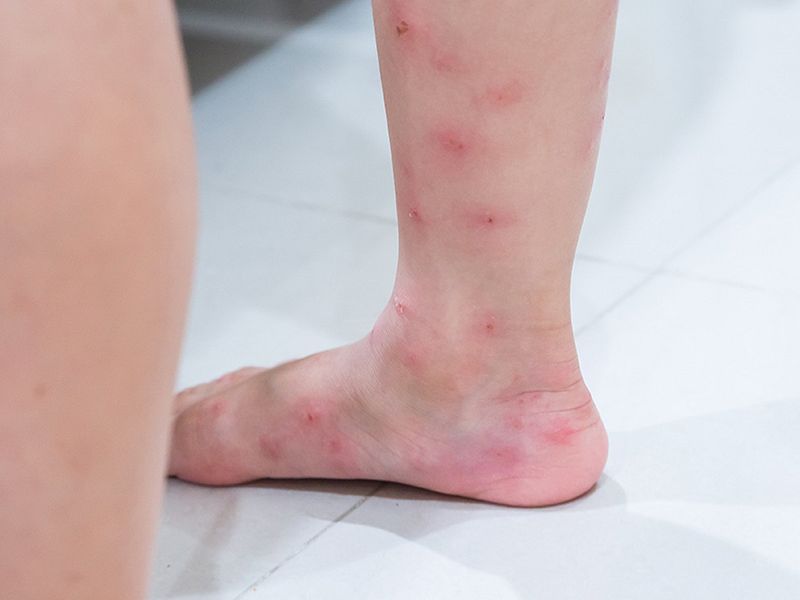
You were pulling weeds when a burning sting hit your ankle, then another, then ten more. A day later, little white bumps show up, and they look like they are begging to be popped.
Those bumps are one of the most common parts of a fire ant sting, and what you do with them matters. Here is a calm, simple order of steps for North Carolina yards.
Leave the mound and remove attached ants

Step one happens fast: get away from the mound. Fire ants grab the skin with their jaws and then sting, and one ant can sting more than once.
Every second you stay put gives more ants a chance to climb on and add stings.
Once you are a few steps clear, brush the ants off with your hand or a cloth. Poison Control advises brushing them off rather than waiting for them to drop.
Work upward from your shoes and socks, since ants often climb along the legs before they start stinging.
Some ants hold on tight. The American College of Allergy, Asthma and Immunology notes that ants grip the skin and may need to be removed one at a time.
Flick or pinch off any stubborn ones, and check places you cannot see easily, such as the back of the knees, inside the cuffs of your pants, and your waistband.
If you are wearing gloves or work boots, take them off and shake them out. A hidden ant can keep stinging long after you think the trouble is over.
Take a quick look at anyone who was working next to you, too, especially children, because they may not notice ants on their own legs.
This step is only about stopping new stings. Treating the sting sites themselves comes next, once you are sure no ants remain on your skin or clothes.
Wash the skin and cool the sting sites

With the ants gone, head inside or to a hose and wash the stung skin with soap and water. This clears away dirt from the yard and keeps the area clean while it settles down.
Pat it dry with a clean towel instead of rubbing.
Poison Control recommends washing the area and then using a cool compress. A damp cloth chilled in the refrigerator works fine if you do not have ice handy.
The cool feel can take the edge off the burning and throbbing.
For mild stings, MedlinePlus describes a simple routine: put ice wrapped in a cloth on the area for 10 minutes, take it off for 10 minutes, then repeat as needed. The cloth matters because ice placed straight on the skin can irritate it.
Keep expectations realistic. Cooling is for comfort.
It will not stop a white pustule from showing up later, and it is not a way to head off an allergic reaction.
Pain, itching, redness, and some swelling right around the stings can all be part of an ordinary reaction. Keep an eye on how you feel while you cool the area, and sit down in the shade if you want a break from the heat.
Why a white pustule should stay intact
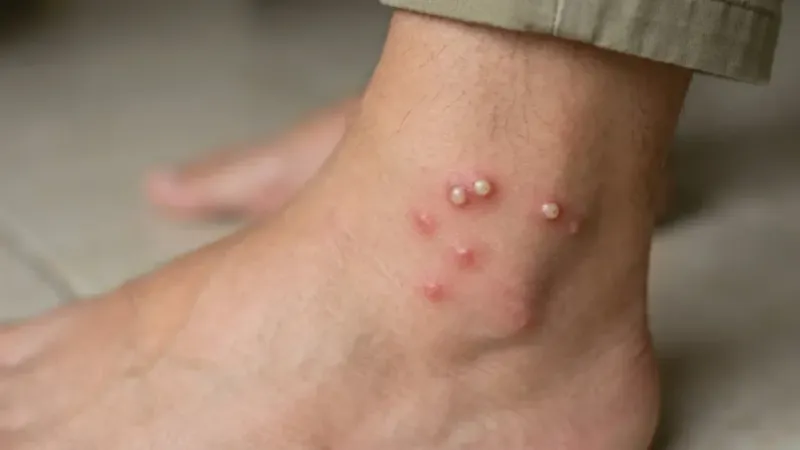
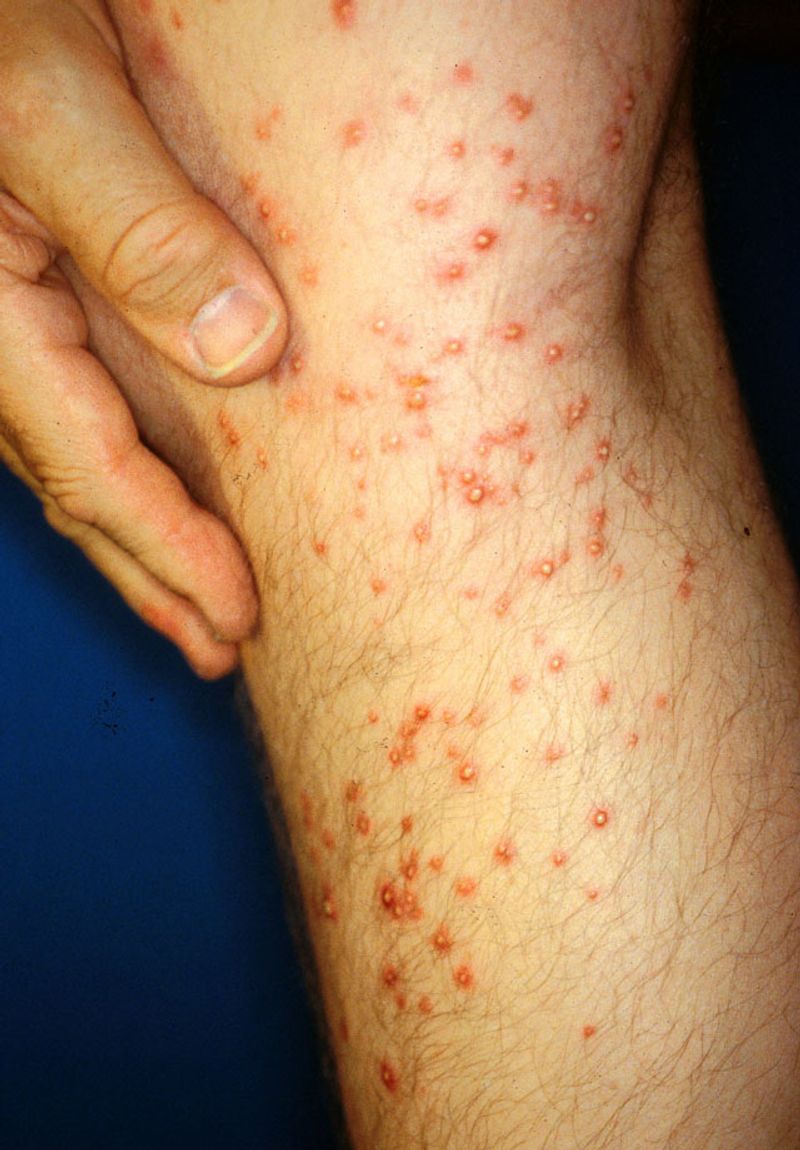
Around a day after the stings, small white bumps often appear. NC State Extension reports that these pustules usually form within about 24 hours.
They are a common reaction to fire ant venom, so seeing one does not mean something has gone wrong.
The white, pus-like look can be alarming, but it does not prove infection. Poison Control says these pustules are usually sterile, meaning no germs are inside when they first form.
Looks alone cannot tell you whether a bump is infected.
So why leave it alone? Opening the skin creates a doorway.
NC State Extension warns that scratching can rupture pustules, which can increase the risk of secondary infection and scarring. Increased risk is not a guarantee, and many people who pop one will be fine, but there is simply no upside to taking the chance.
An intact pustule acts like a natural cover over the spot while your skin does its repair work. Popping it removes that cover and leaves raw skin exposed to dirt, fingernails, and clothing.
Think of it this way: you are not leaving it because it is infected. You are leaving it because it is better off closed.
Ease the itch without breaking the skin
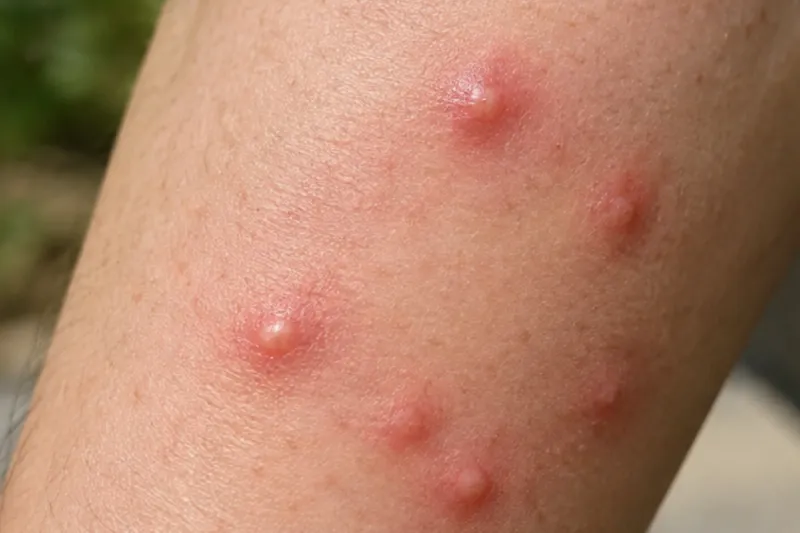
Itching is usually what tempts people to scratch. A gentle plan helps you get through it with the pustules still intact.
The American College of Allergy, Asthma and Immunology says a topical corticosteroid ointment or an oral antihistamine may help with itching. Either one is about comfort, and neither one makes it safe to rupture a pustule.
Read the label and follow the directions on any product you use. If you are unsure which one suits you, or you take other medicines, a pharmacist or clinician can point you in the right direction.
This is especially helpful for children or anyone with health conditions.
A few habits can back up the medicine. Keep fingernails trimmed short, wear loose clothing over the area, and repeat the cool compress when the itch flares.
Covering the spot loosely can also help you avoid scratching without thinking about it, especially at night.
Keep one boundary clear. Itch relief is separate from emergency treatment.
Antihistamines do not replace the response needed for a severe allergic reaction, which is covered in a later section. As Poison Control reminds readers, the goal is still to avoid popping or scratching the pustules.
Which changes call for medical advice?
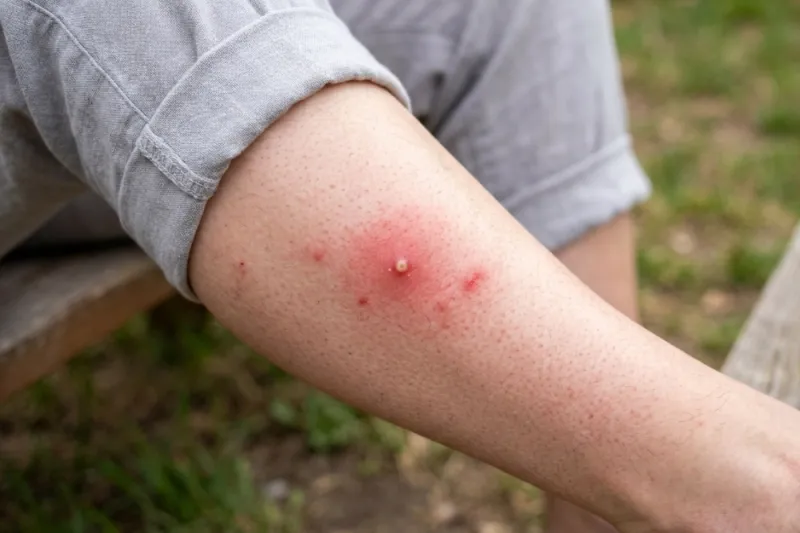
Some discomfort is normal. Pain, itching, redness, and swelling around the stings can all be part of an ordinary reaction, and the white pustule by itself is not proof of infection.
What deserves attention is a change for the worse. Call a clinician if the redness keeps spreading, the area feels warm, the pain increases instead of fading, the swelling grows, or a fever develops.
MedlinePlus guidance on skin lesions points to signs like these as reasons to get medical advice. Appearance alone cannot settle the question, so a professional should make the call.
A simple habit helps: look at the area each morning and evening. If you want to track spread, you can compare it with how it looked the day before.
Photos on your phone make changes easier to spot.
As for timing, there is no single healing date. MedlinePlus gives a usual range of 3 to 8 days, and Poison Control says some pustules can linger for a couple of weeks.
NC State Extension describes the same pattern of pustules forming and then slowly fading.
A slow fade fits the pattern. Worsening is the signal to call.
Severe symptoms need emergency care

Most stings stay local, but some reactions are emergencies. Watch for trouble breathing, swelling of the face or throat, dizziness, or symptoms beyond the sting sites, such as hives across the body.
If these appear, use prescribed epinephrine if you have it and get emergency medical help right away. The American College of Allergy, Asthma and Immunology identifies epinephrine as the emergency treatment for a serious reaction.
Antihistamines do not replace epinephrine or emergency care.
This is not limited to people with a known allergy. Allergic reactions can occur even after earlier stings that caused only ordinary symptoms.
On the other hand, if you do have a known severe allergy, get prompt medical attention after any sting, even if you feel fine at first.
Multiple stings can also cause broader trouble. MedlinePlus lists vomiting, diarrhea, breathing difficulty, rapid heartbeat, and shock.
No sting count marks a safe or unsafe line, so judge by symptoms instead of numbers.
When in doubt, call for help. Poison Control can also answer questions about stings, but any breathing trouble or swelling of the face or throat should go straight to emergency services.
Remember the sequence and leave the pustule alone
Keep the order simple: step away from the mound, brush off every ant, wash, cool, and let any white pustule stay closed. Reach out for medical advice when symptoms worsen, and call for emergency help if breathing or swelling becomes a problem.
A yard is still a good place to spend time, and a little preparation goes a long way. Fire ants are part of the Southern landscape, so knowing the plan ahead of time makes the next sting far less stressful.
Hands off is the whole trick: a pustule you never touched is one you never have to worry about.