
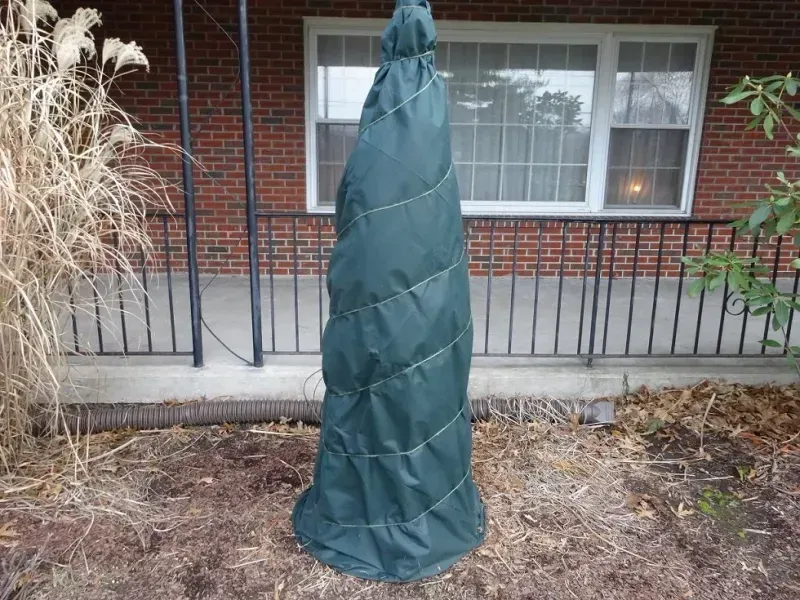
Picture a fig tree in January, bare and quiet, with next summer’s earliest fruit already tucked into its branches. A hard freeze can damage that older wood, and for some fig varieties that means fewer early figs.
Whether it happens to your tree depends on the variety, the weather, and where it grows. Here is how to tell if your fig needs help and what to do about it.
Brebas depend on last year’s branches
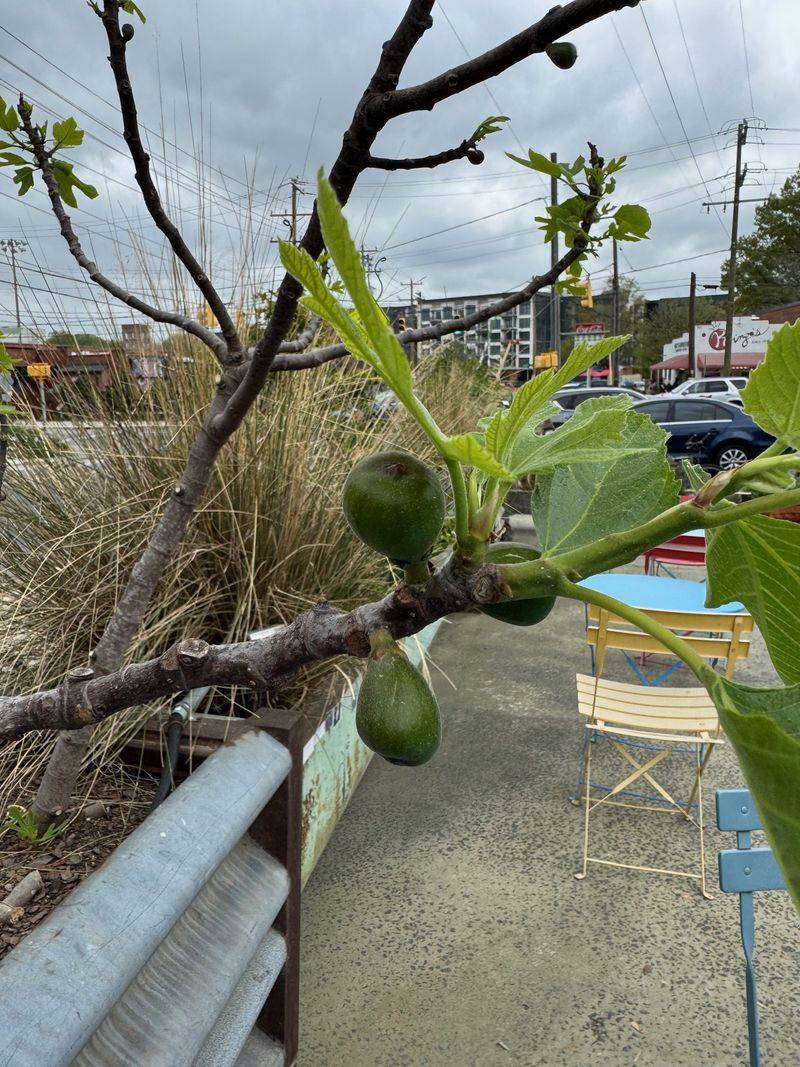
Brebas are the early figs that ripen first, and they form on the previous year’s growth. If a freeze kills those older branches, the breba crop shrinks or disappears on trees that make one.
That is the real risk behind winter fig care.
The main crop works differently. According to University of Tennessee Extension, the main crop forms on current-season growth, and the early crop may be absent because winter killed the shoots that would have carried it.
So losing old wood is not the same as losing every fig. A tree that dies back can push up fresh shoots in spring, and those shoots may still carry the main harvest later in summer. Think of brebas as a bonus crop that cold can trim, not the whole season on the line.
Not every fig tree carries a reliable breba crop
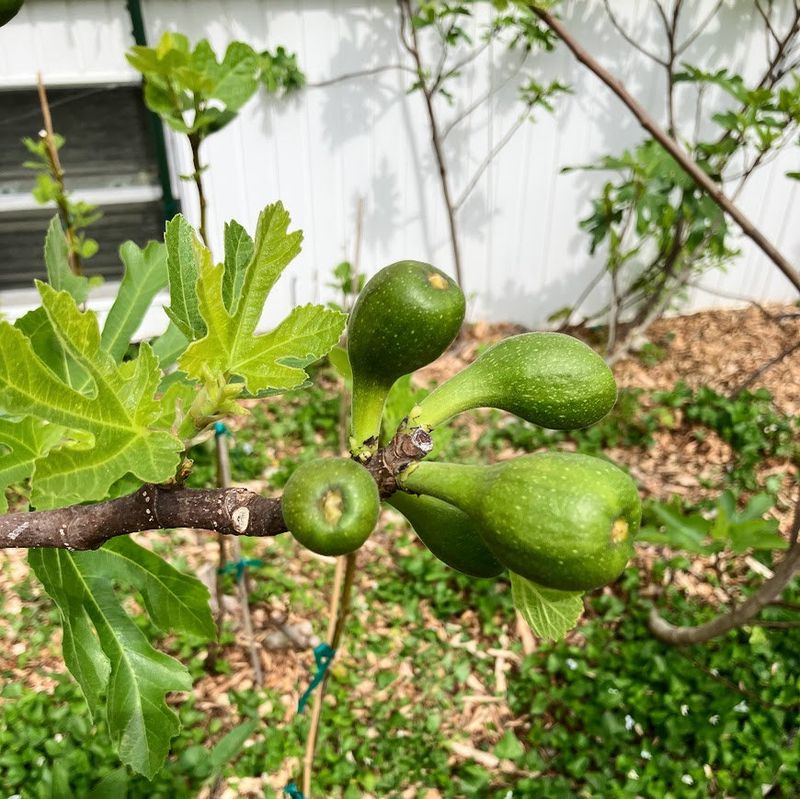
Plenty of gardeners assume every fig makes two crops, but that is not so. Breba production depends on the cultivar, and some varieties set little or none.
The Tennessee Extension fig guide notes that only some cultivars produce this early crop.
Even a variety capable of two crops may skip one. Rutgers Cooperative Extension points out that such varieties may not deliver both crops every year.
Before you spend a weekend wrapping, look up your variety. Check the plant tag, your nursery receipt, or a local extension fig list.
If your fig is known for a strong main crop and a weak breba crop, preserving old wood may matter less to you than it does to a neighbor with a heavy breba bearer.
Cold injury depends on the tree and its setting
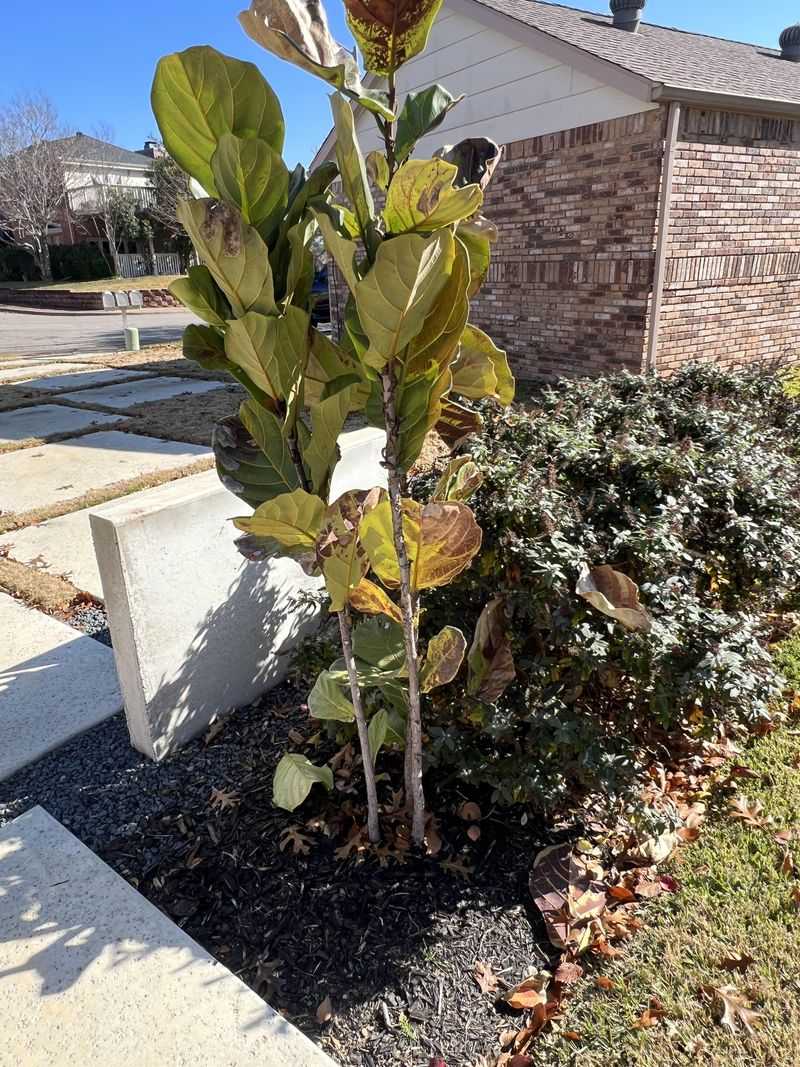
An unwrapped fig will not automatically lose its branches. Winter damage swings with the cultivar, how well the tree has acclimated to cold, soil moisture, the actual temperatures, and how exposed the spot is to wind.
In Texas, Texas A&M AgriLife says injury varies with variety, soil moisture, and acclimation. Established trees may rebound even after a freeze to ground level, and they can sometimes fruit later that same summer on new growth.
The South is not one climate, so there is no single wrap-now temperature. UF/IFAS notes that fully dormant, well-conditioned figs may handle roughly 15 to 20 degrees Fahrenheit without severe damage, but Florida figs may not be well conditioned for cold.
Treat that as a rough guide, not a rule.
A quick check on your own yard history helps. If your tree has come through past cold snaps with little dieback, it may need less help than a young or recently fertilized tree.
A sheltered planting site can help
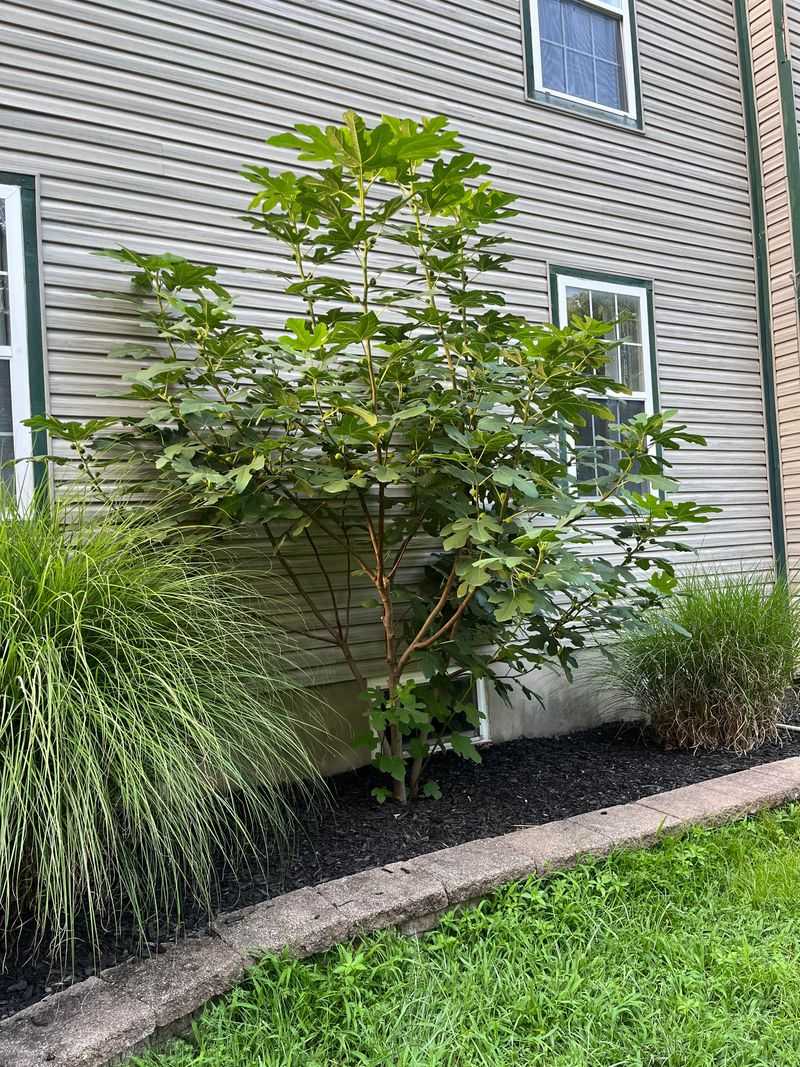
Where a fig grows can matter as much as how you cover it. In colder or windier areas, a spot close to a building often gives the tree a gentler winter.
Walls block wind and can hold a bit of warmth.
The University of Georgia recommends a sheltered location near a building in colder areas, and Texas A&M gives similar advice.
Shelter helps, but it does not guarantee a tree will escape cold injury. A very hard freeze can still hurt wood next to a wall.
If your fig is already in the ground, you cannot easily move it. In that case, note which side takes the worst wind and focus any protection there.
For a new planting, pick a bright, protected corner now.
Wrap dormant branches after the leaves drop
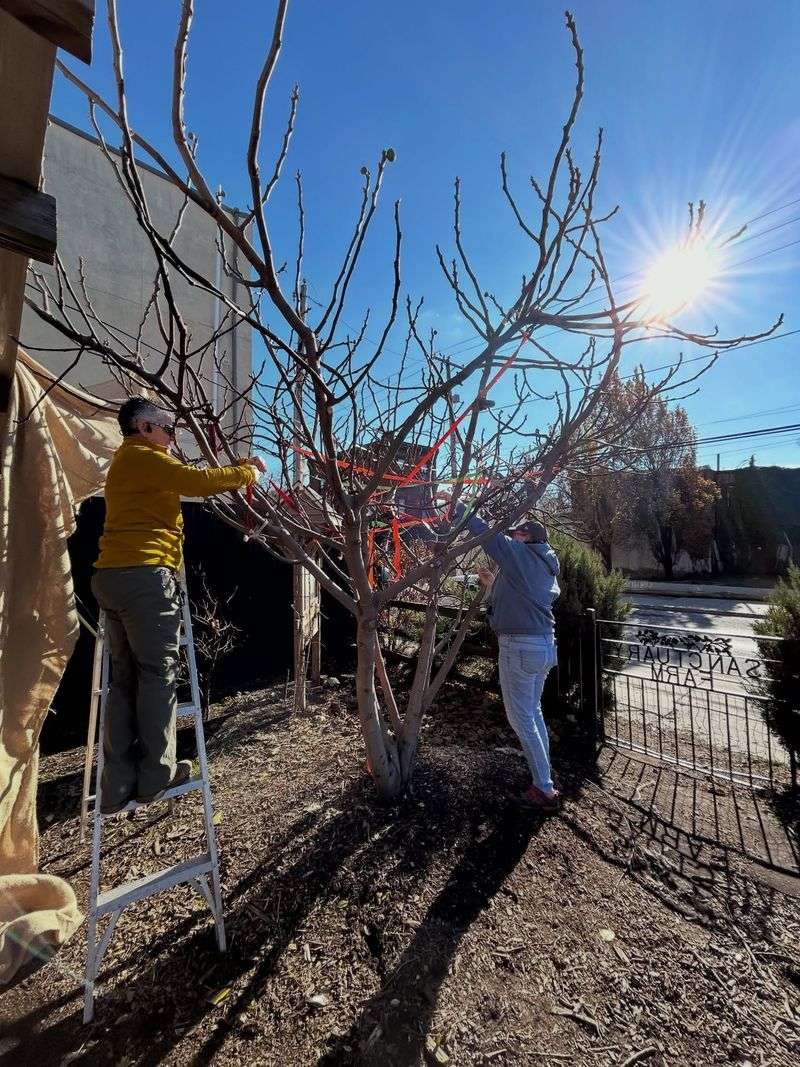
If you want to cut the odds of dieback, wrapping is one option. Wait until the leaves have dropped.
The Connecticut Agricultural Experiment Station describes tying branches together and wrapping them with burlap, canvas, or cardboard, with leaves added as insulation.
The Brooklyn Botanic Garden offers similar step-by-step wrapping instructions.
Another approach comes from Texas. Texas A&M describes a wire cage filled with hay, lawn clippings, or leaves.
Either method may reduce winter exposure, but neither promises the tree will survive every freeze. Take the covering off after the risk of spring frost has passed, so the tree is not smothered as it wakes up.
Wait for regrowth before pruning cold-damaged wood
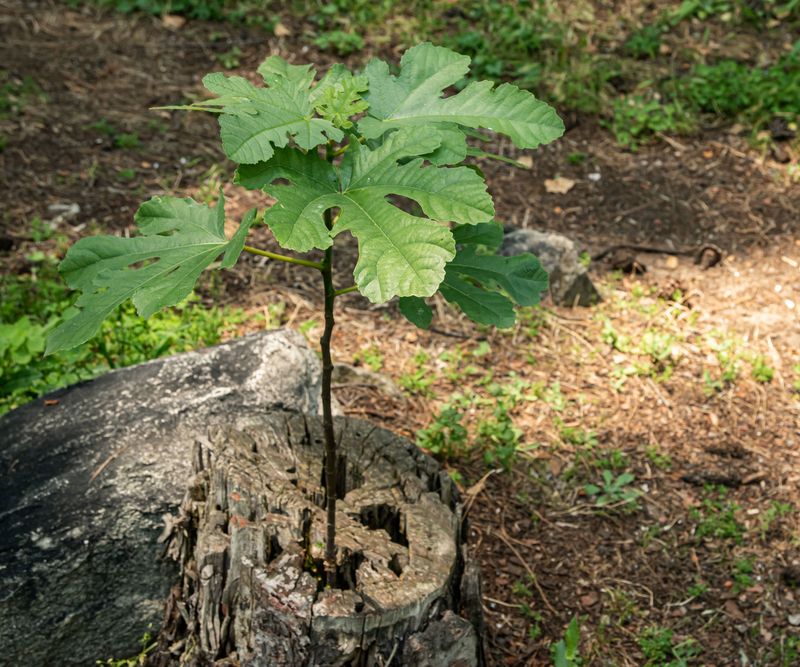
After a hard freeze, a fig can look dead when it is only slow. Hold off on the pruners.
UF/IFAS Gardening Solutions advises waiting until regrowth begins, so you can see which wood actually survived.
Scratch a twig with a fingernail. Green underneath is a good sign, while brown and dry means that section may be gone.
Buds swelling along a branch tell you where to make cuts later.
Cutting too early carries a cost. UF/IFAS warns that heavy winter pruning can eliminate the following year’s crop.
This recovery step is separate from wrapping, and it applies to any fig that took a hit. Patience is the cheapest tool in the shed.