
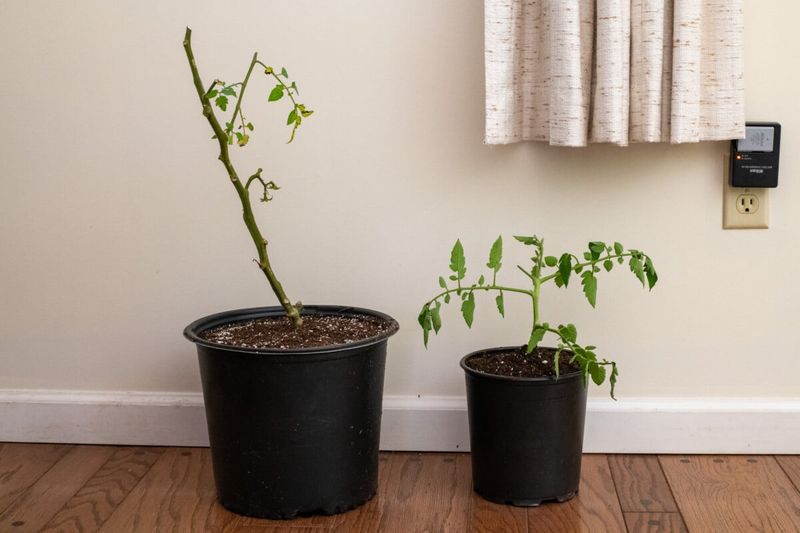
A potted tomato parked in the garage can sit there for weeks without adding a single new leaf. Many gardeners blame the cold, but a dark corner can be just as much of a problem.
Sorting out which one is holding your plant back tells you what to fix. Here is how to check, choose a realistic goal, and decide whether a cheap light setup is worth a try.
Is the garage dark, cold, or both?
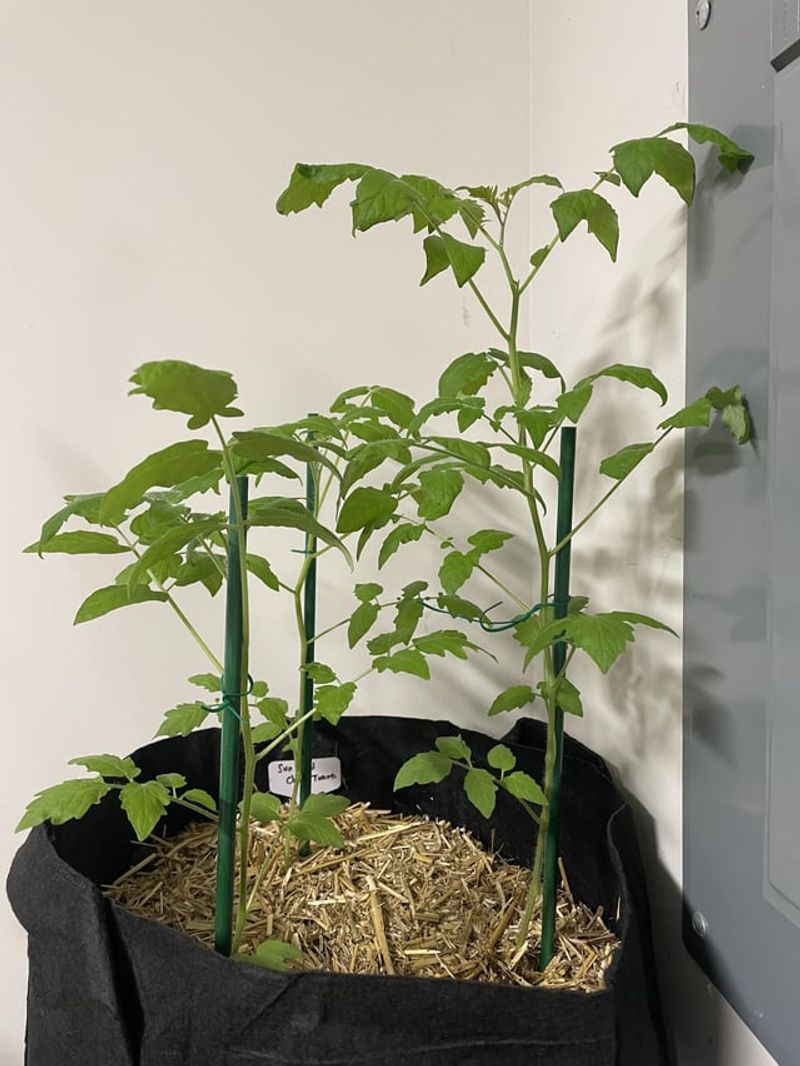
A garage with no windows or only a dim one cannot support active tomato growth, because the plant has too little light to build new leaves. Cold is the other suspect.
Putting a thermometer next to the pot for a few days shows what the plant actually lives with, including the overnight lows.
The temperature numbers come with limits. Utah State University Extension says temperatures below 50°F can harm tomatoes, and it recommends a bright location plus artificial light.
UC IPM notes that tomatoes grow slowly around 45°F and can suffer frost injury near 32°F.
Treat those figures as warning signs, not a precise kill chart. How long the plant stays cold and the rest of its conditions matter too.
So moving the pot to a brighter spot may not be enough if that spot stays chilly, and a warm but dim closet will not do the job either. Look at both factors before you decide what is stalling your plant.
Set a realistic winter goal before buying a light
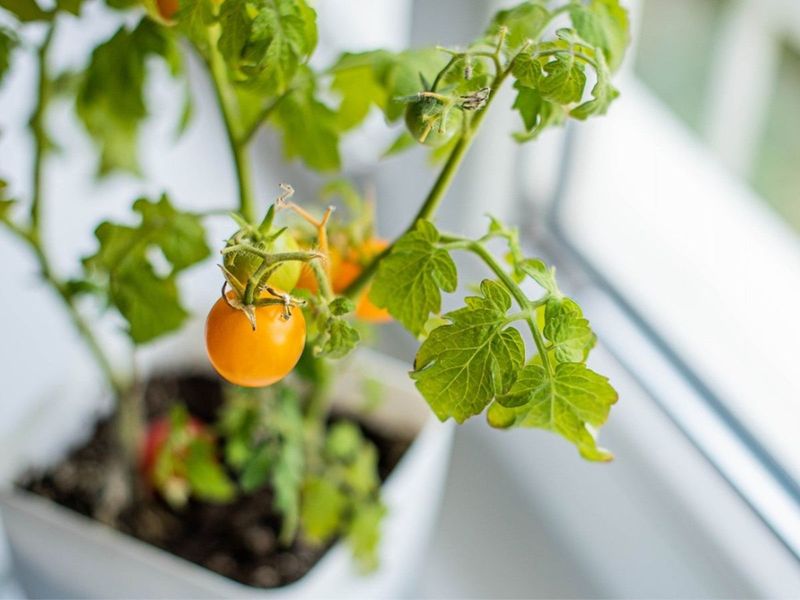
Three different goals hide inside the phrase “save my tomato.” You can keep the plant alive, you can keep it growing steadily, or you can try for fruit. Each one asks more of your setup than the last, and a cheap fixture does not guarantee any of them.
Supplemental light can make indoor tomato growing possible. Utah State describes using inexpensive shop-light fixtures for indoor tomatoes.
Fruiting vegetables are hungrier for light than plants that are just getting by, and Iowa State notes that tomatoes grown for fruit need a high daily light integral.
If you mostly want a head start on spring, aim for maintenance and treat any new growth as a bonus. If you want real winter growth, expect to need stronger light and steadier warmth.
Pick your goal first, then spend money to match it.
Inspect and isolate the plant before bringing it indoors
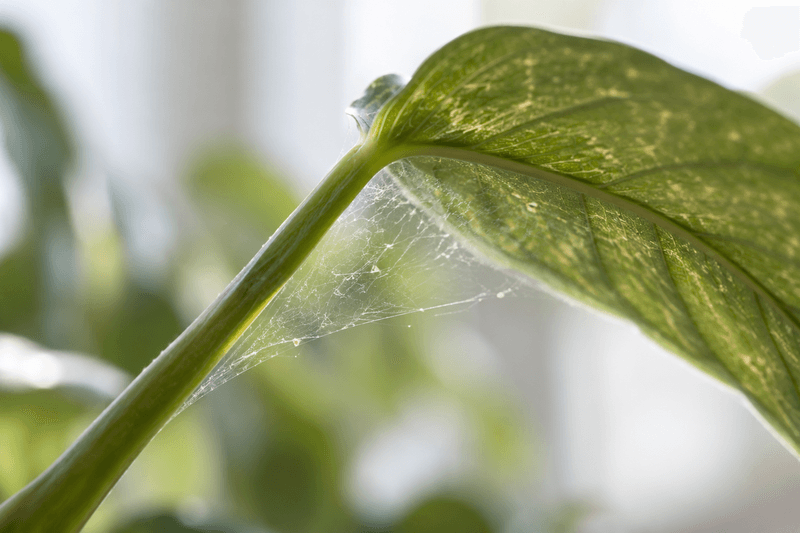
Anything living on your tomato will move indoors with it, so a quick check at the door pays off. Look at the tops and undersides of the leaves, run your eyes down the stems, and check the soil surface and the outside of the pot.
Tiny specks, webbing, sticky residue, or small flying insects near the soil are all clues.
University of Minnesota Extension lists aphids, spider mites, and fungus gnats among the pests that show up on indoor plants. Those are examples, and not every plant carries them.
A careful look simply gives you a chance to catch trouble early.
After inspecting, keep the tomato apart from your other houseplants if you can. Minnesota Extension recommends inspecting and isolating plants brought in for winter.
A spare room or a separate corner for a couple of weeks may reduce the risk of spreading pests, and it lets you keep watching the plant.
Choose a light for plant-usable output and coverage
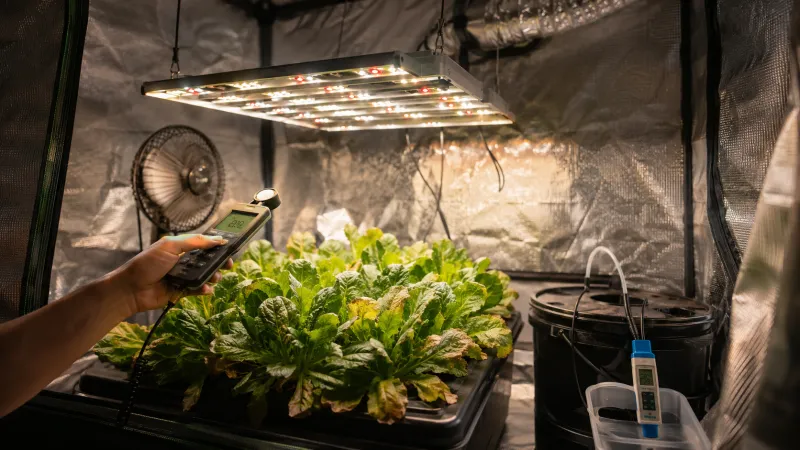
A bulb can look dazzling to you and still be a poor fit for a tomato. Lumens measure light as people see it, not the light a plant can use.
Watt-equivalent labels tell you even less about what reaches the leaves.
Iowa State explains that PPFD and DLI describe plant-usable light better. PPFD is the amount of usable light landing on the plant at a moment, and DLI adds it up over a day.
Check whether the maker lists PPFD, and whether the fixture covers the whole plant instead of one spot.
Follow the manufacturer’s recommended distance. Moving a light closer changes both intensity and coverage, and it can add heat to the leaves.
Inexpensive shop-light fixtures are one possible low-cost route, and Utah State mentions them for indoor tomatoes. They are not a universal specification or a guaranteed fix, so judge your results by how the plant responds.
Use a consistent schedule without overpromising
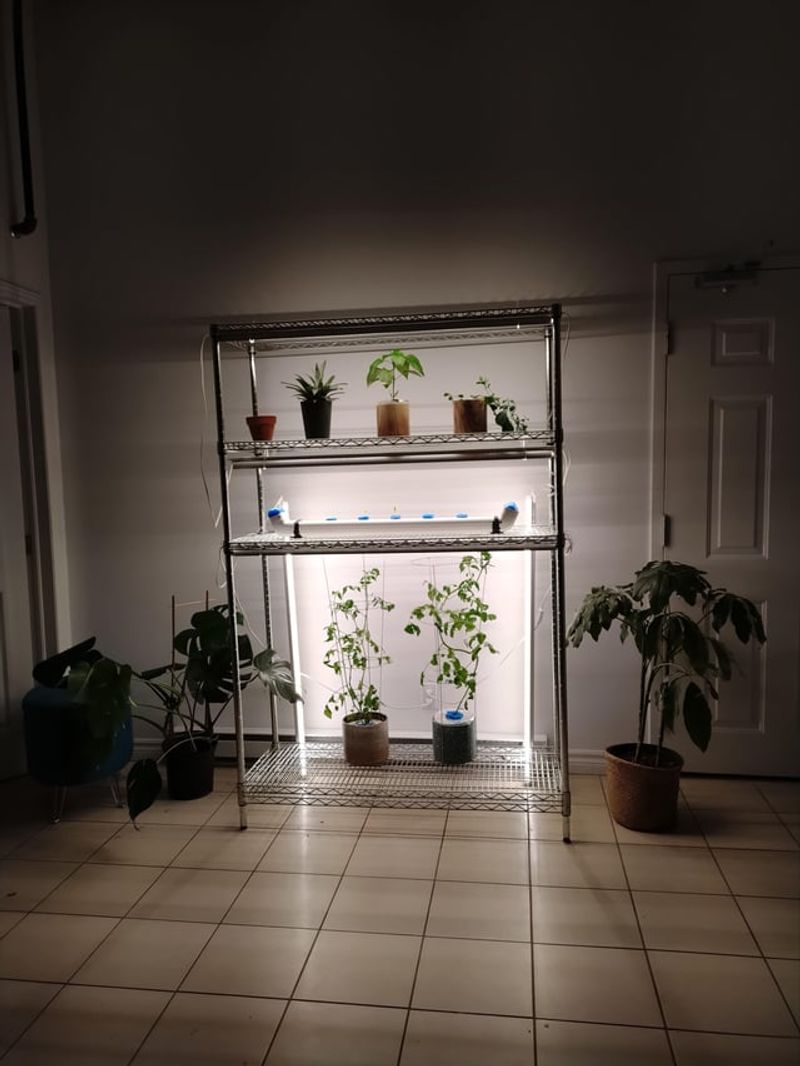
A basic outlet timer takes the guesswork out of switching lights on and off. A steady routine is easier on the plant than a schedule that changes with your memory.
Beyond that, published hour counts need careful reading.
Minnesota Extension suggests 16 to 18 hours a day for seedlings. That is a seedling guideline, not a proven plan for a mature tomato.
Iowa State gives 12 to 14 hours as a general rule for indoor plants, with 16 hours as the maximum for home gardeners.
Hours alone also cannot tell you whether the plant gets enough light. A weak light running all day may still fall short of the daily light integral a tomato needs.
Pick a steady schedule inside those ranges, then watch the plant. Compact new growth and green leaves are good signs, while stretching or fading suggests the light is not enough.
Adjust watering to slower indoor growth
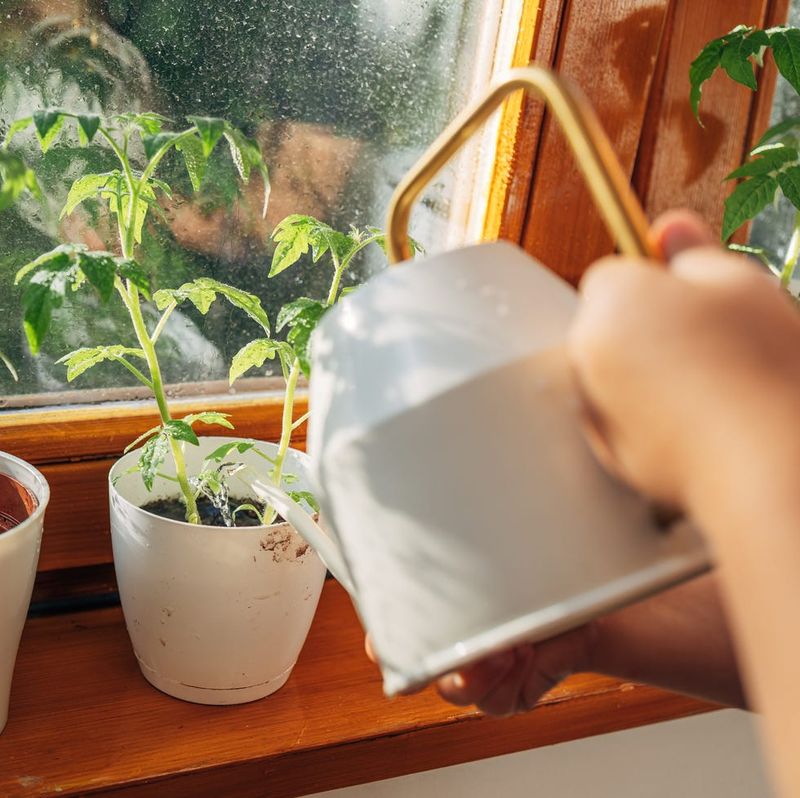
A tomato that grew fast in July drinks far less in a cool room in January. Keeping the summer routine often leaves the roots sitting in wet mix.
Check the soil by feel before each watering instead of following the calendar.
Avoid overwatering, and let the potting mix dry moderately between waterings, as Utah State advises. Poke a finger an inch or two into the mix.
If it still feels damp, wait another day or two.
Drainage matters as much as the amount. Make sure the pot has holes and empty the saucer after watering.
Minnesota Extension notes that overwatering and poor drainage can contribute to root rot and fungus gnats. Wet soil is one possible cause among several, so treat gnats or yellowing leaves as a prompt to look at the whole setup.
Check local planting windows before overwintering
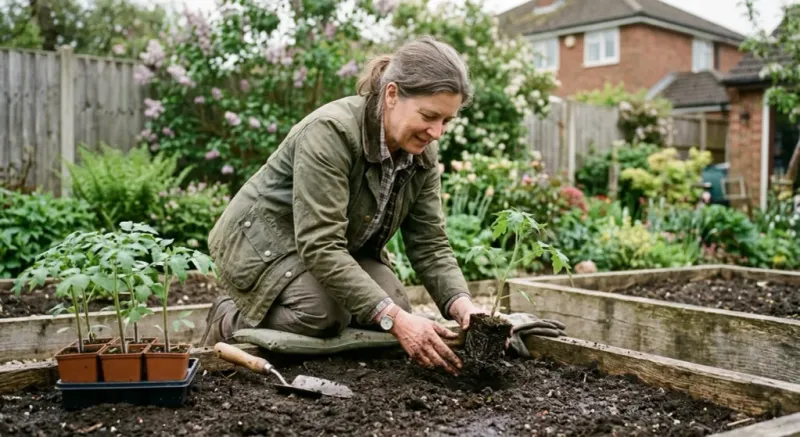
Overwintering indoors is not the only way to get an early tomato, and in parts of the South it may be more work than it needs to be. Planting windows differ a lot from place to place.
The UF/IFAS production handbook lists North Florida tomato planting in July to August and February to April, and South Florida in August to February. A South Florida gardener might skip the garage trial and plant new transplants outdoors.
UF/IFAS Gardening Solutions also points to regional variation and frost risk, especially in North Florida.
Texas varies too. A Texas A&M High Plains guide separates spring from fall planting, but it covers only that region.
It is not a calendar for all of Texas or the South. Check your own county Extension office for your dates and frost risk.
Treat a low-cost setup as a trial, not a promise
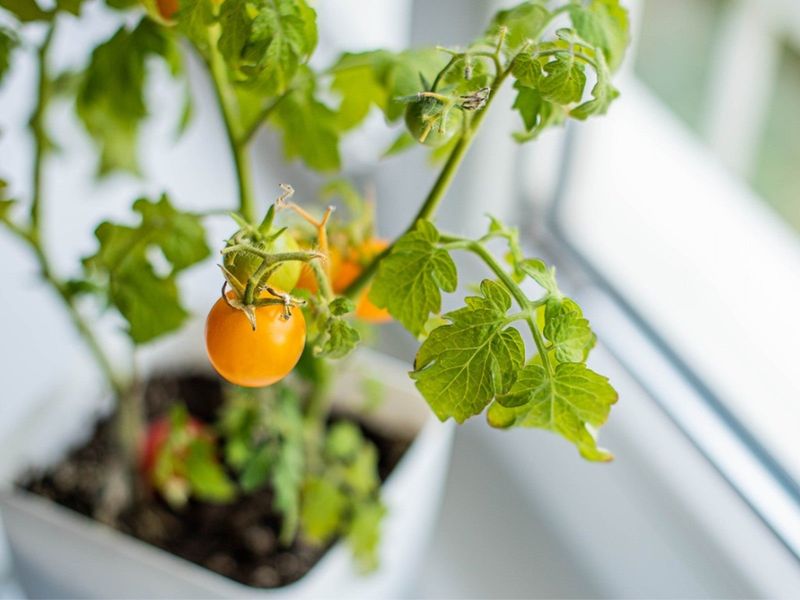
Start with the garage thermometer, then pick a goal that fits your time and budget. If you try overwintering, give the plant suitable light, steady warmth, and watering matched to slower growth.
Utah State and Iowa State both show why light and conditions decide how this goes.
A low-cost setup does not guarantee survival, vigorous growth, or fruit. Compare the effort with your local outdoor planting window before you commit.
Sometimes the best winter plan for a tomato is a calm experiment and a backup packet of seeds.