
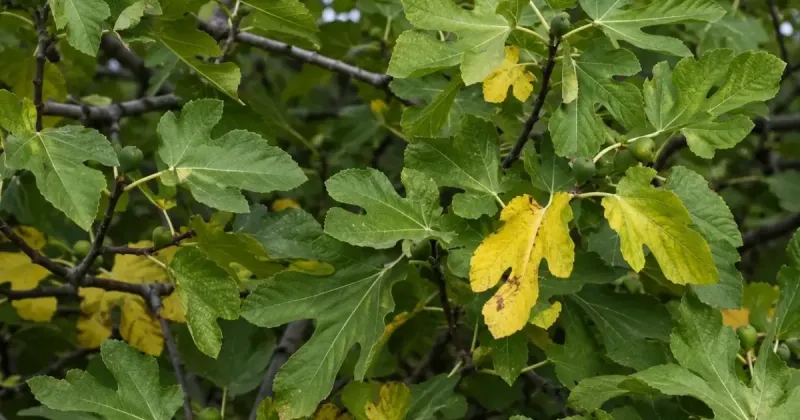
Your fig tree is dropping yellow leaves, and the branches still hold a few forgotten figs. Is that a normal fall chore or a warning sign?
Often it is just the tree getting ready for winter, but a few specific clues tell you when to take a closer look. Knowing what to check now can protect next summer’s harvest.
Fall leaf drop can signal dormancy
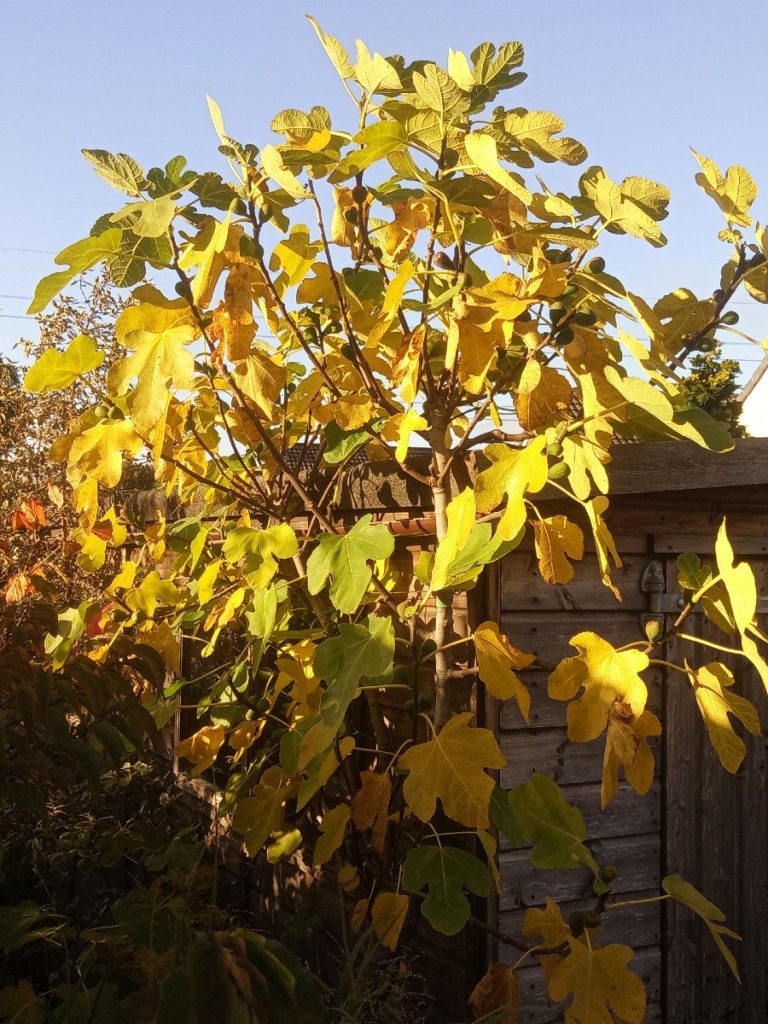
Fig trees are deciduous, which means they naturally shed their leaves as they head into winter rest. Arizona Cooperative Extension notes that figs drop their leaves in winter, so a yellowing tree in late fall is often just doing its seasonal job.
Timing is where gardeners get tripped up. A fig in North Florida may hold leaves into December, while a tree in a colder part of Texas may let go earlier.
Warm spells and the first frost can both shift the schedule, and the University of Florida fig guide is a helpful reference for how figs grow in the state.
So November by itself does not prove anything. Yellow leaves can fit dormancy, but they can also come from disease.
Before you decide whether any cleanup is needed, look at when the leaves started changing and what they look like up close.
Check the leaves for signs of disease
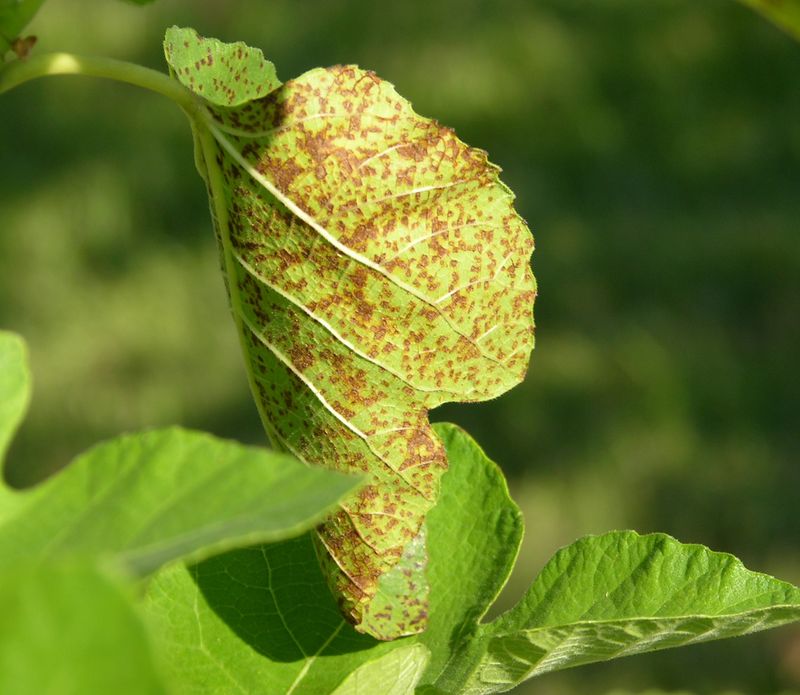
Color alone cannot tell you what is going on, so turn a few leaves over. Fig rust shows up as yellow-to-brown spots on the top of the leaf, with reddish-brown raised spots or pustules underneath, as described in the Texas A&M Plant Disease Handbook.
Timing matters too. Leaves that start dropping in midsummer or late summer deserve more scrutiny than a gradual decline in fall.
University of Georgia Extension also ties rust to premature leaf loss in humid Southern conditions.
Yellow mottling, a patchy blotched pattern, is another clue. Texas A&M links it to fig mosaic, which can also cause early defoliation.
Look at the whole pattern: spots, pustules, mottling, and unusually early drop. If the symptoms stay unclear, a photo and a call to your county extension office will get you a clearer answer than guessing.
Remove diseased or mummified figs
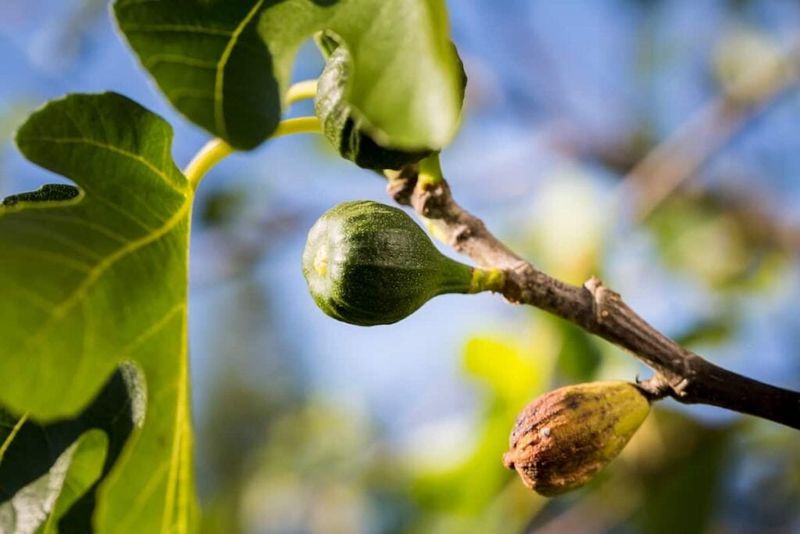
Here is the cleanup step that earns its keep. Pick off figs that are visibly diseased, soft-rotted, or dried and shriveled into mummies, and pick up diseased fruit from the ground as well.
Some infected figs do not fall. Texas A&M describes young anthracnose-infected figs drying up and staying on the tree.
NC State Extension says diseased dried fruit can harbor the fungus, and a University of Florida disease guide also recommends removing such fruit.
Notice what this advice does not say. Nothing shows that every sound leftover fig causes rot the following year.
A plump, healthy-looking fig that simply got missed is not the target here.
Bag the removed fruit and throw it out with household trash instead of leaving it in a pile under the tree.
Remove infected leaves when rust was present
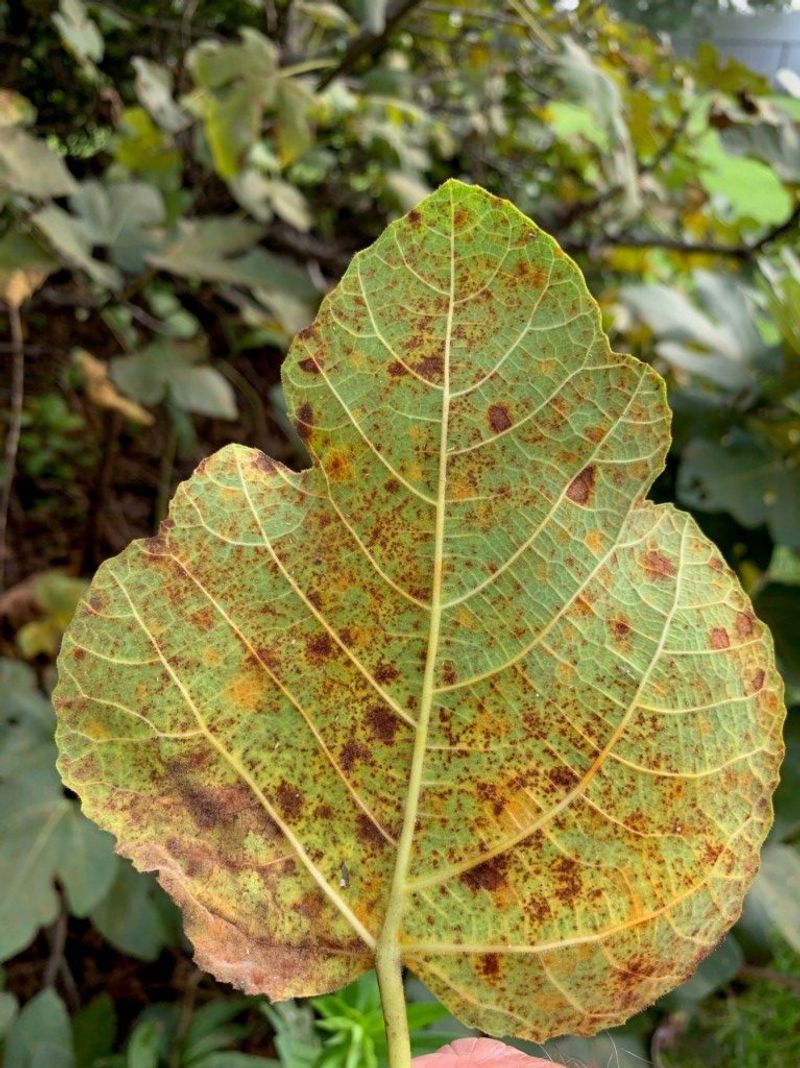
Leaves and fruit call for separate decisions. If your tree had fig rust this year, rake up the fallen leaves and remove them.
UGA recommends removing infected leaves in fall, and UF/IFAS says rust spores can survive between seasons on fallen diseased leaves.
The key word is conditional. If the leaves were spotted and rusty, cleanup makes sense.
If the tree stayed clean all summer and the leaves are simply turning yellow in a normal fall, there is no reason to treat that leaf drop as a threat.
Ordinary seasonal leaf fall is not evidence that fruit rot will spread. Keep the two chores apart in your mind, and match each one to what you actually saw on your tree.
Distinguish fruit disease from fig souring
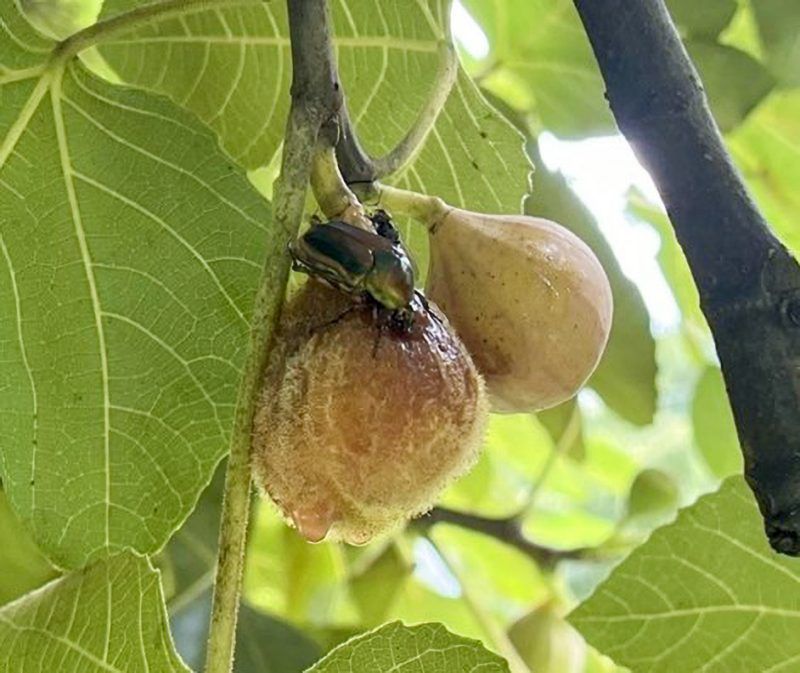
Gardeners use the word rot for several different problems. Anthracnose is a fungal disease that can affect fruit and leaves, and infected fruit may hang on as dried mummies, according to the UF/IFAS disease guide.
Fig souring works differently. UGA and Texas A&M describe souring organisms getting into ripening figs by way of insects.
That is a ripening-season problem, often noticed as a fermented smell or sour drip from the fruit.
Neither source shows that ordinary leftover fruit is the general cause of souring next year. Sour figs in July and mummified figs in December are different stories.
Knowing which one you have keeps you from blaming the wrong cause.
Choose cleanup based on what you find
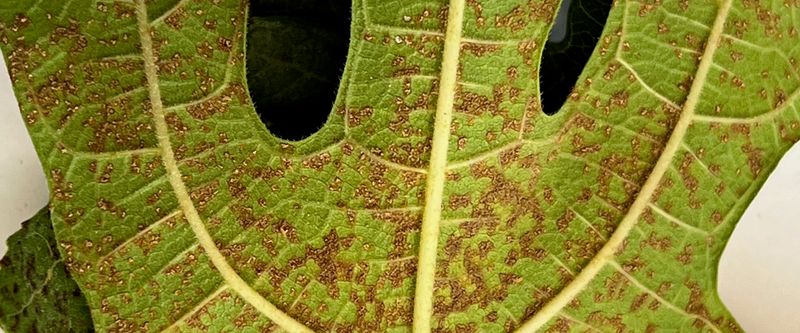
Work through it in order. If leaves are yellowing and dropping in fall with no spots, pustules, or mottling, dormancy is a reasonable explanation, though your local climate sets the calendar.
Next, inspect both leaves and fruit. Remove figs that are diseased, soft-rotted, or mummified, as NC State Extension advises.
If the tree had rust, collect the fallen leaves too, following UGA guidance.
Skip the sprayer as a first move. Identify the problem first, and check current local extension advice before using any pesticide.
The Texas A&M handbook is a good place to match symptoms to a cause.
If you still cannot tell, ask your county extension office. A fig that rests cleanly is usually a fig that wakes up well.