
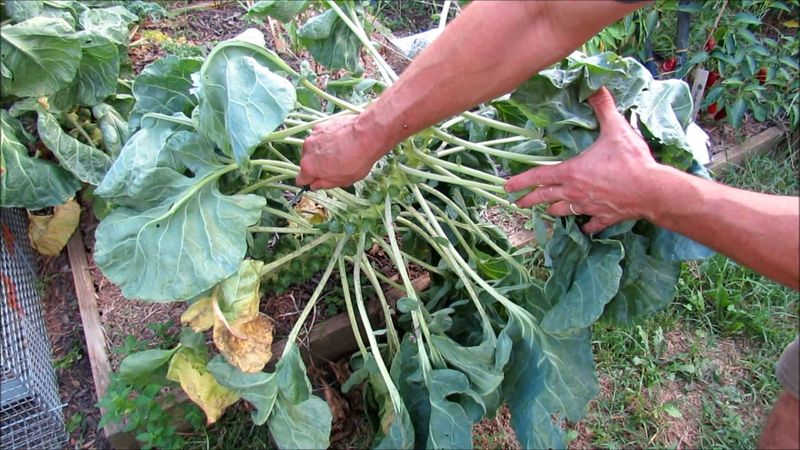
Few things are more disappointing than picking Brussels sprouts that look like little open rosettes instead of firm green buttons. Many gardeners hear that skipping a November topping is the reason.
The real story is more mixed, and knowing it can save you from a poorly timed cut. Here is how to read your plants and decide whether topping makes sense in your garden.
Loose sprouts can have more than one cause
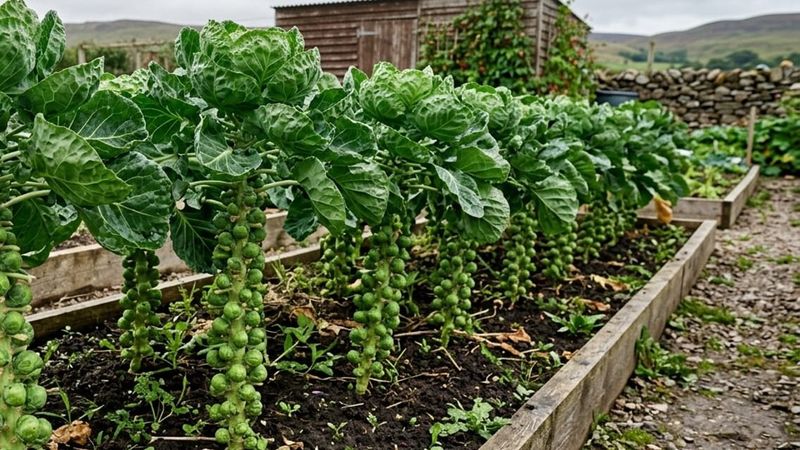
Open, leafy sprouts feel like a failure, but they are a symptom, not a diagnosis. A missed topping in November is not a proven cause.
Plenty of other things can leave sprouts floppy.
Heat is a top suspect. Illinois Extension notes that sprouts forming in hot weather may fail to make compact heads, and it suggests checking the variety you planted.
That matters in Florida and Texas, where a warm spell can stretch well into fall.
The Royal Horticultural Society lists poor soil, weak growth, and non-hybrid cultivars as possible reasons for loose-leaved sprouts. Fertilizer is a murkier clue.
Some sources blame too much nitrogen, while the RHS says it is not involved, so treat it as one possibility rather than a verdict.
Start by asking when the sprouts formed, how warm it was, and which variety you grew. Those answers often say more than the calendar.
What topping can—and cannot—do
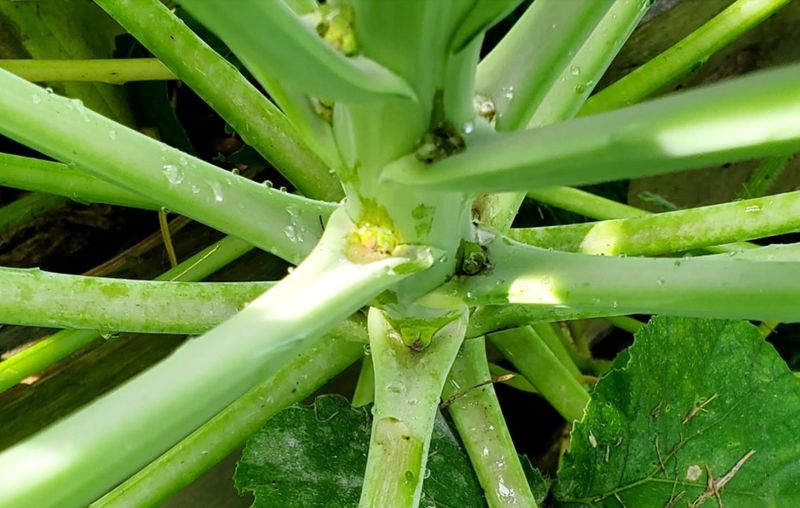
Brussels sprouts form in the joints where leaves meet the stalk. The lowest ones start first, and development moves upward over time.
That is why the bottom sprouts are usually the largest.
Topping means removing the growing point at the top of the stalk. Utah State Extension describes it as a way to hasten sizing of sprouts, and the idea is to encourage more even development along the stalk.
What it cannot do is tighten sprouts that have already opened. A New Hampshire Extension trial found that results depended on timing, so topping is not a magic switch that sends all the plant’s energy into the buttons.
Think of it as a nudge for sizing, not a rescue for loose heads.
Use plant development, not November, to time topping
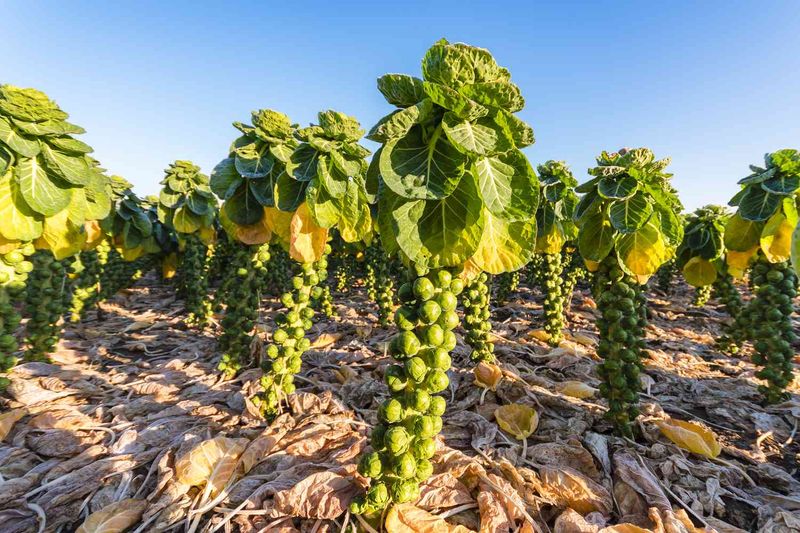
Your plant is a better calendar than the month. Two extension sources offer guides, and each fits a different situation.
Illinois Extension says plants may be topped about three weeks before harvest. That works well if you know roughly when you plan to pick.
The New Hampshire trial topped plants once the lowest sprouts had started developing and measured about half an inch to one inch across. Its report suggests topping roughly 30 to 60 days before harvest may help, especially when lower sprouts begin to size.
These are not rival rules. Three weeks and 30 to 60 days describe different harvest plans and growing conditions, and neither is a fixed deadline.
A practical check: look at the bottom of the stalk. If the lowest sprouts are marble-sized and your harvest is within the window, topping is a reasonable option.
If they are barely visible, waiting costs you nothing.
Remove the growing point and keep healthy leaves
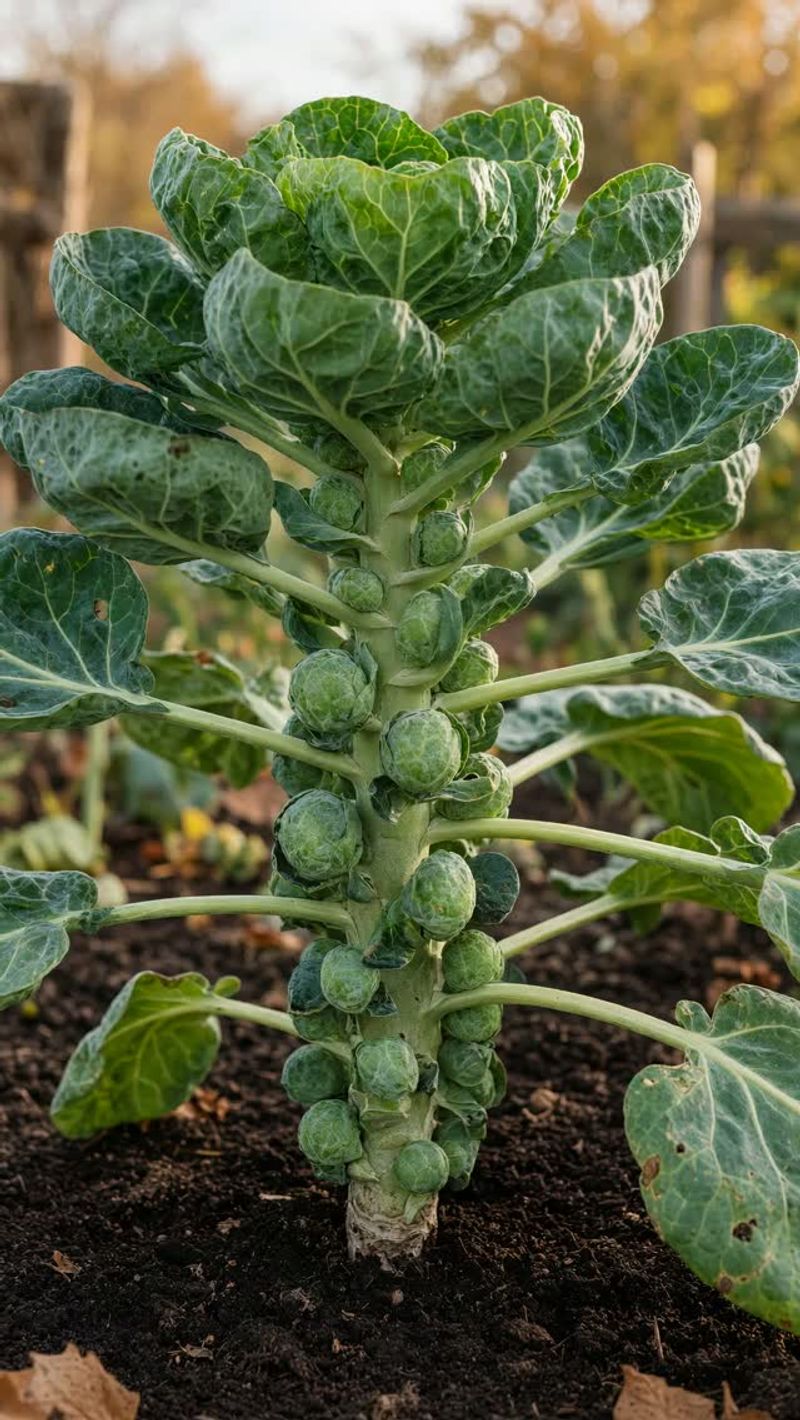
Topping sounds dramatic, but the cut is small. You remove only the growing point, the tight cluster of new leaves at the very top of the stalk.
The stalk itself stays standing.
Pinch it out with your fingers or snip it with clean pruners. Stop there, because chopping the stalk down defeats the purpose.
Leave the healthy leaves below the cut. Illinois Extension notes that the upper leaves keep feeding the plant, so stripping them away can work against the sprouts you are trying to size up.
Remove only leaves that are yellow or damaged, and pull lower ones sparingly. A plant with a full crown of green leaves just under the cut is doing its job.
Consider your harvest plan before topping
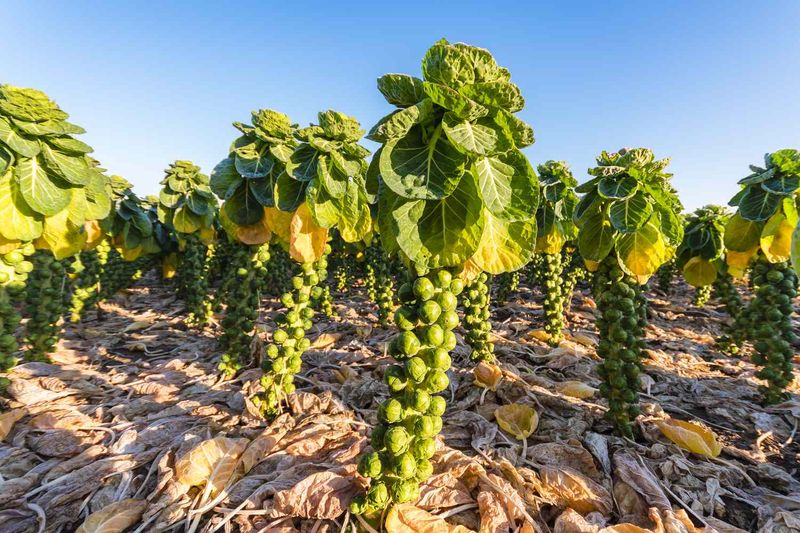
Before you pinch anything, ask how you plan to harvest. Topping is mainly aimed at a once-over harvest, where you cut the whole stalk and want sprouts of similar size.
Timing matters a lot. The New Hampshire report warns that topping too early, especially when harvest is more than about 60 days away, can prompt new stalk growth.
That can reduce yield or marketability, which is the opposite of what you want.
If you pick a few sprouts at a time from the bottom up, the trial’s yield findings may not carry over to your routine. You are already harvesting the largest sprouts first, so topping may add little.
The trial found potential benefits, not a guaranteed gain for every variety or garden. When harvest is far off or you pick gradually, leaving the tip alone is a perfectly good choice.
Southern growing schedules do not share one November deadline
November means different things in Houston, Lubbock, Gainesville, and Miami. Planting dates differ, so plants hit the same stage at different times.
Texas A&M AgriLife gives fall planting dates that vary substantially by region, and harvest commonly begins about 3 to 3.5 months after transplanting. UF/IFAS lists different planting windows for North, Central, and South Florida, and another UF/IFAS source describes a winter crop commonly planted October to December and harvested March to April.
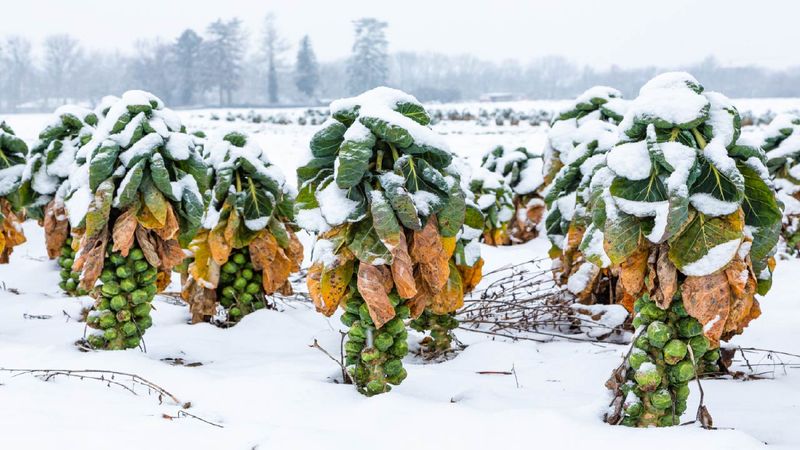
Cold is not a countdown clock either. Utah State says sprouts are not seriously damaged by temperatures below freezing, and UF/IFAS notes cool weather is needed for firm sprouts.
Only temperatures well below freezing threaten the crop, so an ordinary frost does not make topping urgent.
Make the decision from the plant in front of you
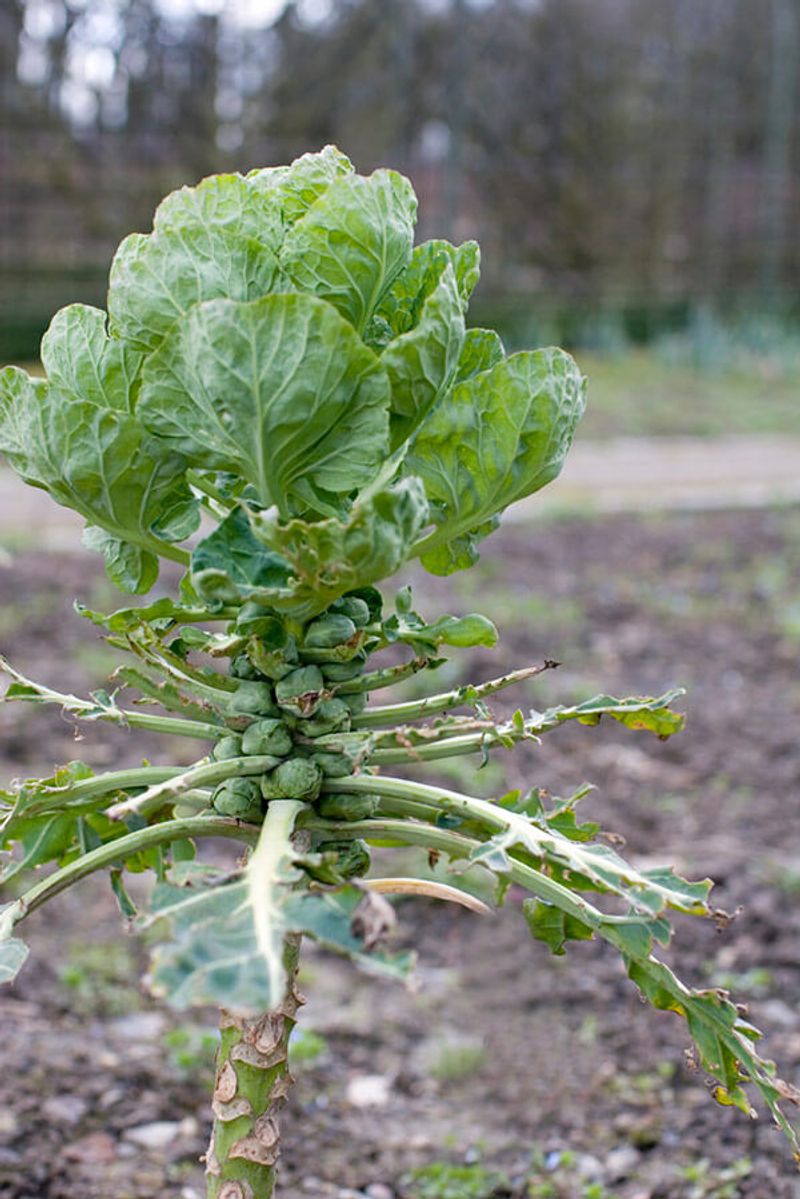
Run through a quick checklist. First, think about why the sprouts might be loose: warm weather, variety, soil, or weak growth.
Topping will not fix those.
Next, look at the lowest sprouts. The New Hampshire trial topped plants when they were about half an inch to an inch across.
Then compare your plant’s stage with your expected harvest, using about three weeks out as one guide and 30 to 60 days as another.
If the numbers line up and you plan a single harvest, topping may help sprouts size more evenly. If not, skip it without guilt.
Always take only the growing point and leave the healthy leaves, as Illinois Extension advises.
The plant sets the schedule, and the calendar only guesses.