
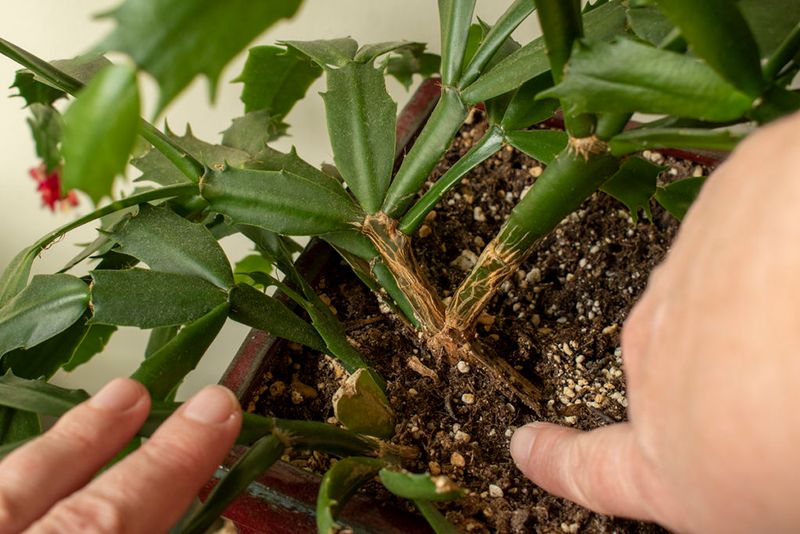
If your Christmas cactus looks green and healthy but shows zero flower buds, you are not alone. Many home gardeners, especially in warm Southern spots like Florida and Texas, wonder why their plant skips the holiday show.
The good news is that this plant blooms in response to darkness and cool nights, and you can often trigger it in about six to eight weeks. Start these eight steps this week, and you may see pink, red, or white flowers just in time for the holidays.
1. Give It Long Nights of Total Darkness
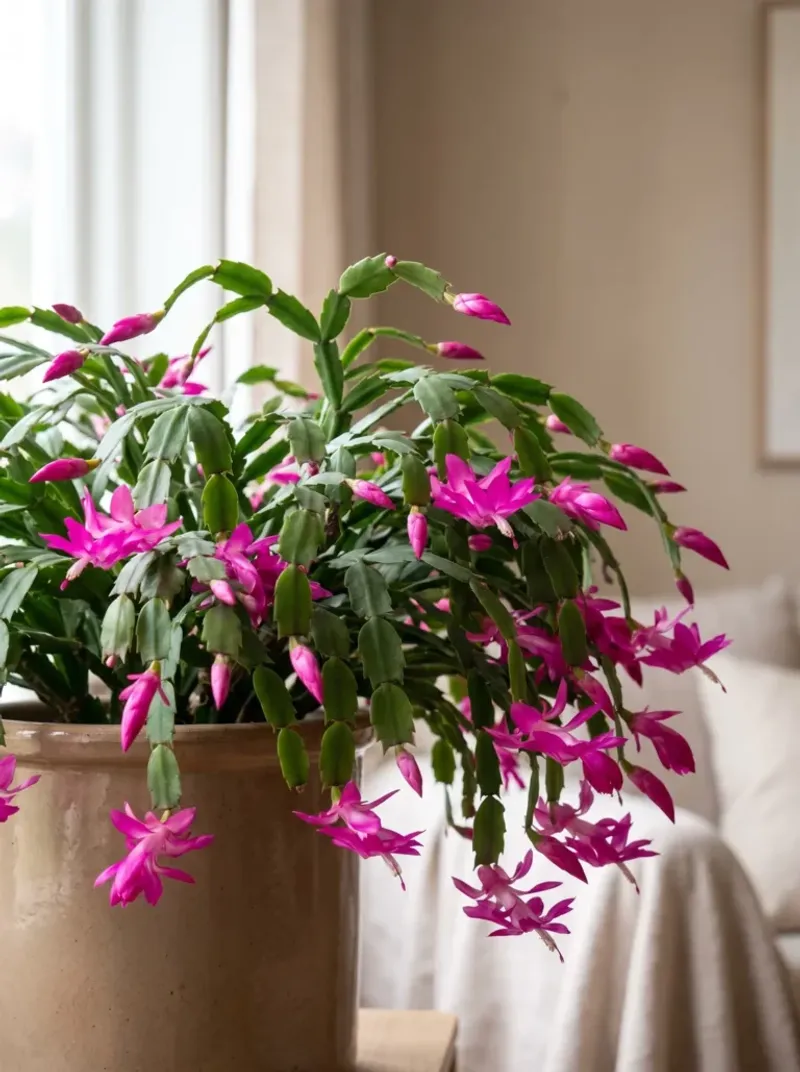
Picture your cactus as a tiny calendar that reads the length of the night. When nights stretch past 12 hours, the plant gets the signal that it is time to set buds.
Without that cue, it may stay leafy and flowerless all season.
Aim for 12 to 14 hours of uninterrupted darkness every night for about six weeks. A spare closet, an unused bedroom, or a cardboard box placed over the plant around 6 p.m. can work well.
Bring it back into bright, indirect light each morning around 8 a.m.
Here is the tricky part. Even a quick flick of a lamp or the glow from a porch light can reset the clock.
Southern homes with streetlights near windows often run into this problem without realizing it.
Consistency matters more than perfection, but try not to skip nights. If you forget once or twice, simply pick back up the next evening.
Most gardeners notice tiny pink or red bumps at the tips of the stem segments after three to five weeks. Once those buds appear clearly, you can usually ease off the strict darkness routine and let the plant stay in its normal spot.
2. Find Cooler Night Temperatures
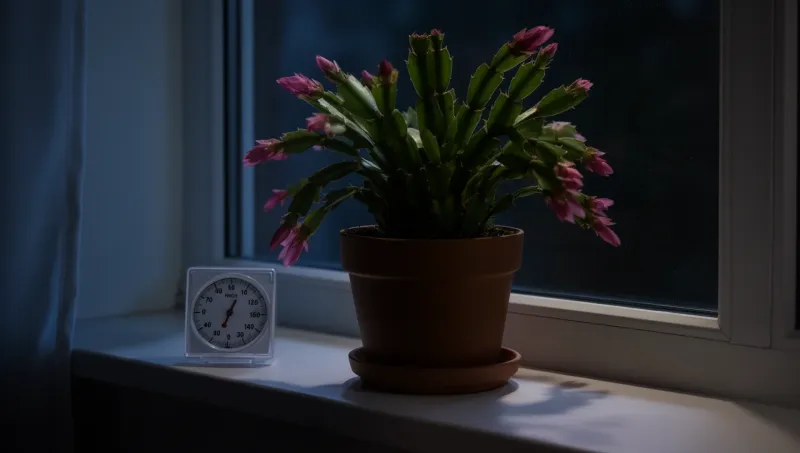
Cool nights are the second half of the bloom recipe. Christmas cactus tends to set buds best when nighttime temperatures sit between 50 and 60 degrees Fahrenheit.
In fact, steady temperatures near 50 degrees can sometimes trigger flowering even without perfect darkness.
That is easier in Ohio than in Orlando, of course. In much of Texas and Florida, fall nights can still hover in the 70s well into November.
If that sounds like your area, look for the coolest spot you have.
A covered porch, a screened lanai, or an unheated garage with a window can work nicely once nights start dipping. Indoors, a room you keep cooler, away from heat vents, may do the trick.
Watch the forecast, though. Bring the plant inside if temperatures threaten to drop below 45 degrees, since cold damage can cause limp, discolored stems.
Daytime warmth is fine, as long as nights cool down. Combining cooler nights with long darkness gives your plant its strongest chance.
If you can only manage one, darkness usually matters more in warm Southern homes, but both together often bring heavier blooms.
3. Cut Back on Watering
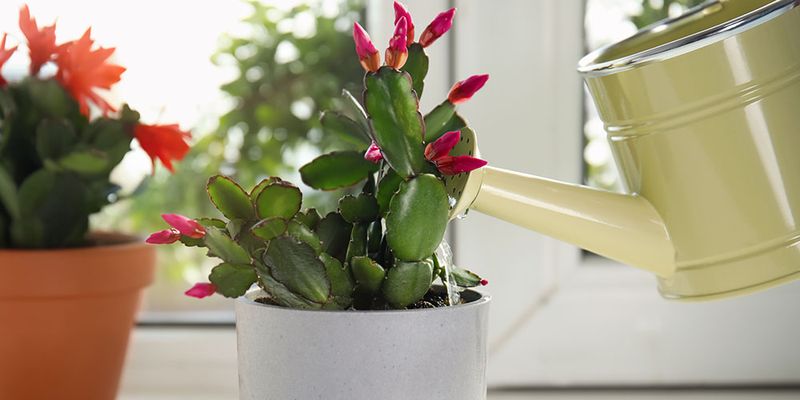
Plenty of loving gardeners overdo it with the watering can right now. Keeping the soil soggy tells the plant to keep growing leaves instead of switching to flower mode.
A slightly drier routine during bud setting can nudge it in the right direction.
Let the top inch or so of soil dry out before you water again. For many homes, that means watering roughly every 10 to 14 days, though pot size and humidity will change the timing.
Push a finger into the mix to check rather than following a strict schedule.
Do not let it go bone dry for weeks, though. This plant is a forest cactus from Brazil, not a desert type, so it still needs some moisture.
Shriveled, wrinkled stem segments are a sign you have pushed too far.
When you do water, soak the pot thoroughly and let all the excess drain away. Empty the saucer afterward so roots never sit in standing water, which may lead to rot.
Once buds form and start swelling, you can return to a more regular watering pattern to help keep those buds plump and healthy.
4. Stop Fertilizing for Now
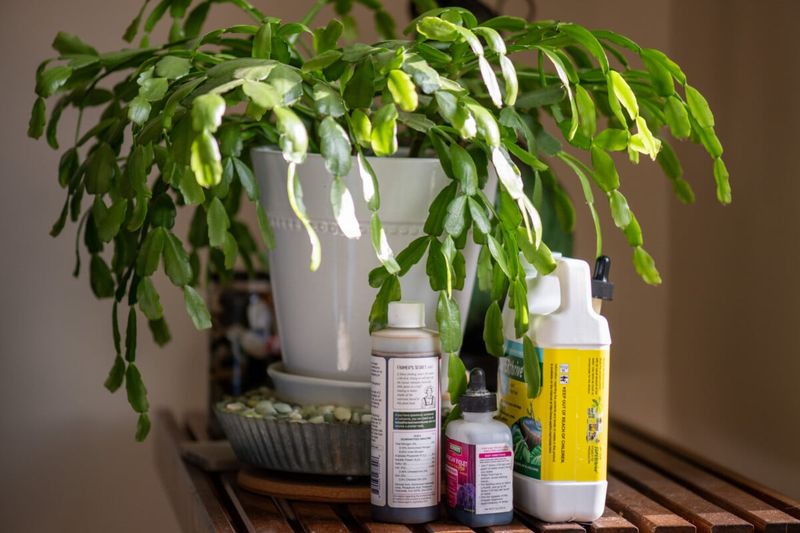
Feeding feels like the helpful thing to do, yet fall is when your cactus wants a break. Fertilizer pushes fresh leafy growth, and that energy may come at the cost of flower buds.
Holding back for now can help the plant focus on blooming.
If you fed your plant through spring and summer, great job. That steady nutrition built the strong stems that will carry flowers.
Now it is time to put the fertilizer bottle on the shelf until after the blooms fade.
Many growers stop feeding in early fall, roughly six to eight weeks before they want flowers. Starting the pause this week fits right into that window for a December show.
Here is a fun bit of history. Christmas cactus grows naturally on tree branches in Brazilian mountain forests, where it gets nutrients from decaying leaves and rain rather than rich soil.
That background explains why it does not need heavy feeding and often blooms well on a lean diet.
Once flowering ends and new growth appears in late winter or spring, you can resume a balanced, diluted houseplant fertilizer about once a month.
5. Choose Bright but Indirect Light by Day
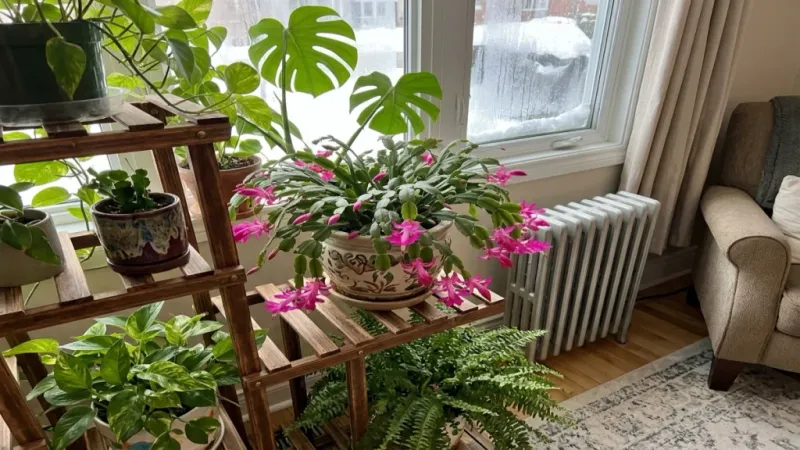
Darkness at night only works when the plant gets good light during the day. Bright, filtered sunlight fuels the energy your cactus needs to build buds.
Too little daylight can leave it weak and slow to flower.
An east-facing window is often ideal, offering gentle morning sun. A spot a few feet back from a south or west window, or behind a sheer curtain, can also work well.
Direct afternoon sun, especially in Texas and Florida, may scorch the stems and turn them reddish or pale.
A slight reddish tint on the leaf edges is sometimes a sign of light stress. If you see that, slide the plant a bit farther from the glass.
Try to keep the plant in the same daytime location once you start the routine. Moving between bright days and dark nights is fine, but frequent shuffling to new rooms can stress it.
A simple trick is to pick a daytime spot close to your darkness closet or box. That makes the evening shuffle quick and easy to remember, so you are much more likely to stick with it.
6. Check for Pests and Root Trouble
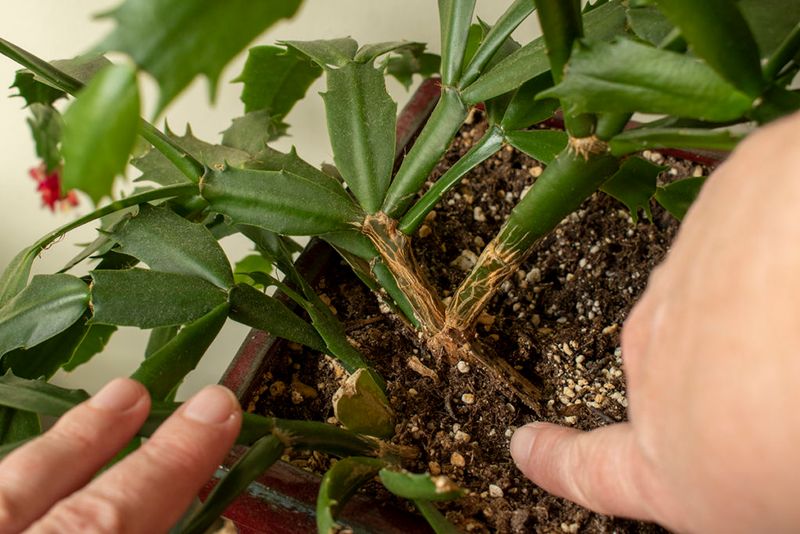
A struggling plant rarely blooms, so a quick health check now can save your holiday display. Take five minutes to look closely at the stems, the joints, and the soil surface.
Mealybugs are the most common pest. They look like tiny bits of white cotton tucked between segments.
Scale insects appear as small brown bumps, while fungus gnats hover around damp soil. Dabbing mealybugs and scale with a cotton swab dipped in rubbing alcohol can often reduce small infestations.
Letting the soil dry a bit more may help discourage gnats.
Next, check the roots if the plant seems droopy despite moist soil. Gently tip it out of the pot.
Healthy roots are firm and light colored. Brown, mushy roots with a sour smell point to rot.
If you find rot, trim away damaged roots with clean scissors and repot into fresh, well-draining mix. A blend for cactus or succulents with extra perlite usually works nicely.
Avoid big repotting jobs if the plant is healthy, though. Christmas cactus actually likes being a little snug in its pot, and a crowded root zone can encourage better flowering.
7. Avoid Moving It Once Buds Appear
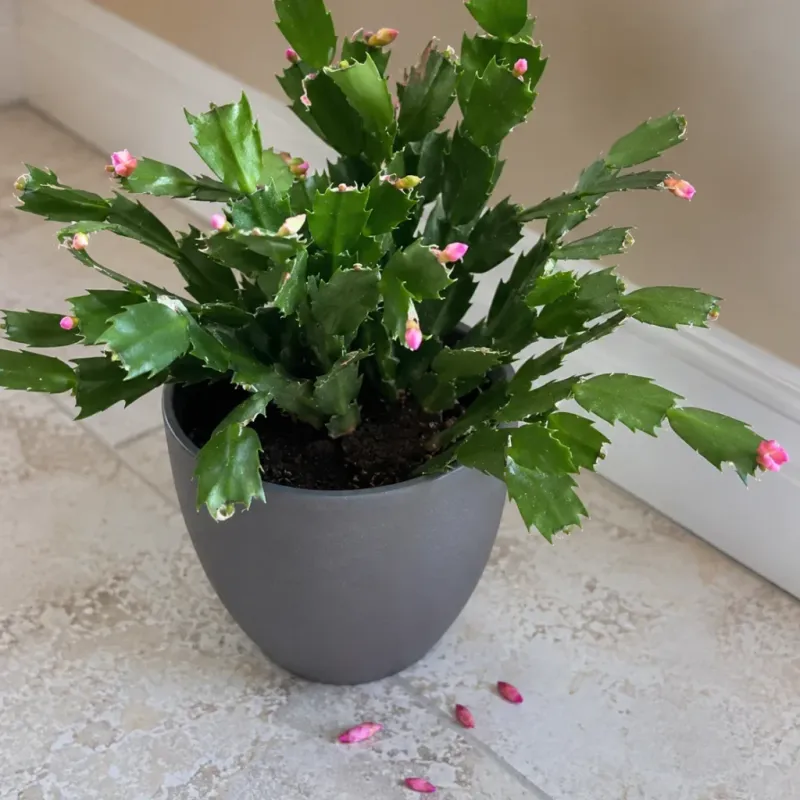
Few things are more heartbreaking than watching a dozen fat buds drop to the floor. Bud drop is one of the most common complaints about this plant, and sudden change is usually the trigger.
Once buds are clearly visible, try to keep the plant in one spot with steady conditions. Big swings in temperature, drafts from doors, blasts from heating vents, or a move to a sunny new room can all cause buds to fall off.
It can be tempting to carry it to the dining table to show off. If you must relocate it, do it before buds form, or make the move gradual and gentle.
Watering also matters at this stage. Letting the soil dry out completely, or soaking it too often, may lead buds to shrivel or drop.
Aim for evenly moist but never soggy soil.
Many growers swear the plant sulks if you even rotate the pot. That may sound like an old tale, but the buds do orient toward the light.
Turning the pot can make them twist and sometimes fall. Leaving it alone is often the safest bet.
8. Boost Humidity in Dry Indoor Air
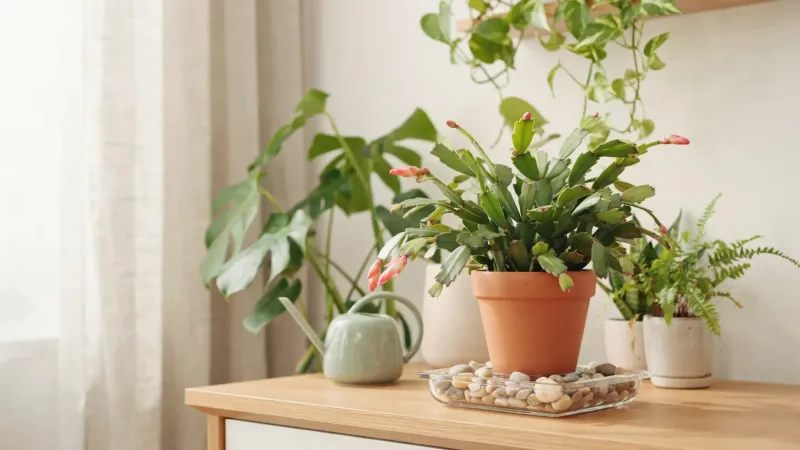
Running the heater on a chilly evening dries out indoor air faster than most people realize. Your cactus comes from humid mountain forests, so parched air can stress buds and flowers.
A pebble tray is an easy fix. Fill a shallow tray with small stones, add water just below the top of the pebbles, and set the pot on top.
As the water evaporates, it can raise the humidity around the plant without soaking the roots.
Grouping houseplants together may also help, since plants release moisture as they breathe. A small room humidifier works too, especially in homes that run air conditioning well into fall, which is common across Florida and South Texas.
Misting is popular, but its effect lasts only a few minutes and wet stems in a dark closet could invite fungal spots. A tray or humidifier usually gives steadier results.
With darkness, cooler nights, careful watering, and a little extra humidity, your plant has a solid shot at a colorful holiday show. Even if blooms arrive a bit after Christmas, they will still brighten your home through winter, and next year you will know exactly when to start.