
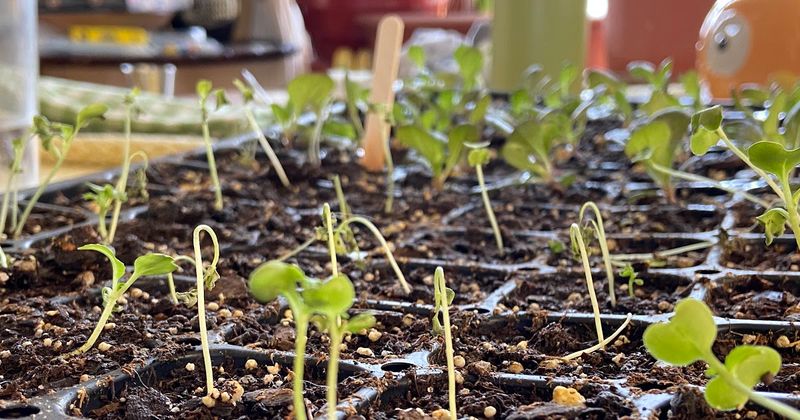
You walk out to the fall spinach bed and find a few seedlings lying flat, like they gave up overnight. That sudden collapse is scary, especially when the bed looked fine yesterday.
The cause may be damping-off, but it may also be something else entirely. A quick look at the stems can tell you what you are dealing with and what to do next.
Soil-line collapse can signal damping-off
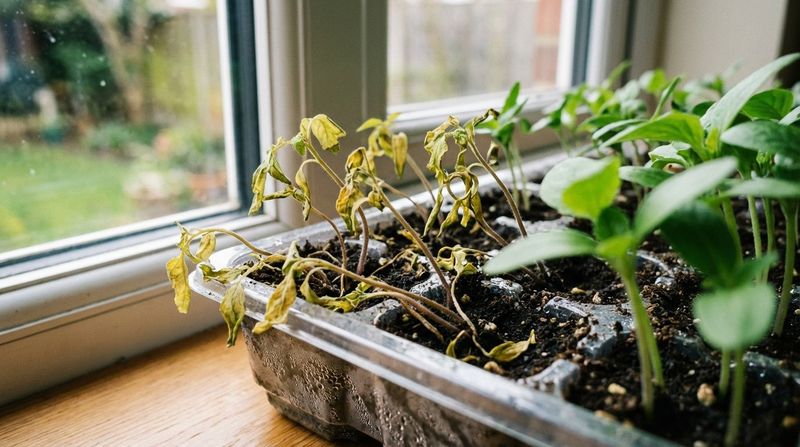
A spinach seedling that tips over right at the soil line is showing a classic damping-off symptom. University of Minnesota Extension lists a seedling tipping over at the soil line as one sign of the disease.
Still, a fallen plant is only a clue, not a verdict.
Gently lift one of the fallen seedlings and look closely at the stem base and roots. A stem that looks dark, water-soaked, narrowed, or mushy makes damping-off a strong possibility.
Rotten, brown roots point the same direction.
Keep in mind that too much water can hurt roots even when no infection is involved. UC IPM spinach guidelines note that overwatering symptoms can look a lot like root rot.
A soggy bed is a risk factor, not proof of disease, so check several seedlings before settling on an answer.
Check whether something clipped the seedling
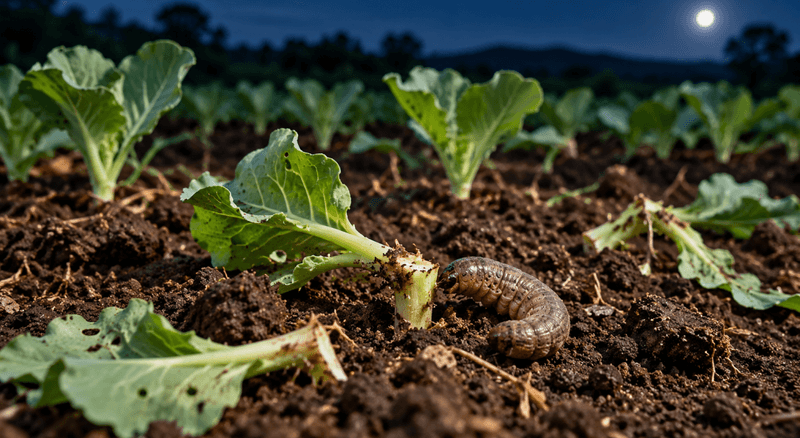
Sometimes the culprit is not a disease at all. Run a finger over the stem of a fallen seedling and note what the break looks like.
A rotted or pinched stem with dark, soft tissue fits damping-off, while a stem that looks neatly cut off points somewhere else.
Cutworms are the usual suspects for clipped plants. They can sever young seedlings at or just below the soil surface, often feeding at night, which would explain a bed that changed overnight.
UC IPM cutworm guidance describes this nighttime feeding habit.
If several seedlings look cut off, dig gently in the top inch or two of soil around them. Fat, gray or brown, C-shaped caterpillars are a good sign you found larvae.
Appearance alone is not a final answer, since both problems can show up in the same bed, but this check helps you decide where to focus.
Damping-off has several possible causes
Damping-off is not one fungus, and it is not just another word for overwatering. It is a group of seed and seedling diseases caused by several soilborne fungi and fungus-like water molds, including Pythium, Rhizoctonia, and Fusarium.
Each one has its own habits.
According to Mississippi State Extension, cool, wet conditions often favor Pythium and Phytophthora, while Fusarium and Rhizoctonia can be more common in warmer, drier conditions. That matters in a Southern fall, when a warm afternoon can follow a cool, damp night.
So a wet bed raises concern, but it does not confirm infection. The organisms are often already in the soil, waiting for the right conditions.
UC IPM home garden guidance points gardeners toward managing moisture and drainage, since the exact pathogen is hard to know without lab testing.
Remove seedlings that show clear decay
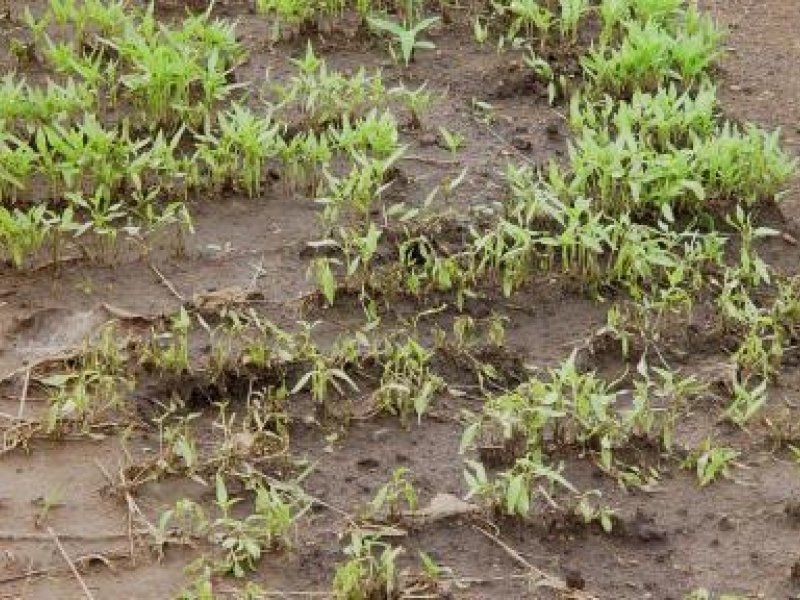
Once you see clear rot or a pinched, dark lesion at the base, pull that seedling out. Texas A&M’s plant clinic advises removing and destroying diseased seedlings, because damping-off is hard to stop once symptoms appear.
Affected plants rarely grow into vigorous ones.
Bag them or toss them in the trash rather than leaving them in the bed. Try not to drag soil from the bad spot across healthy rows, and rinse your trowel or hands afterward.
Removing sick plants does not guarantee the neighbors are safe, so keep watching the bed for a week or two. Look for new dark stems or more collapses.
A generic fungicide is not a reliable rescue, since any product depends on the pathogen and the label. Your best tools right now are fixing growing conditions and giving the survivors some breathing room.
Water for moisture, not saturation
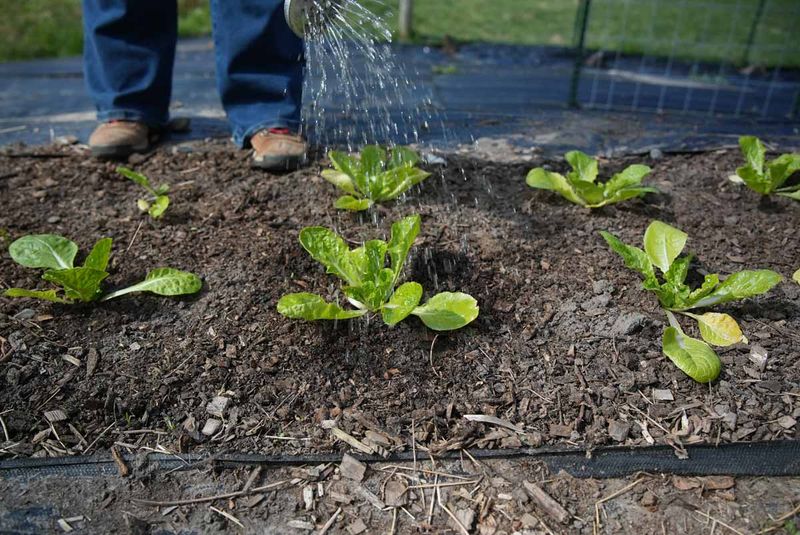
Spinach seeds and seedlings still need steady moisture, so letting the bed dry out is not a good fix. Aim for soil that feels evenly damp a little below the surface but never soupy.
UC IPM spinach tips stress that germination depends on moisture, so light, regular watering beats both drought and flooding.
Check drainage after a rain. If water pools, loosen the surface, add compost, or build the bed up a bit for the next planting.
Water the soil rather than splashing leaves again and again.
If you must water overhead, do it in the morning. Clemson’s spinach guidance recommends it so foliage dries before dark.
That can help lower leaf disease risk, but it is a supporting step. Timing alone will not cure damping-off or promise the survivors make it, so amount and drainage matter more, as UC IPM explains.
Reduce risk before the next sowing
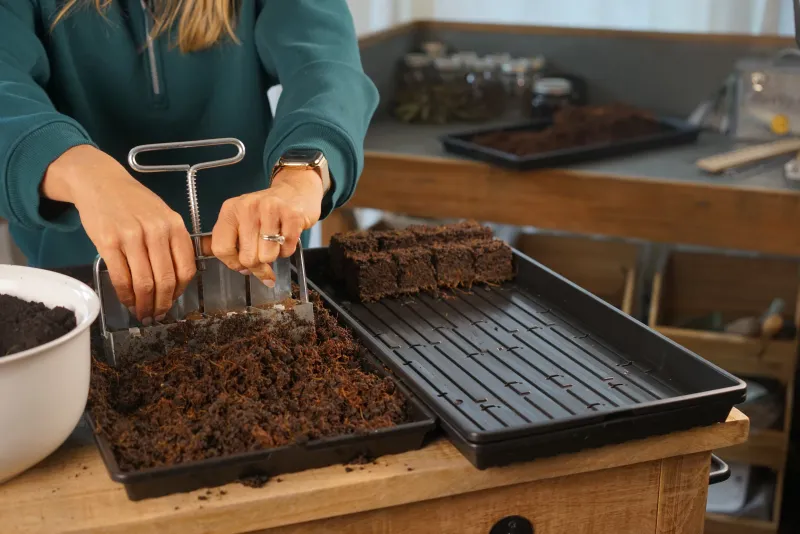
A little prep before the next round can lower the odds of a repeat. For garden beds, focus on good drainage and steady, moderate watering, so the soil stays moist enough for seeds to sprout without sitting in water.
Raised rows or loosened, compost-enriched soil can help in heavy Southern clay.
If you start seedlings in containers, use clean trays and fresh, well-draining seed-starting mix. Wash reused pots and tools well, and sanitize them before filling.
University of Minnesota Extension offers a helpful rundown of these prevention steps, and UC IPM backs the focus on drainage and avoiding overwatering.
These habits reduce risk, but they cannot guarantee disease will stay away. Think of them as stacking small advantages in your favor.
A seedbed that drains well and stays evenly damp gives spinach its best shot.