
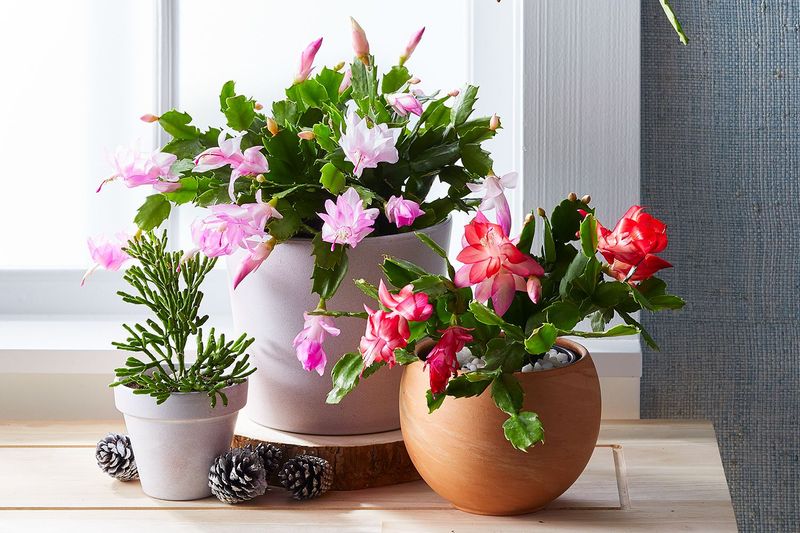
A holiday cactus with no buds in early November can make any gardener nervous. The plant is waiting on a few clues from its surroundings, and you can influence several of them.
Dark nights, cool air, and steady care all play a part. Here is what to adjust now, and what no one can promise.
No buds yet does not settle the holiday bloom
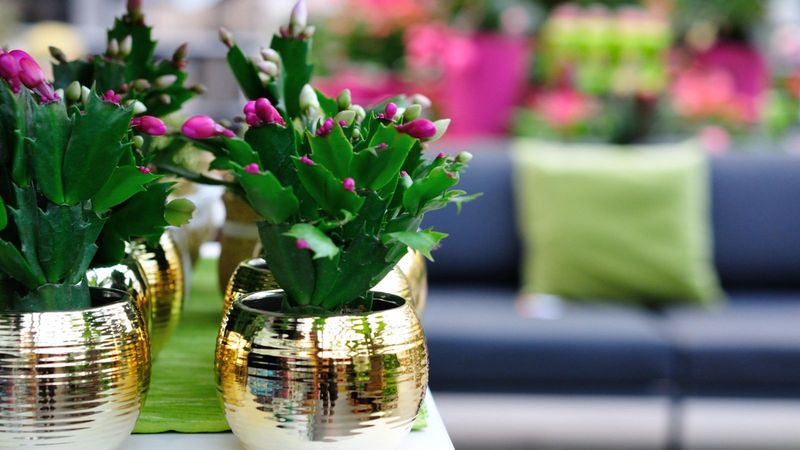
Seeing only green segments on your plant this time of year is common, and it does not mean the plant has failed. Holiday cacti set buds in response to several weeks of short days, and that clock has to run before anything shows.
Sources give different estimates. University of Minnesota Extension and UConn Extension point to roughly 4 to 6 weeks or 6 to 8 weeks before buds appear, depending on the cultivar and the temperature.
Buds are only the first step. A University of Massachusetts guide reports about eight weeks from short-day treatment to first flowers under its stated greenhouse conditions.
Your windowsill is not a greenhouse, so your timing may differ.
That means the number of days left before December 25 is not a dependable cutoff. Starting now may help, but it cannot guarantee open flowers by Christmas.
The next sections cover what you can control.
Long, uninterrupted nights cue bud formation
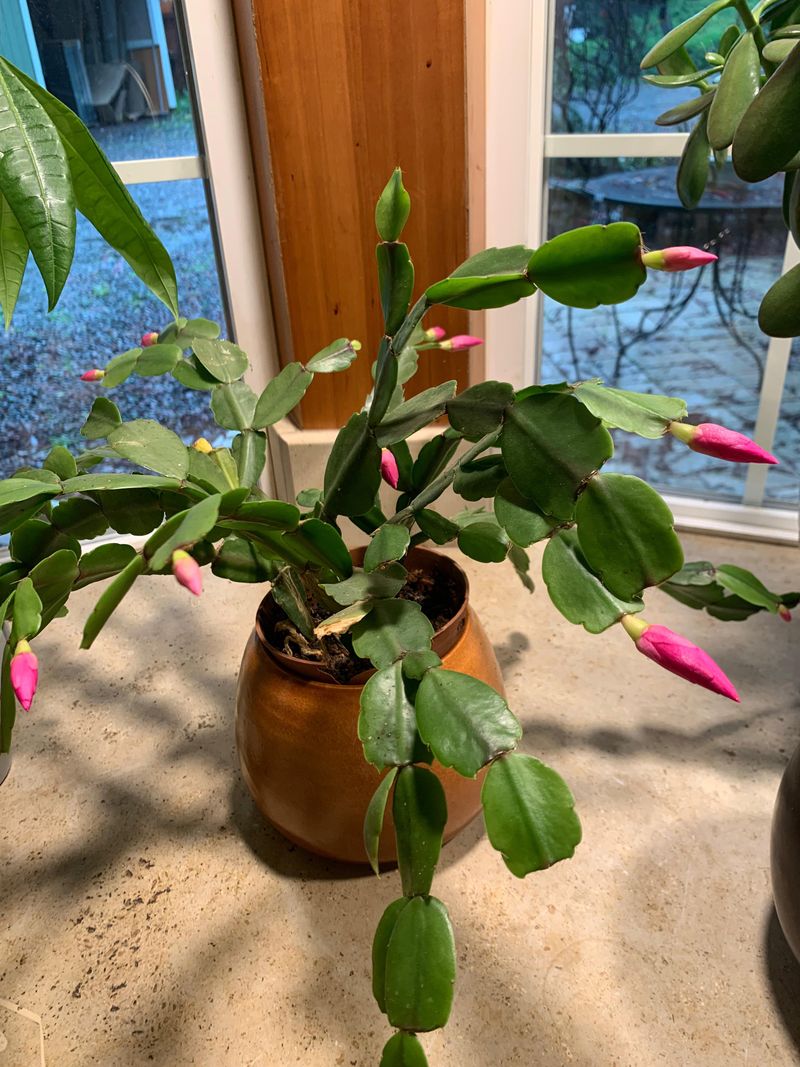
Think of the plant as a tiny calendar reader. When days shrink and nights stretch out, it takes the hint to start making buds.
Your job is to give it bright light by day and a long, unbroken stretch of darkness at night for several weeks.
Advice on the length of that dark period varies. UF/IFAS and other extension sources mention at least 12 hours, while Iowa State Extension and others suggest 14 to 16 hours.
Cultivars differ, so treat it as a range instead of one rule.
Interruptions matter. A lamp, a kitchen light, or a TV glow in the same room can break the dark period.
Check for stray light around the plant after sunset, as Illinois Extension advises.
You do not need a closet if the plant already sits in a room that is reliably dark at night. Move it only when light keeps reaching it.
Cool nights support the dark-period routine
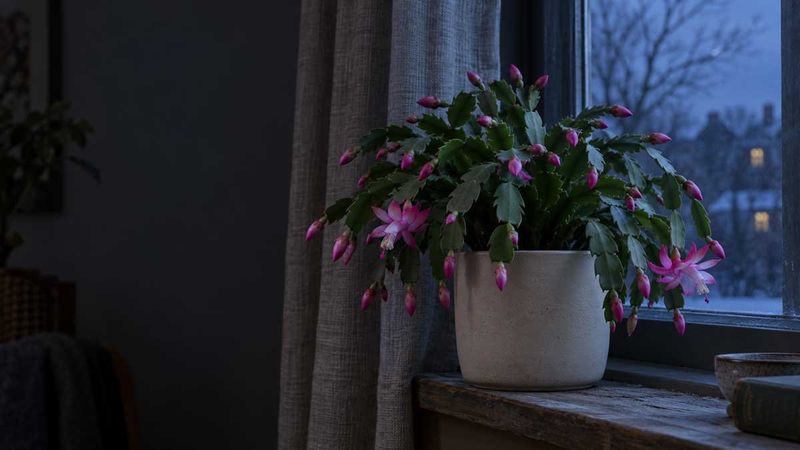
Darkness is only half of the story. Cooler nights also nudge the plant toward budding, and warm conditions can delay or prevent it.
Extension guidance, including University of Minnesota Extension, commonly points to nights of about 55 to 65°F. That is a common guide, not a universal target, and plants vary in how they respond.
If your home stays warm at night, a spot near a cooler window or in an unheated but protected room may help. A cheap thermometer tells you what the plant actually feels.
Do not chase the cold, though. Illinois Extension notes that exposure below about 50°F can risk bud drop.
Aim for pleasantly cool, never chilly.
Steady care helps protect developing buds
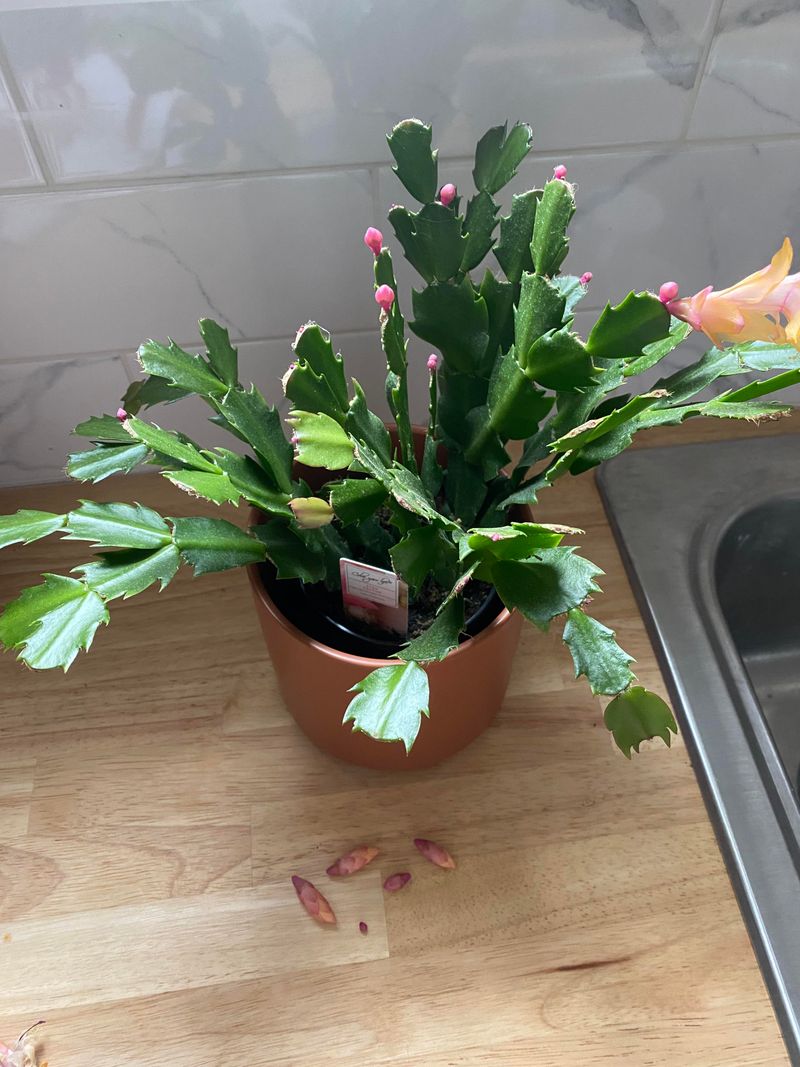
Once buds start, the plant is easy to upset. Give it bright, indirect light during the day and a pot with good drainage, then keep the routine boring and consistent.
Water when the top of the soil feels slightly dry, and let extra water drain away. UF/IFAS and Iowa State Extension describe soggy soil and severe drying as both risky for buds.
You may hear that withholding water sets buds. Skip that trick.
UMass Extension says research has not supported it and reports that water stress can reduce bud set.
Steady watering is not constant wetness. Also keep the plant away from drafts from vents and doors, and avoid moving it around, since abrupt changes can contribute to bud drop.
Natural winter nights may work for Southern growers
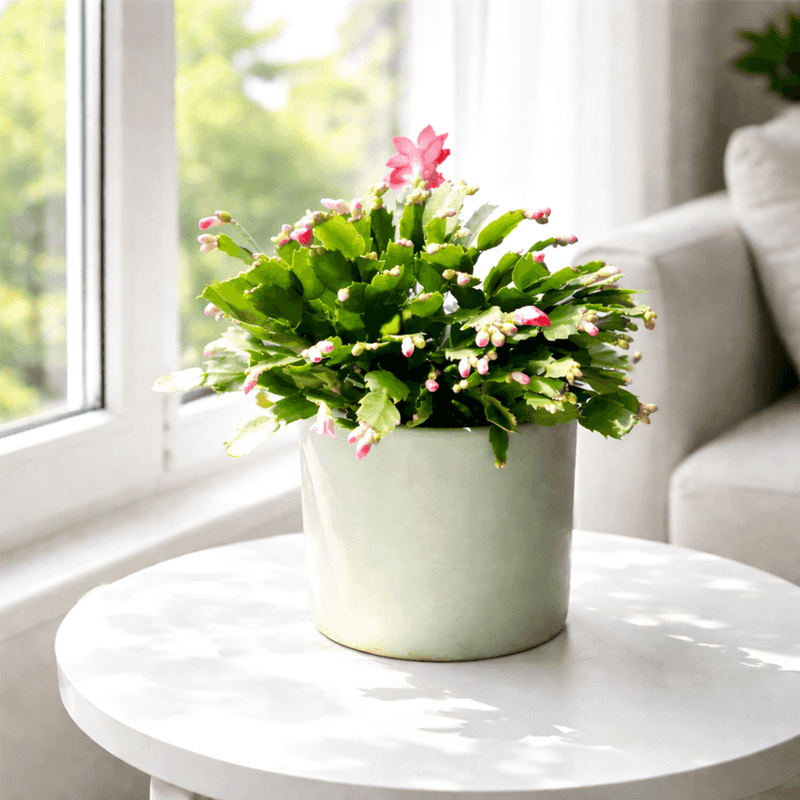
In mild parts of Florida and Texas, the sky may already do the job. Outdoor daylength shrinks naturally in fall, so a plant on a covered patio or porch can get the long nights it wants without any closet routine.
The catch is nearby light. A porch light, a floodlight, or a window that spills lamp glow can interrupt the darkness.
Look at the spot after dark and move the plant if it catches light.
Temperature is the other limit. A UF/IFAS Leon County garden calendar reminds growers to watch for cold, and Illinois Extension cautions about bud drop below about 50°F.
Bring the plant indoors before nights fall under that mark. Conditions differ between a Miami patio and a North Texas porch, so go by your own thermometer.
Let the plant—not the calendar—set expectations
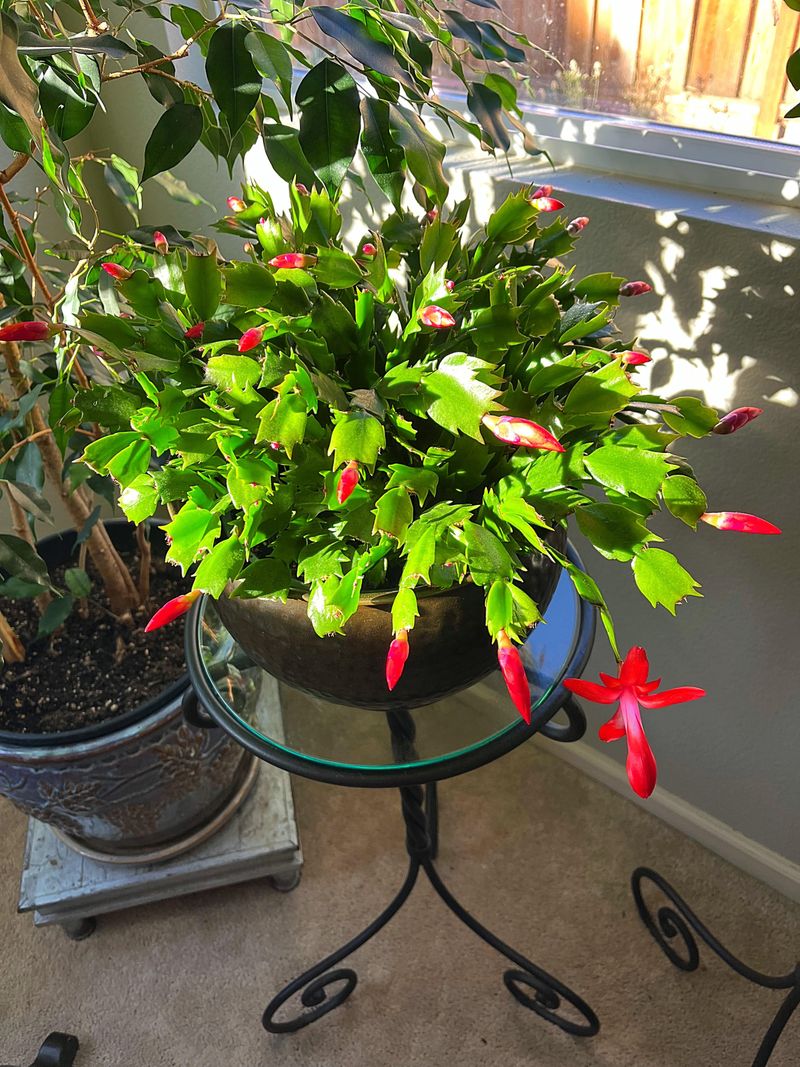
Start the long nights and cool conditions now, keep care steady, and then watch the plant instead of the date. Buds are the sign that the routine is working.
Your plant may not be a true Christmas cactus at all. Illinois Extension explains that many sold under that name are Thanksgiving cacti, which typically bloom earlier.
Hybrids make timing even harder to predict, a point also raised by UMass Extension and Wisconsin Horticulture.
So the routine can encourage buds, but it cannot promise flowers open by December 25. A late bloom is still a bloom worth waiting for.