
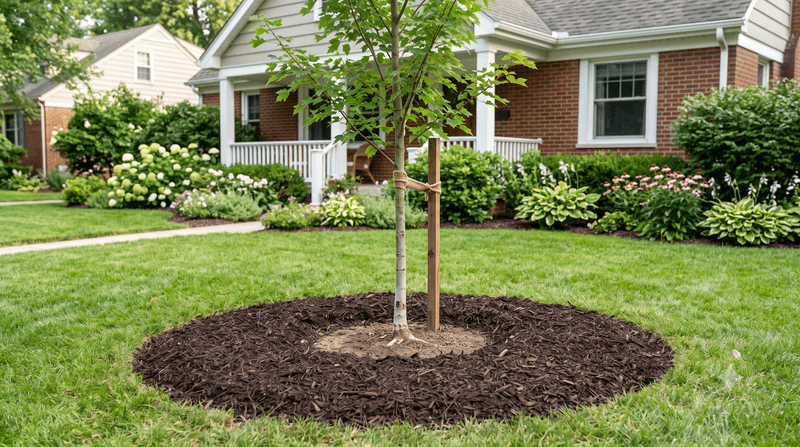
A fig tree can look lush and happy all summer, then turn into a pile of black, mushy stems after one hard freeze. That is a sad sight, especially if you waited years for a good crop.
The good news is that a few simple steps in fall can help your tree make it through winter with its branches still alive. Whether you garden in North Texas, the Florida Panhandle, or anywhere a cold snap can sneak in, here is what to do before the first frost arrives.
1. Stop Fertilizing by Late Summer
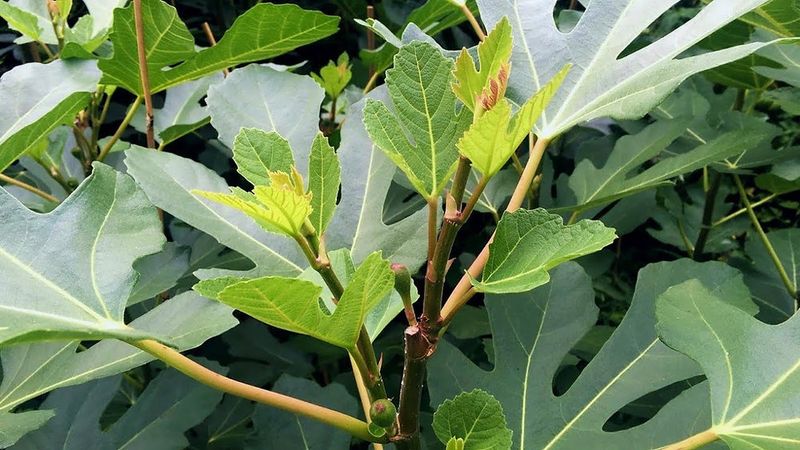
Picture a fig tree pushing out bright green, tender shoots in October. It looks great, but that soft new growth is exactly what frost loves to destroy first.
Nitrogen fertilizer tells a fig to keep growing. When you feed late in the season, the tree keeps making fresh leaves and stems instead of slowing down and toughening up.
Those young stems have thin bark and lots of water inside, so a freeze can split and blacken them overnight.
A good rule for most Southern gardens is to make your last feeding by mid-July or early August. In South Texas or Central Florida, where frost comes later or barely at all, you can stretch that a few weeks.
In North Texas or the Panhandle, stop sooner.
Skip the compost tea and the lawn fertilizer runoff too. If your fig sits near turf that gets a fall feeding, that extra nitrogen can still reach its roots.
Letting the tree go a little hungry in fall may feel wrong, but it often helps the wood harden off naturally. Firmer, browner stems usually handle cold far better than green ones.
Think of it as giving your fig permission to rest.
2. Water Deeply Before a Cold Snap
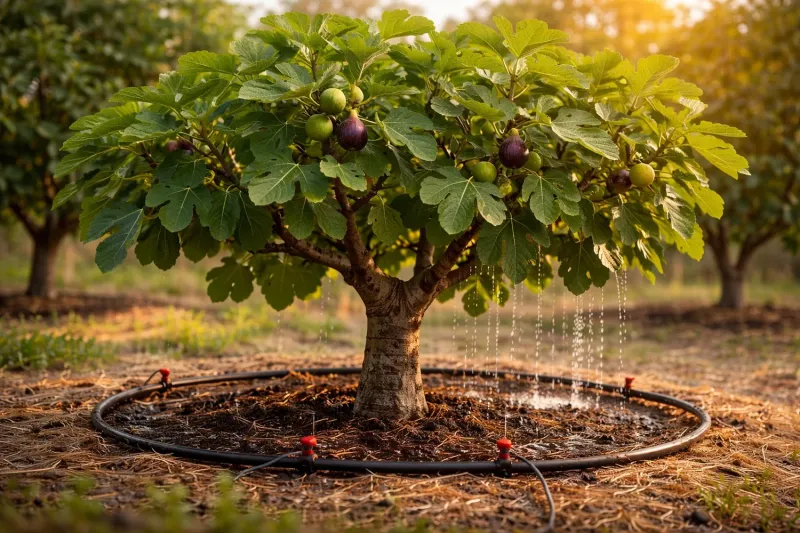
Here is a trick old-time Southern gardeners swear by: soak the ground a day or two before a freeze. It sounds backward, but moist soil holds warmth much better than dry soil does.
Wet ground releases stored heat slowly through the night, which can raise the air temperature right around the trunk by a degree or two. That small bump can matter when temperatures hover near the edge.
Dry soil, on the other hand, loses heat fast and leaves roots thirsty and stressed.
Drought-stressed figs also tend to suffer more freeze damage. A tree with dry tissues has a harder time recovering from cold, and fall in Texas and Florida can be surprisingly dry.
Give the root zone a slow, deep drink, aiming for the top 8 to 12 inches of soil. A soaker hose or a trickling garden hose left for 30 to 60 minutes works well.
Water in the morning or early afternoon so the leaves are not soaking wet at dusk.
Do not flood the area every day, though. Figs dislike soggy roots, and constantly wet soil in winter may invite root rot.
One good soak before a cold front is usually plenty.
3. Pile On a Thick Mulch Blanket
Even if every branch above ground freezes, your fig is not finished as long as the roots and lower trunk survive. That is why mulch might be the single most valuable step on this list.
A fig that dies back to the ground can often resprout from the base in spring. Protecting that base gives you a living backup plan.
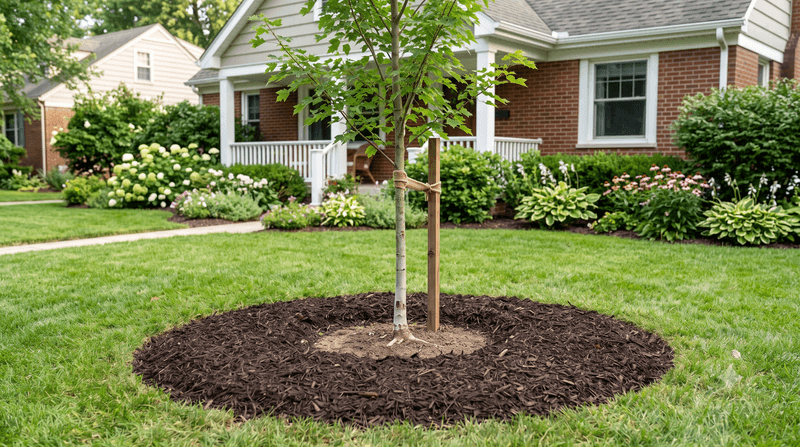
Spread 4 to 6 inches of mulch in a wide ring, roughly as far out as the branches reach.
Good choices for Southern yards include pine straw, shredded hardwood, and chopped oak leaves. Pine straw is easy to find across Texas and Florida, stays fluffy, and traps air well.
Fallen leaves from your own yard are free and work just as nicely.
For young trees under three years old, you can mound mulch or loose soil 12 to 18 inches up the trunk right before a hard freeze. Pull it back once the danger passes so the bark does not stay damp for weeks.
Keep a small gap between everyday mulch and the trunk the rest of the year. Mulch packed tight against bark may hold moisture and invite rot or pests.
Done right, this cozy layer can keep roots several degrees warmer than bare ground.
4. Wrap or Cover the Branches

A bedsheet thrown over a shrub at 9 p.m. is a classic Southern winter ritual. For figs, a little more planning gives much better results.
Frost cloth, also called row cover, is the best option because it lets air and moisture pass while holding in ground warmth. Old blankets and burlap work in a pinch.
Avoid letting plastic touch the leaves or branches, since it can transfer cold straight into the wood and cause damage.
Drape the cover all the way to the ground and weigh down the edges with bricks or rocks. Warmth rises from the soil, so a cover that stops at mid-trunk lets that heat escape.
For smaller trees, you can gently tie branches together with soft twine first to make wrapping easier.
Want extra insurance during a deep freeze? Many gardeners string old-style incandescent Christmas lights inside the cover.
Those bulbs give off gentle heat, while LED lights do not.
Remove or open the cover once temperatures rise above freezing the next day. Leaving it on during sunny afternoons may trap too much heat and moisture.
Watch the forecast closely in North Texas, where a sudden blue norther can drop temperatures twenty degrees in hours.
5. Hold Off on Pruning Until Spring
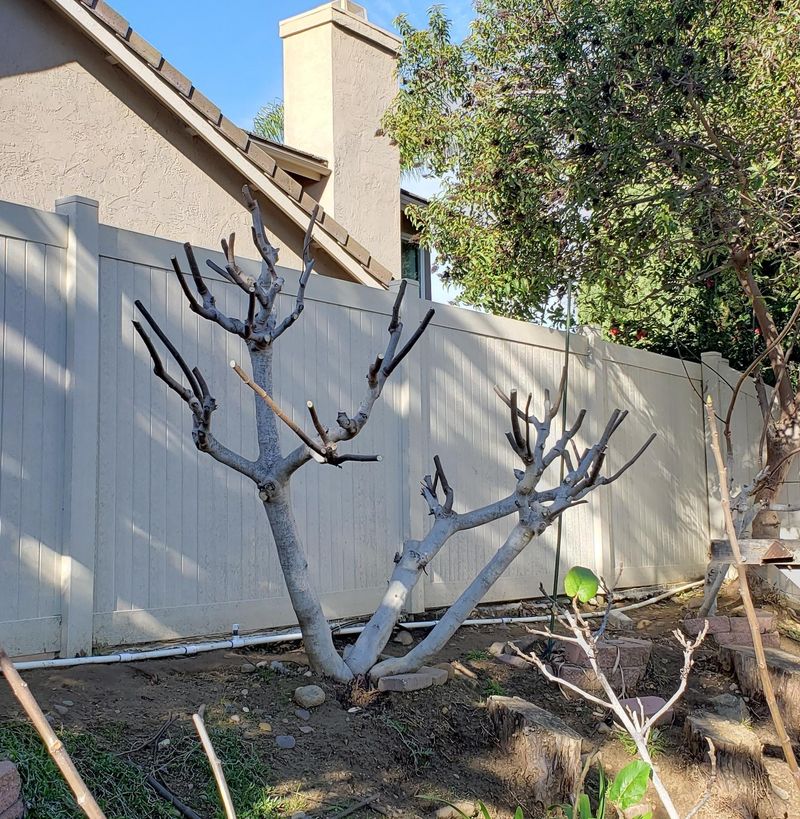
Grabbing the pruners in November feels productive. Unfortunately, it can be one of the worst things you do for a fig before winter.
Every cut opens a fresh wound that cold air can reach. Pruning also tends to wake the tree up and nudge it to push new growth, which is the opposite of what you want heading into frost season.
On top of that, the branches you remove may have been shielding inner wood from wind and cold.
Leave the shaping, thinning, and size control for late winter or early spring. In most of Texas and the Gulf Coast, that means late February to March, once the worst freezes have passed.
By then you can easily see which stems survived.
A simple scratch test helps. Scrape a bit of bark with your thumbnail: green underneath means alive, brown and dry means dead.
Cut dead wood back to healthy tissue.
The one fall exception is clearly broken or diseased branches. Removing those makes sense any time.
Otherwise, let the tree keep its full shape through winter. A scruffy-looking fig in January is often a fig that bounces back stronger once warm weather returns.
6. Move Potted Figs to Shelter
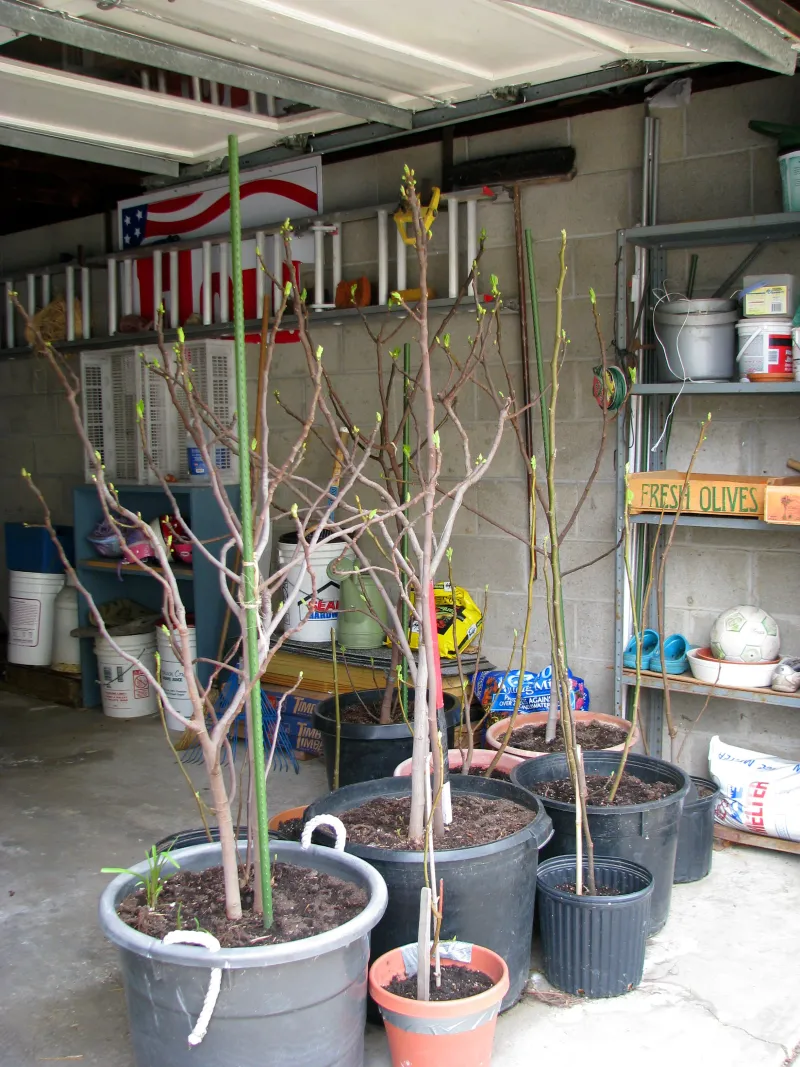
Container figs are both easier and riskier than figs in the ground. Easier because you can move them, riskier because their roots sit in a pot that freezes fast.
Roots in a container have no deep soil insulating them. A pot that sits outside during a hard freeze can lose its whole root ball, even if the branches look fine.
Most experts suggest bringing potted figs in when nights are expected to drop into the mid to low 20s.
An unheated garage, shed, or enclosed porch is usually ideal. The fig can go dormant there, dropping its leaves and resting quietly.
It does not need much light while dormant, and a dim spot is perfectly fine.
Water lightly about once a month so the soil does not completely dry out. Too much water in a cold, dark spot may lead to rot, so err on the dry side.
For heavy pots, a plant dolly saves your back and makes quick moves easy when a surprise cold front shows up. In mild parts of Florida, you may only need to tuck the pot against a south-facing wall during rare cold nights.
Roll it back out once spring warmth returns for good.
7. Clean Up Fallen Leaves and Fruit
Old figs rotting on the ground in October might seem harmless. In reality, that mess can quietly set your tree up for trouble next year.
Fig rust is common across the humid South, especially in Florida and along the Gulf Coast. It shows up as rusty orange spots on leaves and can cause early leaf drop.
The fungus may survive on fallen foliage, so leaving leaves under the tree can help it return in spring.
Rotting fruit draws fruit flies, beetles, ants, and even raccoons and opossums looking for an easy snack. Clearing the ground removes that buffet and may reduce pest pressure around your tree.
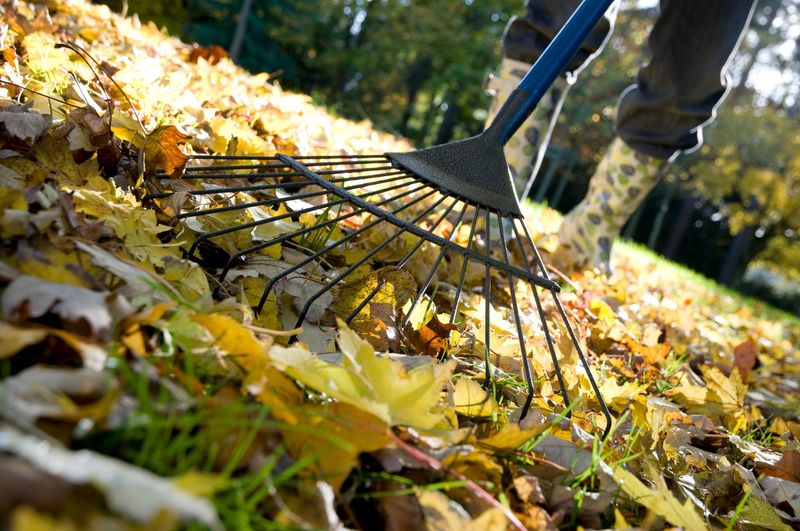
Rake up spotted leaves and any mushy or shriveled figs once the tree starts dropping them. Toss diseased leaves in the trash rather than your compost pile, since many home piles do not get hot enough to kill fungal spores.
Healthy, clean leaves are fine to shred and reuse as mulch for that root blanket from earlier. That way your cleanup does double duty.
A tidy base also makes it easier to spot trunk damage, borer holes, or other problems before winter hides them.