
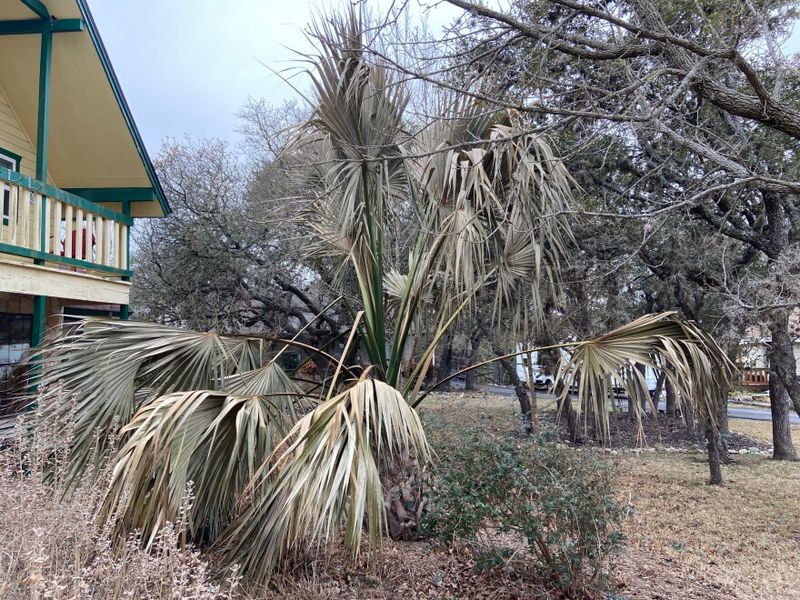
A hard freeze can turn a lush Texas shrub into a sad tangle of dark, limp stems overnight. Your first instinct may be to grab the pruners and clean it all up.
Hold off for a bit, because the way a plant looks right after a freeze does not tell the whole story. A little patience and a few simple steps can save you from cutting growth that still has life in it.
Blackened growth does not reveal the whole plant’s condition
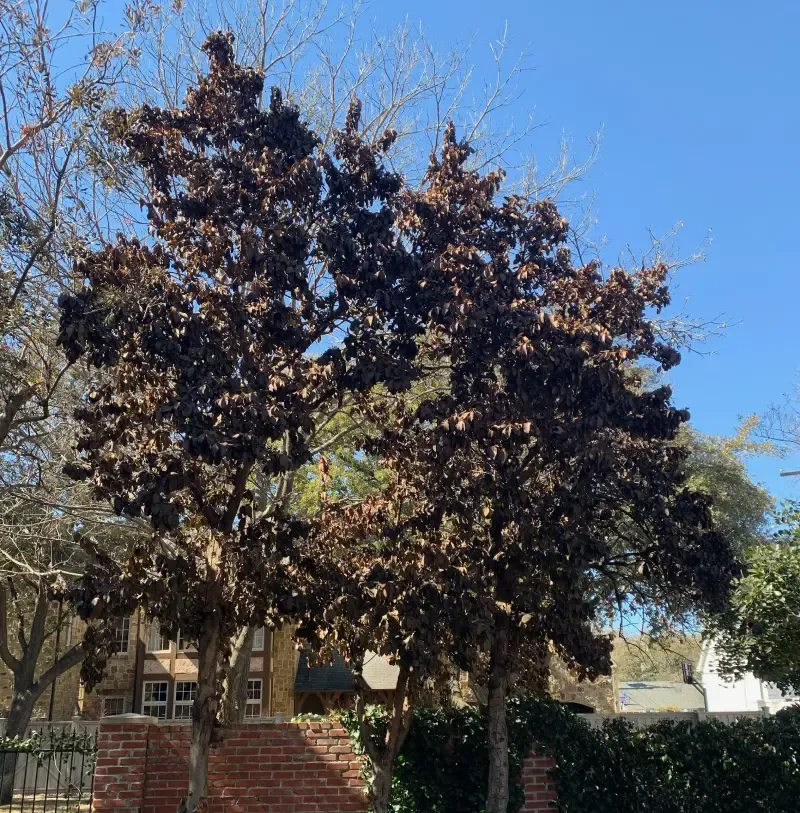
Walk out after a freeze and the damage can look final. Leaves droop, stems turn dark, and the whole shrub seems finished.
But the look of the plant on day one is only a partial clue.
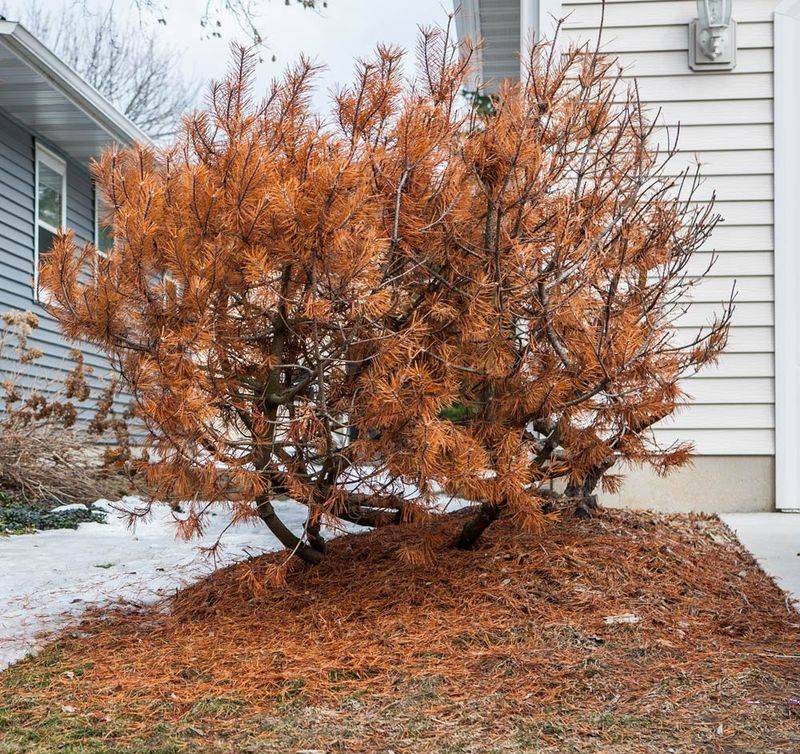
According to Texas A&M guidance on frosts and freezes, freeze-injured tissue often looks dark and water-soaked at first. Later it turns brown or black.
On shrubs, damage to twigs and branches may not be obvious right away, so the early picture can be misleading.
Blackened foliage fits freeze injury, but it does not prove the plant is dead. It does not prove the plant is alive, either.
Dark leaves say little about whether the crown, the roots, or the woody stems came through.
Think of the first few days as a time to observe rather than decide. Look at the plant, take a photo, and note which parts are affected.
A photo helps later, when you want to compare what changed once the weather settles.
You can also jot down how low the temperature dropped and how long it stayed there. Severity matters, and so does where the plant sits.
A shrub against a warm south wall may fare differently from one in an open, low spot in the yard.
The goal for now is simple. Resist the urge to make a final call from the color of the leaves alone.
Reliable answers come later, once the plant has had time to show what it can still do.
Wait until the local threat of another freeze has passed
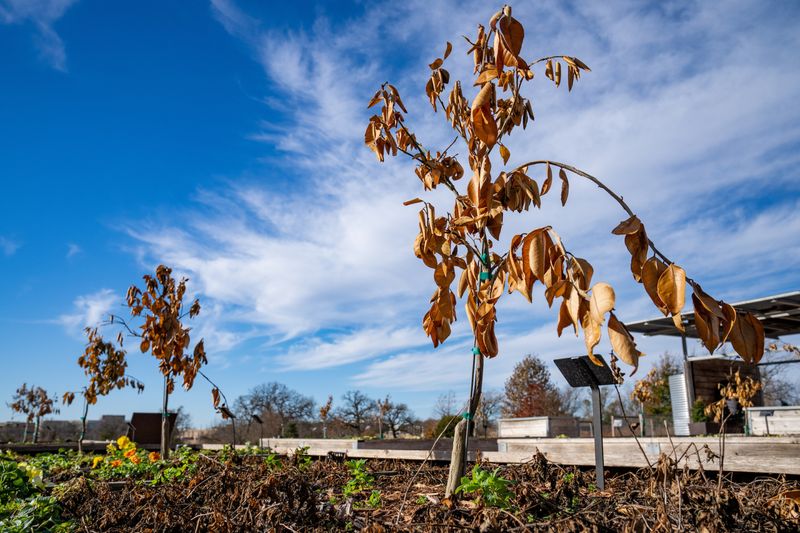
Here is the timing rule that matters most: wait until the threat of further freezes has passed in your area. Only then should you judge the damage or prune living growth.
Texas A&M recommends delaying pruning until living and dead tissue can be told apart and the danger of more freezes is over, as laid out in its freeze protection publication.
Texas is big, and its weather varies a lot. A gardener on the Gulf Coast lives with a very different winter than one in the Panhandle or the Hill Country.
Because of that, no single calendar date works for the whole state.
Microclimates add another wrinkle. A yard near pavement, a sheltered courtyard, or a spot at the bottom of a slope can each run warmer or colder than the forecast for your town.
Your own yard may have its own freeze schedule.
So watch your local forecast and your own experience. If a warm week tempts you to start cutting, remember that a late cold snap can injure fresh growth that pruning might encourage.
Cutting too early can also remove tissue that was still protecting the plant.
A practical habit is to pick a few reminders, such as your area’s typical last-freeze window and your ten-day forecast. When both look calm, you are closer to the right time to look the plant over carefully.
Confirm the plant before applying a species-specific rule
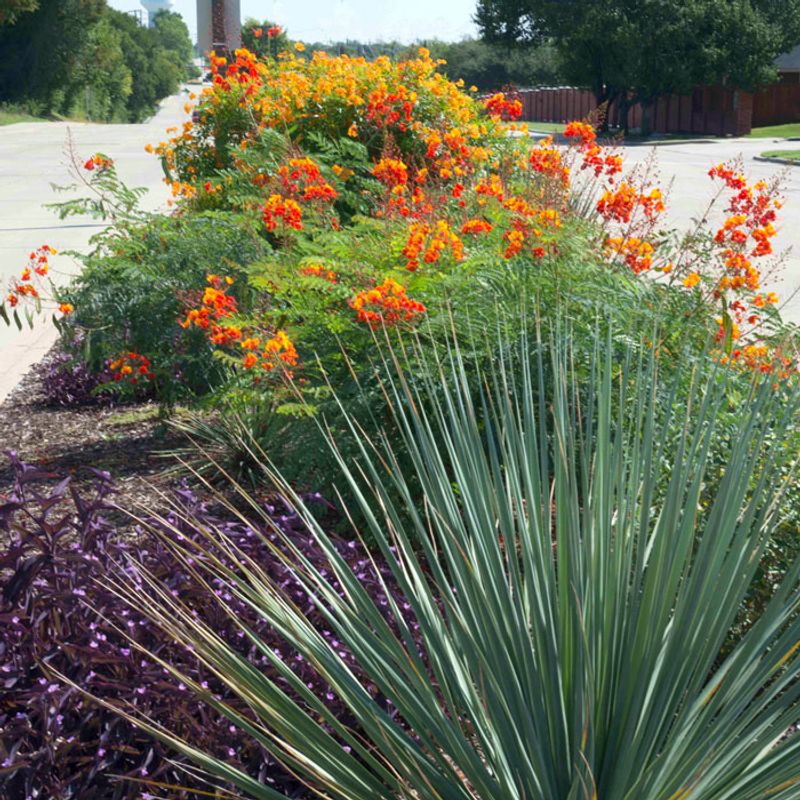
Many Texans assume a blackened shrub is Esperanza, but the sources used here do not identify it that way. They also give no Esperanza-specific freeze recovery or pruning instructions.
Until you confirm what you are growing, treat any plant-specific rule as a maybe.
The sources cover three different plants. Texas A&M AgriLife’s Trailing Lantana article speaks to trailing lantana.
Austin’s plant guide describes Texas lantana, a deciduous perennial that grows 3 to 5 feet tall. It also warns that all parts of the plant are poisonous, which matters around kids and pets.
A third piece, AgriLife’s Pride of Barbados article, covers a tropical species that can act like an annual, a perennial, or a woody shrub depending on winter severity. It is among the last plants to emerge from dormancy.
These are separate plants with separate habits. None of them is shown here to be Esperanza, and their care rules should not be borrowed for another species.
Even the word lantana covers more than one plant.
To confirm your plant, check the original plant tag, a nursery receipt, or a local extension office. A photo of the leaves and flowers can help a county extension agent or master gardener name it.
Remove only broken or hazardous stems while you wait
Waiting does not have to mean doing nothing. One job is fair game: take off stems that are broken or hazardous.
A snapped branch hanging across a walkway is a good example.
Beyond that, leave the rest alone for now. Texas A&M’s post-freeze recovery tips advise waiting for new buds or growth before trimming tissue that is clearly dead.
Once buds show up, you can see where living tissue begins.
There is also a protective reason to hold back. Dead foliage may shield the lower growth if another cold snap rolls through.
That crispy brown canopy looks messy, but it can act as a blanket.
Picture a shrub with three hanging limbs and a mass of browned leaves. Trim the three limbs, then step away.
Check again every week or so, looking for small green buds along the stems.
This is general post-freeze guidance. It does not prove that any particular plant will bounce back.
It simply keeps you from removing growth that might still matter.
Use clean, sharp pruners for the limited cuts you do make. Wear gloves, since some shrubs have thorny stems, and bag cuttings if you are unsure about the plant’s safety.
Keep the trailing-lantana pruning advice specific to trailing lantana
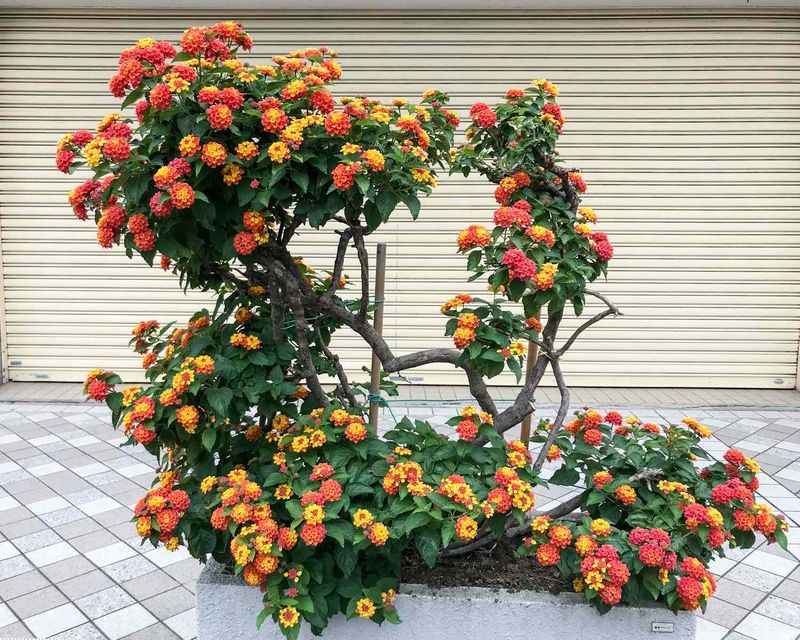
Here is one clearly labeled example. Texas A&M AgriLife’s guidance on Trailing Lantana says the plant dies back after the first frost.
Gardeners should inspect it once the spring freeze threat has passed, because a mild winter may leave live growth on existing stems.
If stems still show life, keep that growth. After a hard freeze, the guidance recommends cutting stems back to about 8 inches from the main stem.
That is the measurement AgriLife gives for trailing lantana.
This is not a verified Esperanza instruction. It should not be spread to every ornamental lantana, to Texas lantana, or to Pride of Barbados.
Plants differ in how they grow and how they respond to cold.
No cut height is offered here for Esperanza, since the sources do not give one. Guessing a number could remove growth that would have returned.
If your plant turns out to be trailing lantana, the 8-inch guidance gives you a starting point. If it is something else, look for advice written for that species from your county extension office.
Water dry soil, delay fertilizer, and let new growth guide your next step
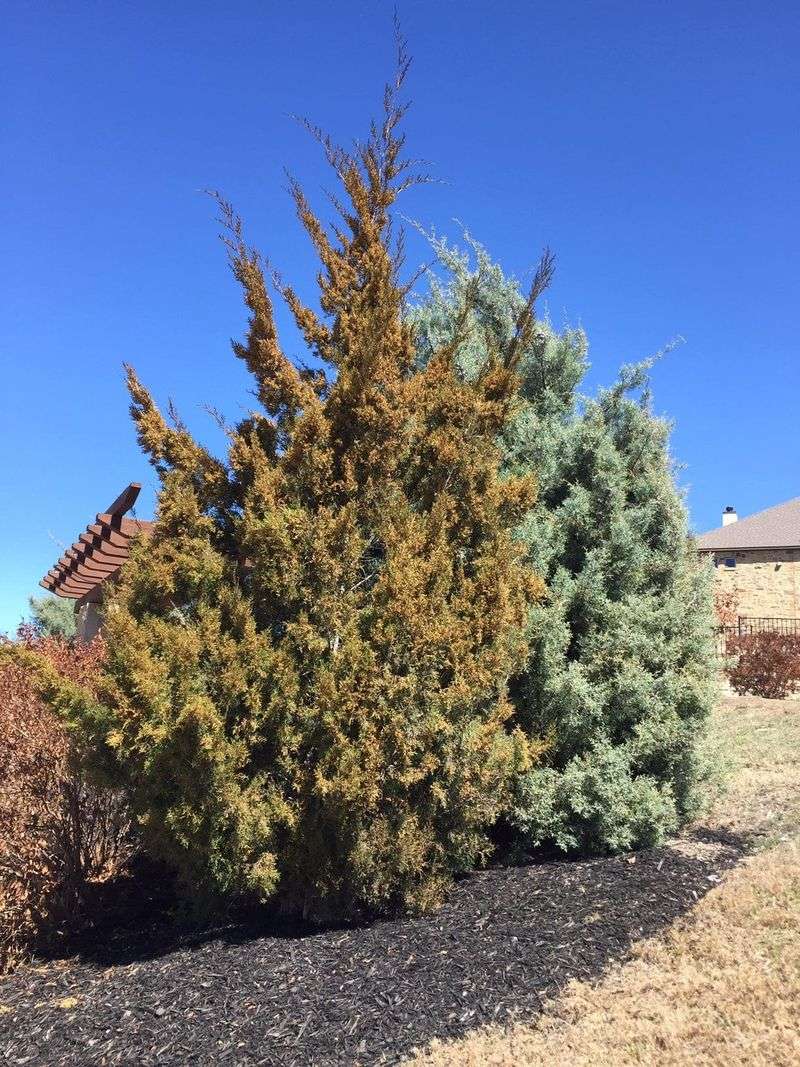
Two care steps are safe while the plant recovers. Water when the soil is dry instead of following a fixed schedule.
Hold off on fertilizer until active growth resumes, as Texas A&M AgriLife freeze damage tips advise.
The overall rule is simple. Let the local freeze threat pass, watch the plant, and use pruning instructions only when they match its confirmed identity.
Outcomes depend on freeze severity and local conditions, which is why Texas A&M notes that hardiness ratings cannot fully account for microclimates and that severe freezes can kill plants even with protection.
No shrub, Esperanza included, is guaranteed to return from its roots. Some will come back and some will not.
The plant will tell you more in a few weeks than it can today.