
If your shovel bounces off your yard in August and your beds turn into a pond in January, you are not alone. Heavy adobe clay is one of the most common soil types in California, and it kills plenty of nursery favorites.
The good news is that some native shrubs evolved in creek bottoms, vernal floodplains, and valley flats with exactly this kind of dirt. Plant the right ones and you get a tough, water-wise yard that feeds bees, birds, and butterflies without a fight.
1. Coffeeberry (Frangula californica)
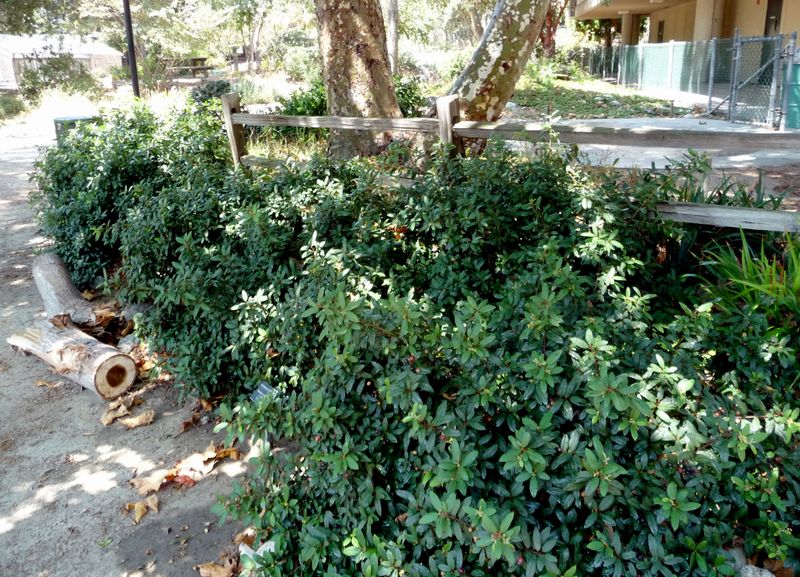
Ask any California native plant nursery worker for a shrub that shrugs off clay, and coffeeberry usually comes up first. It grows wild from coastal canyons to inland foothills, often in dense, poorly drained soil.
The glossy leaves stay green all year, and the berries ripen from red to black in late summer. Birds like thrushes, robins, and band-tailed pigeons can strip a bush clean in days.
Cultivars such as Eve Case and Mound San Bruno stay compact, roughly 4 to 8 feet, which makes them easy to fit along a fence or driveway. Once established, they usually need only occasional deep summer watering inland and little to none near the coast.
2. Toyon (Heteromeles arbutifolia)
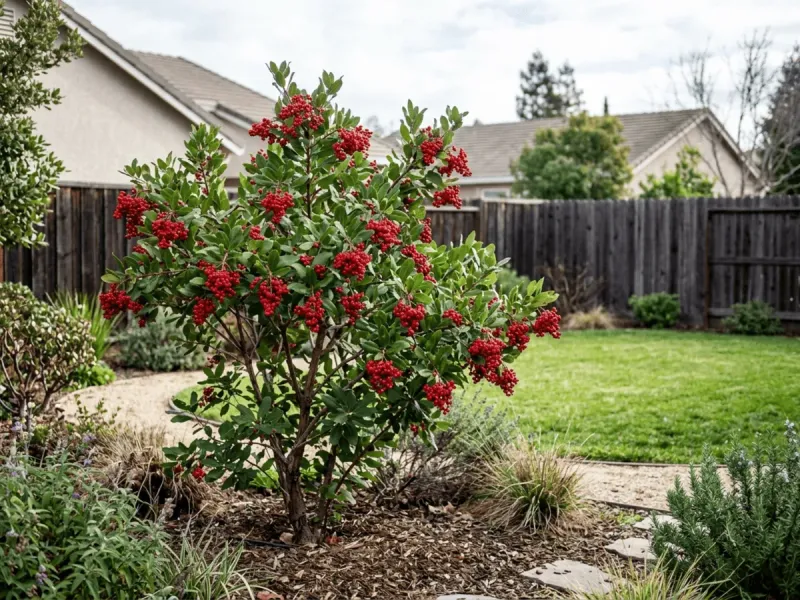
Hollywood was named after this shrub, sort of. Early settlers thought toyon looked like holly, and the red winter berries still light up hillsides across the state.
Toyon handles clay well and tolerates short periods of soggy winter soil, especially if planted slightly raised. It can grow 8 to 15 feet tall, so treat it as a living screen or small tree rather than a foundation plant.
Summer flowers buzz with native bees, and winter berries feed cedar waxwings and mockingbirds. If you want privacy and wildlife in one plant, this is a strong pick.
3. California Wild Rose (Rosa californica)
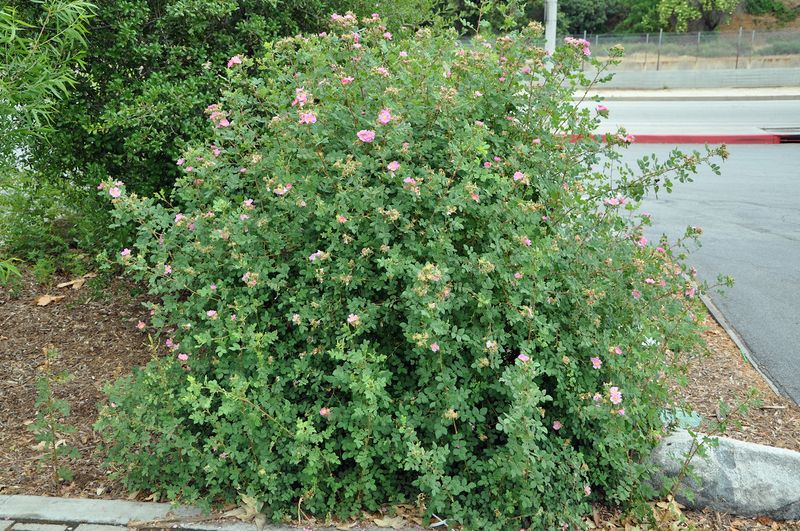
Picture a creek bank in the Central Valley after a big storm, water sitting in low spots for days. California wild rose is often right there, rooted in mud and doing just fine.
Few natives handle wet winter feet as well as this one. It spreads by runners, forming a thicket that shelters quail, wrens, and songbirds from hawks.
Pink spring and summer flowers turn into bright orange hips that hang on into winter. Give it room or edge it with a path, because it will happily wander.
4. Red Osier Dogwood (Cornus sericea)
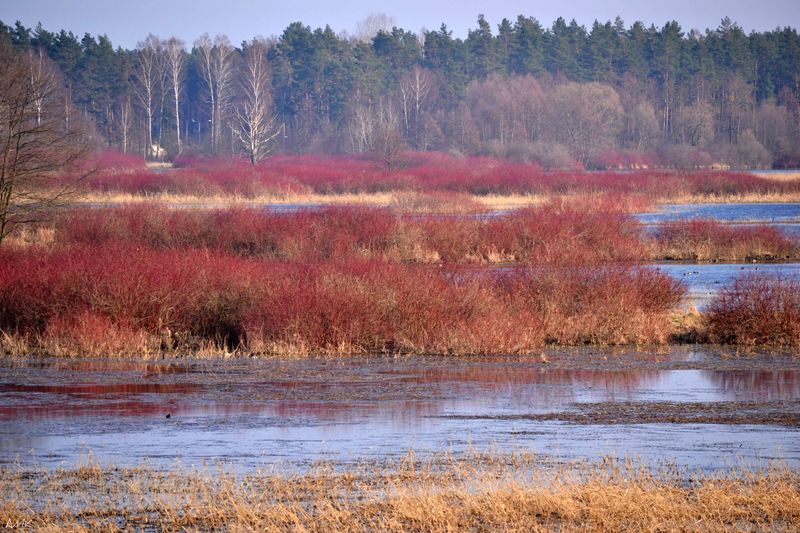
Bare red stems in winter make this dogwood easy to spot, and it looks best exactly when your yard looks worst. That is a nice trade for a flooded corner.
Native to streamsides in Northern California and the Sierra, red osier dogwood actually prefers moisture. It is a natural fit for rain gardens, downspout outlets, and swales that collect runoff.
In hot inland areas it may need some summer water, so place it where moisture lingers. White flower clusters in spring draw butterflies, and the berries feed birds in fall.
5. Mule Fat (Baccharis salicifolia)
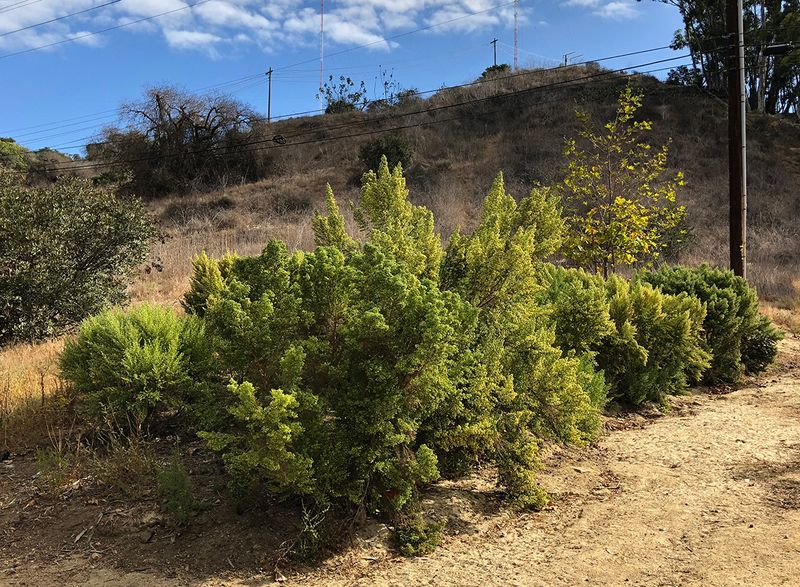
The name is not glamorous, but mule fat is a powerhouse. Along Southern California washes, it holds soil in place through floods that would rip out lesser shrubs.
Its willow-like leaves and small, fuzzy flowers may not win a beauty contest. Butterflies, native bees, and beneficial insects do not care, and the plant can bloom much of the year.
Use it on a slope that erodes, a drainage strip, or the back of a habitat garden. It grows fast, takes heavy clay, and bounces back from hard pruning.
6. Western Spicebush (Calycanthus occidentalis)
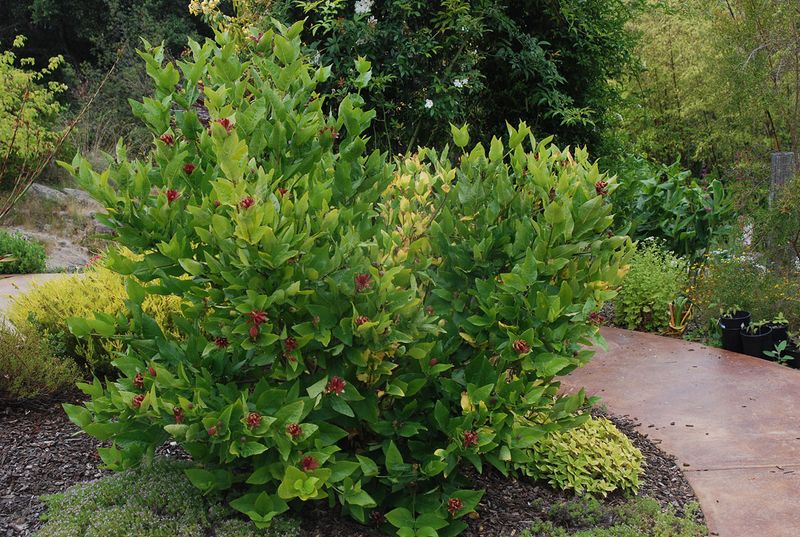
Crush a leaf and you will smell something like clove and wine. Western spicebush has one of the most unusual scents among California natives.
Burgundy, strappy flowers appear in late spring and summer, and they look a bit like small water lilies. It grows naturally along streams in the Sierra foothills and North Coast ranges, so wet winter soil suits it.
Plant it in part shade with some summer water for best results inland. It makes a fine background shrub near a patio, where you can enjoy the fragrance up close.
7. Coyote Brush (Baccharis pilularis)
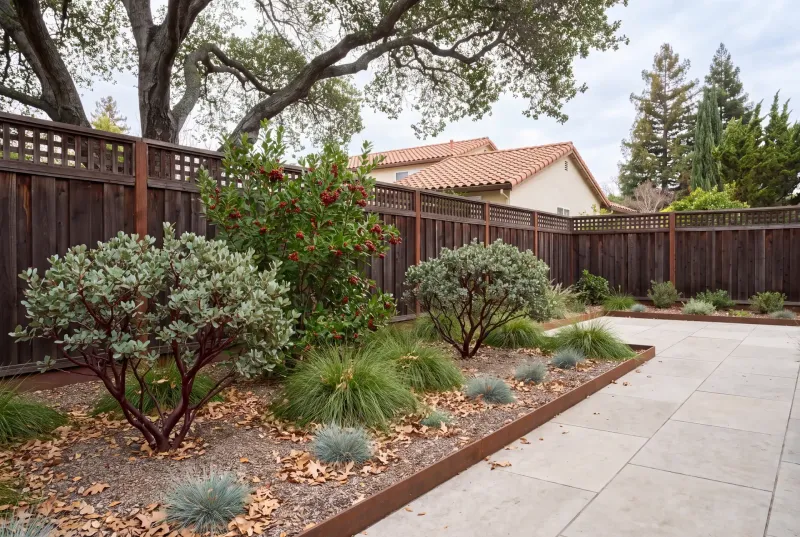
Tired of mowing a patch of lawn that turns to concrete in summer? Coyote brush may be your answer.
Low forms like Pigeon Point and Twin Peaks spread wide and stay under 2 feet, covering clay slopes with tough green foliage. It handles winter rain, summer drought, and poor soil with little complaint.
Fall flowers feed late-season pollinators when little else is blooming. Kept well-pruned and lightly watered, it can be part of a fire-smart plan, though local defensible-space rules should guide spacing.
8. Arroyo Willow (Salix lasiolepis)
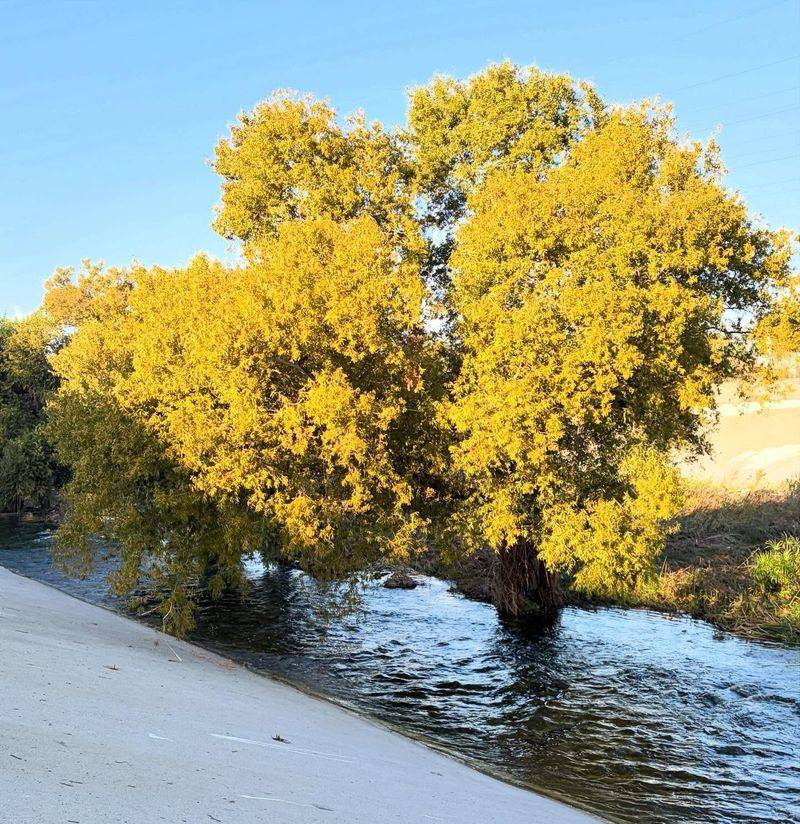
For the soggiest spot on your property, the place where water sits for weeks, arroyo willow may be the last word. It grows along almost every creek in the state.
Early spring catkins are an important first meal for native bees, and willows support huge numbers of caterpillars that songbirds feed their young. Few plants do more for backyard wildlife.
Roots seek water, so keep it well away from pipes, septic lines, and foundations. On a larger lot with a wet swale, though, it can turn a problem area into a bird magnet.