
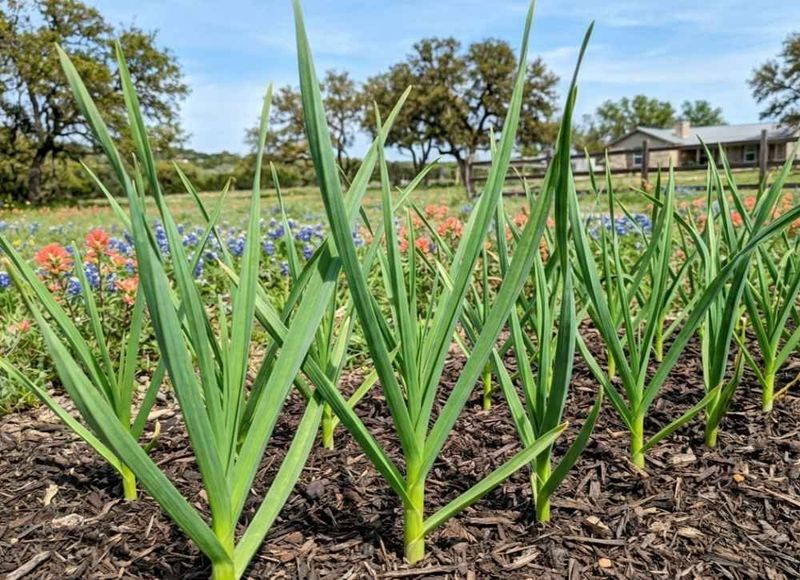
You plant a handful of garlic cloves, green shoots pop up, and then the harvest turns out to be a single fat ball with no cloves inside. That puzzling result sends many Texas and Florida gardeners hunting for a cause.
Cold exposure is one possible piece of the puzzle, but it is not the whole story. Here is how to sort out what applies to your garden and your garlic.
Understand why garlic can sprout without forming cloves
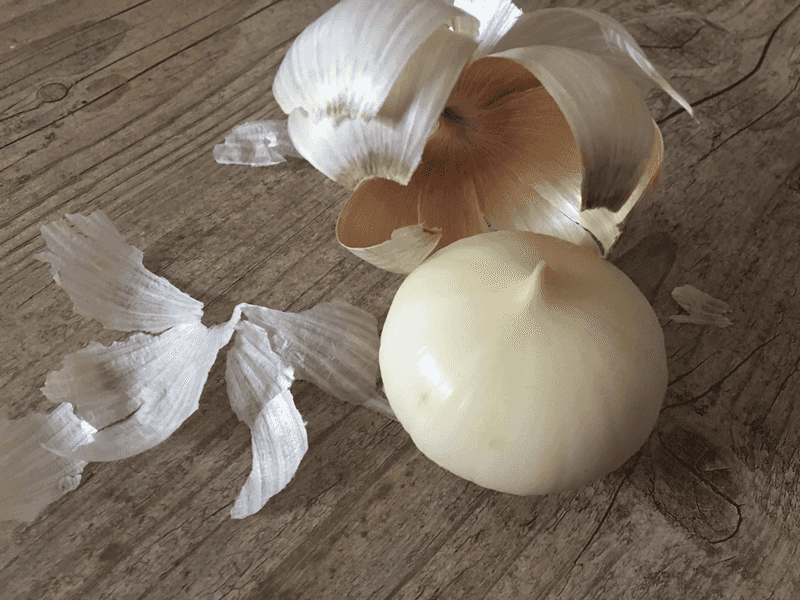
Here is the puzzle many Southern gardeners run into: the clove sprouts, the leaves look healthy, and the harvest still comes out as one smooth, undivided ball. That ball is called a round.
It is not a failed sprout, because the clove clearly grew.
Sprouting, bulbing, and clove division are three separate steps. A clove can do the first one just fine and still skip a normal version of the last.
Nebraska Extension’s garlic publication describes rounds as undivided bulbs and notes that several things can lead to them.
The round itself does not tell you the cause. Too little cold, small planting cloves, a variety that does not suit your site, or rough growing conditions can all produce the same result.
A peer-reviewed study on garlic bolting and bulbing shows that bulb development responds to temperature and day length, and that response varies by variety. Keep that in mind before blaming any single step.
Explain what cold can—and cannot—do
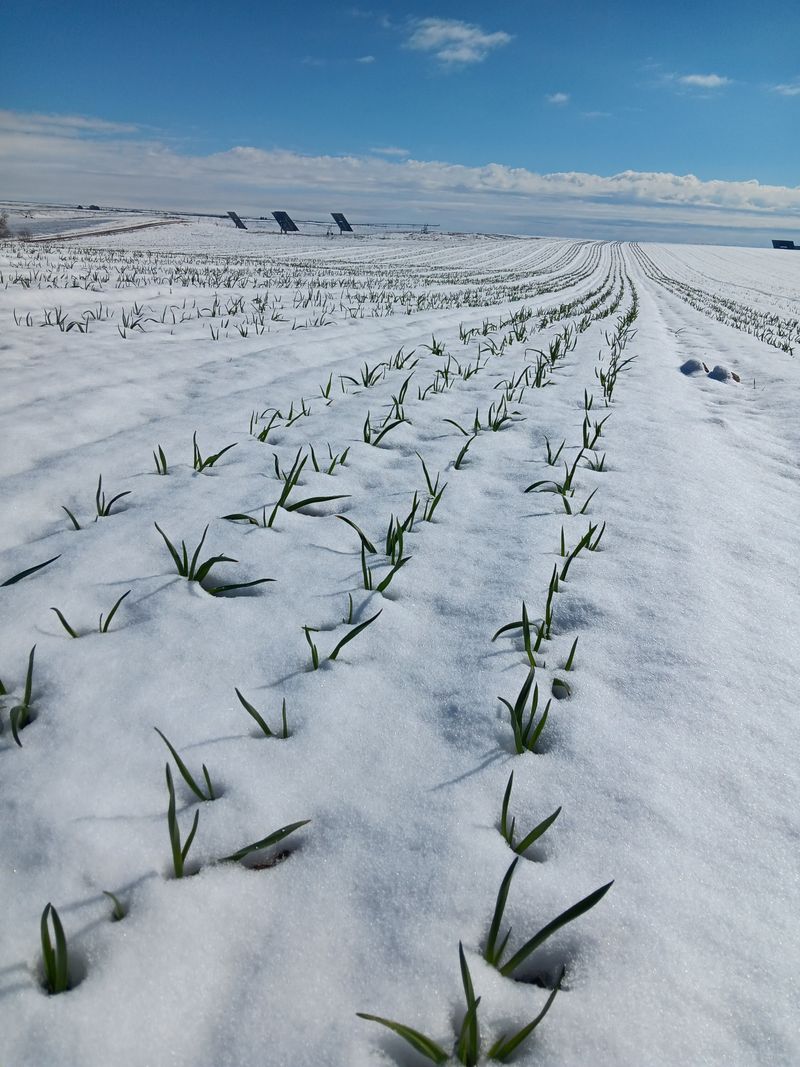
Gardeners call the cold step vernalization, which simply means a stretch of cool weather that nudges a plant toward its next stage. For garlic, cold exposure can help some varieties form a bulb that splits into cloves.
Longer days and warmer soil then support the bulbing itself.
The Texas A&M garlic production guide gives a general benchmark of 6 to 8 weeks below 40°F. Treat that as a rough guide, not a recipe for every refrigerator and every garlic type.
The guide is also older, so it works best as general background.
Temperature and day length work together, and varieties differ in how they respond, as research on garlic bolting and bulbing shows. Heat and water stress can also interfere with normal development.
So chilling may help, but it cannot promise a big head. Think of it as one input among several.
Follow regional planting guidance in Texas and Florida
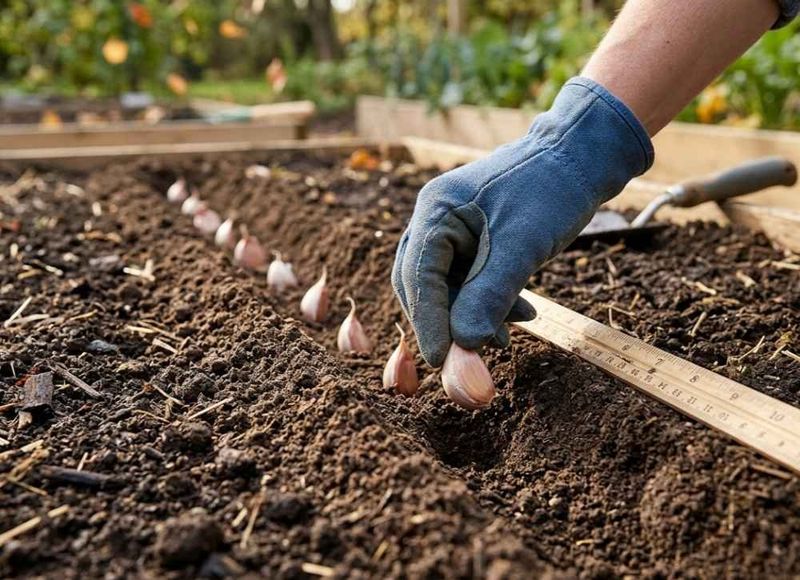
Texas and Florida are not one climate, so one date will not fit everyone. Texas AgriLife’s fall vegetable gardening guide lists garlic planting dates by region of the state.
Look up your own region rather than copying a neighbor in another part of Texas.
The Texas garlic production guide adds that garlic is best planted when soil at 2 inches deep is below 85°F. A cheap soil thermometer can settle that question quickly.
Florida guidance differs. UF/IFAS Gardening Solutions says garlic can go in from late fall through early winter, which includes November, and recommends Florida-suited softneck varieties such as Artichoke or Creole.
Notice what none of this says. Neither state’s guidance treats artificial chilling as a requirement for every garden.
Local timing and a well-suited variety come first.
Decide whether your cultivar needs pre-chilling
Start with the paperwork that came with your garlic. The supplier’s instructions for your specific cultivar beat any general rule, including the one you are reading now.
Varieties really do respond differently. A study on pre-planting refrigeration and garlic yield reported cultivar-dependent results, and bolting and bulbing research points the same way.
One chilling length will not suit every type.
The 6 to 8 week figure in the Texas A&M guide is a starting benchmark, not a mandatory recipe.
Florida’s softneck recommendation from UF/IFAS is regional advice about varieties that suit the state. It does not prove that every Florida gardener must, or must not, pre-chill.
A simple path: check the supplier’s notes, match the variety to your region, and chill only if those instructions call for it.
Support bulb growth with more than cold
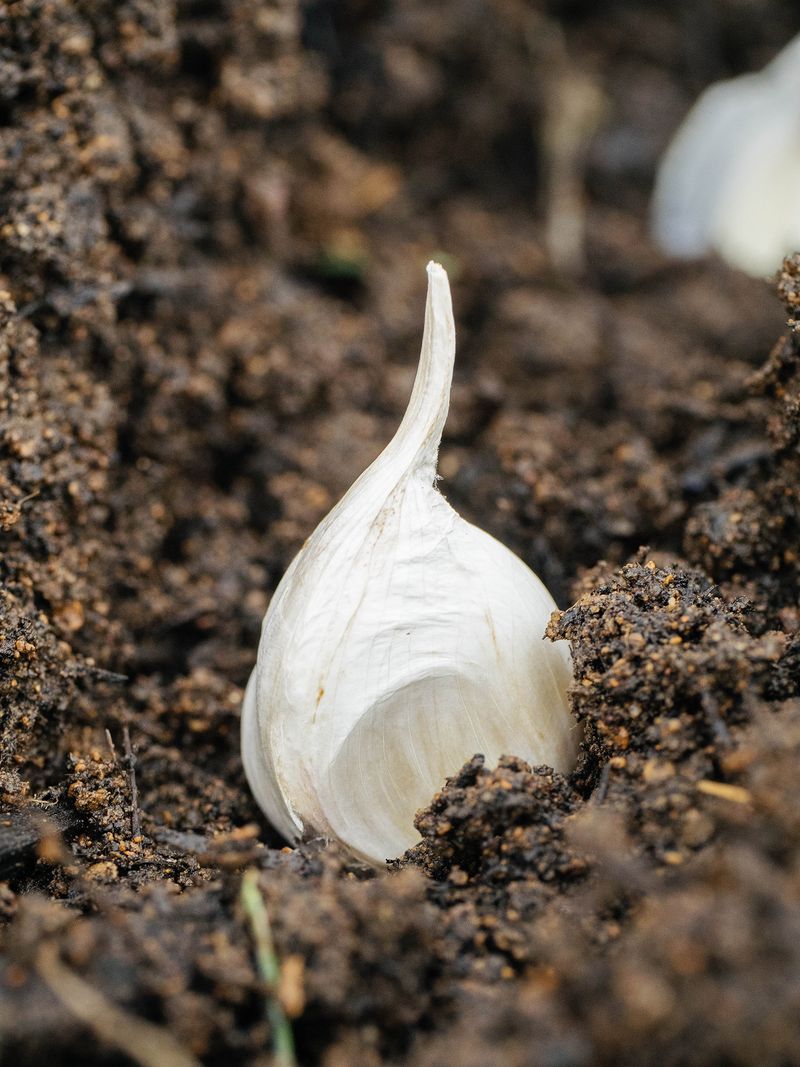
Big, plump garlic starts with big, plump seed. Garlic grown from larger, healthy cloves tends to produce better bulbs, as Nebraska Extension explains.
Save the largest cloves from each head for planting and cook with the small ones.
Care matters too. Oregon State University Extension covers moisture, fertility, and spacing, all of which can help bulbs fill out.
Aim for steady moisture rather than swings between soggy and dry.
Bulb size also depends on how much leafy growth the plant makes before it starts forming a bulb. Utah State University Extension describes this link between early growth and final size.
More leaves early often means more to feed the bulb later.
None of these steps guarantees a jumbo head, and none replaces a variety that suits your site. Used together, they may improve your odds.
Replant a round and adjust your next planting plan
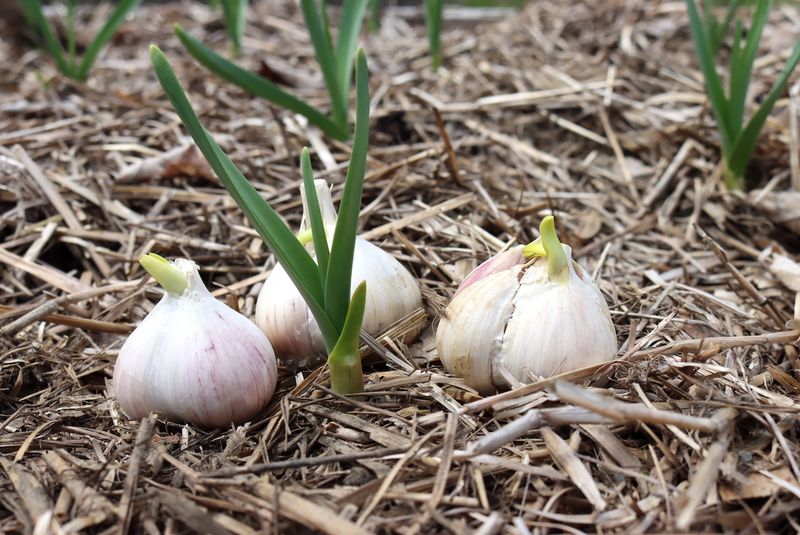
Found a round in your harvest? Keep it.
Nebraska Extension notes that rounds can be replanted and may develop into full-sized, segmented bulbs the following year. That is a possibility, not a promise, so treat it as a low-cost experiment.
Resist the urge to blame chilling automatically. Small planting cloves, a poorly matched variety, and rough growing conditions can all produce rounds as well.
For your next planting, build a plan from three pieces. Use your region’s timing from Texas AgriLife or UF/IFAS.
Follow the supplier’s notes for your cultivar. Then plant large, healthy cloves and keep up steady care.
Garlic forgives more than it punishes, and a round is often just a year-one answer in disguise.