
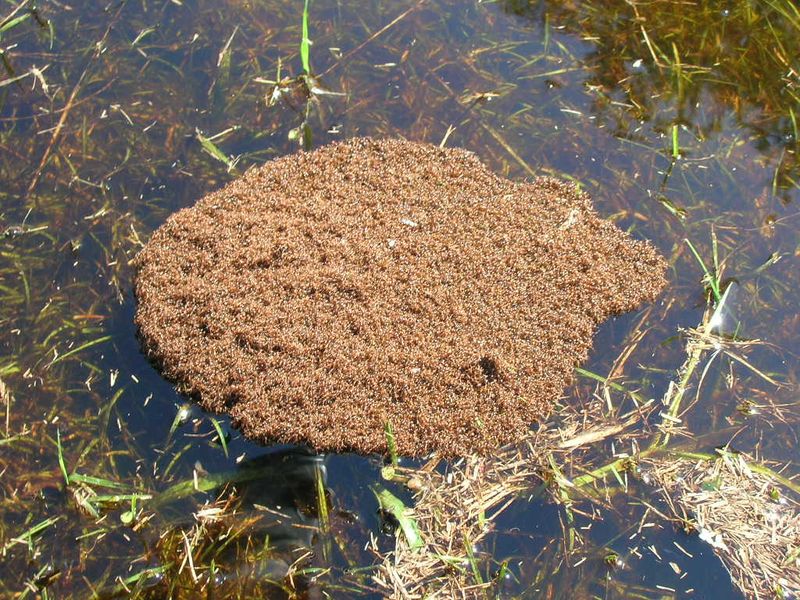
Picture a dark, shimmering mat drifting across floodwater, and then realize it is made of thousands of ants holding on to one another. Red imported fire ants can build these living rafts when water covers their nest.
Florida yards flood during storms, so knowing what a raft looks like can save you from a painful surprise. Here is how rafts form, where ants may end up, and how to stay safe during cleanup.
Floodwater, not an ordinary downpour, is the key condition
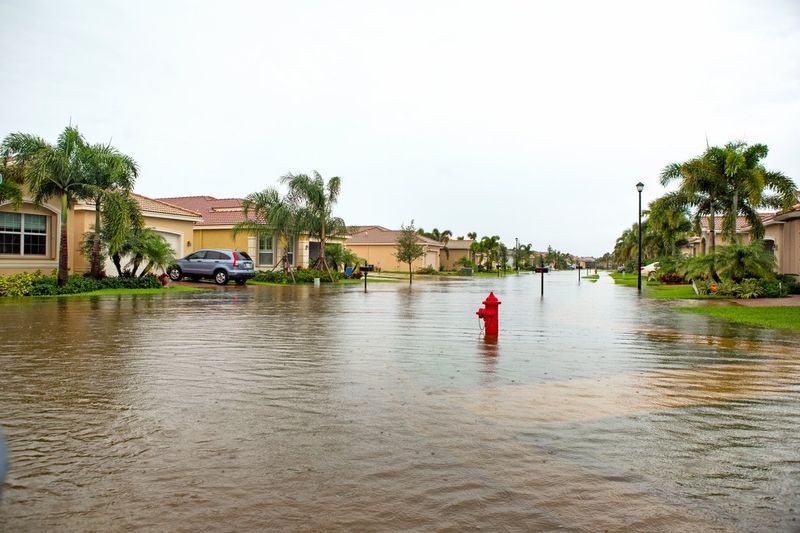
A heavy afternoon rain does not mean a raft is floating toward your patio. Red imported fire ants (Solenopsis invicta) raft when rising or standing floodwater inundates their nest.
The water has to cover the mound and give the ants a surface to move across.
Texas A&M AgriLife Extension describes this pattern in its guidance on flooding and fire ants. When water pushes into the tunnels, the colony leaves the soil and gathers on the surface.
Ants that find nothing solid to climb onto can link up and drift.
That is why the title’s picture of ants floating across your yard after a downpour is too broad. A brief storm that soaks the lawn and drains within hours usually just sends ants deeper or leaves mounds looking soggy.
A yard with standing water for a day or more is a different story.
For a Florida homeowner, the useful question is whether your yard, ditch, or retention area actually held floodwater. Sandy soil drains quickly, but low spots, storm surge areas, and flat lots can stay under water.
The Texas A&M flood safety sheet points out that ants can be on objects or in places that were flooded. If your property did not flood, a raft is unlikely to be part of your cleanup.
How ants link together to make a floating raft
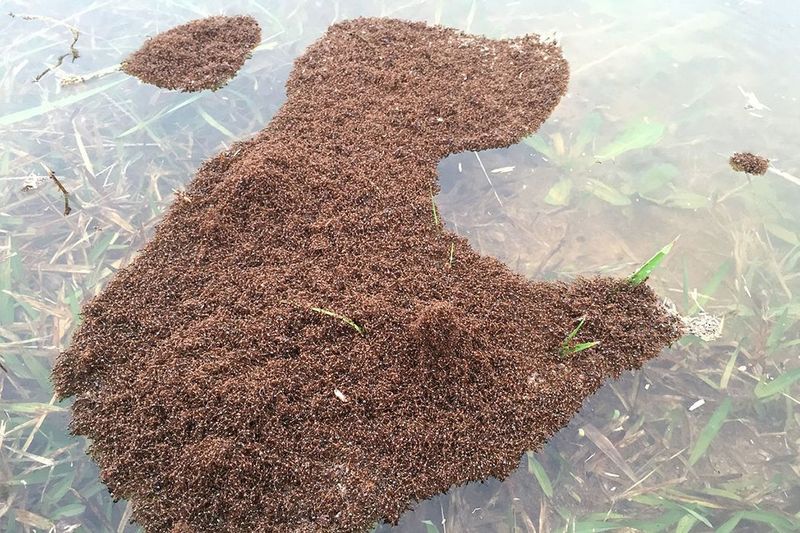
Once the nest is flooded, the ants grab each other. They use their legs, claws, and mandibles to lock into a tight, layered mat.
Within minutes, a loose crowd of insects turns into a single floating body.
Researchers described this in a 2011 study in the Proceedings of the National Academy of Sciences. The combined bodies make a water-repellent structure, and the layers help it stay up on the surface.
It works much like a sponge that shrugs off water instead of soaking it up.
The raft is more than a bunch of ants each staying afloat on surface tension. A lone ant can float, but it is easily swamped.
Joined together, the group traps air around their bodies and behaves like one object.
Water-repellent does not mean sealed. The raft is not an impermeable boat, and some ants, especially in the lower layers, can be partly wetted or even submerged.
Ants shift position over time, so the living raft is constantly rearranging itself.
That detail matters for safety. A raft is not a fragile pile that falls apart at a touch, and it is not a solid object you can safely nudge aside.
It is a mass of stinging insects that can climb onto anything that disturbs it.
Rafts can take several shapes and include different ants
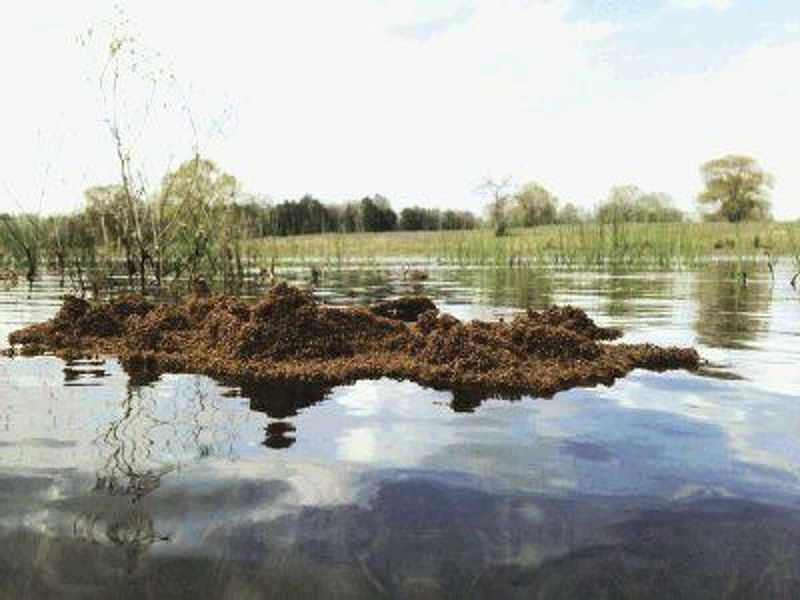
Spotting a raft takes a careful look. From a distance it can resemble floating mud, a clump of dark debris, or a spill of coffee grounds.
Up close, you may see movement.
Texas A&M extension materials list mats, balls, ribbons, and streamers as common forms. A mat spreads flat, a ball sits rounder and denser, and ribbons or streamers stretch out behind the main body.
Shape can change as water moves.
The makeup varies too. Rafts can hold workers, brood such as larvae and pupae, and reproductive ants.
Lab work reported in a 2012 paper in Psyche found that raft formation depends partly on colony composition.
Do not expect a neat arrangement. Not every raft has a queen, and positions inside are not fixed.
Some rafts are mostly workers, while others carry plenty of brood.
Treat any odd, dark, moving clump on floodwater as ants until proven otherwise. A quick look from a few feet away is plenty.
Where ants may go as floodwater recedes
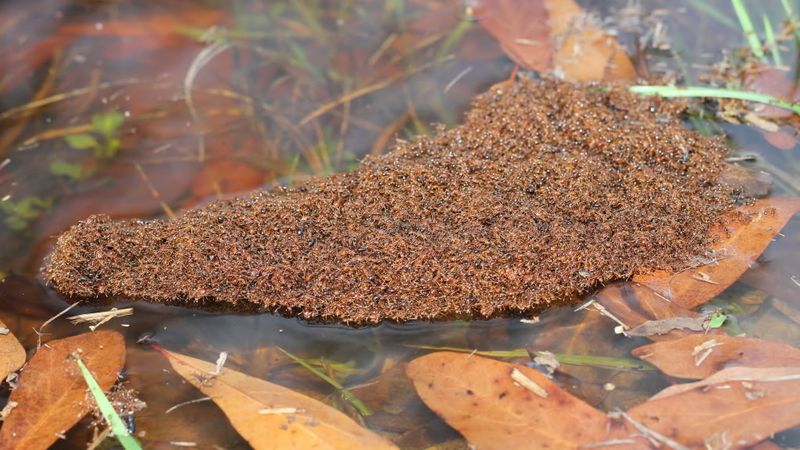
A raft is a way to ride out a flood, not a guaranteed trip to a new home. As water drops or the raft bumps into something, ants may reach dry ground.
They can also climb onto vegetation, debris, trees, or other objects and shelter there.
From those spots, ants may later build a nest in soil. Extension guidance in the Texas A&M flooding article describes these possibilities.
A raft can also break apart or fail before it settles anywhere.
That makes post-flood encounters possible, especially around things that sat in the water. A fallen branch, a stack of lumber, or a soggy cushion can all be temporary refuges.
The Texas A&M safety sheet notes that ants may be on objects or in flooded places.
Rafts do not routinely cross every yard. A 2024 analysis in Austral Entomology found limited evidence that rafting is a major way fire ants spread.
Its Queensland case study found only localized spread, not movement beyond the infestation boundary.
That field work comes from Australia, not Florida, so treat it as a clue about limits rather than a Florida forecast. The practical takeaway is simple: expect ants near wet debris and trees, not everywhere.
Take precautions when cleaning up after flooding
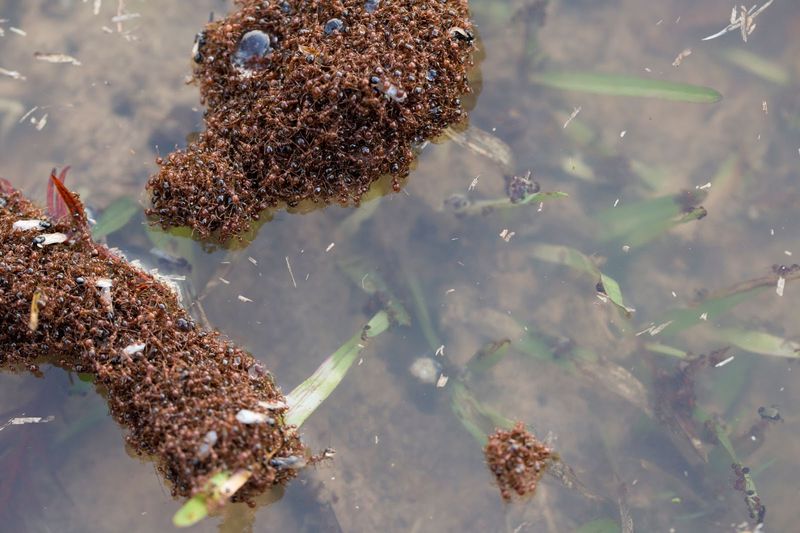
Cleanup is when most people meet floodborne ants. Before you lift anything, look at the water surface, nearby vegetation, piles of yard debris, and the items you plan to move.
Check the underside of boards, buckets, and cushions that sat in the water.
If you see a raft, leave it alone. Do not touch or prod it, even with a stick or boat oar, because ants can climb up the object toward your hand.
Keep kids and pets back and step away.
When work near floodwater cannot wait, Texas A&M advises rubber boots, rain gear, and cuffed gloves. Cuffs and boots make it harder for ants to reach skin.
The UF/IFAS Sarasota County post-storm checklist also urges caution around fire-ant rafts.
Resist the urge to spray. Do not apply pesticides to floodwater, and do not casually squirt soap or pesticide onto a raft.
Texas A&M warns that some contact insecticides are toxic to aquatic organisms.
For treatment decisions, call your county UF/IFAS Extension office or follow local emergency guidance. Any pesticide used on land must follow its label and stay out of runoff into water.
Often the best plan is to wait for water to drop, then work from a distance.
The Texas A&M safety sheet also suggests staying alert around anything being lifted or moved.
If ants reach your skin, rub them off briskly
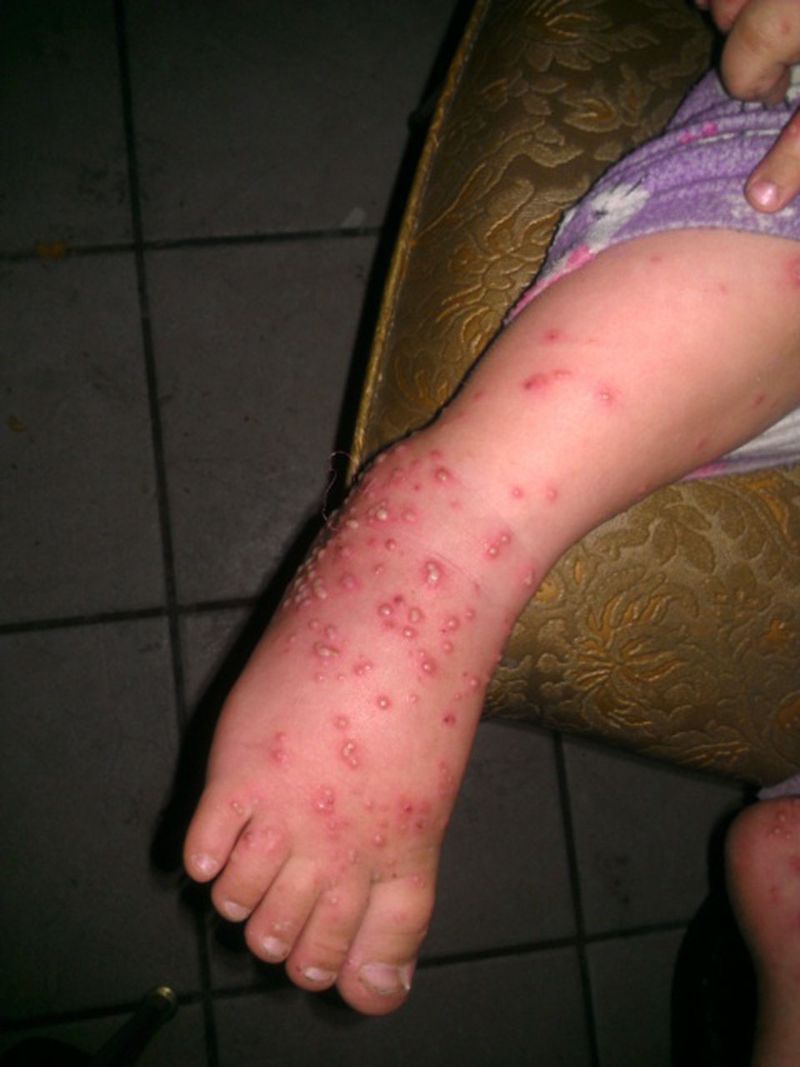
Fire ants cling and sting in groups, so speed counts. CDC/NIOSH guidance says to rub them off briskly rather than gently flicking.
Move away from the raft or debris first, then check your legs, socks, and waistband.
The stings are painful and can leave itchy, burning pustules. UF/IFAS says in its imported fire ant guide that stings are not usually life-threatening.
Severe reactions do happen, though, and they need urgent care.
Get emergency medical help for difficulty breathing, serious swelling, severe chest pain, nausea, severe sweating, or slurred speech. Call 911 rather than waiting to see if symptoms pass.
The Florida post-storm checklist flags the added risk for people with allergies.
If you have a known severe sting allergy, follow your clinician’s emergency plan, including any prescribed medicine. Tell the people helping with cleanup where it is kept.
A raft is a clever survival trick, and it is best admired from a few steps away.