
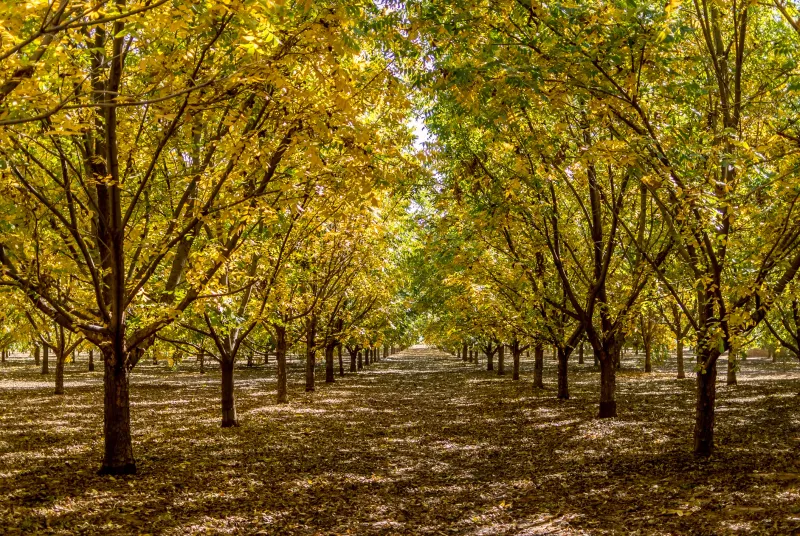
Every fall, pecans rain down along Texas fence lines, and some of them land in the wrong yard. Whose nuts are they once they hit the grass?
The answer is less clear than many people think, and a few related rules can trip up well-meaning gardeners. Here is what the Texas sources actually say, and a calm way to handle a big harvest.
Texas sources do not settle who owns naturally fallen pecans
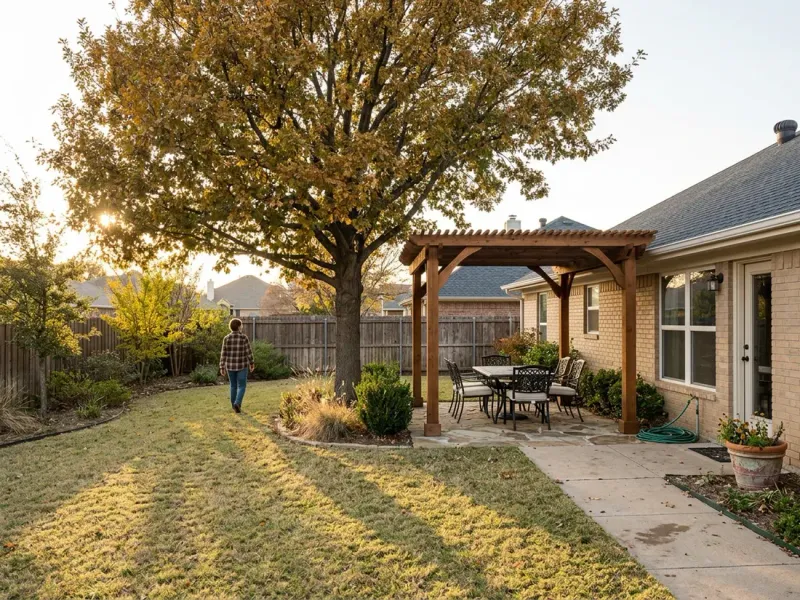
Plenty of Texans repeat the idea that pecans become yours the moment they land in your yard. The Texas sources reviewed for this article do not establish that.
They also do not establish the opposite, that the tree owner keeps every nut after it drops.
Texas law does speak to pecans in one specific way. Texas Government Code section 3101.010 deals with causing pecans to fall from a tree, not with nuts that drop on their own.
Meanwhile, Texas A&M’s Real Estate Research Center explains who generally owns a tree, which is a different question from who owns what falls from it.
So three situations deserve separate treatment. Nuts that fall naturally into your yard are the unsettled ones.
Nuts that someone makes fall by shaking or hitting a branch are covered by a statute. Nuts gathered by stepping onto a neighbor’s land raise a trespass concern of their own.
The sections below take each in turn, so you know where the firm lines are and where the gray area sits.
The pecan statute targets making nuts fall
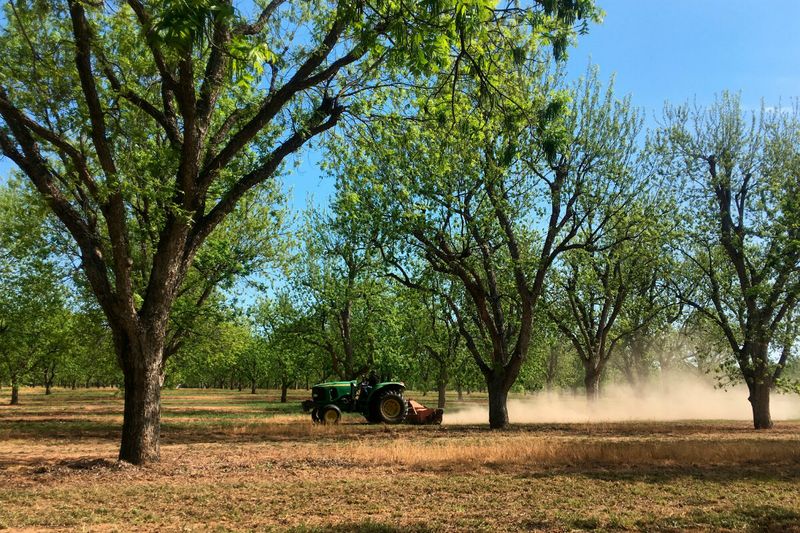
Texas has a law with a memorable title: thrashing pecans. Under Government Code section 3101.010, it is an offense to cause pecans to fall from a pecan tree by any means, including thrashing.
The exception is when the tree is on land the person owns, or when the required written consent has been obtained.
For privately owned land, the statute names whose written consent counts: the owner, the lessee, or an authorized agent. A casual nod over the fence is not what the text describes.
The key word is cause. Poles, sticks, shaking a limb, or any other method that brings nuts down fall within the statute’s reach.
That is a different act from walking across your own lawn and picking up what the wind already dropped.
The statute does not say you may keep naturally fallen pecans, and it does not say picking them up is illegal either. It simply does not address who owns windfalls.
Reading more into it than the words say would be a mistake in either direction.
A tree’s location does not answer who owns its windfall
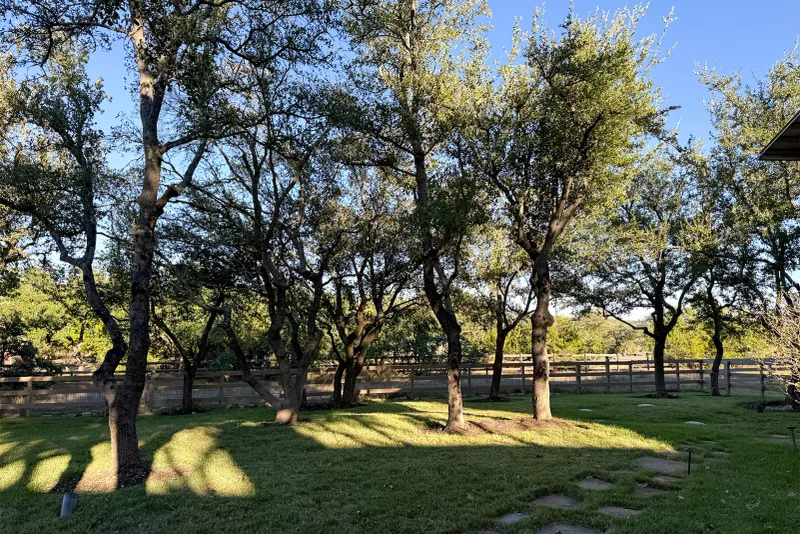
Property owners often assume that knowing who owns the tree settles everything. According to Texas A&M’s Real Estate Research Center, a tree generally belongs to whoever owns the land where its trunk stands.
That is a useful starting point for questions about trimming or removal.
The Center treats trees or vegetation actually growing on a boundary differently. It cites a Texas appellate case saying boundary vegetation cannot be removed without the adjacent owner’s consent.
None of that tells us who owns a pecan after it drops. Owning a tree and owning each nut that falls from it are separate legal questions, and the sources reviewed answer only the first.
Treating the trunk rule as proof about windfalls would stretch it too far.
Other parts of the country offer a hint of why caution makes sense. An American Bar Association article describes courts as differing on who owns fallen fruit.
That is general context, not a statement of Texas law, but it shows why no one should assume the answer is obvious.
Collecting pecans across the line raises a separate trespass issue

Not knowing who owns a fallen pecan is no reason to step onto someone else’s land to grab it. Trespass is its own subject, and it turns on where you are standing, not on who owns the nut.
Under Texas Penal Code section 30.05, criminal trespass can involve entering or remaining on another person’s property without effective consent. The person must also have had notice that entry was forbidden, or been told to leave and failed to do so.
The statute lists several kinds of notice, including oral or written notice, fencing, and signs. It also mentions certain visible crops.
No single item on that list decides every case.
Whether a particular pecan-gathering situation meets the statute depends on the facts. A fenced yard with a sign looks different from an open lawn with no warning, and a neighbor who has said no changes the picture again.
The safest habit is simple: keep your feet on your own side unless you have been invited across.
Ask before keeping a substantial harvest or disturbing the tree
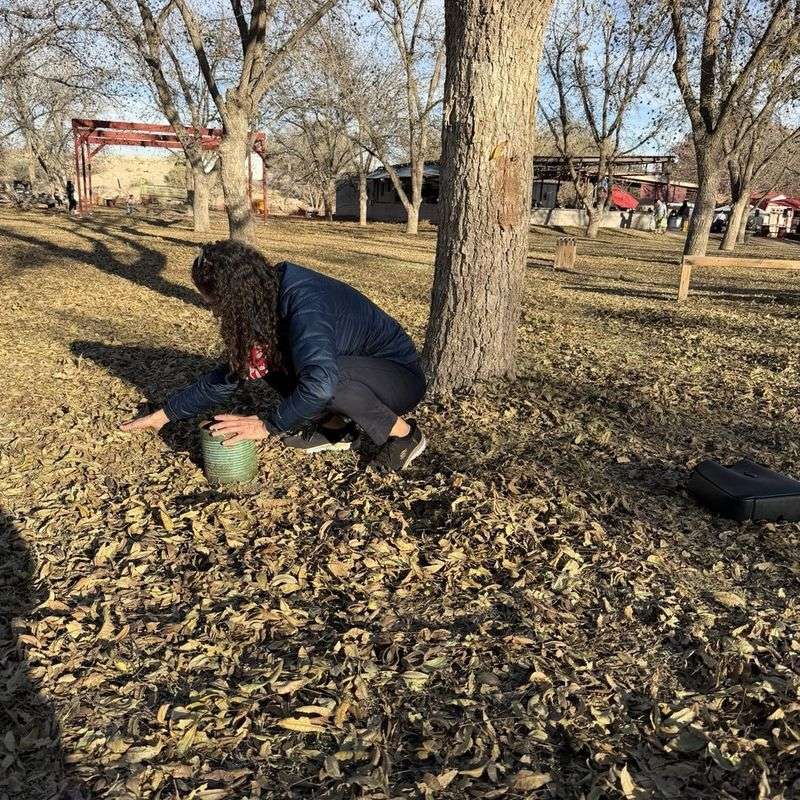
With so many open questions, a friendly conversation is the easiest fix. If you are looking at more than a handful of nuts, ask your neighbor before keeping them.
Many tree owners are glad to share, and some will simply say to help yourself. That is practical courtesy, not a legal requirement for every naturally fallen nut.
Shaking or hitting a branch calls for more care. Because section 3101.010 addresses causing pecans to fall from a tree on land you do not own, get written permission first.
A short text or note from the owner, lessee, or authorized agent gives you something to point to later.
The Texas State Law Library also recommends communication in its guidance on neighbor trees. That guidance covers overhanging branches and roots, so it does not set a rule for fallen nuts.
It does note that tree disputes can involve common law and local rules.
A simple offer works well: share a bag of shelled pecans, or agree to split the harvest.
Treat fallen pecans as a neighbor question, not a sure legal right
The reviewed Texas sources do not clearly say who owns pecans that fall naturally. The pecan statute concerns causing them to fall, and entering a neighbor’s land can raise a separate issue under the trespass law.
Ask before keeping a large amount or touching the tree.
A good pecan season is better shared over the fence than argued about.