
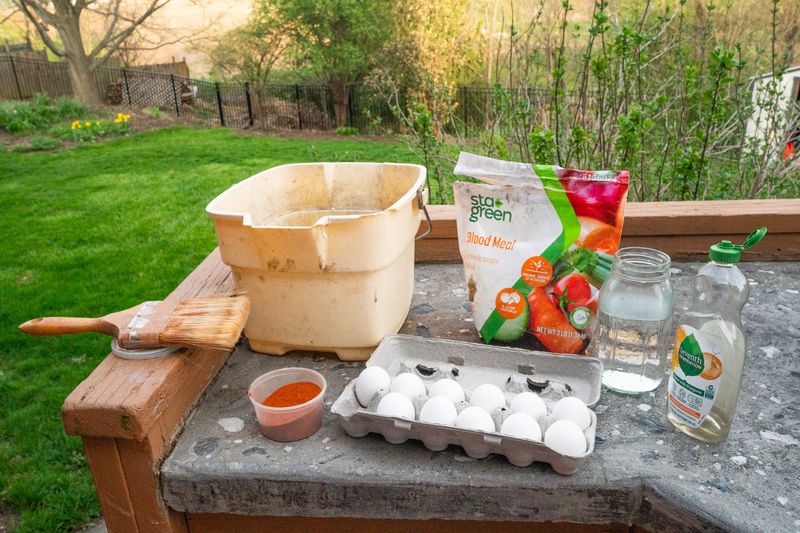
When acorns run out in a North Carolina winter, hungry white-tailed deer start shopping in our yards. Their noses lead the way, picking up scents from hundreds of feet off.
Some smells make deer nervous enough to keep walking, while others act like a dinner bell. Here are seven scents that may help push deer along and three that can pull them right back in.
1. Garlic
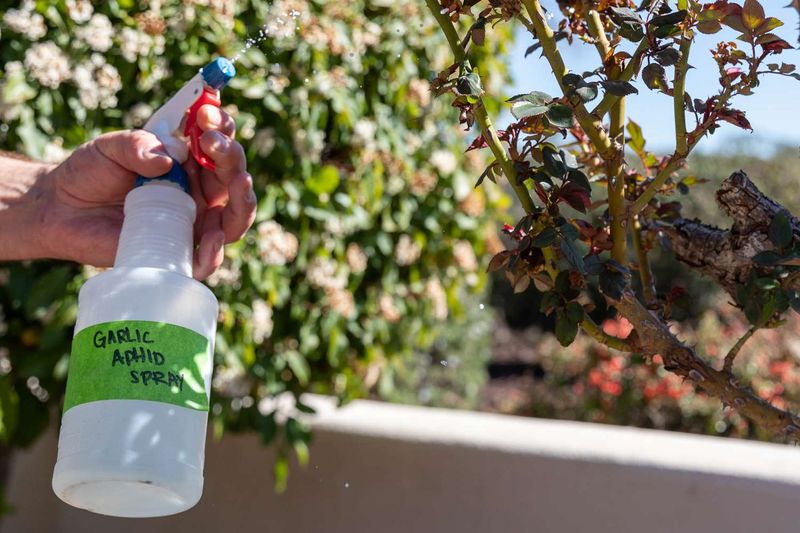
Anyone who has chopped a bulb of garlic knows that smell lingers for days. Deer seem to notice it too, and many NC gardeners report fewer nibbled pansies after using it.
A simple spray works well. Blend a few cloves with water, strain it, add a drop of dish soap, and mist shrubs like hollies and camellias on a dry afternoon.
Reapply after rain, which in the coastal plain may mean weekly. Garlic can reduce browsing, but it works best mixed with other tactics.
2. Rotten Eggs
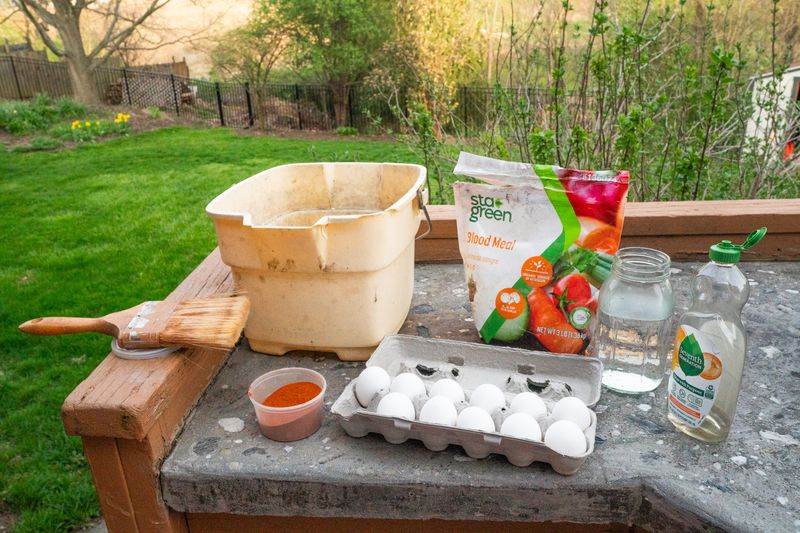
Here is the one nobody wants in their kitchen. Putrid egg solids show up in many commercial deer repellents, and research has ranked them among the more effective scent deterrents.
Deer may link the sulfur smell to decay or predators. That small doubt is often enough to send them to a neighbor’s yard.
To your nose, the stink fades within a day once it dries. Deer keep catching it for weeks, which makes it a solid pick for winter azaleas and arborvitae in the Piedmont and mountains.
3. Irish Spring Soap
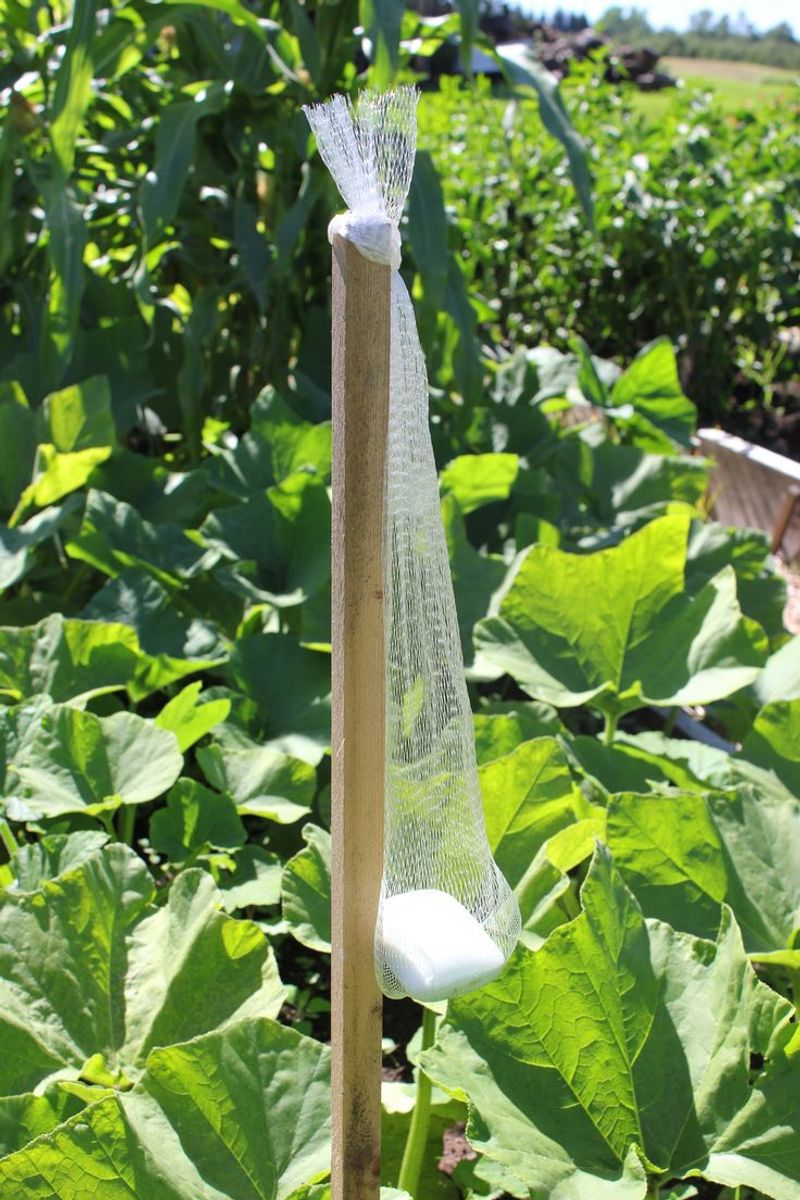
Grandma’s trick might still be hanging in your garden shed. Bars of strongly scented soap, often Irish Spring, have been strung up around NC collard patches for generations.
The heavy perfume and tallow may make deer cautious. Cut bars into chunks, put them in mesh bags, and hang them about three feet high every ten feet or so.
Results vary from yard to yard. It is cheap and easy, so it can be a handy layer around fall-planted greens and kale.
4. Mint
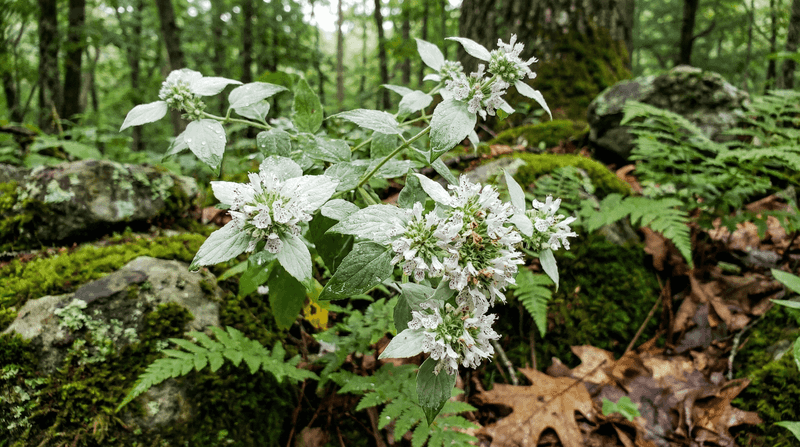
Brush past a patch of mountain mint and your hands smell fresh for an hour. That punch of aroma is exactly what many deer would rather skip.
Native mountain mint, Pycnanthemum, grows well across NC and feeds pollinators in summer. Its dried stems still hold some scent into early winter, so leave them standing.
Plant it along edges as a fragrant border. Skip spreading garden spearmint in open beds, since it can take over fast.
5. Hot Pepper
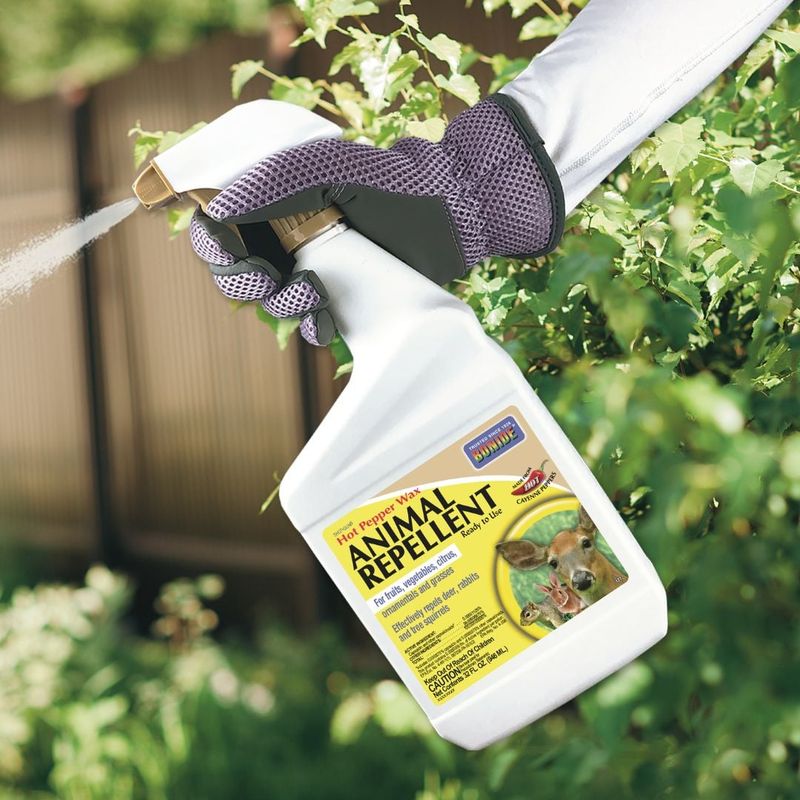
Capsaicin is the burn in your chili, and deer feel it as well. Hot pepper sprays work through both smell and taste.
Mix cayenne or hot sauce with water and a bit of oil so it sticks. Coat tender twigs on young dogwoods, redbuds, and fruit trees, which deer love when food gets scarce in January.
Wear gloves and avoid spraying on windy days. Expect to reapply after heavy rain or a thaw.
6. Human Hair
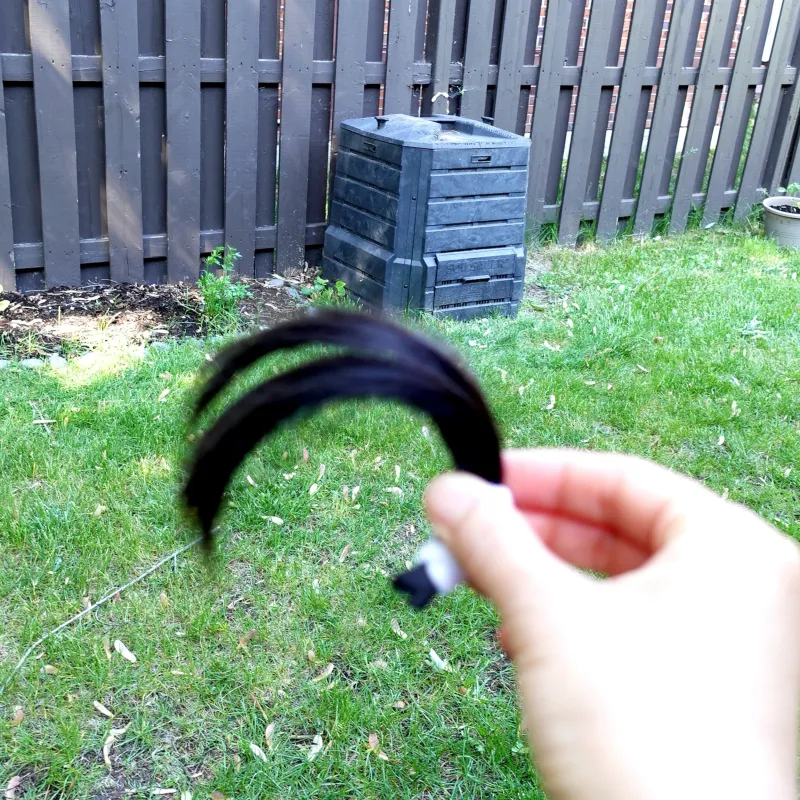
Your barber might be your newest garden helper. Human hair carries our scent, and deer have spent ages learning to avoid people.
Ask a local salon for clippings, tuck handfuls into old pantyhose, and tie them near favorite plants. Swap them monthly as the smell weakens.
Deer near busy suburbs in Raleigh or Charlotte may be bolder about people. So treat hair as a modest boost, not a fortress.
7. Predator Urine
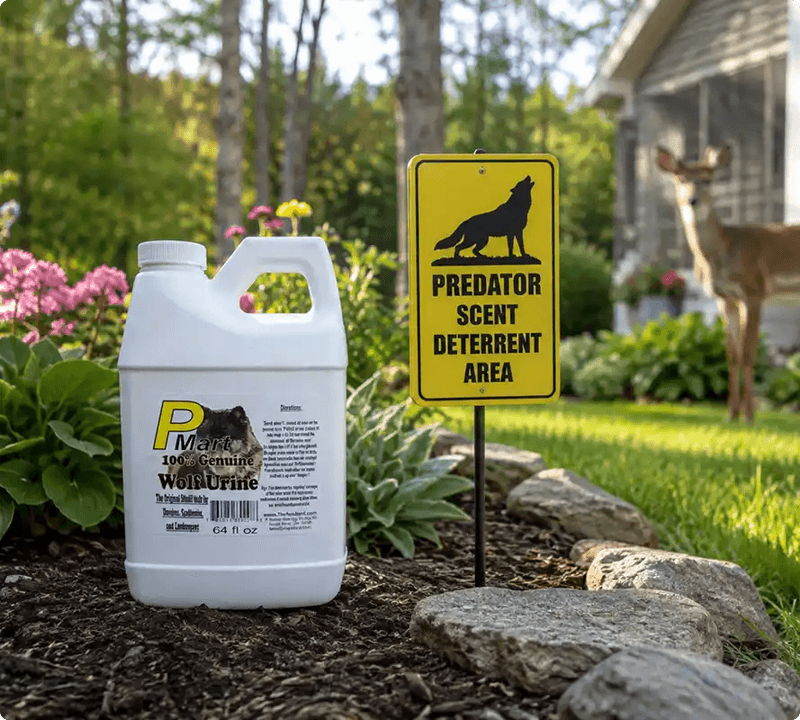
Coyotes now live in all 100 NC counties. Deer know that, and the scent of predator urine can put them on high alert.
Commercial coyote or fox urine comes in dispensers you clip to stakes along deer paths. Place them where woods meet lawn, since that edge is where deer enter.
Deer can get used to it if nothing bad ever follows. Move dispensers every couple of weeks to keep them guessing.
8. Fallen Fruit and Acorns
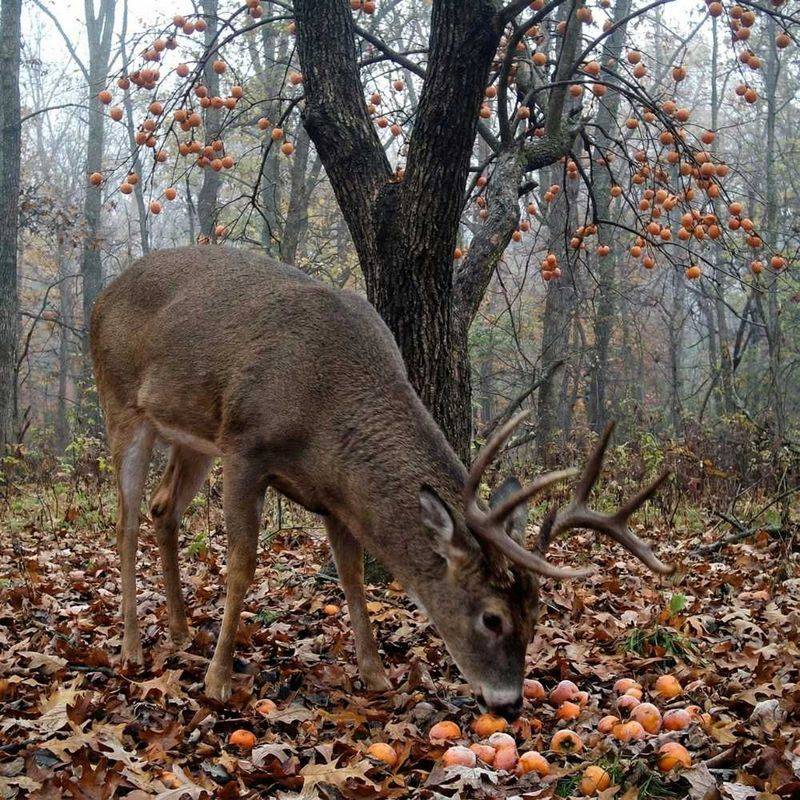
Now for the scents that work against you. Sweet, fermenting fruit under persimmon, apple, or pear trees is a beacon for deer across the state.
Acorn piles under white oaks draw them in too. Once deer start visiting for windfalls, they often nibble everything else nearby.
Rake up dropped fruit weekly through early winter. Compost it in a closed bin instead of an open pile.
9. Fresh Fertilizer
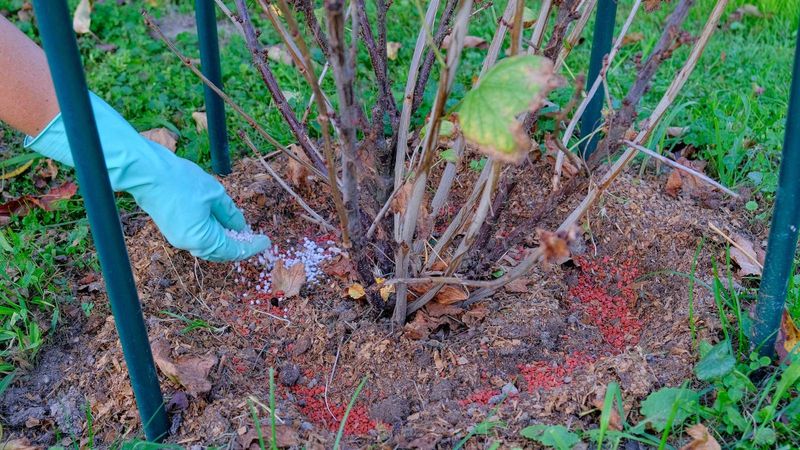
A little tough love: that late-season feeding may be inviting company. Freshly fertilized plants put out tender, nitrogen-rich growth deer find tasty.
Some organic fertilizers, like blood meal or fish emulsion, may even draw curious noses. Bone meal can also attract dogs and other critters.
Hold off on heavy feeding during winter in NC. Wait for spring growth in March or April, depending on your region.
10. Salt and Bird Seed
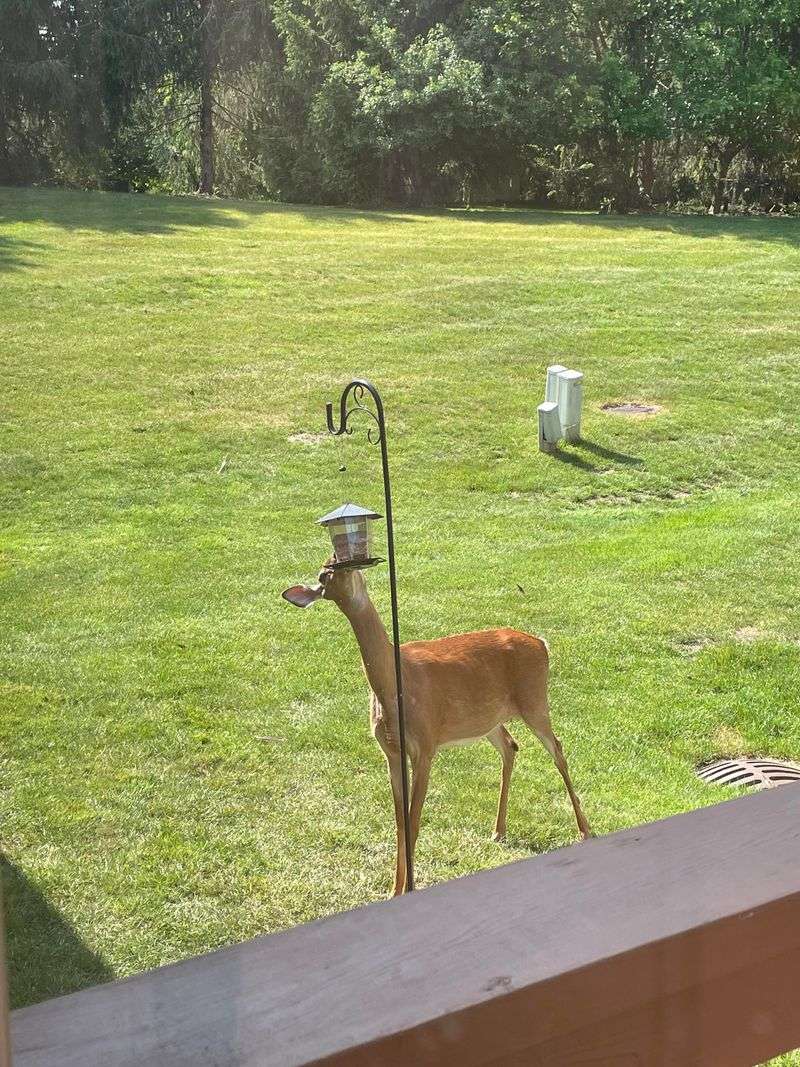
Feeding cardinals is a winter joy, yet spilled sunflower seed and corn can feed deer too. Many NC homeowners spot deer under feeders right at dusk.
Salt licks and leftover road salt pull deer hard, especially in the mountains. Feeding deer can also spread disease and is restricted in some areas, so check NC Wildlife rules.
Use seed catchers and choose safflower, which deer seem to like less. Clean up spills often to keep the birds and lose the deer.