
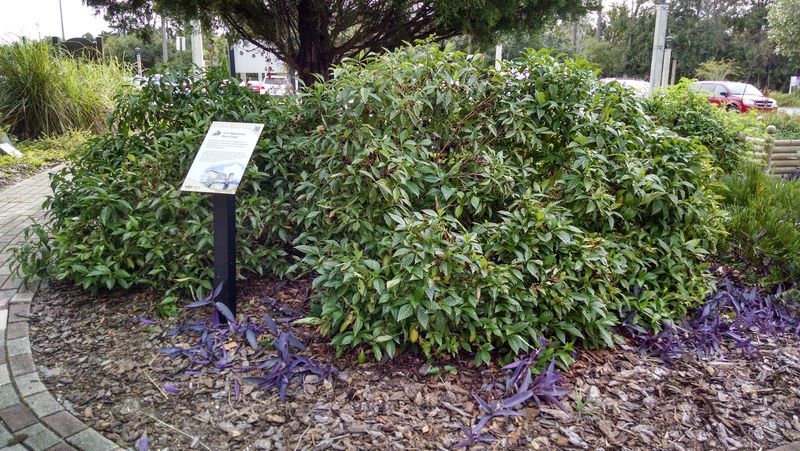
Deep shade is a tough spot for most Florida yards, but one native shrub handles it with glossy green leaves and bright red fruit. Wild coffee grows naturally under the trees in Florida hammocks, and birds are drawn to its berries.
It usually has few serious pest problems, so many gardeners can skip routine spraying. Here is how to pick the right plant, give it the right spot, and set fair expectations.
Start With the Right Wild Coffee
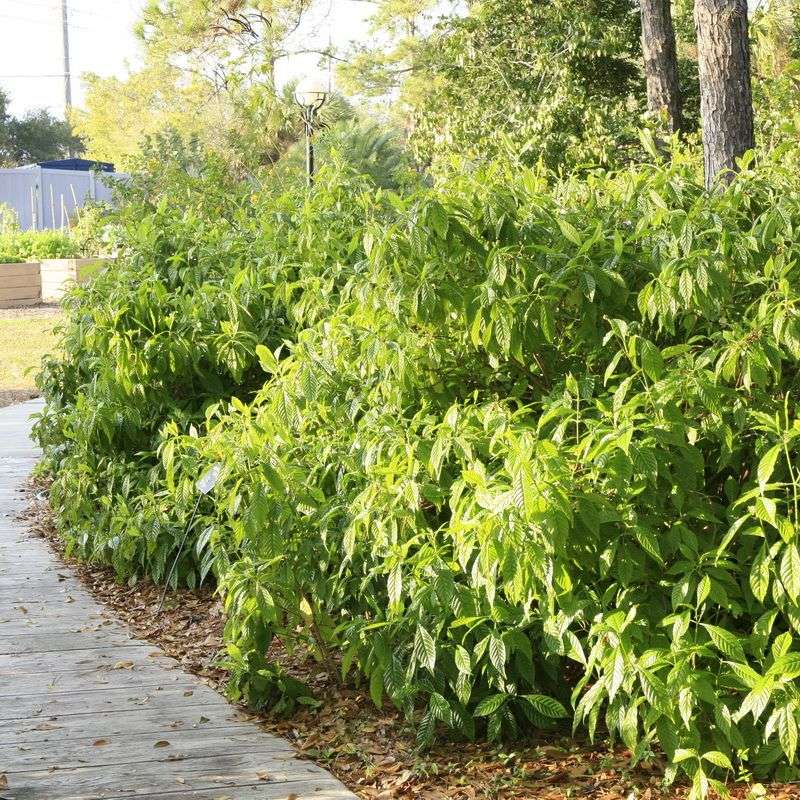
Florida has more than one native plant that people call wild coffee, so the name alone can lead you astray. The plant in this article is Psychotria nervosa.
A UF/IFAS guide to wild coffees notes that Florida has three native Psychotria species, and they are not interchangeable.
Check the botanical name on the plant tag before you buy. A nursery label that only says wild coffee could mean a different species, or even an unrelated plant sold under a similar common name.
The Latin name is your best guarantee that you are getting the shrub described here.
Wild coffee is an evergreen understory shrub. In nature it grows beneath taller trees in hammocks and other shaded woodlands, which tells you a lot about what it wants at home.
Its leaves are glossy, dark green, and strongly veined, which is where the species name nervosa comes from. The foliage stays attractive all year, so it can give a shaded bed structure when many other plants fade.
Because it is native to Florida, it fits naturally into woodland-style plantings. The UF/IFAS plant profile describes it as suited to partial or full shade, making it a good candidate for the dim corners under oaks and other trees where lawn and sun-loving shrubs struggle.
Think of it as a plant for a shady border, a hedge-like backdrop, or an understory planting. The next sections cover light, room, water, fruit, pests, and cold, so you can decide if your yard is a match.
Choose a Shady, Well-Drained Site
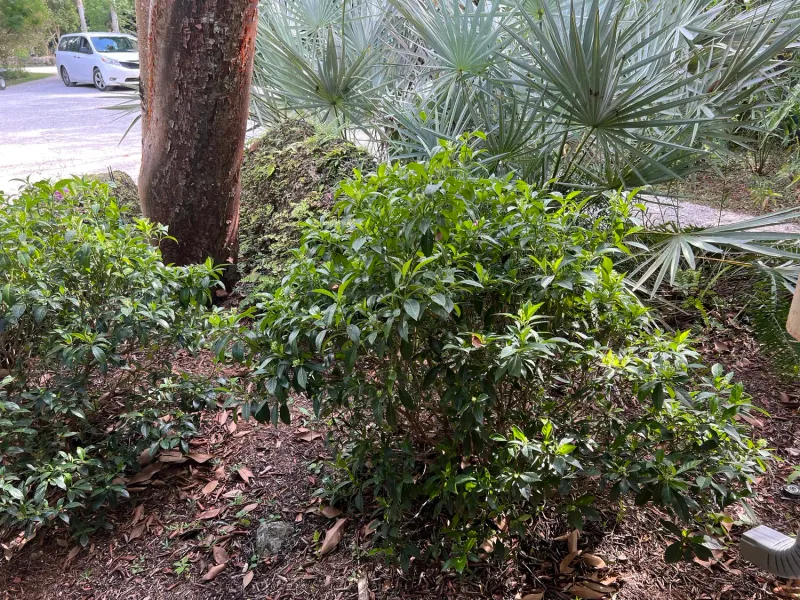
Light is the first thing to check. Wild coffee does best in partial shade, and it also performs in full shade.
The UF/IFAS plant profile lists both, which gives you flexibility under canopy trees, along north-facing walls, or in the dim side yard where little else grows.
Full sun is the one condition to avoid. UF/IFAS notes that too much sun can leave the leaves chlorotic, meaning pale yellowish instead of rich green.
If your leaves look washed out in a bright spot, light is a likely cause, so moving the plant or adding shade is a sensible fix.
Walk the site at different times of day before planting. A spot that gets gentle morning light and shade through the hot afternoon fits the partial shade preference well.
A spot under dense evergreen cover is also workable, since full shade is acceptable.
Next, look at drainage. Wild coffee needs well-drained soil, so skip low areas where water stands after summer storms.
After a heavy rain, see how long puddles linger. If water sits for a day or more, choose a higher spot.
The good news for Florida gardeners is that soil type is flexible. The UF/IFAS Bee Gardens plant record shows it tolerating sand, loam, and clay.
That means typical sandy yards are not a barrier, as long as water drains away instead of pooling around the roots.
Allow Room for a Substantial Shrub
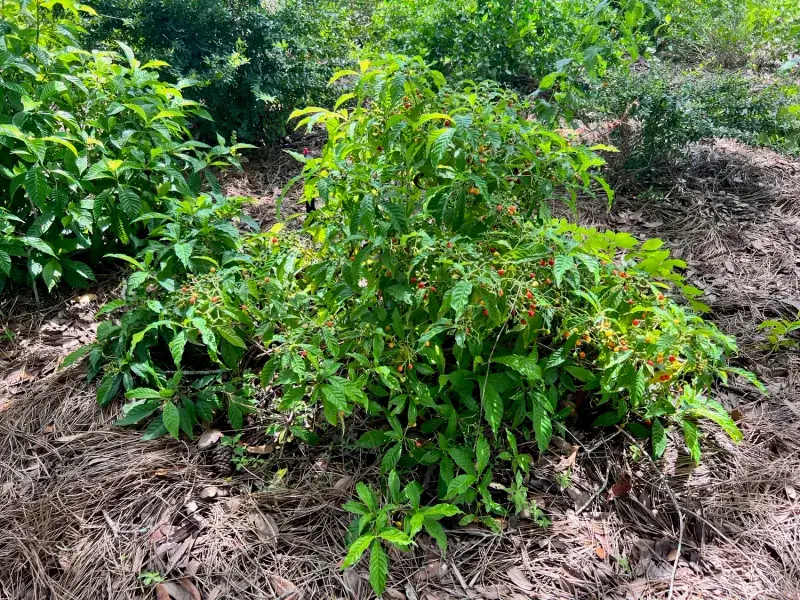
Plan for a shrub, not a small filler plant. The UF/IFAS plant profile gives a mature size of roughly 4 to 10 feet tall and 4 to 8 feet wide.
That is a wide range, and it is a good reminder that wild coffee can grow into a sizable presence.
Other references do not always agree. The UF/IFAS list of recommended native plants gives different dimensions, so treat any single number as a rough guide.
Growing conditions matter too, since shade level, soil, and water can all affect how large a plant becomes.
The practical lesson is simple: give it ample room. Picture the plant at the large end of the range when you choose a spot, rather than the small nursery pot in your hand.
A plant that starts at knee height can eventually crowd a walkway, a window, or a neighbor plant.
Look up and around before digging. Think about walls, fences, patios, and the edges of nearby beds.
Also consider how much the surrounding trees will shade the spot as they grow.
A roomy site also lets you enjoy the plant as designed, with its glossy leaves forming a full backdrop. It works well toward the back of a shady border, where shorter plants can sit in front.
Skip tight spots such as narrow strips beside a foundation unless you are truly comfortable with a big shrub there.
Water During Long Dry Spells
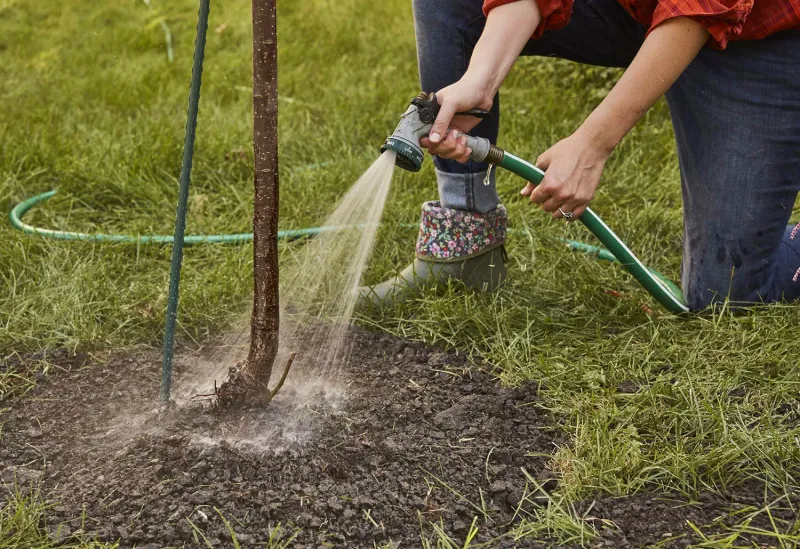
Wild coffee is forgiving, but it is not a plant to forget. The UF/IFAS plant profile describes moderate drought tolerance.
That means it can handle some dry weather, which is a real advantage in Florida’s dry stretches.
Moderate tolerance has limits, though. The UF/IFAS guide to wild coffees advises providing water during long droughts.
So when rain disappears for weeks, plan to step in.
Your best clue is the plant itself. Leaves that droop or look dull and tired during a rainless spell are asking for a drink.
Check on it during the dry months of late winter and spring, when Florida rainfall often falls off.
Shade helps here. Because wild coffee grows out of the hot sun, the soil under it tends to hold moisture a bit longer than an exposed bed.
Even so, sandy soil drains quickly, so a long dry period can still stress the plant.
When you do water, soak the area around the plant rather than giving it a quick sprinkle. Keep in mind that the soil should still drain well, so avoid leaving it soggy.
The appeal of wild coffee is relative ease. Once it is settled in, it can go through normal weather without much fuss.
Think of it as low-effort, not no-effort, and keep an eye on it whenever the rain stops for a long time.
Red Fruit Offers Wildlife Value, but Winter Berries Aren’t Assured
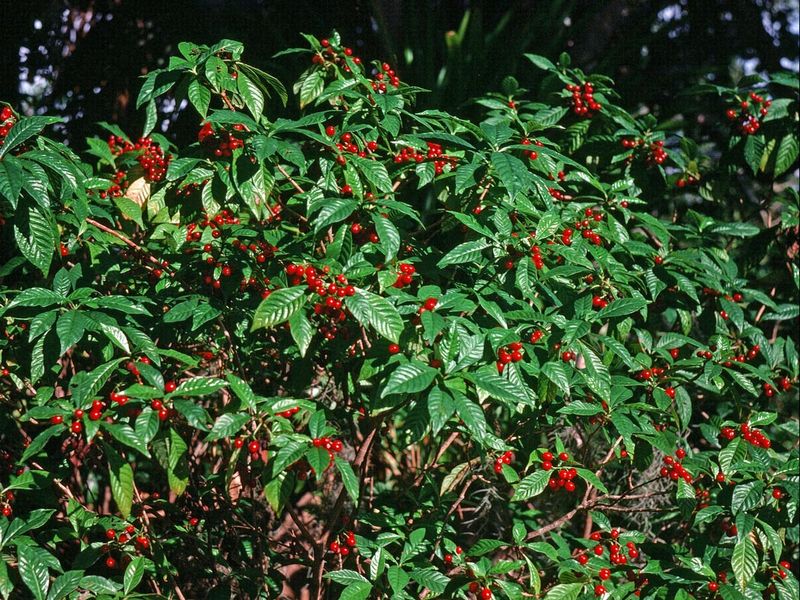
The bright red fruit is the big draw for wildlife gardeners. The UF/IFAS plant profile says the red fruit attracts birds.
The flowers also draw bees and butterflies, so the shrub can add food and habitat to a shady corner.
Timing needs a clear-eyed look. A newer UF/IFAS guide describes wild coffee as fruiting in fall.
The sources reviewed do not show that berries reliably stay on the plant through winter.
That means you should not count on a bright winter display. Fruit may be eaten, may drop, or may vary from one yard to the next.
Enjoy the berries when they appear, and treat anything beyond that as a bonus.
The same goes for the birds. Wild coffee can offer a food source, but there is no promise that a certain species will show up.
Visits depend on your neighborhood, nearby habitat, and what else is growing around you.
For the best chance at wildlife value, pair it with other native plants that fruit or flower at different times of year. That spreads out the benefits and keeps your yard useful across seasons.
One safety note: do not eat the fruit. Sources disagree on whether people can safely eat it, so leave the berries for the birds.
It is also not a true coffee and does not contain caffeine.
Low Pest Pressure Does Not Mean No Treatment Ever
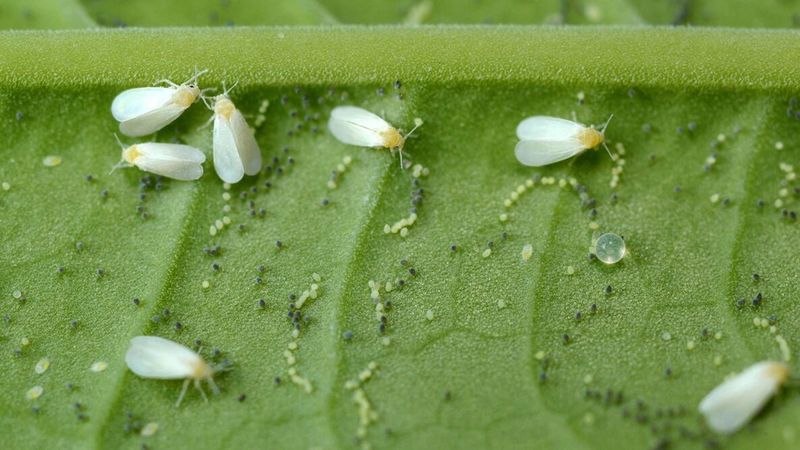
Wild coffee has a good reputation for staying healthy. The UF/IFAS plant profile says serious pests and diseases are not normally a concern.
For many gardeners, that means no routine spraying schedule.
Low pressure is not a guarantee, though. Any plant can run into trouble in a given yard or season.
So the safer way to think about it is often needing no routine pesticide use, rather than never needing any treatment.
Get in the habit of looking at your shrub now and then. Check the leaves, including the undersides, for chewing damage, sticky residue, or odd spots.
Catching a problem early gives you more options.
If something does show up, follow general landscape guidance. UF/IFAS landscape guidance recommends monitoring, identifying the pest, and trying cultural or mechanical measures first.
Spot treatment comes only when it is truly needed, rather than blanket spraying across the whole planting.
Examples of simple first steps include rinsing pests off with water, removing a few damaged leaves, or fixing a watering or light problem. Pale leaves in a bright spot, for instance, may be a sun issue and not a pest at all.
Identify the cause before reaching for a product.
Notice the difference between the two kinds of advice. The plant profile tells you what to expect from wild coffee specifically.
The landscape guidance tells you how to respond if a problem appears on any plant. Together they support a low-spray approach without pretending trouble can never happen.
Check Cold Conditions Before Planting
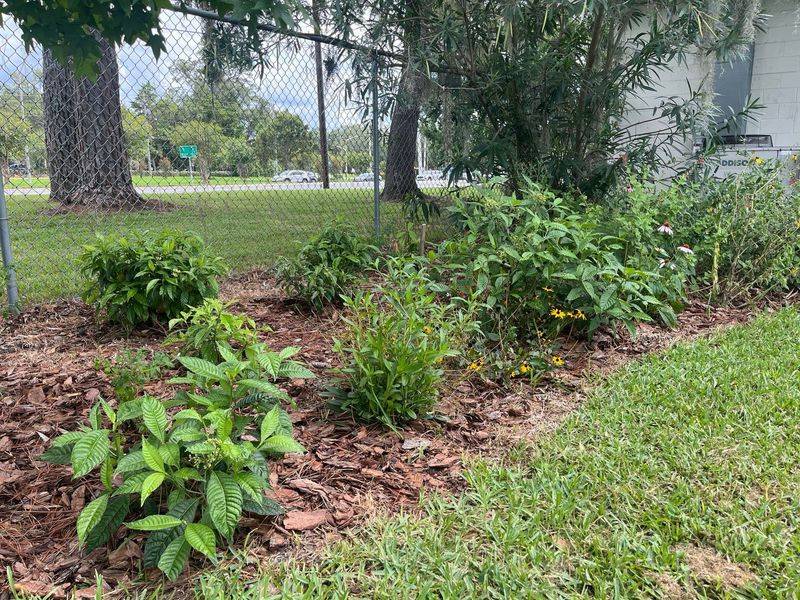
Cold is where wild coffee needs the most thought. UF/IFAS sources do not fully agree on hardiness.
The current UF/IFAS guide lists zones 9a to 11 and advises protection or mulching in temperate parts of Florida.
The older plant profile is stricter. It lists zones 10b to 11 and calls the plant very cold tender.
The common message is that wild coffee is sensitive to cold.
So the recommendation is not for every Florida location without protection. South and central coastal areas are the most comfortable fit.
In cooler northern and inland spots, plan to shelter it or mulch it, and be prepared for possible damage in hard freezes.
This advice is based on Florida sources and a Florida-native plant. It should not be stretched to other states, including Texas, without local evidence.
Choosing it comes down to a few honest questions. Do you have shade?
Do you have room for a large shrub? Can you cover or mulch it when a cold snap is coming?
If the answers are yes, wild coffee is a strong candidate.
Go in with realistic expectations. You get glossy evergreen leaves, red fruit that birds may use, and typically low pest pressure.
You should not expect berries all winter or a plant that never needs a look.
A cold night is the real test of this shrub, so plant it where you can look out for it.