

A pot of sweet bay on the patio looks great in September, but a Central Texas freeze can end its season fast. Moving it inside is simple once you know when to do it and how to care for it.
You may also have heard that a bay plant in the kitchen keeps roaches out of the pantry. Here is how to keep your bay healthy through winter, and what the roach research really covers.
Identify true bay and set up the container
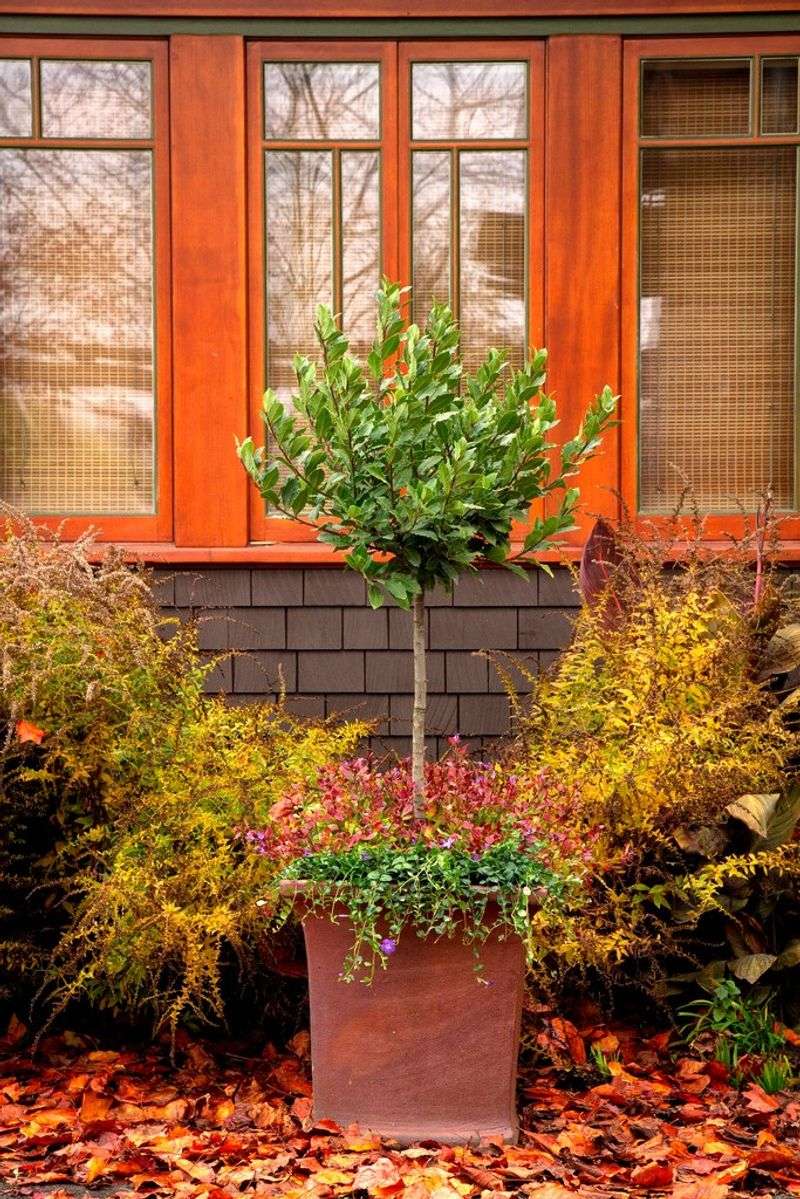
Plenty of plants carry the name bay, but the one you want for cooking and for this guide is Laurus nobilis, also called sweet bay or true bay. California laurel and bay rum tree are different plants, so check the tag before you buy.
University of Wisconsin Extension’s sweet bay profile uses the Latin name for exactly this reason.
Sweet bay does well in a container, and that is the reason it can come indoors for winter. Pick a pot with drainage holes and fill it with well-drained potting mix.
Heavy garden soil packs down in a pot and holds too much water around the roots.
Outdoors, give it full sun. University of Illinois Extension advises watering when the mix begins to dry and not keeping it soggy.
In a Texas summer, a pot in strong afternoon sun can dry quickly, so poke a finger into the mix a couple of inches down before you reach for the hose. If the top feels dry and the deeper mix is barely damp, it is time to water.
One point matters before cold weather arrives. A container gives you the option to move the plant, but it does not make the plant safe to leave outdoors through a Texas freeze.
Think of the pot as a ticket indoors. Choose a size you can actually lift, or set it on a plant caddy with wheels, so the fall move is not a struggle.
A pot that is a bit snug is fine. Move up only one size when roots circle the bottom or water runs straight through without soaking in.
Use local weather to time the move indoors
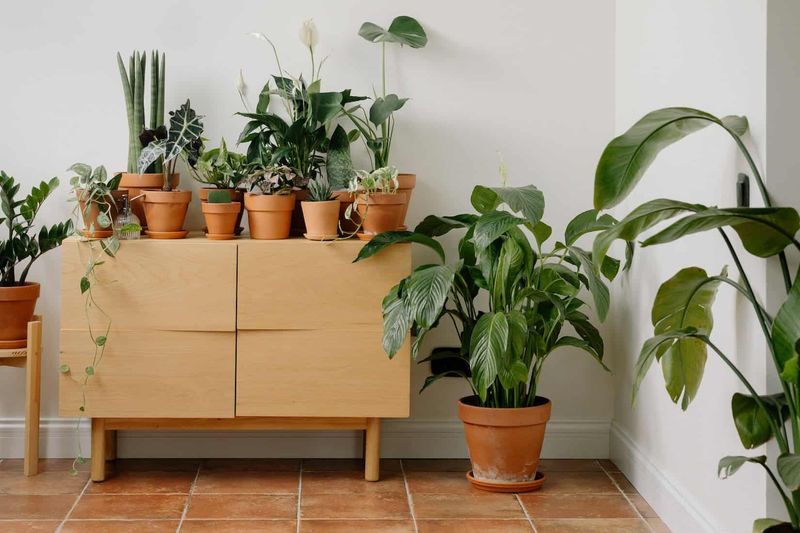
Texas A&M’s Travis County Extension lists the average first freeze at Camp Mabry in Austin as roughly November 29 to December 5. That is a historical average for that one spot.
It is not a deadline, and it is not a date you can safely wait for. Some years the first freeze comes earlier.
Freeze timing also differs a lot across Texas. Texas A&M’s frost and freeze guide shows big differences among locations and notes that weather and microclimates change freeze risk.
A pot beside a brick wall in town may stay warmer than one in an open yard outside the city.
For a practical cue, Iowa State Extension advises bringing bay indoors before nighttime temperatures fall below about 40°F. That is general guidance for moving the plant inside, not a Texas-specific injury threshold.
It simply builds in a cushion so you are not scrambling on a cold evening.
So skip the calendar and watch your own forecast. When overnight lows start trending toward the low 40s, pick a day to move the pot.
If a cold front is announced, move it sooner. Doing the job on a calm afternoon beats hauling a heavy pot in the dark.
A simple habit helps: check the ten-day forecast each Sunday from early November on. It takes a minute and keeps the decision tied to real weather.
Settle bay into its indoor winter routine
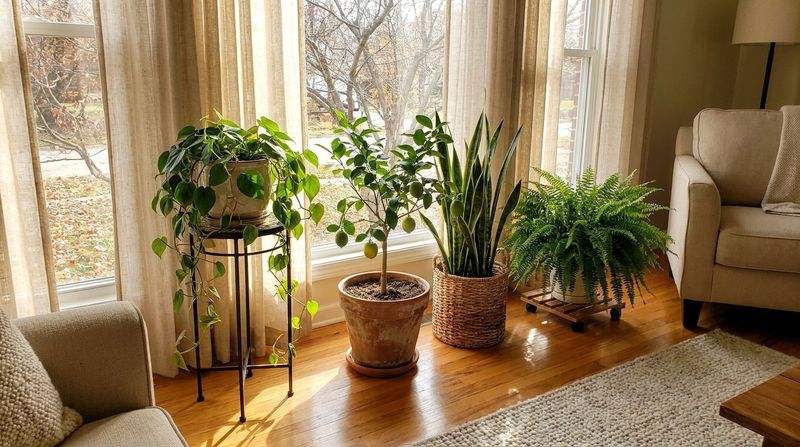
Once the forecast says go, set the pot in the brightest spot you have. A sunny south-facing window is ideal.
If you have a cooler room, such as an enclosed sunporch or a bright spare room, bay generally prefers that over a warm, dry living area, as Iowa State Extension explains.
Winter watering is where many container herbs get into trouble. Growth slows indoors, so the plant uses less water.
Water less often and let the soil dry between waterings. Check with a finger, and empty any saucer so the roots are not sitting in a puddle.
Do not be alarmed if some leaves drop in the first few weeks. The plant is adjusting to lower light and drier air.
Iowa State says plants typically recover, so hold off on heavy pruning, fertilizer, or panic repotting.
Indoors, look closely for pests. Scale and spider mites are the common indoor pests on bay.
Scale looks like small brown bumps on stems and the undersides of leaves, often with sticky residue below. Spider mites leave fine stippling on leaves and sometimes thin webbing.
Make inspection a routine. Every week or two, turn a few leaves over and run a finger along the stems.
Catching a problem early makes it much easier to handle, and keeping a new arrival a little apart from other houseplants for the first couple of weeks gives you time to spot trouble before it spreads.
Protect pets and use culinary leaves safely
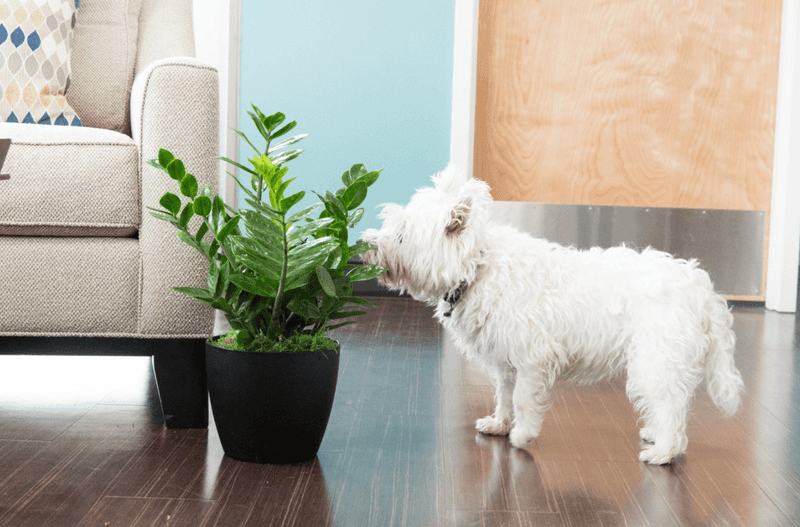
Before the pot takes up residence in your house, think about who else lives there. The ASPCA lists bay laurel as toxic to dogs, cats, and horses.
It reports vomiting and diarrhea, and says large ingestions of whole leaves can cause an obstruction. Put the plant on a high shelf or in a room your pets cannot enter, especially if you have a chewer.
Pet safety and kitchen use are separate questions. Correctly identified Laurus nobilis is a culinary herb, and that is a different matter from whether a dog or cat should nibble on it.
A plant can be fine in a stew and still be a poor snack for a pet.
If you harvest leaves for cooking, remember that they do not soften in the pot. Iowa State Extension advises removing whole leaves from dishes before serving because they remain stiff and can be a choking hazard.
A handy habit is to count the leaves you drop into the pot and fish out the same number at the end. Pick only a few from a small plant so it keeps enough foliage to get through winter.
What the bay-leaf roach evidence actually shows
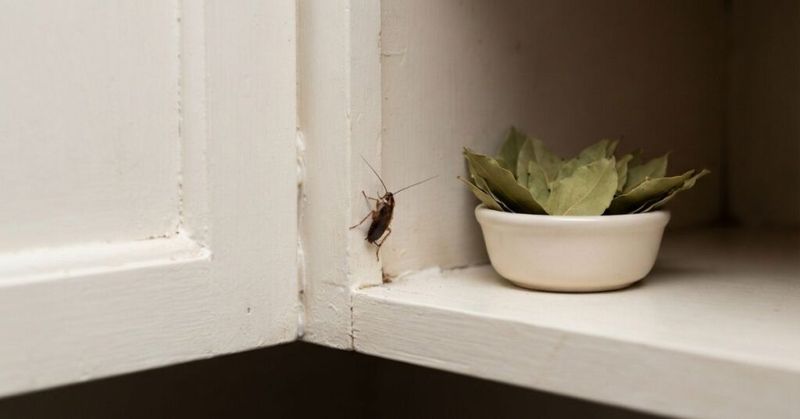
Here is the claim that gets passed around: a bay plant in the kitchen keeps roaches out of the pantry. Nobody has shown that.
The research behind the idea is a laboratory study of dried bay leaves, and it did not test a living plant or a real kitchen.
The setup was a small choice-box assay. Adult male German cockroaches could pick between a treated chamber and an untreated one, with no food or water supplied.
At the highest bay-leaf concentration, 79% were recorded as repelled under those test conditions. Lower concentrations gave weaker, uneven results, and the authors reported that none of the materials tested repelled roaches as strongly as pyrethrins.
That 79% figure belongs to the lab box. It does not tell you what happens in a house with crumbs, moisture, cracks, and hungry roaches of several species and ages.
Repelling some insects in a short test is also not the same as eliminating them or reducing a population.
Extension guidance agrees on the practical side. The Extension Foundation’s cockroach guidance says bay-leaf home remedies are not reliable for controlling an infestation.
So keep growing your bay for its looks and its flavor. Just do not count on it as pest control, and do not scatter leaves in the pantry and assume the job is done.
Take established steps when roaches appear
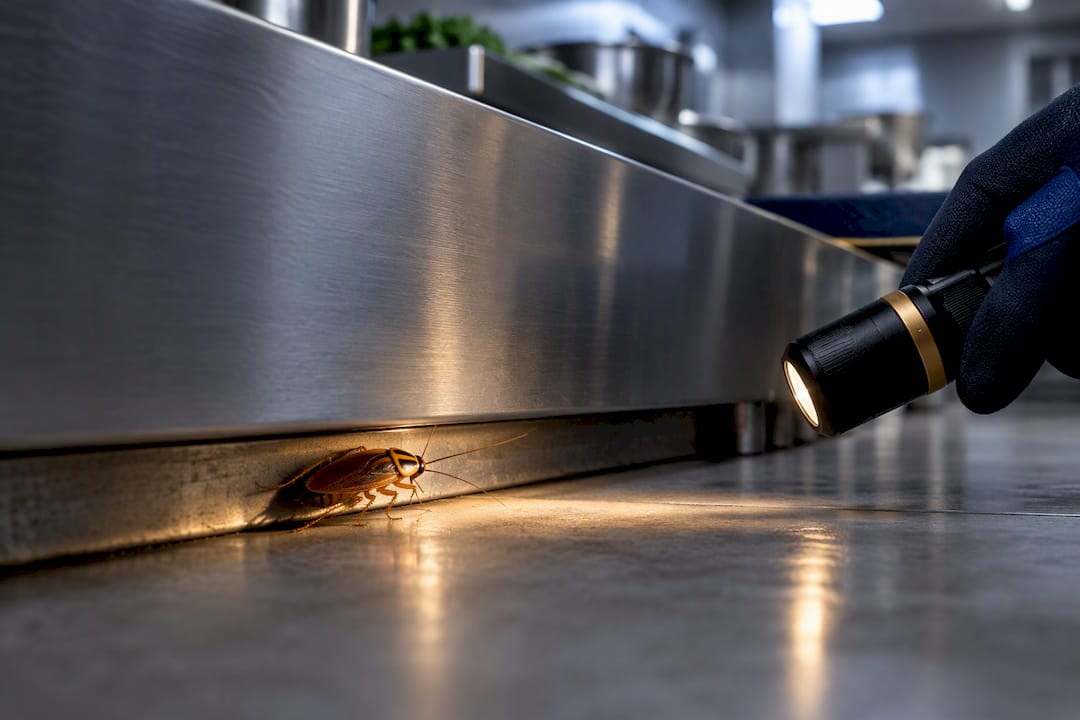
If you see roaches, start with the basics laid out in the UC Statewide IPM Program’s cockroach guide. First, identify which cockroach you have, since species differ in where they live and how best to manage them.
A trap or a clear photo can help you sort that out.
Next, close the doors they use. Caulk gaps around pipes, seal cracks along baseboards, and fix weatherstripping at exterior doors.
Then take away what keeps them around: store pantry food in sealed containers, clean up crumbs and grease, take out trash regularly, and fix leaks and damp spots.
Use sticky traps to monitor. Place them along walls, under sinks, and near appliances, and note where catches are highest.
That tells you where to focus sealing, cleaning, and treatment, and whether your efforts are working.
When numbers call for more, use appropriate baits placed where the traps show activity. For a serious or stubborn infestation, bring in a licensed pest professional.
A bay plant does not replace any of these steps. Keep it for what it does well: sweet bay can spend the winter indoors in a bright window.
Pantry roaches have to be handled with real pest control, not a pot of leaves.