
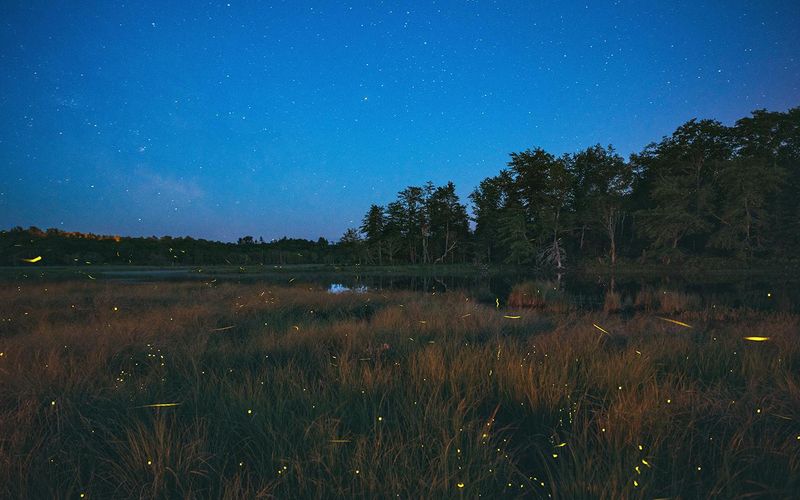
Summer evenings in Texas can sparkle with tiny flashing lights, but plenty of yards stay dark. Fireflies need a mix of the right conditions, and winter is a good time to protect some of them.
A small, well-planned patch can make your yard friendlier to these insects. Here is how to build one without giving up a tidy, usable landscape.
Fireflies need more than a pile of leaves
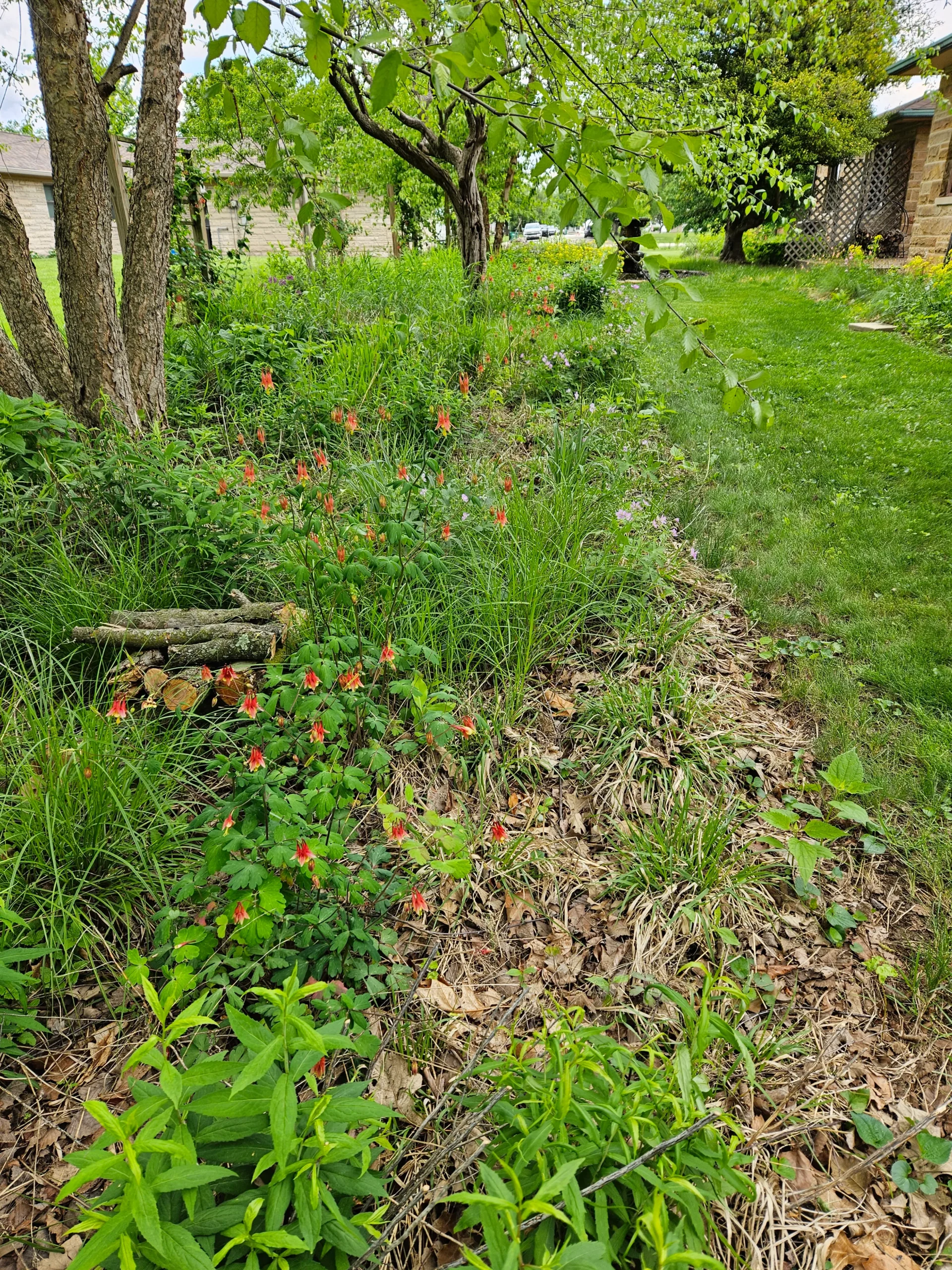
Ask ten gardeners why fireflies are missing from their yards and you may get ten answers. That makes sense, because fireflies depend on several conditions working together.
Xerces Society guidelines point to moisture, food and shelter for young fireflies, safe places to spend the cold season, and ground that is not constantly disturbed.
Darkness matters too, but only for some species. Fireflies that signal with flashes use dark nights to find one another.
Other kinds are active by day or have adults that do not glow at all, so a flashing show is not what every species is about.
That variety is why no single yard recipe works everywhere. Oklahoma State Extension notes that firefly groups have different life histories, and Texas spans piney woods, coastal prairie, Hill Country and desert canyons.
A yard in Houston and one near El Paso will not offer the same conditions.
Leaf litter is one useful piece of the puzzle. It can shelter small creatures and hold moisture, but it will not do the whole job alone.
Think of it as one ingredient in a habitat, not a magic fix.
A practical way to start is to look at your yard like a firefly would. Is there a damp, quiet corner?
Are there places where the ground is rarely raked, mowed, or sprayed? Are the nights fairly dark?
Each yes is a point in your favor, and each no is a project you can choose to tackle.
What is happening beneath the yard in winter?
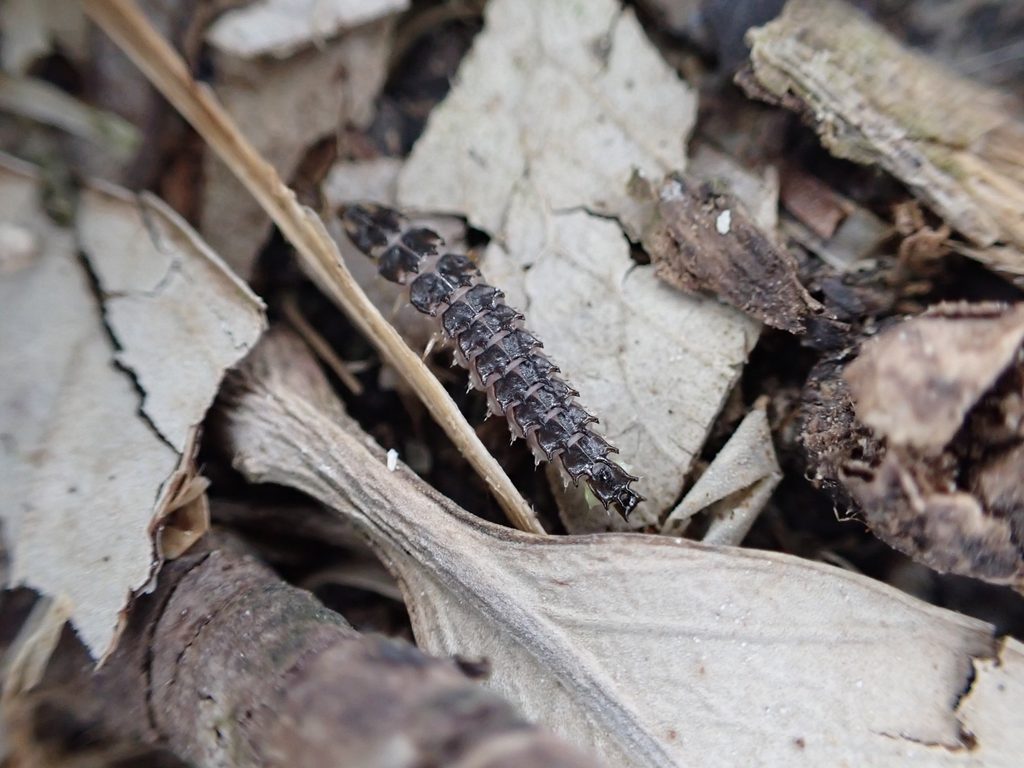
Right now, under a quiet layer of soil and leaves, some young fireflies may be waiting out the cold. Winter looks like downtime above ground, but for many insects it is a dormant stretch where they are easy to harm by accident.
Raking, digging, and heavy foot traffic can all reach them.
One Texas account is worth knowing. Texas A&M AgriLife Extension describes fireflies overwintering as larvae in soil chambers, pupating in spring, and emerging as adults in early summer.
It also says the life cycle of most species takes about two years.
That pattern is not a rule for every firefly. Oklahoma State Extension explains that, depending on the species, fireflies can overwinter as eggs, larvae, or pupae.
They may be in soil, logs, bark, or leaf litter.
So the winter opportunity is simple to describe. Whatever species may live near you, the cold season is when the ground and its cover are doing quiet work.
Leaving some of that ground alone costs little and may protect the stages you cannot see.
It is also a good time to plan. Walk your yard, pick a low-traffic spot, and mark it in your mind or with a few stakes.
Then you can work around that patch for the rest of the season.
Create a leaf-litter refuge

Instead of bagging every leaf, pick one spot and let the leaves stay. A bed under trees and shrubs, or a back corner few people walk through, works well.
Xerces Society says leaf litter offers shelter, helps the soil hold moisture, and can support the small creatures that fireflies feed on.
Keep the patch defined. A refuge about the size of a flower bed is easier to live with than a yard-wide drift, and it keeps the rest of your landscape looking cared for.
UF/IFAS Extension in Polk County also suggests choosing a low-traffic corner or section rather than the whole yard.
Some limits keep this practical. Do not leave thick leaves on turf where they can smother the grass.
Keep them off driveways, walkways, and storm drains, and clear anything that could be a slipping or fire hazard near the house.
Shred or rake extra leaves from those areas and move them to the refuge in a modest layer. You can also use them as mulch around trees and shrubs.
Leaves are not where every firefly spends the winter. Some stay in soil or logs.
Still, a leaf layer adds shelter and moisture in a spot you are already agreeing to leave alone.
Keep the refuge moist, planted, and lightly managed

Leaves are the start, not the finish. A good refuge also has ground that stays mostly undisturbed, with some ground cover left in place.
Xerces Society lists undisturbed ground, safe overwintering places, moisture, native vegetation, and protection from pesticides among firefly needs.
Plants add structure. Keep or add locally native grasses, perennials, and shrubs of different heights so there are shaded spots and perches.
Your county Extension office or a native plant society can help you pick species suited to your soil and region. Native planting supports habitat, but it is not a guaranteed way to attract fireflies.
Moisture should be suitable, not soggy. Fireflies are found in many places, from wet meadows to desert canyons, so the goal is soil that does not bake dry, not a swamp.
Mulch, leaf cover, and shade help, and watering rules in your city still apply.
You do not need a pond or fountain. UF/IFAS says that if a lake, stream, pond, or canal is nearby, you do not need to add a water feature.
Some species have aquatic or semiaquatic stages, while others simply favor damp areas.
Mow less often and set the blade higher where it makes sense. Oklahoma State Extension describes soil, logs, and bark as common hiding places, and mowers and boots can disturb those spots.
Try leaving a border of taller growth beside your refuge.
Reduce unnecessary outdoor lighting
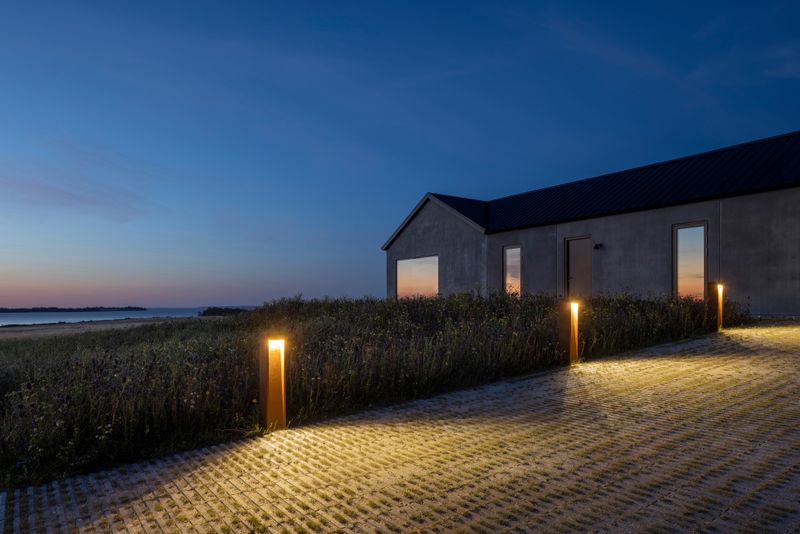
Take a walk outside after dark and count your lights. Porch lamps, landscape spotlights, and floodlights that burn all night may not be doing much work.
UF/IFAS suggests cutting back on unneeded lighting, and motion sensors are one option that keeps safety lights available when you need them.
Why does it matter? Some fireflies talk to each other with flashes, and they rely on dark nights to see those signals.
Artificial light can get in the way of that conversation.
The research is not one-size-fits-all, though. A study by Owens and colleagues found that artificial light affected mating in some tested species, while the effect differed among species and conditions.
In some tests there was little or no apparent change in mate success.
Not every firefly glows or depends on flashing, either. Oklahoma State Extension notes that some adults do not light up at all, so lighting is just one factor among several.
Start with easy wins. Switch off decorative lights you rarely use, put timers or sensors on floodlights, and aim fixtures down so they do not spill onto your refuge.
Keep lights where you truly need them for safety.
Reduce pesticide pressure in habitat areas

A refuge only works if it is a safe place to live. Fireflies and the small creatures their young eat can both be harmed by spraying.
Xerces Society advises using integrated pest management and cutting pesticide effects on fireflies and their prey.
In practice, that means skipping cosmetic or unnecessary treatments in your refuge and nearby beds. Be especially careful with broad-spectrum insecticides, which hit many insects at once, not just the pest you meant to target.
Integrated pest management starts with looking first. Check what is actually damaging a plant, decide if the damage matters, and try simpler steps such as hand removal, healthier soil, or the right plant in the right spot.
If you do need a treatment, choose the narrowest option that fits and follow the label.
Texas gardeners often worry about fire ants, chinch bugs, and mosquitoes, and those worries are fair. You can still manage problems near the house or on turf while keeping the designated refuge out of the spray zone.
Keep expectations proportionate. Less pesticide makes the habitat safer, but it does not guarantee fireflies will show up.
Build habitat, not a promise
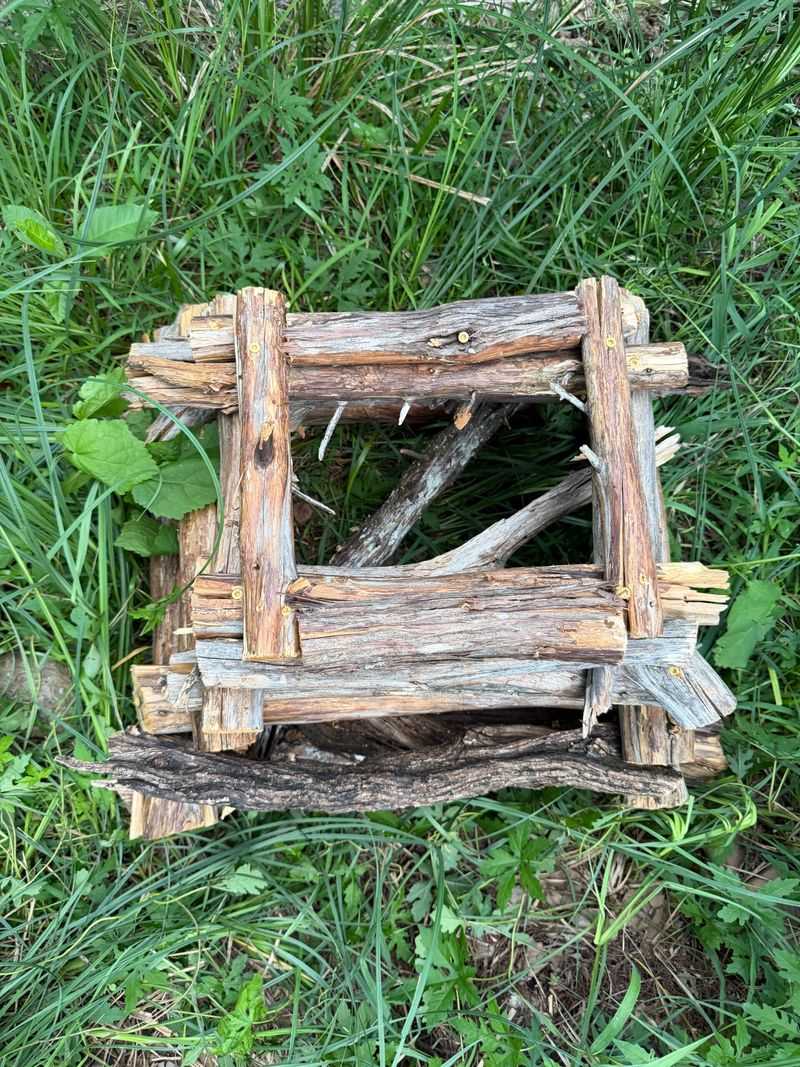
A small winter refuge can make a yard more welcoming, but it cannot summon fireflies that live far away. Xerces Society cautions that restored habitat may not attract them quickly, or at all, if none are nearby.
Timing varies too. The Texas A&M account describes about a two-year life cycle for most species, and Oklahoma State Extension notes development can take one to two years or longer.
So choose one manageable patch, protect it through winter, and keep disturbance low. The best sign of success is sometimes a quiet summer night years from now.