
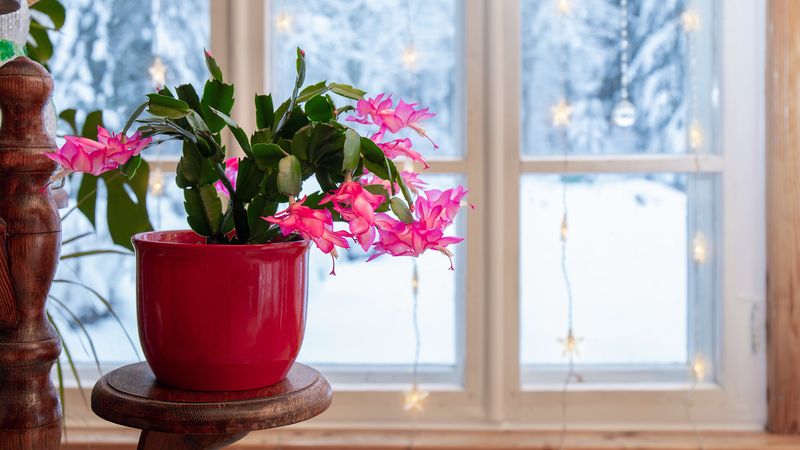
Few things sting like watching fat flower buds on your Christmas cactus shrivel and fall just before they open. A cold draft near the window is one possible culprit, but it is not the only one.
Plenty of other things can nudge a plant to let buds go, and most of them are easy to check at home. Here is how to look for clues, make one smart move, and give the remaining buds their best chance.
Bud drop can have several causes
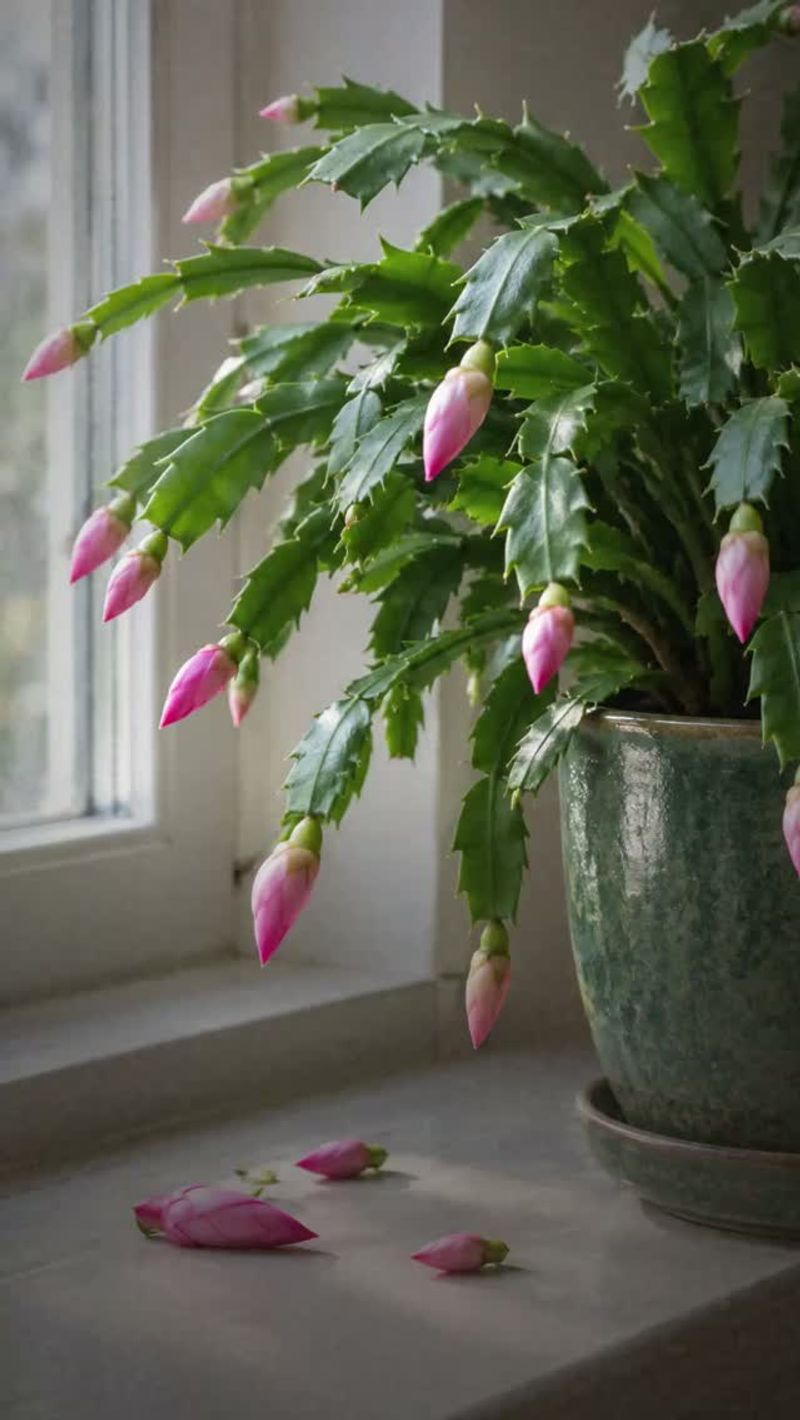
Finding buds on the floor is discouraging, especially in mid-November when you were counting on blooms for the holidays. The good news is that this is a common problem, and there is usually something practical you can check.
A cold draft is a fair first suspect if your plant sits beside a chilly window. Still, Iowa State Extension lists several possible triggers, including sudden changes in the plant’s surroundings, light or temperature that does not suit it, and watering that swings too far in either direction.
Another cause has nothing to do with a mistake. University of Minnesota Extension notes that a plant may shed some buds when it is carrying more than it can support.
UF/IFAS also points to drafts and heat sources as things to avoid.
Dropped buds alone cannot tell you which cause is at work. So think of the next steps as a calm check of conditions rather than a hunt for one guilty party.
Check whether a window is exposing the plant to a draft
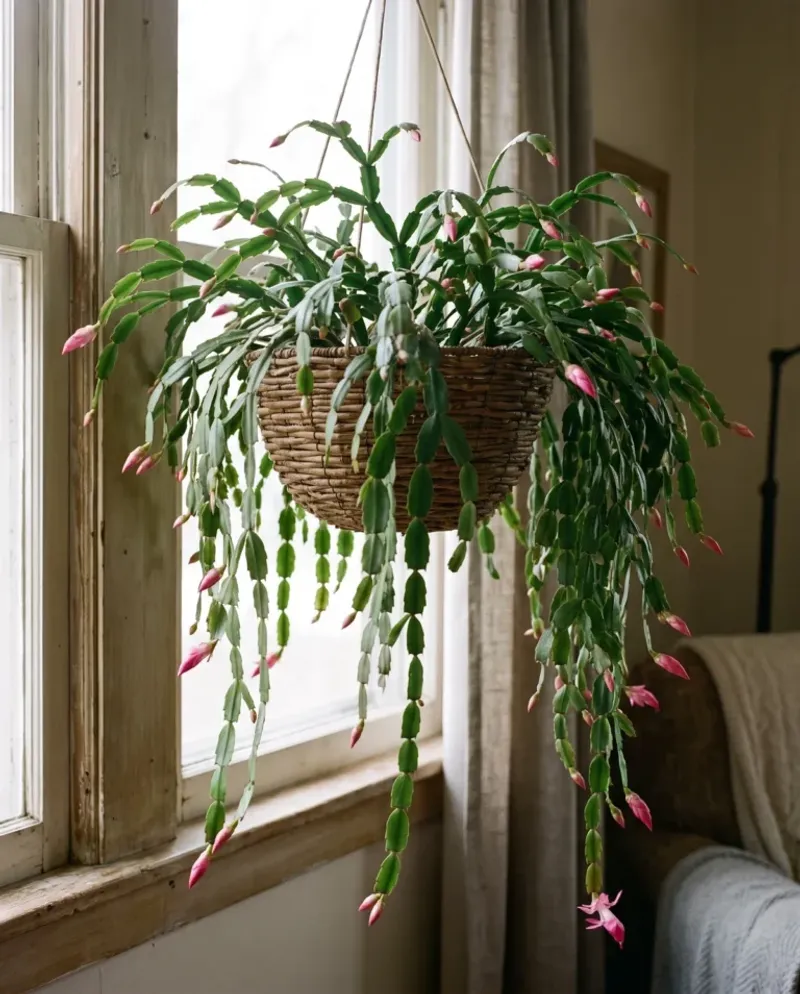
Spend a few minutes studying where the pot actually sits. Hold your hand near the glass, the window frame, and any nearby door.
If you feel cold air creeping in, or the sill turns icy at night, your cactus may be riding a daily temperature swing.
Cornell Cooperative Extension warns against cold drafts and freezing temperatures at windowsills. The worry is the draft, though, not the window itself.
In fact, bright light near a window is exactly what the plant wants. UF/IFAS recommends bright light by a window while also advising you to keep the plant out of drafts and away from heat sources.
Look at the other side too. A spot right above a heating vent, beside a space heater, or next to a fireplace can blast warm, dry air on the plant, and the jump between that heat and cool nighttime air can be just as rough.
Move a draft-exposed plant once to a steadier spot
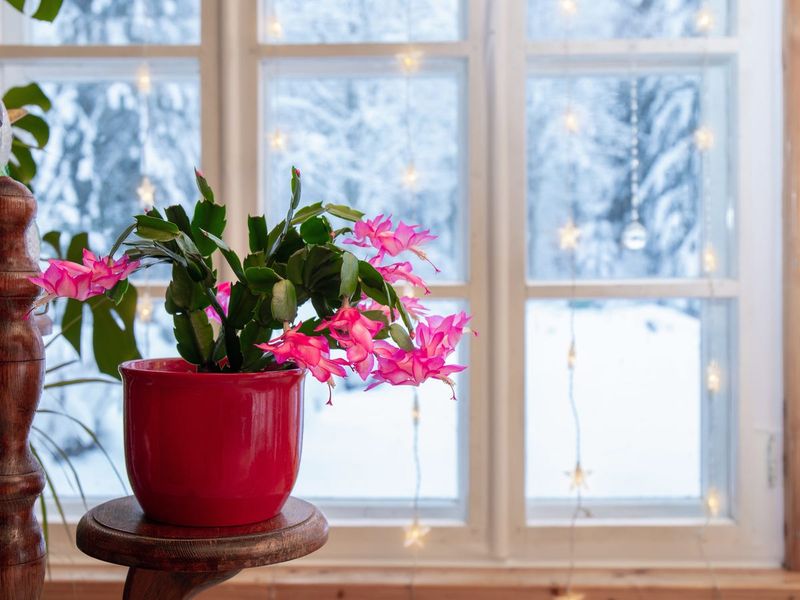
If you did find a genuine cold draft or heat source, one deliberate move is a sensible fix. Pick a bright spot with indirect light, away from leaky windows, exterior doors, and vents, where the room temperature stays fairly even day and night.
Advice on moving can sound mixed. Iowa State suggests avoiding moves during bud development, while Minnesota Extension says the plants dislike disturbance but can be moved as buds appear, such as into a warmer room.
Putting those together, leaving a cactus in a bad location is not a kindness. Move it once to a better place and then leave it alone.
Resist the urge to shuffle it around while you troubleshoot. Turning it or trying a new window every few days adds fresh changes.
Cornell advises avoiding sharp changes in light and temperature once buds are forming.
Keep light and temperature steady as buds open
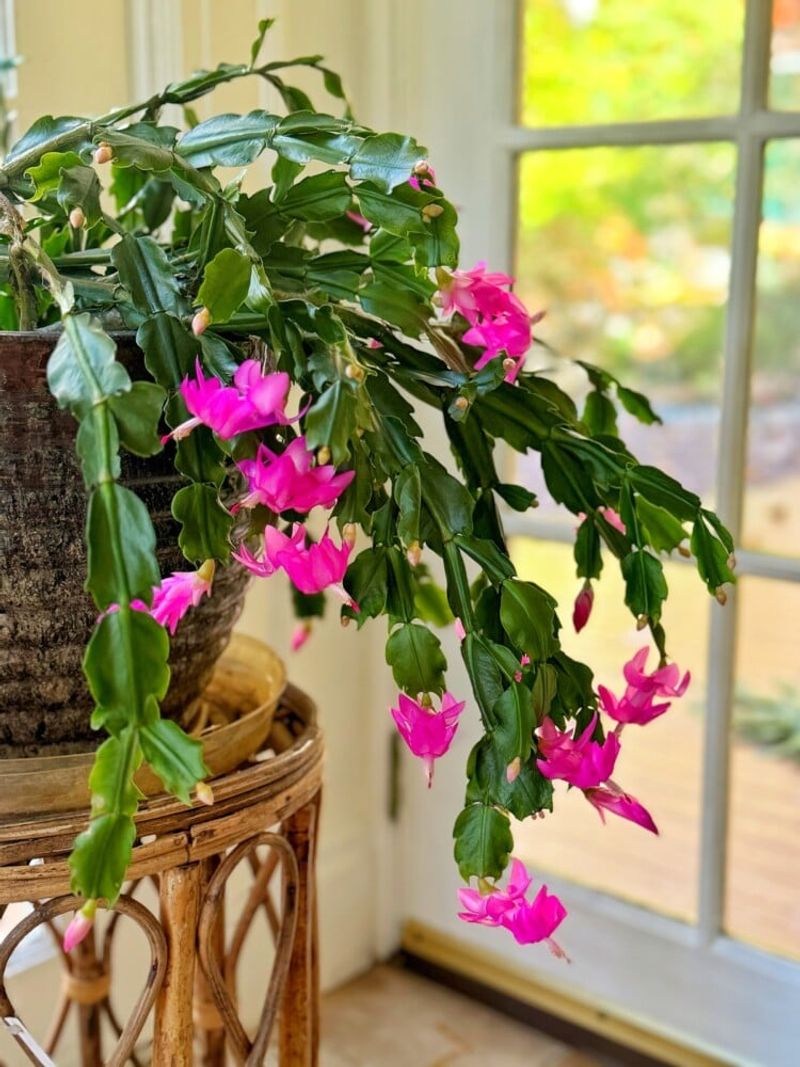
Once the plant is settled, aim for bright, indirect light and moderate room temperatures. Iowa State gives 60 to 70 degrees F as a suitable indoor range, with slightly cooler nights, around 60 to 65, being ideal for flower formation.
Cornell suggests roughly 60 to 70 degrees days and 55 to 65 degrees nights. Treat these as handy guides, not exact cutoffs, since no number guarantees the buds will hold.
You may have read that cool fall nights help cactus plants set buds. That is true, but it is a different stage.
Clemson Extension notes that cooler temperatures and long nights help start buds, yet it also says bud drop may happen around 50 degrees F.
So do not chill a plant that is already budded as a rescue. A comfortable room that holds its temperature is the goal, and a simple thermometer near the pot can show how much the spot swings.
Check the soil before changing how you water
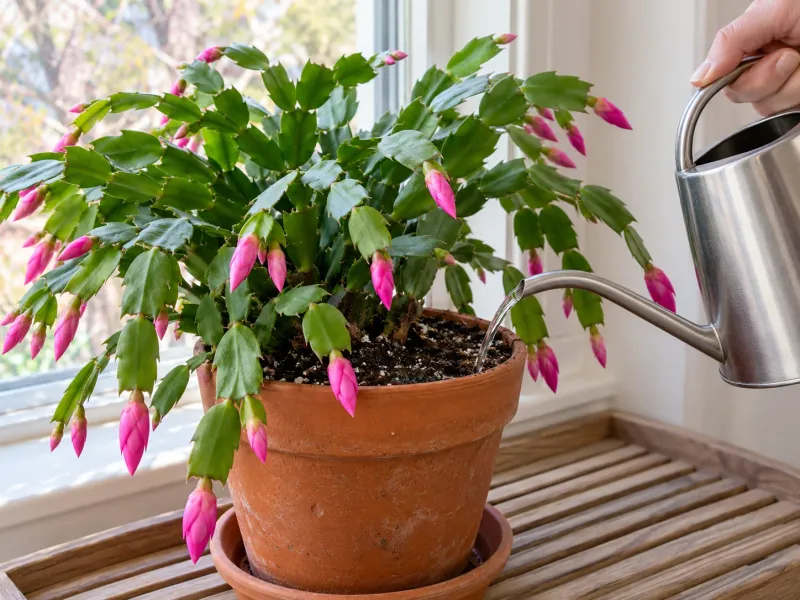
Watering can play a role in bud drop, though it may not explain what happened to your plant. The best approach is to let the soil guide you instead of the calendar.
UF/IFAS suggests watering when the top inch of mix feels dry. Push a finger in, and if it feels damp, wait a day or two and check again.
While the plant is budding and blooming, try not to let the mix go bone-dry. Clemson advises keeping the growing medium evenly moist after buds set.
The opposite problem matters as well. Water until it drains, then empty the saucer so the pot is not sitting in a puddle.
Soggy roots cause their own trouble, and a pot that is very light or very heavy is a handy clue when you lift it.
Some buds may still fall
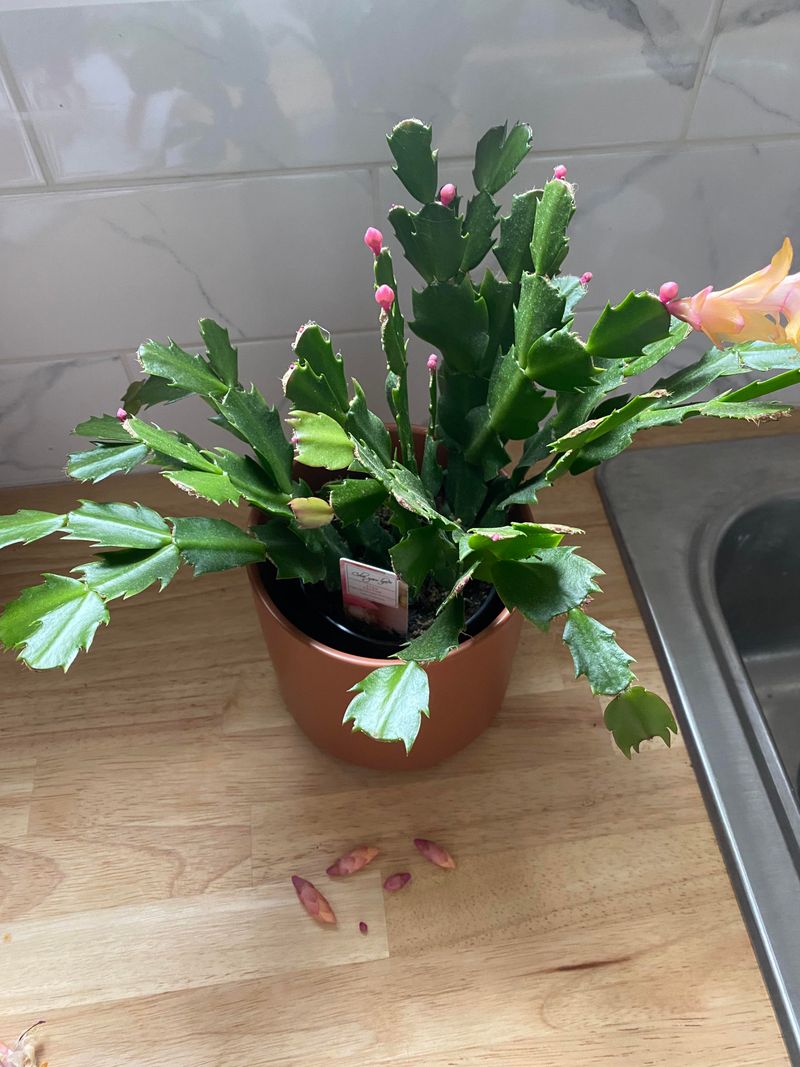
Even with a good location and sensible watering, a few buds may still drop. Better conditions can remove possible triggers, but they cannot promise that every bud will open.
Remember that a plant sometimes sets more buds than it can carry. University of Minnesota Extension notes that some loss can happen for this reason, so a handful of fallen buds is not proof that you did something wrong or that your move failed.
What matters most is what happens next. Count the buds still attached, keep the plant in its steadier spot, and hold off on new changes like another move or a sudden shift in temperature.
Often the buds that remain are the ones that carry the show, and a plant that stays put is a plant that can finally get on with blooming.