
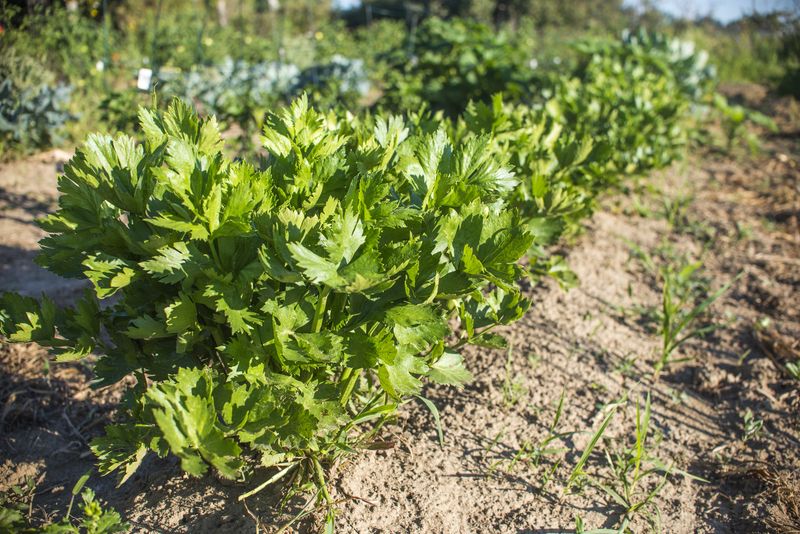
You pull a stalk of celery you waited months for, snap it open, and find tough strings or a pale, spongy middle. It is a letdown, but it gives you clues about what happened in the bed.
Uneven moisture is one of the likeliest contributors, though it is not the only one. Here is how to sort out the possible causes and grow crisper celery next time.
Stringiness and pithiness point to different problems
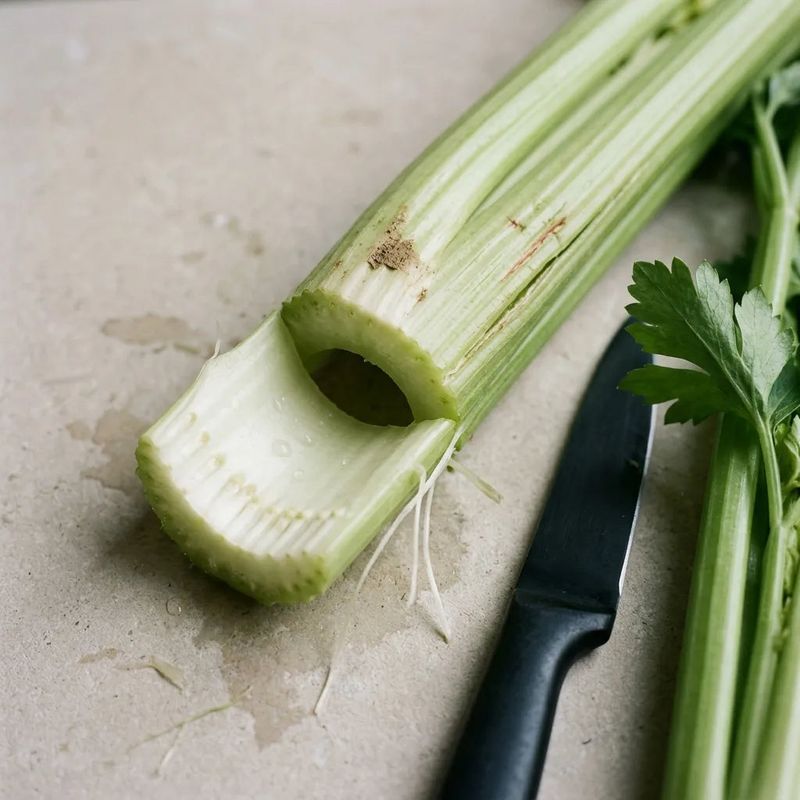
Stringy celery and hollow celery get lumped together, but they are two different quality problems. Stringy stalks have tough, fibrous threads that stay in your teeth.
Pithy stalks have a white, dry-looking, or spongy center that can leave the inside hollow.
The link to water is clearest for stringiness. Utah State University Extension says water stress can make celery stringy and strongly flavored, and that regular watering helps keep stalks crisp and tender.
A hollow interior is a different story. UC Davis postharvest specialists describe pithiness as tissue breakdown inside the stalk.
Dry soil may play a part, but a hollow stalk alone does not prove a watering problem.
Think of this article as a checklist. You will look at several possible contributors, then adjust growing conditions so future stalks have a better shot.
Stalks that are already tough or pithy will not turn tender again, so the payoff comes with the next planting or harvest.
Pithiness can have causes beyond watering
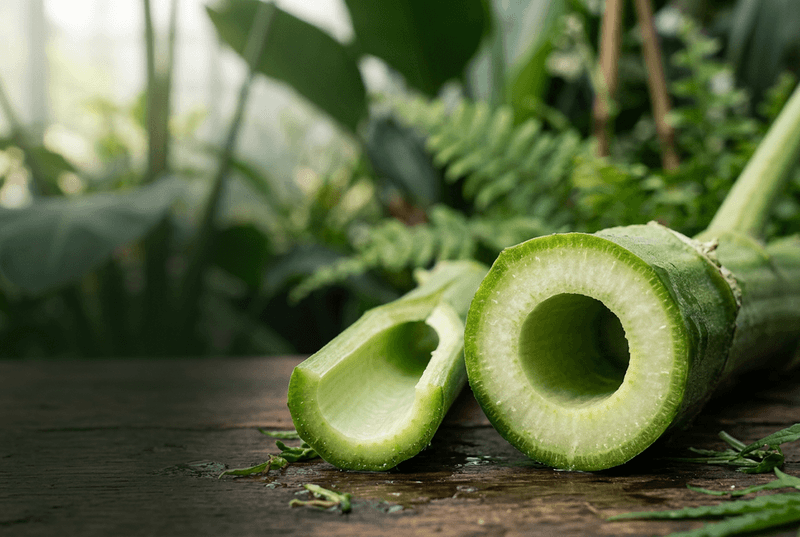
Picture two gardeners with the same hollow celery. One let the plants sit too long, and the other had a stretch of unusual temperatures.
Both see the same symptom, but the causes differ.
According to UC Davis, pithiness can accompany over-maturity and environmental stress. Heat or cold swings, early flowering changes, and root problems are among the other possibilities.
Moisture stress may be one factor on that list, but it is rarely the only one.
So when you find a hollow stalk, ask a few questions. How old were the plants, and did they stay in the bed well past a reasonable size?
Did the weather swing hot or cold? Were the roots healthy, and was the soil staying evenly moist?
You may also notice that the idea of dry, breezy days as a special trigger has no solid backing. Water stress in general is the concern, not wind specifically.
Treat the hollow center as a clue that points you toward several checks rather than one verdict.
Check soil before setting a watering routine
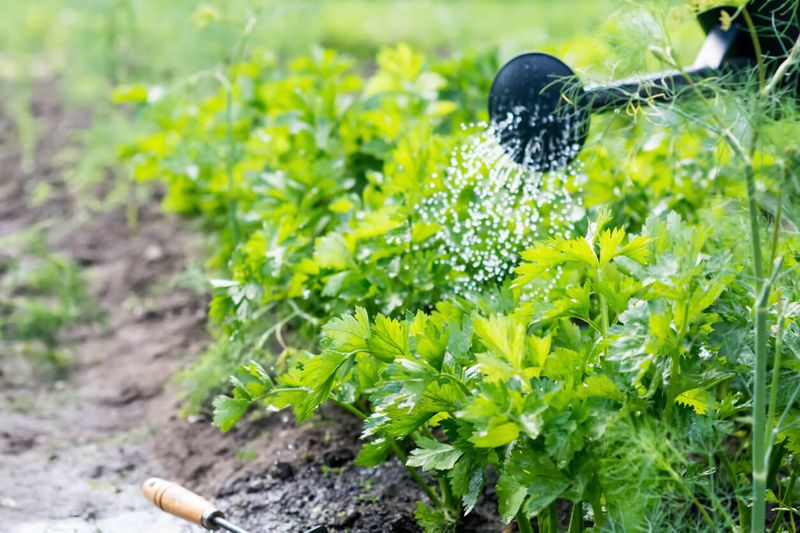
Celery has a small, shallow root system, so it cannot reach down for moisture the way deeper-rooted crops can. Poke a finger a couple of inches into the soil near the plants before you water.
If it feels dry at that depth, it is time to soak the bed.
Thorough watering here means wetting the whole shallow root zone, not just the surface. The goal is soil that stays reasonably even, not one that cycles between bone dry and soggy.
Letting the roots dry out between soaks is the opposite of what you want.
Utah State Extension gives 1 to 2 inches of water per week, from rain or irrigation, as a general growing-season starting point. It is not a set schedule for Texas or Florida.
Your soil type, rainfall, temperature, and bed conditions can all move that number up or down.
Checking matters most after rain. Texas A&M AgriLife Extension notes that overly wet soil can harm plants just as too little water can, so test the soil instead of watering on autopilot.
Use mulch to help conserve soil moisture
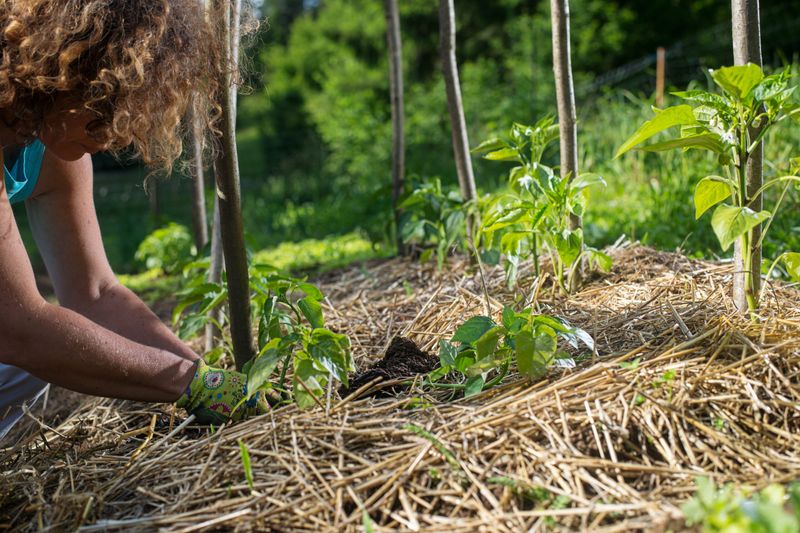
A layer of organic mulch works like a lid on the soil. Oklahoma State Extension explains that it reduces evaporation and increases water retention, which means the bed holds moisture longer between waterings.
For celery, that can make an even watering routine easier to keep. Utah State specifically recommends compost mulch to help retain moisture.
Shredded leaves or similar organic material can serve the same job.
Spread it around the plants, leaving a little room near the stalk bases so they are not buried. Keep checking the soil underneath, since mulch slows drying but does not replace watering.
Keep expectations realistic. Mulch supports growing conditions for the stalks still to come, but it will not repair celery that is already stringy or pithy.
November timing depends on your region
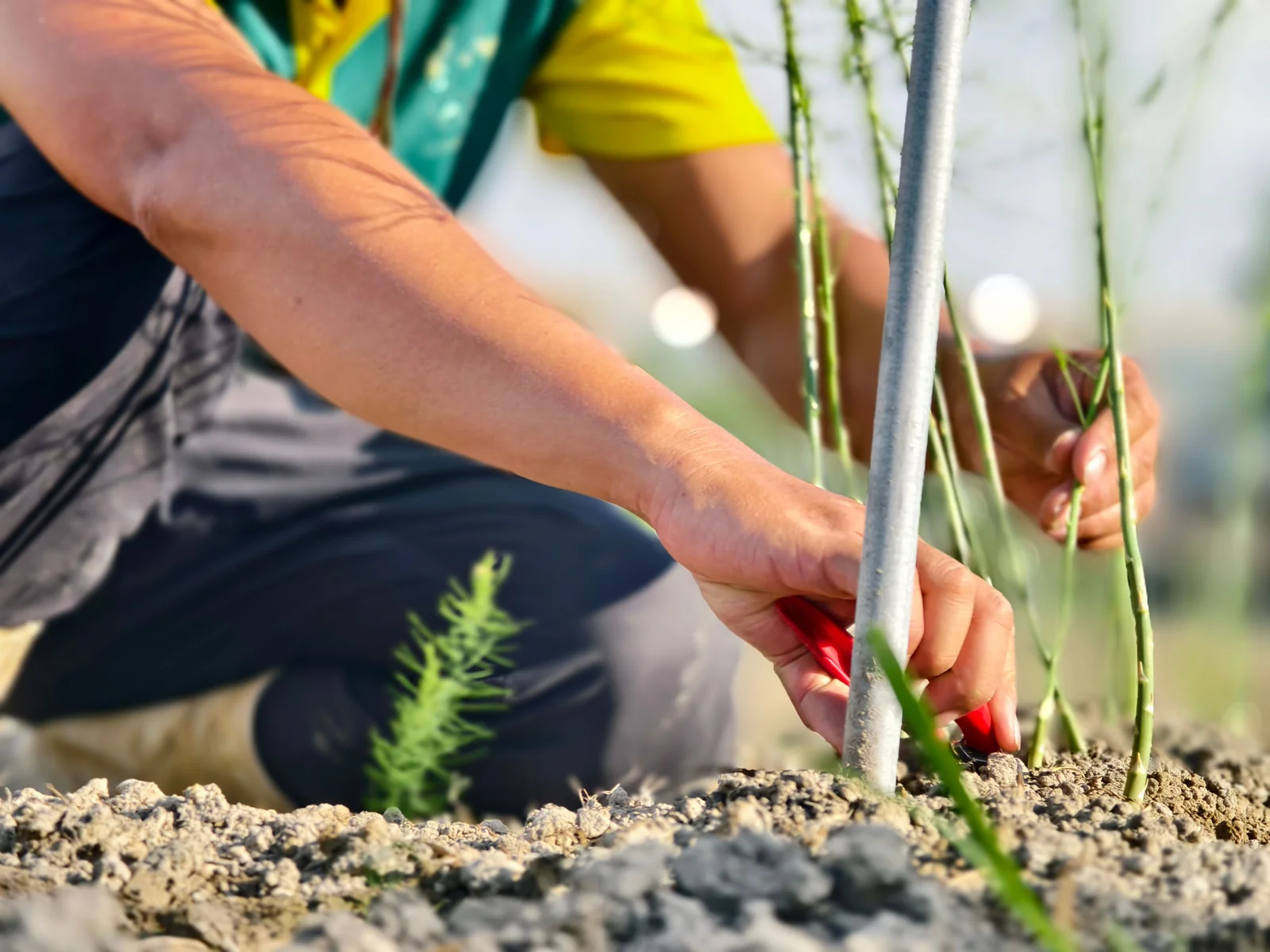
November means very different things from Pensacola to Brownsville to the Texas Panhandle. A celery bed that is just getting started in one place may be nearly ready to harvest in another.
In Florida, UF/IFAS lists celery planting windows that extend into winter across the state’s regions. Where you live in Florida changes which dates fit.
Texas is not uniform either. Texas A&M’s general fall guide stresses regional timing but does not list celery among its fall crops.
A separate Texas A&M guide for the Lower Rio Grande Valley does list fall celery transplants.
The practical step is to look up planting and harvest windows for your own area and count the weeks from your transplant date. Celery that matures during a stretch of weather it handles poorly may have a harder time staying tender, so local timing is worth confirming.
Harvest before pithiness develops
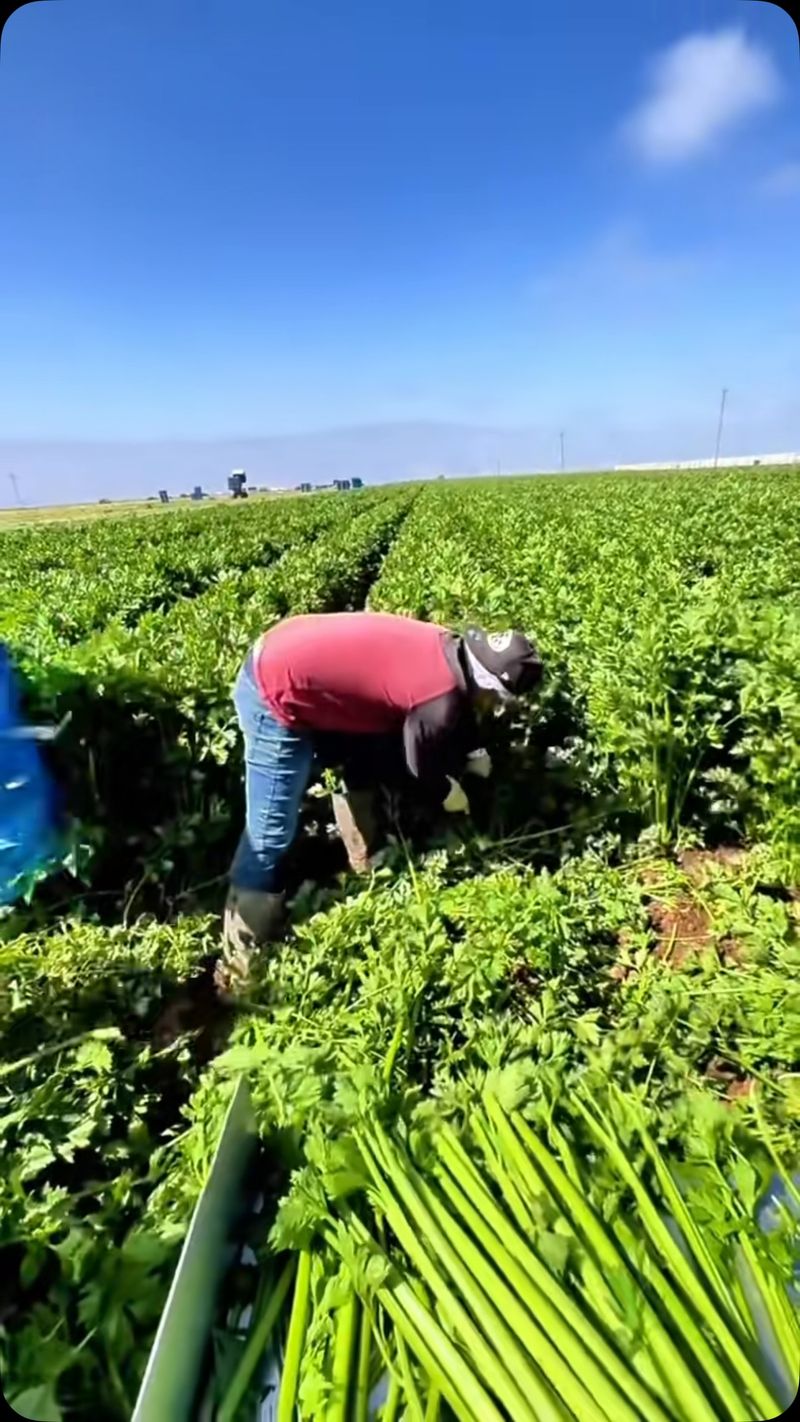
Timing at harvest is your last line of defense. University of Maryland Extension advises harvesting once stalks are large enough but before pithiness develops.
Snap a test stalk from an outer edge when plants look nearly ready, and check the center for crispness.
If the inside is still firm and juicy, you are in good shape. If it is starting to look pale or dry, it is a sign to harvest the rest soon rather than wait for more size.
Carry the other habits forward too: check the soil before watering, soak the root zone when it needs it, and keep mulch in place. Together they support better growing conditions, though they cannot restore stalks already affected by pithiness.
Skip nutrient add-ons like boron unless a soil test or a proper diagnosis calls for them. Hollow or stringy stalks alone are not a reason to add them.
Celery rewards the gardener who pays attention, one finger-deep soil check at a time.