
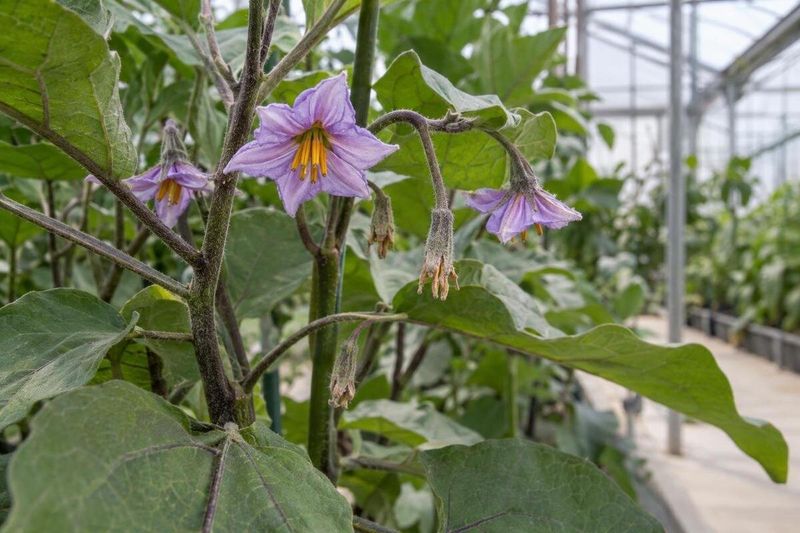
Your eggplant is covered in purple flowers, but they keep wilting and dropping before any fruit shows up. That is frustrating, especially when fall is shortening the time you have left.
Cool nights are one possible reason, but they are not the only one. Here is how to sort out what is going on in your own bed and what you can realistically do about it.
Cool nights can trigger blossom drop, but they are not the only cause
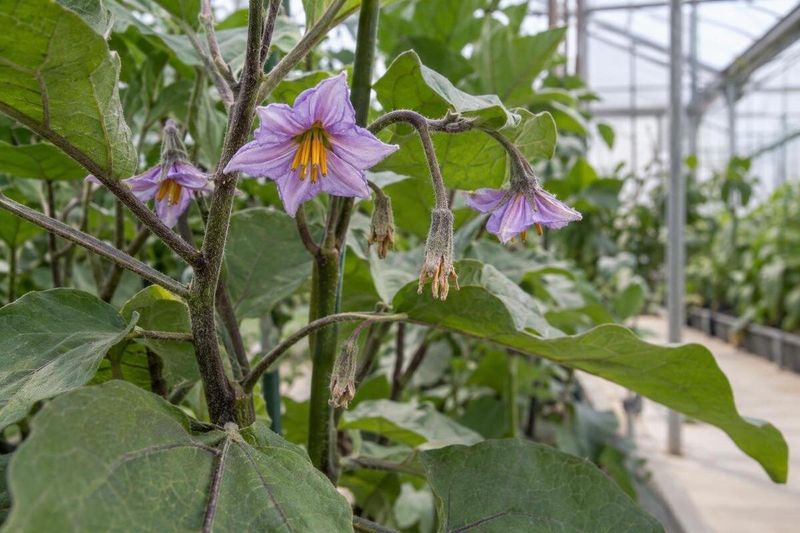
Flowers that wilt and fall before a fruit forms are a common sight in fall beds. Cold weather is one documented cause, and a UCANR guide to growing eggplants says plants have trouble setting fruit when nighttime temperatures fall below 60°F.
That number is a concern, not a rule. Some plants may hold flowers on a 58°F night, and others may drop them for entirely different reasons.
Dropped blossoms alone cannot tell you which situation you are in.
According to the UC IPM blossom drop page, temperature extremes (both hot and cold), insufficient soil moisture, and inadequate pollination can all contribute. So before you buy a cover or a fertilizer, treat the falling flowers as a clue and look at the whole picture: recent weather, how dry the soil is, and whether insects or wind are reaching the blooms.
Check night lows and soil moisture first
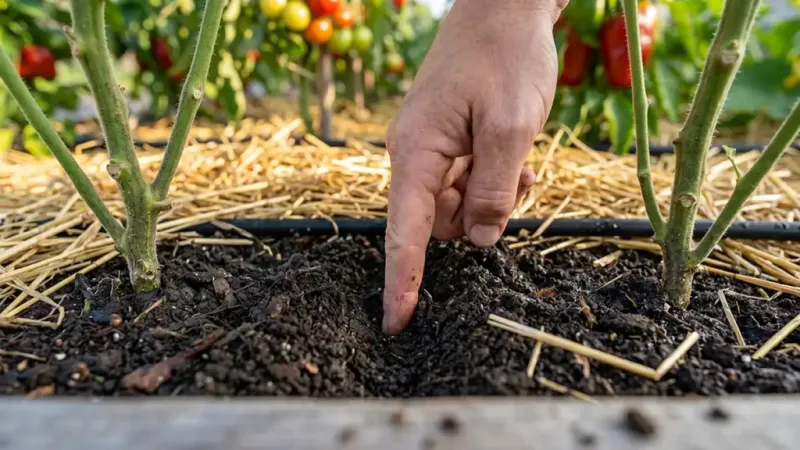
Two quick checks come before anything else: the forecast low for the next few nights and the moisture in your bed. Both take a couple of minutes and cost nothing.
Eggplant is a warm-season crop. Clemson Extension says it grows best around 70 to 85°F and grows slowly during cool periods.
If your lows are sliding toward the 50s, slower growth and fewer set fruit would not be surprising.
Next, push a finger into the soil. Clemson advises moistening the soil to at least 6 inches deep and calls fruit set a critical time for moisture.
Aim for evenly damp soil, not bone dry and not soggy. Mulch can help smooth out swings between wet and dry days.
Make these checks your first response, ahead of any routine feeding. If the soil was dry, fixing that costs nothing and may help.
A row cover can buffer cold, not guarantee fruit set
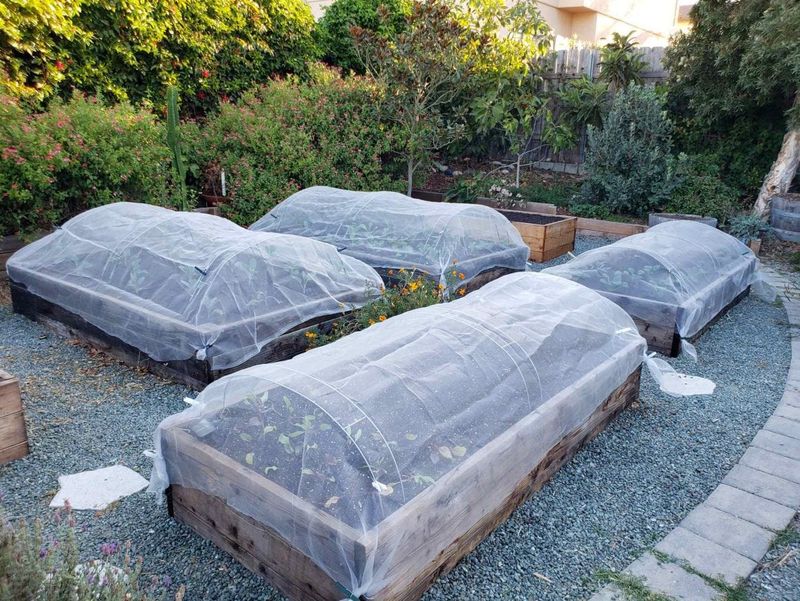
Frost cloth gives you a bit of buffer on a chilly night. It may reduce cold exposure around the plant, but it does not warm the outdoor air or promise that flowers will turn into fruit.
Pick a product by the weight and protection rating on its label. UF/IFAS guidance says protection depends on fabric thickness, describing roughly 30°F protection for 0.5-ounce fabric and 25°F for 1.5 to 2-ounce material.
Treat those as extension figures, not a promise for every garden or weather event.
Secure the edges so wind does not shred the cover, and set it over hoops so the fabric does not rub the plants. Hoops can also improve cold protection.
Do not leave it on automatically. UF/IFAS notes that row covers can raise temperatures, so follow the product directions and pull the cover off on warm days.
Does the soil need potassium?
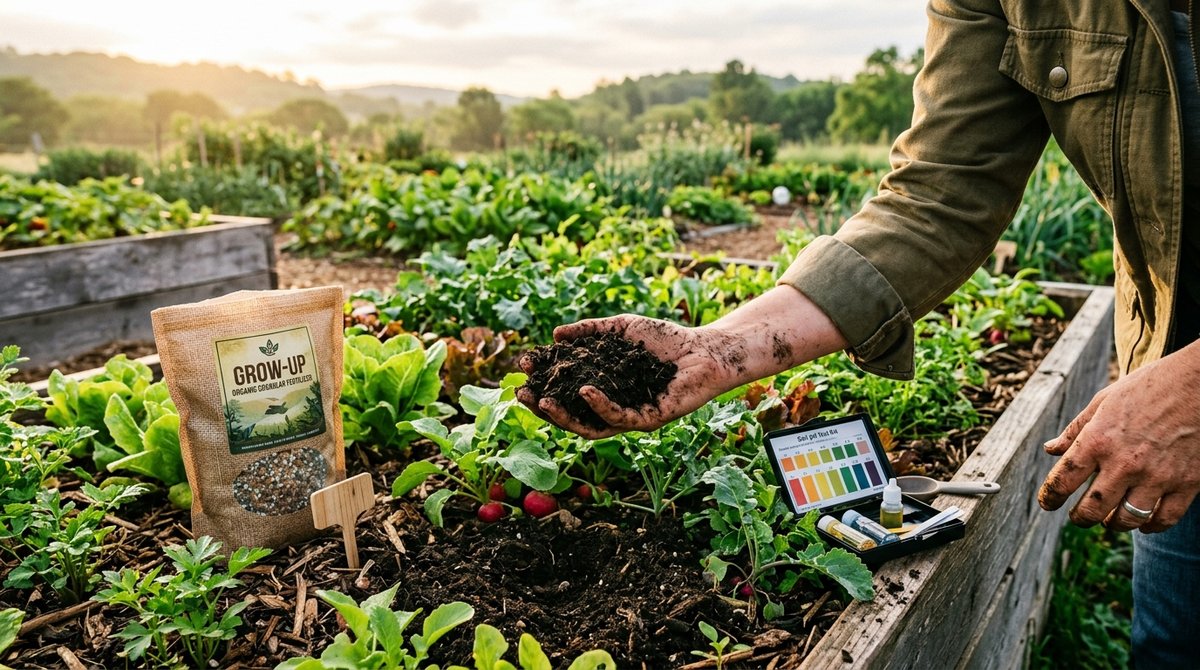
You may have heard that a light potassium feed helps the last fruits set. The sources reviewed do not show that potassium is a quick treatment for blossom drop caused by cold.
Fertilizer advice varies. Some guides suggest a monthly feed fairly high in potassium and phosphorus, but Clemson recommends using soil-test results to guide fertilizer choices.
Utah State University Extension bases potassium recommendations on soil tests and warns that overfertilizing can hurt yield or fruit quality.
So test first. Your county extension office can explain how to send a sample and read the results.
If the test shows low potassium, follow the suggested rate. If it does not, extra fertilizer is unlikely to rescue flowers and could cause problems of its own.
If flowers remain, check pollination and heat stress
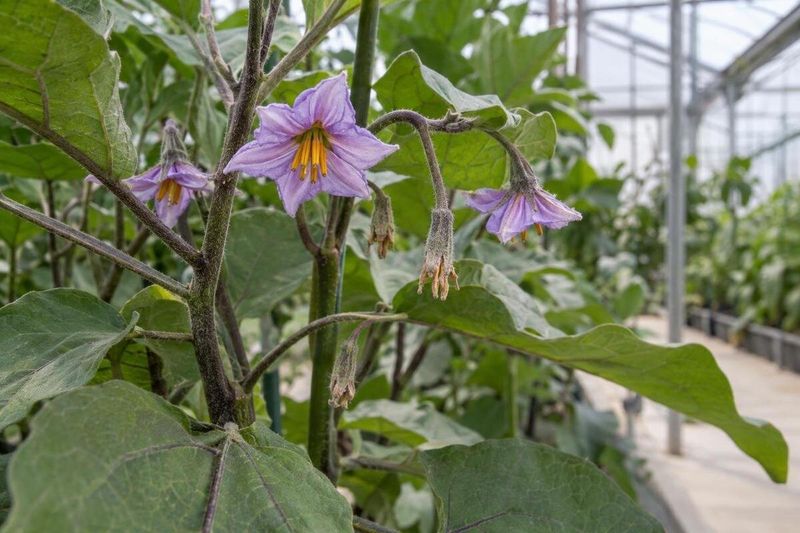
Sometimes the blossoms hang on but no tiny fruit begins to swell. In that case, pollination may be part of the problem.
UCANR lists gently shaking the flowers as an option to help move pollen, and the UC IPM blossom drop page includes inadequate pollination among the possible causes. A light tap or shake around midday is easy to try.
Keep in mind it addresses pollen movement, not cold, so it is a separate step from using a cover.
Heat can also interfere. In Texas and Florida, a warm early fall spell can stress plants just as a cool snap can.
UCANR suggests trying shade when temperatures go above 95°F. Treat that as something to try, not a cure for every plant.
Watch what the weather did in the week before the flowers dropped. That timing can point you toward the likeliest cause.
Will the remaining season leave time for fruit to mature?
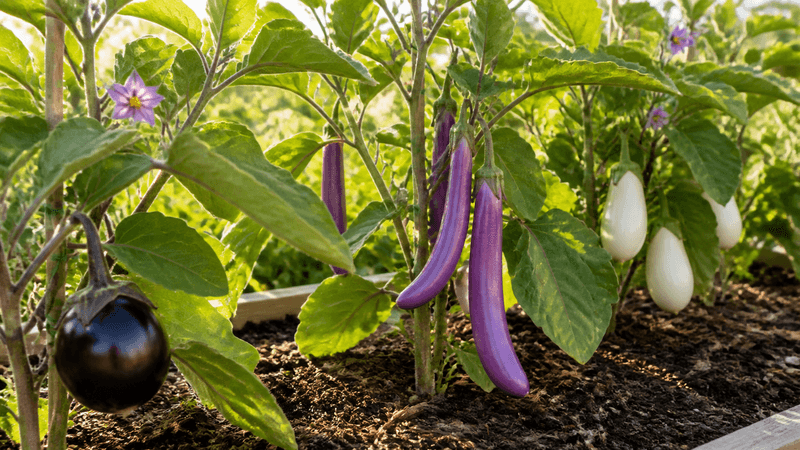
Before you invest effort in protecting new flowers, count the days. Clemson estimates roughly 65 to 80 days from transplanting to harvest.
That varies by variety and is not a precise deadline for every fruit, but a flower opening a few weeks before your usual first cold snap has a tough road.
Florida and Texas do not share one fall calendar. UF/IFAS divides Florida into planting regions, and Texas A&M AgriLife uses regional gardening guidance and classifies eggplant as frost-susceptible.
A planting window in your region does not mean a late flower will mature.
A practical order of business: check lows and moisture, manage a cover when it makes sense, consider pollination, and skip the potassium unless a soil test calls for it.
Some late flowers will make it, and some will not, and the calendar usually decides.