
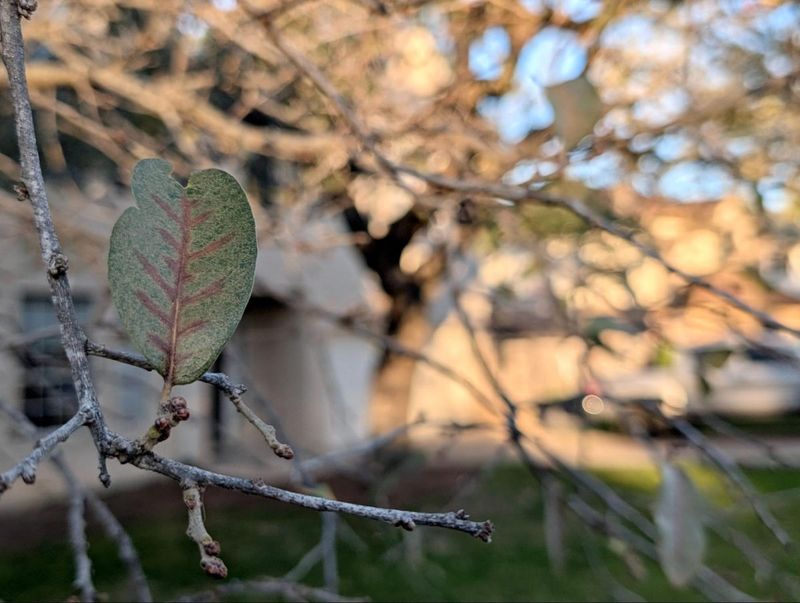
Your live oak has made it through another brutal Texas summer, and fall is when it finally gets a chance to recover. The chores you do now can help it stay strong for decades, or quietly open the door to a deadly disease.
Central Texas sits in the heart of oak wilt country, so timing matters more here than almost anywhere else. Here are seven fall tasks worth doing and one common habit that can put your tree in real danger.
1. Deep Watering After the Summer Drought
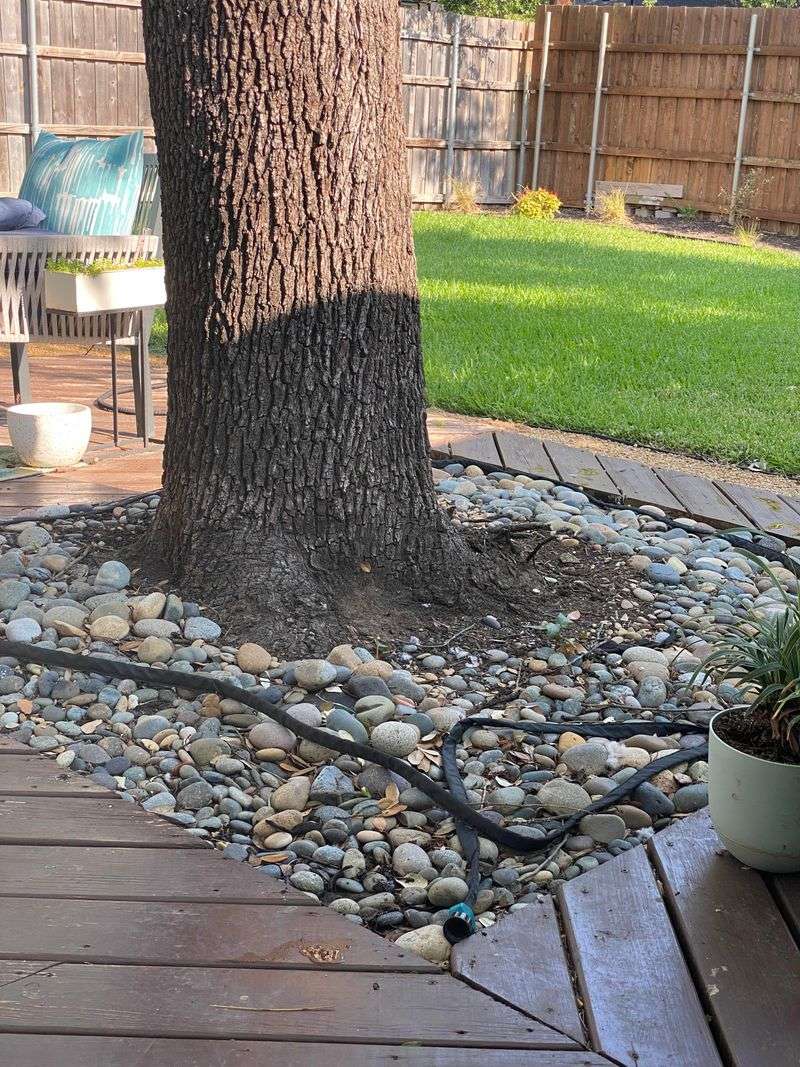
Picture a tree that just ran a marathon in 105-degree heat. That is your live oak in September, and it is thirsty in ways a quick sprinkler pass will not fix.
Run a soaker hose or slow drip in a ring near the drip line, not against the trunk. Aim to soak the top 12 to 18 inches of soil, which may take a few hours on clay or thin limestone ground.
Once every two to three weeks is usually plenty if fall rains stay scarce.
Always check your city’s watering restrictions first, since many Central Texas towns still limit days and hours. Drip and soaker hoses are often allowed more freely than spray irrigation, so they can be your best friend here.
2. A Wide Ring of Mulch
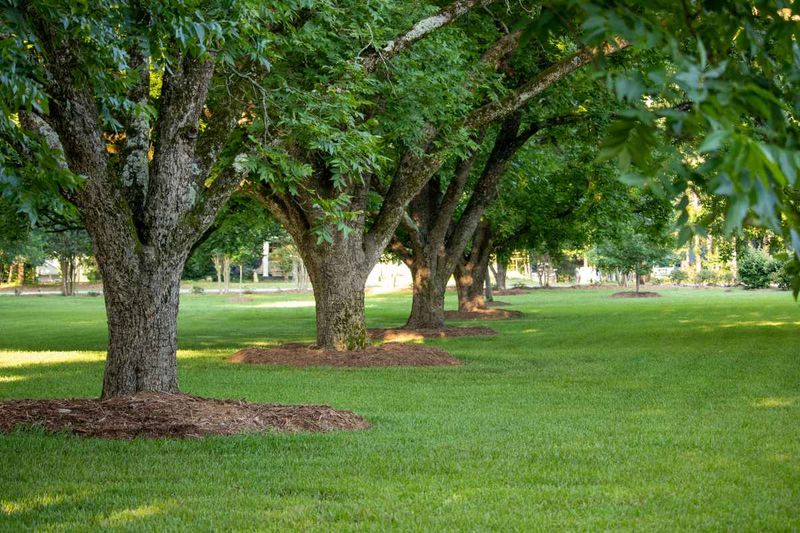
Grass and live oaks compete for the same water, and grass usually wins near the surface. A mulch ring changes the game.
Spread 2 to 3 inches of shredded hardwood or native cedar mulch as wide as you can manage, ideally out several feet from the trunk. Keep it a hand’s width away from the bark so moisture does not rot the root flare.
The payoff shows up fast. Mulch holds fall rain, keeps soil cooler, and slowly feeds the root zone as it breaks down.
Skip the dreaded mulch volcano piled against the trunk, which can do more harm than good.
3. Raking Leaves Into the Compost, Not the Curb
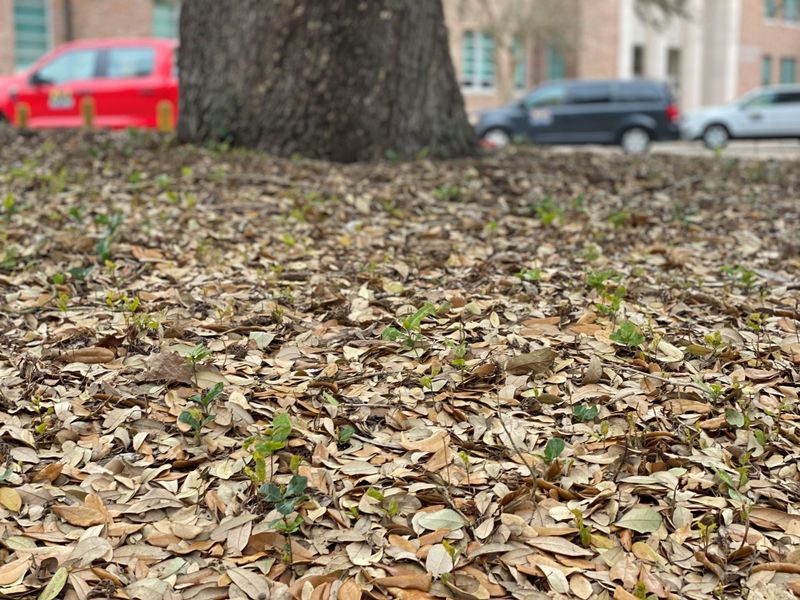
Live oaks are sneaky. They do not drop most leaves in fall at all, saving the big shed for spring, but you will still see acorns and a steady trickle of old leaves now.
Instead of bagging them, mow them into the lawn or add them to the compost pile. Those small, leathery leaves break down slowly, making them a handy brown layer for compost.
Clearing thick piles off turf and out of gutters also keeps things tidy without stripping the soil of free organic matter. Think of it as giving the tree’s own leftovers back to it.
4. Pruning Small Deadwood With Wound Paint Ready
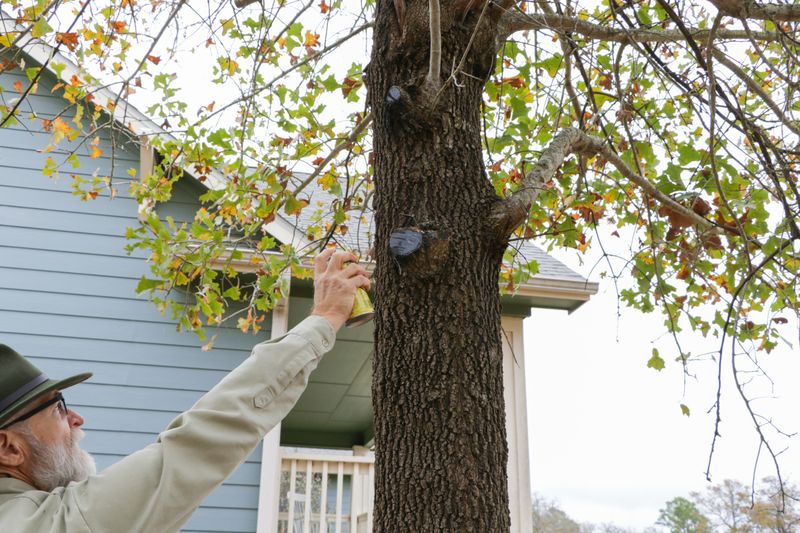
Fun fact: Texas is one of the few places where arborists routinely paint every oak cut. The reason is oak wilt, a fungus carried by tiny sap beetles that sniff out fresh wounds.
Late fall and winter, roughly November into January, are generally considered the safer window for light pruning in Central Texas. Beetle activity tends to drop when the weather cools, and fungal mats are less common.
Even then, the Texas A&M Forest Service recommends painting cuts right away with latex paint or wound dressing. Keep jobs small, like removing dead twigs or low limbs, and leave big structural work to a certified arborist.
5. Fall Pruning in Warm Weather and Skipping the Paint
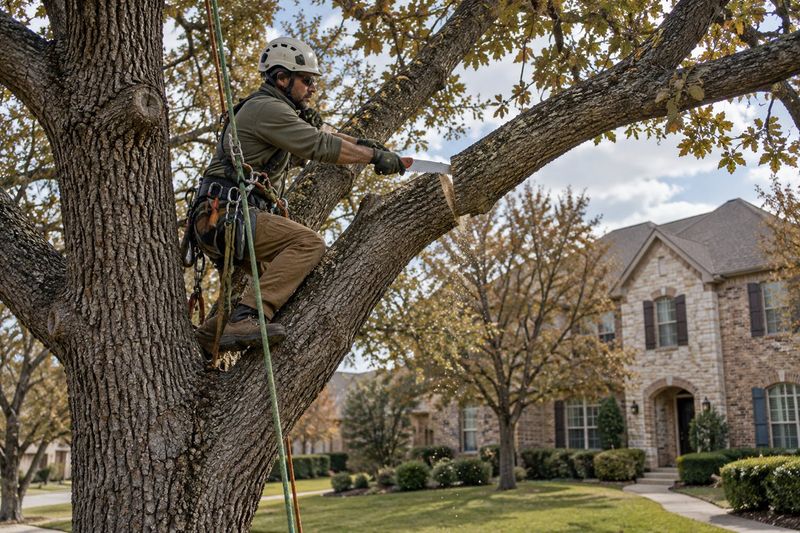
Here is the chore that puts your tree at risk. A warm September or October weekend feels like perfect pruning weather, but in Central Texas it can be exactly the wrong move.
Fall heat can keep sap beetles active, and some years oak wilt fungal mats appear in fall as well as spring. A fresh, unpainted cut may give those beetles a doorway straight into your tree.
Live oaks share root systems, so one infected tree can spread the disease to neighbors.
If a limb is broken from a storm and has to go, cut it cleanly and paint it within minutes. Otherwise, wait for cold weather, or better yet, mid-winter.
Patience costs nothing, while losing a century-old oak costs a lot.
6. Protecting the Root Zone From Heavy Traffic
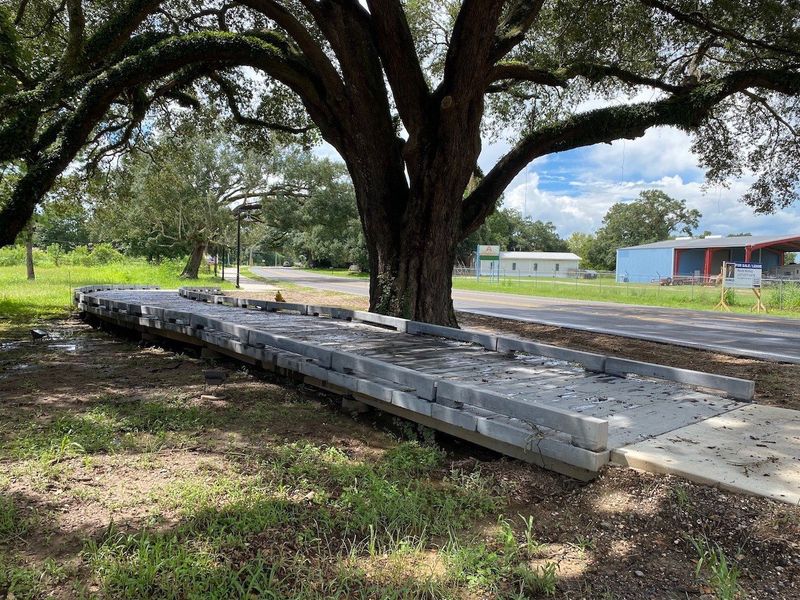
Most of a live oak’s feeder roots live in the top foot of soil, often reaching well past the canopy. That makes them easy to crush without noticing.
Fall is prime season for projects like fence repair, new patios, and holiday parking. Keep trucks, trailers, and stacks of pavers off the area under the tree whenever you can.
Compacted soil squeezes out air and water, and damage may not show up for a year or two. A simple route change for foot traffic or a stepping-stone path can spare roots a lot of stress.
7. A Close Look for Oak Wilt Symptoms
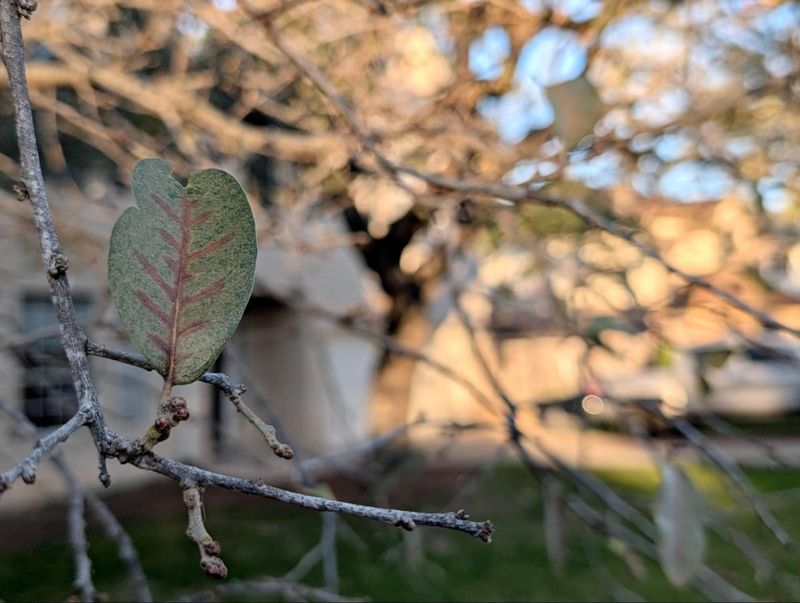
Grab a cup of coffee and take a slow walk around your tree. Fall is a smart time for a checkup because summer stress can reveal problems.
The classic oak wilt sign on live oaks is veinal necrosis, where leaves turn yellow while the veins go brown. Rapid leaf drop, bare patches in the crown, or several nearby oaks declining together are also red flags.
Plenty of things can mimic oak wilt, including drought scorch, so do not panic over a few odd leaves. If you see a pattern, contact a certified arborist or your county extension office for a proper diagnosis.
8. Going Easy on Fertilizer
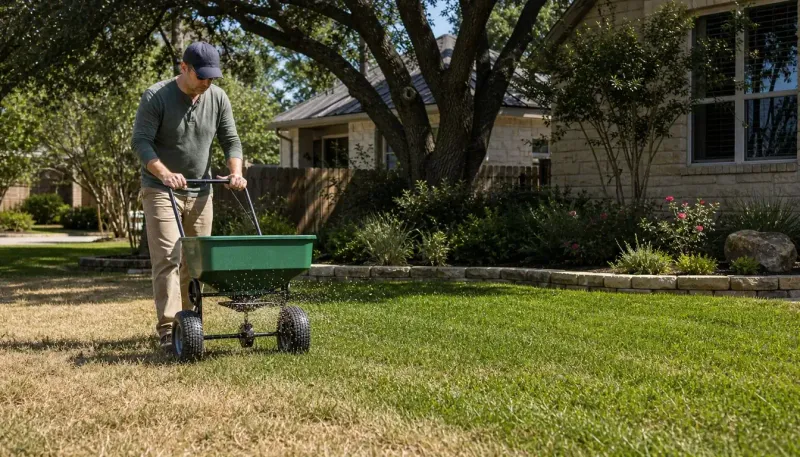
Less is often more with a native tree that has handled Texas soils for centuries. Live oaks rarely need fertilizer, and a big nitrogen boost in fall can push tender growth right before a possible freeze.
Watch where your lawn fertilizer lands, too. High-nitrogen weed-and-feed products spread under the canopy may stress roots, and some herbicides can harm trees.
If growth looks weak, a soil test from Texas A&M AgriLife will tell you what is actually missing. Mulch and steady water usually do the job better than anything from a bag.