
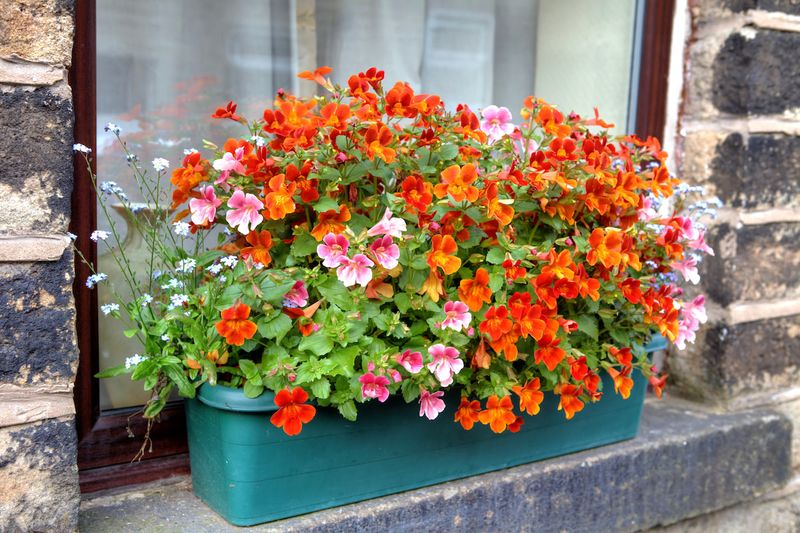
A bright January yard starts while the Thanksgiving decorations are still up. November gives many Florida gardeners a chance to plant flowers that enjoy cool nights instead of fighting summer heat.
Choose healthy transplants, match them to your part of the state, and winter beds can fill with color by January. From cheerful edging plants to tall flower spikes, these ten choices offer different ways to freshen your yard.
1. Pansies
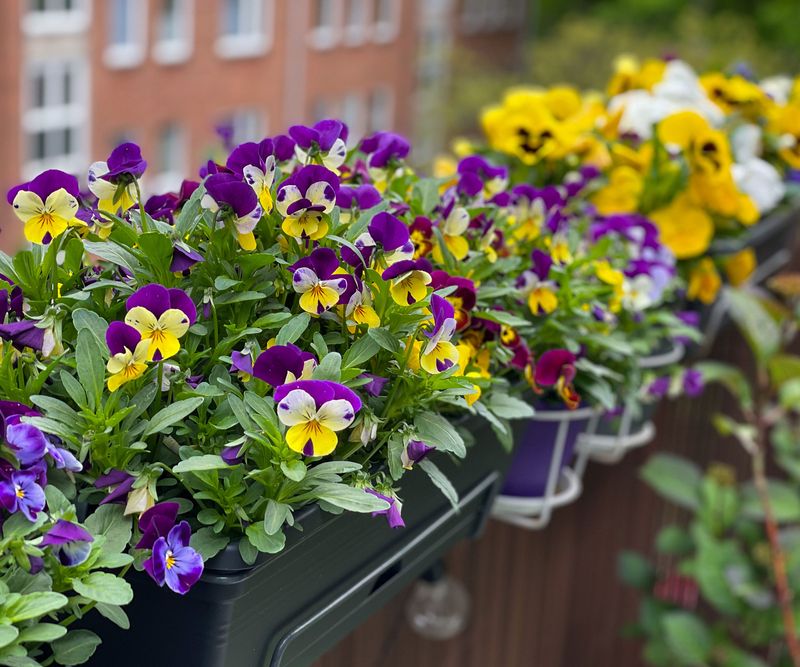
Little flower faces can make a winter walkway feel surprisingly lively. Pansies bring bold purple, yellow, white, and burgundy blooms close to the ground, where visitors can enjoy their markings.
November planting works especially well in North Florida and cooler parts of Central Florida once hot weather eases. South Florida gardeners should treat them as a cooler-weather experiment rather than the most dependable choice, since lingering warmth can leave plants stretched and weak.
Buy compact transplants with healthy leaves and several buds. Set them about 6 to 10 inches apart, following the variety label, in a sunny bed with compost mixed into the sandy soil.
Water the root zone when the surface begins to dry, and remove faded flowers along with their developing seedpods. A light application of flower fertilizer, used according to its label, helps support continued bloom without pushing excessive leafy growth.
For a strong January display, repeat one or two colors along the whole border. Established pansies tolerate light freezes, although flowers may show damage after a harder cold snap.
2. Violas
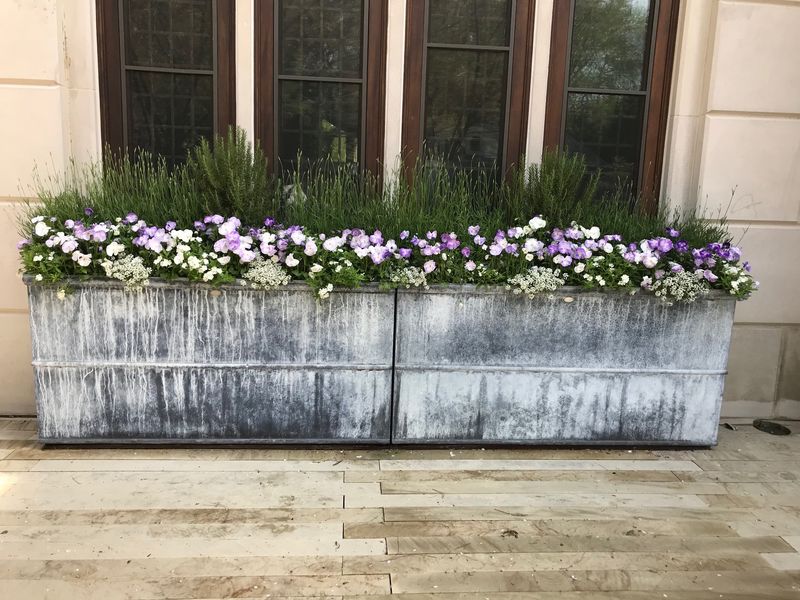
For color that looks sprinkled rather than painted on, try the smaller blooms of violas. Their flowers are less showy individually than pansies, but a healthy plant can carry enough of them to make a lively patchwork.
Use November transplants in North and Central Florida after temperatures settle into a cooler pattern. In South Florida, give them the coolest practical planting window and understand that warm spells may shorten their useful season.
A low bowl near the front door is an easy place to enjoy their detail. Choose a container with drainage holes, fill it with fresh potting mix, and leave enough room between plants for their foliage to spread.
Morning sun with some afternoon relief can help in warmer locations, while sunnier positions suit cooler areas. Check pots often because Florida breezes can dry them even when the air feels mild.
Snip away tired stems if plants lose their shape, and pick off spent flowers when practical. By January, well-established violas can soften container edges and fill narrow spaces without hiding nearby plants.
3. Snapdragons
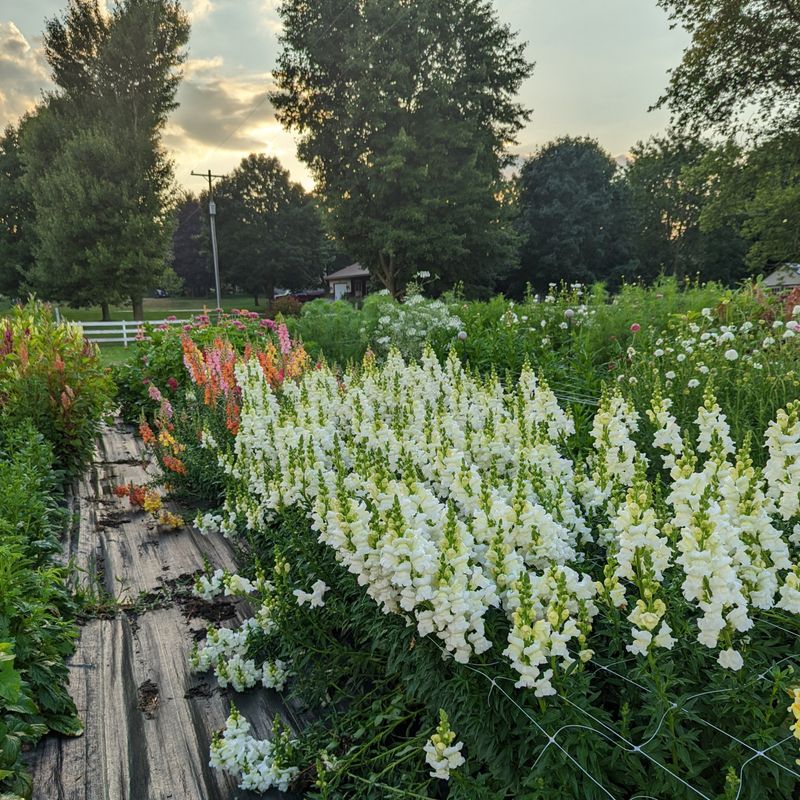
A flat flower bed sometimes needs a few exclamation points. Upright snapdragon spikes supply that height, lifting pink, red, yellow, or white flowers above lower winter annuals.
Plant nursery starts in November for a better chance of January flowers than direct sowing would provide. Choose plants already branching or showing buds, and check the mature height because dwarf and tall varieties serve very different jobs.
In much of Florida, snapdragons perform best during the cooler growing season. Give them full sun, good airflow, and soil that drains freely after watering or winter rain.
Place tall kinds toward the back of a bed and shorter selections beside paths. Follow label spacing, usually allowing more room for larger varieties, and add discreet supports where wind might bend tall stems.
Cut off spent flower spikes above healthy side shoots to encourage another round of growth. Keep mulch away from the crown, and avoid soaking the foliage late in the day.
During a forecast hard freeze, protect budding plants with frost cloth. Their vertical shape makes even a small planting look more layered and finished.
4. Dianthus
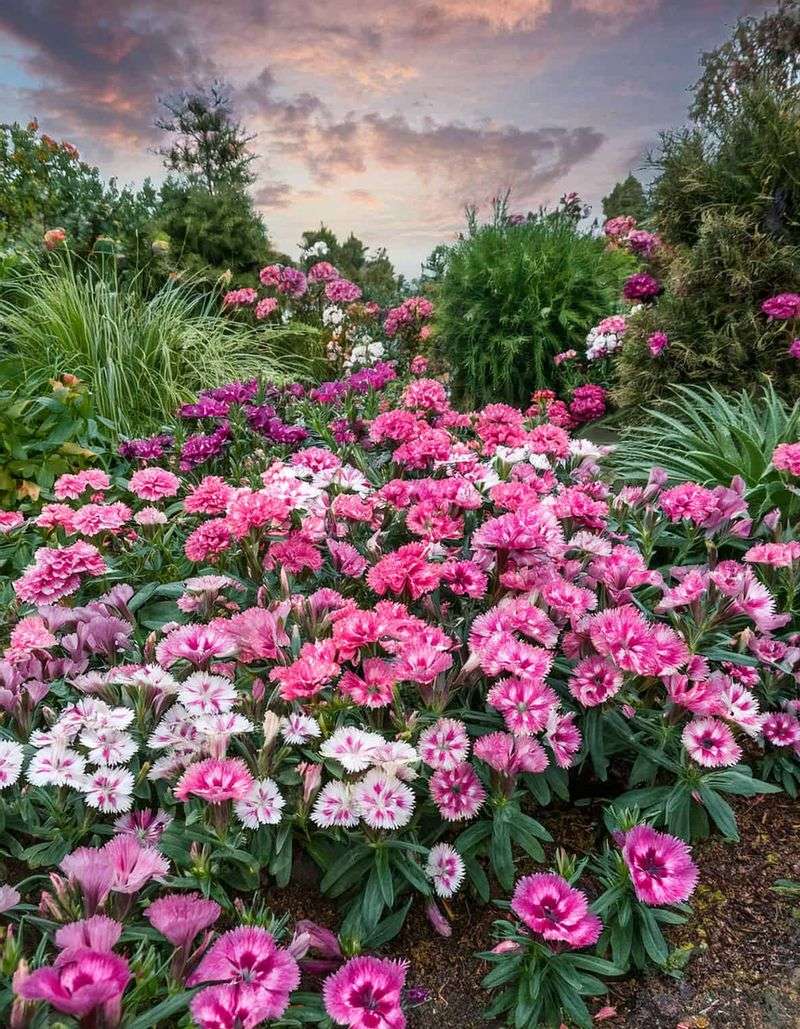
Fringed petals give an ordinary border a neatly dressed look. Bedding dianthus adds pink, red, white, or patterned flowers above tidy foliage, making it useful where you want color without a sprawling habit.
Look for compact, flowering bedding selections at a local nursery rather than assuming every dianthus grows the same way. Some types flower on a different schedule, so budded transplants offer the clearest path from November planting to January color.
Choose a sunny spot with excellent drainage. In Florida’s sandy beds, mix a modest amount of compost across the planting area, but avoid creating a rich pocket that stays wet around the roots.
Space plants according to their labels and keep their crowns at the same level they occupied in the pots. Water thoroughly after planting, then let the upper soil begin drying before watering again.
Remove faded flower stems to keep the planting neat and encourage more buds. Dianthus is especially handy beside a driveway or short entry path, where its crisp shape stays visible throughout the cooler months.
5. Petunias
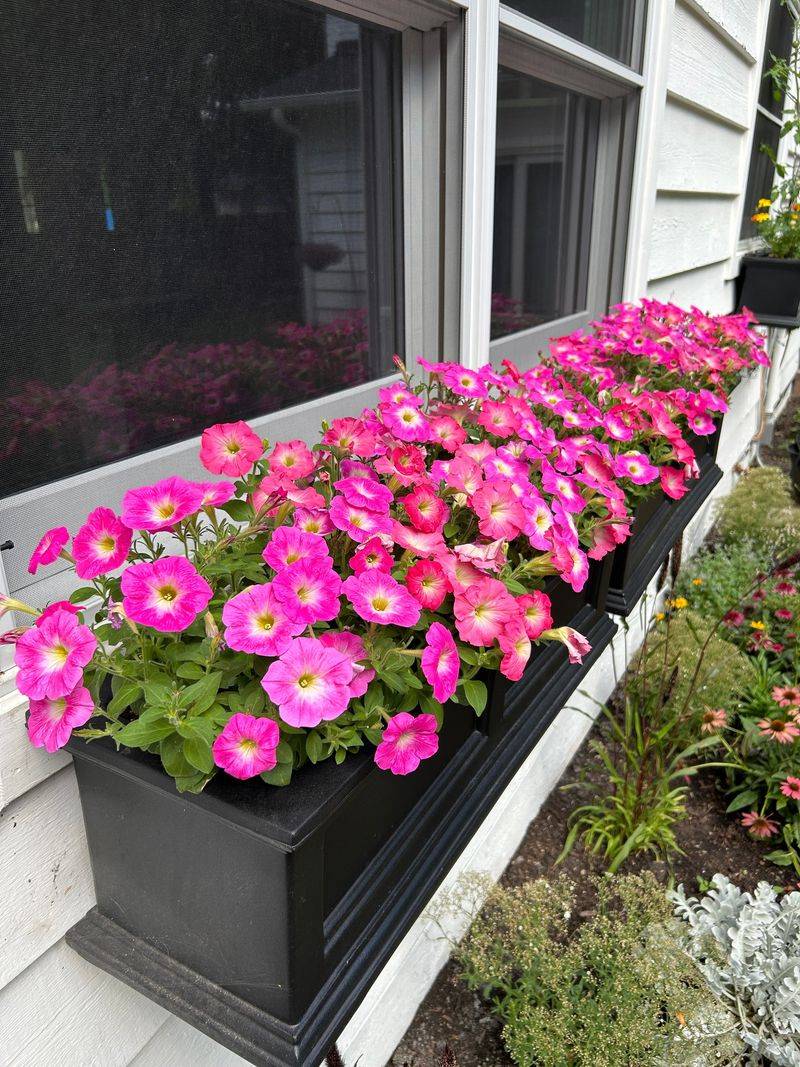
One generous planter can do the work of a much larger flower bed. Petunias create that full, spilling look, with trumpet-shaped flowers that are easy to see from the street.
November is a useful planting window across much of Florida once the worst heat has passed. Start with sturdy transplants, and select a spreading type for containers or a compact bedding type for a more controlled outline.
Give petunias at least six hours of sun when possible. Good drainage matters just as much, since soggy soil can spoil a planting long before January arrives.
Use quality potting mix in containers and leave space for growth rather than packing young plants tightly together. Container plants need regular feeding according to the fertilizer label, since frequent watering carries nutrients out through the drainage holes.
If stems become long and bare, trim them lightly to encourage branching. Some modern varieties need little deadheading, while others look better when old flowers are removed.
Protect pots during freezing weather, especially in North Florida. Grouping two large containers beside an entry gives winter curb appeal without rebuilding the whole landscape.
6. Sweet Alyssum
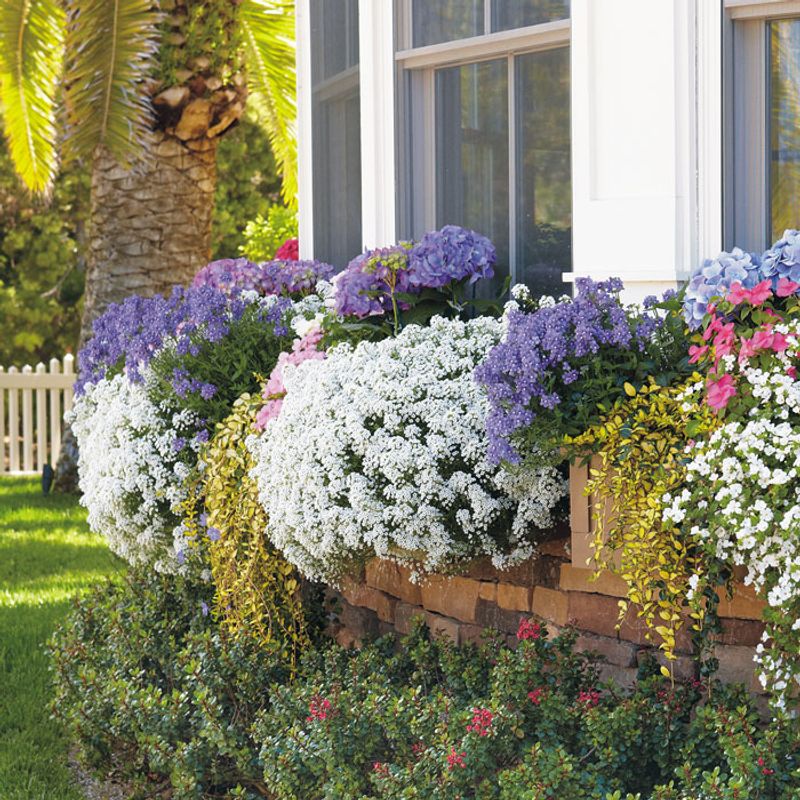
Lean close to a sunny patch and you may catch a light, honeylike scent. Sweet alyssum offers a different kind of winter appeal: tiny flower clusters that soften hard edges instead of demanding center stage.
Plant it along stepping stones, at the front of a raised bed, or around taller cool-season flowers. White varieties make nearby colors stand out, while lavender selections create a softer blend.
For dependable January coverage, use transplants in November rather than counting on seed to fill the space quickly. Cool weather suits this plant, although unusually warm South Florida conditions can reduce its vigor.
Choose sun to light shade and well-drained soil. Keep young plants evenly moist while roots establish, then water based on soil dryness rather than a fixed daily schedule.
A light trim can refresh plants when the first flush of flowers fades. Avoid heavy fertilizer applications, which can encourage leaves at the expense of the low flowering cushion you want.
Open blooms may draw small bees and other flower visitors on mild days. Leave those flowers unsprayed whenever possible so the border provides more than decoration.
7. Calendula
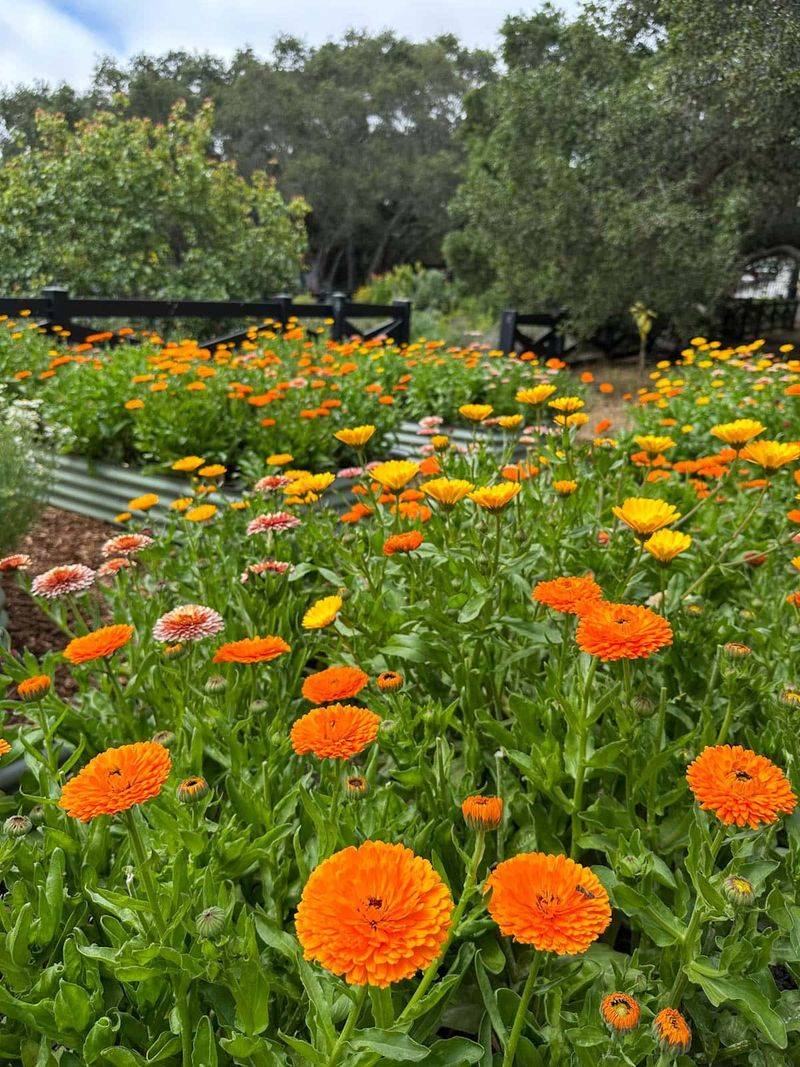
Orange and gold flowers can warm up a yard even when the morning feels chilly. Calendula brings that sunny palette to Florida’s cool season, with daisy-shaped blooms that suit both flower borders and vegetable-garden edges.
Ask for Calendula officinalis, often called pot marigold. It is different from the common bedding marigolds sold for warm-weather displays, so checking the botanical name helps prevent a mix-up.
November transplants give you a head start toward January bloom. Seeds are another option, but their timing depends on weather and variety, making established starts the safer choice for a specific display date.
Set plants in full sun and soil that drains promptly. Where sand dries very quickly, compost can improve moisture holding without turning the bed into a wet basin.
Remove old blooms before seedheads mature to encourage continued flowering. Water near the soil surface, and leave space between plants so leaves dry quickly after dew or rain.
Calendula is most rewarding during Florida’s milder months, not as a summer workhorse. Pair its warm colors with blue or purple flowers for a January bed that reads clearly from across the yard.
8. Stock
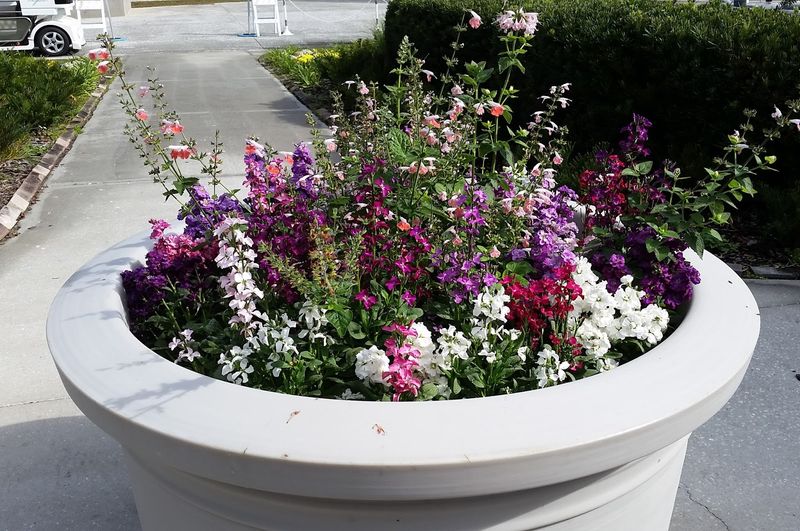
A winter garden can smell as good as it looks. Stock produces upright clusters of flowers with a spicy fragrance, making it a smart choice near a porch chair or a frequently used doorway.
Shop for Matthiola incana bedding plants with buds already forming. Starting from seed in November may not deliver the same January timing, especially if the variety needs a longer growing period.
North Florida and cooler Central Florida locations generally offer the most comfortable conditions. In South Florida, stock is a shorter-season choice best planted after persistent heat eases.
Give it plenty of sun, freely draining soil, and enough space for air to move between plants. Raised beds or containers can help where ground-level soil stays damp after rain.
Water at the base and avoid leaving the roots constantly wet. Support taller selections if needed, and remove declining flower spikes to keep the display presentable.
Unlike a spreading groundcover, stock contributes a small, upright bouquet effect. Plant a cluster beside a path rather than scattering single plants, so both the fragrance and the pastel colors have a noticeable presence.
9. Nemesia
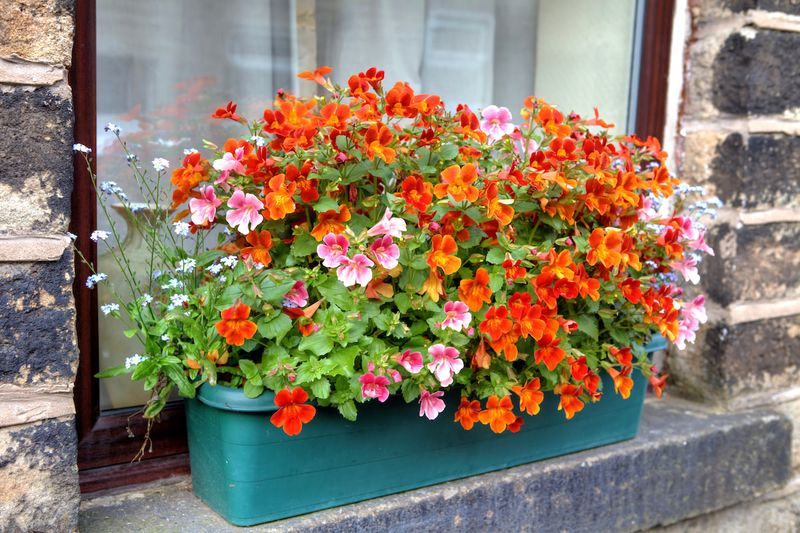
Small pots deserve something more interesting than a single oversized bloom. Nemesia fills that role with clusters of little, two-lipped flowers in colors ranging from soft peach to vivid purple.
Its compact growth makes it especially useful for porch containers, window boxes, and the front edge of mixed planters. Choose named varieties suited to cool-season bedding, since plant size and heat tolerance vary.
Set out healthy transplants in November once your local weather has cooled. North and Central Florida usually provide a better fit than persistently warm South Florida sites, where the display may be shorter and less predictable.
Morning sun and protection from hot afternoon exposure can help during warm spells. Use a container with open drainage holes, and keep the potting mix lightly moist without allowing the pot to stand in water.
If flowering slows and stems look untidy, a light trim may encourage fresh branching. Feed gently according to the product label rather than trying to force growth with extra fertilizer.
Place nemesia where people pass close by. Its detailed blooms reward a near view, making it a charming January accent beside steps or an outdoor breakfast spot.
10. Geraniums
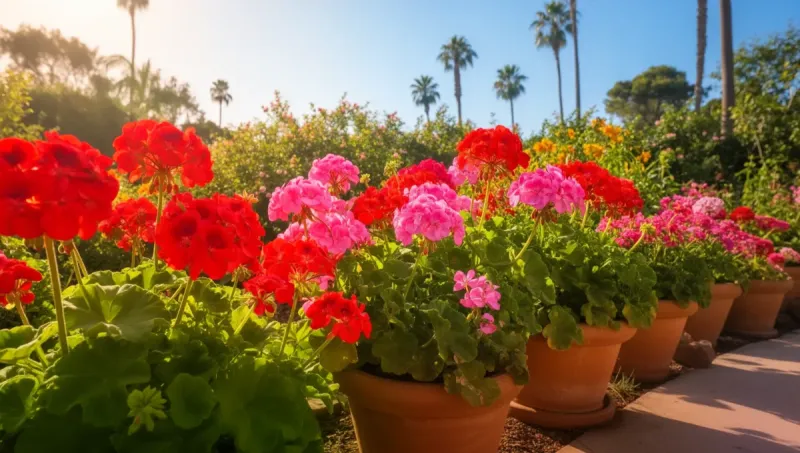
For a front-door display with real presence, rounded clusters of red geranium flowers are hard to overlook. Pink, salmon, and white varieties offer the same bold shape if red does not suit your house.
The familiar bedding geranium is usually a Pelargonium, not a hardy garden geranium. Florida gardeners often grow these plants during the cooler season, when they avoid the steamy conditions that make summer care difficult.
November planting can produce a handsome January display, particularly in Central and South Florida. North Florida gardeners can grow them too, but containers make it easier to move plants into shelter when freezing temperatures threaten.
Choose a sunny location with some afternoon protection in warmer areas. Fill pots with well-drained potting mix, and let the upper layer dry slightly before watering again.
Remove each faded flower stalk near its base rather than picking off individual petals. Keep water off the foliage when practical, and provide room around each plant to reduce damp, crowded conditions.
For an easy entry update, use matching pots on either side of the door. Buy budded plants in November so the display begins quickly and has time to fill out before January.