
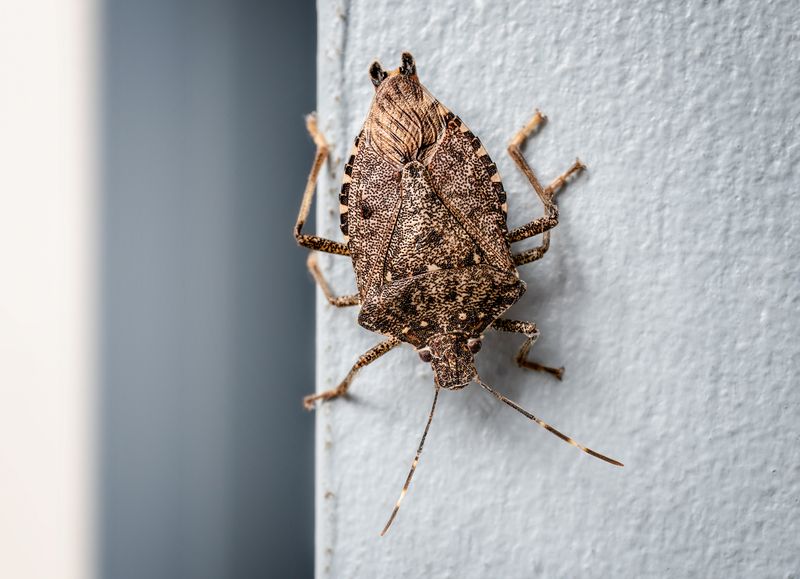
Finding stink bugs on your window frames or curtains in fall is annoying, and it makes you wonder where they came from. Many gardeners suspect the tomato bed, but the real story is more complicated.
Brown marmorated stink bugs have a clear fall routine, and knowing it helps you act smartly. Here is what is known, what is not, and one cheap trap you can set up tonight for bugs already inside.
Brown marmorated stink bugs seek shelter in fall
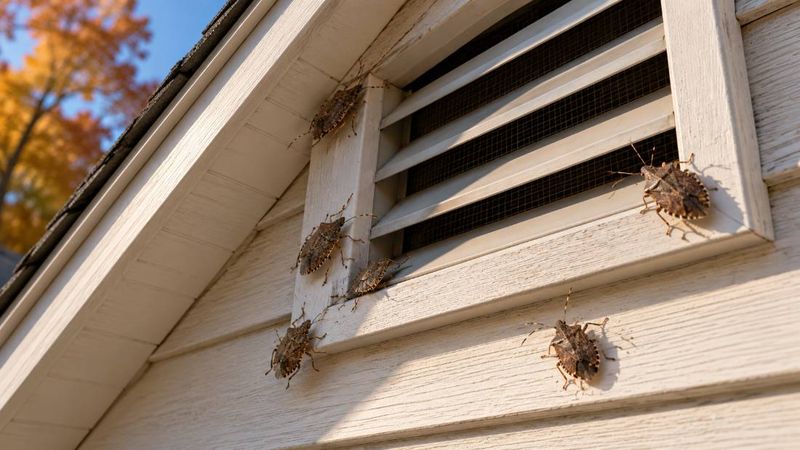
As days shorten in early autumn, adult brown marmorated stink bugs go looking for a protected place to spend the winter. EPA guidance explains that they may gather on the outside of buildings and slip inside through cracks and crevices.
That is why you might see them clustered on a sunny wall one afternoon and crawling across a ceiling a few weeks later. Warm, sheltered spots look like good winter quarters to them.
Once inside, they are more of a nuisance than a danger. They do not reproduce indoors, and they do not damage the structure of your home.
They are not trying to move in permanently, just to wait out the cold.
Keep in mind that this shelter-seeking habit is documented for brown marmorated stink bugs specifically. It does not tell you where the bugs in your own house came from, and it does not point the finger at any one yard or garden bed.
The sections ahead sort out what that means for your plants and your home.
A garden is one possible outdoor host

Brown marmorated stink bugs are not picky eaters. UC IPM notes that they feed on a wide range of plants, and that includes some vegetable and fruit crops.
So yes, a tomato or pepper plant can be one place they feed. But so can ornamental shrubs, trees, and weeds around your yard or your neighbor’s yard.
During their fall search for shelter, EPA describes them turning up in outdoor vegetation and leaf litter too. Any of those spots could be where a bug spent time before it reached your wall.
Here is a practical way to think about it. If you spot a stink bug on a squash leaf in October, you have learned that bug was in your garden.
You have not learned that your garden sent bugs into your kitchen. The source of any particular house invasion is usually uncertain, so keep your focus on what you can control.
Identify the stink bug before acting
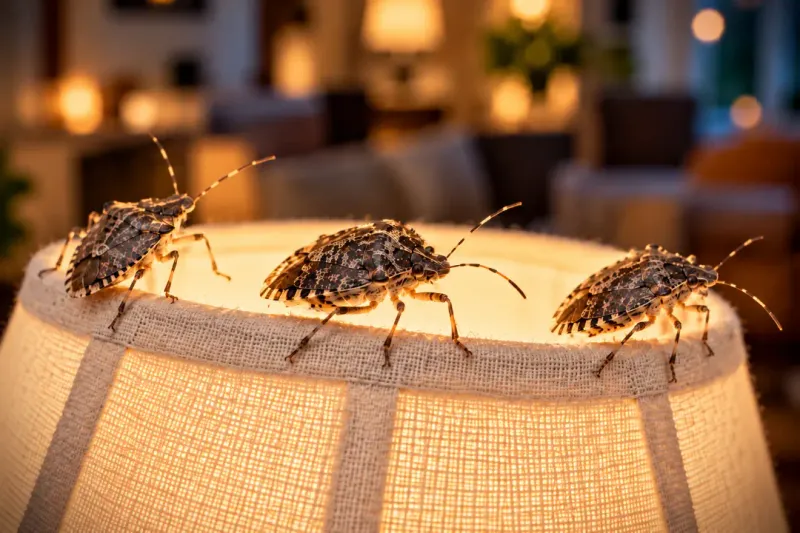
Stink bug is a broad common name, not a species. Florida has several kinds, and they do very different jobs in a garden.
According to UF/IFAS Extension in Polk County, the southern green stink bug is Florida’s common pest species, while other stink bugs are predators that benefit gardeners.
That means a shield-shaped insect on your bean plants is not automatically a villain. Some of them hunt caterpillars and other pests.
Before you reach for any control, take a clear photo and compare it with a trusted extension guide. Your county extension office can help if you are unsure.
Look at the color, the shape of the shoulders, and the plant where you found it.
Taking a minute to identify first protects the helpful insects in your beds. It also keeps you from spending time and effort on a bug that was never causing trouble.
Set the light-and-soapy-water pan indoors
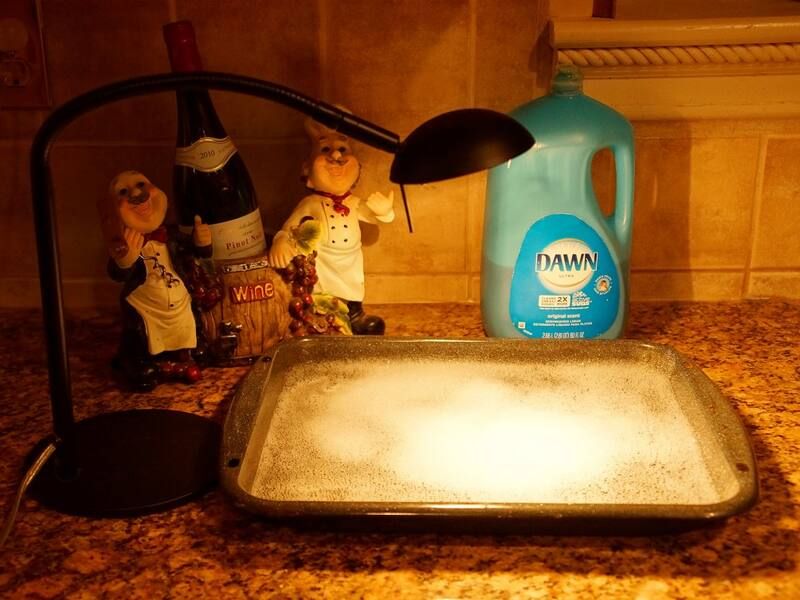
If bugs are already inside, here is a cheap trap you can build tonight. Fill a shallow pan with water and add a few drops of dish soap.
Then aim a light into the pan and set it up in a dark room where you have been seeing bugs.
UC IPM describes this setup. The bugs are drawn toward the light, fall into the water, and the soap helps keep them from climbing out.
Safety comes first. Keep any electrical lamp stable and well away from the water, and never place a plugged-in lamp where it could tip into the pan.
A University of Tennessee Extension publication specifically warns about the electrical hazard of using a power source near water.
Check the pan each morning, empty it, and refill it as needed. Repeat on following nights while bugs keep appearing.
Keep it out of reach of pets and small children.
The pan collects indoor bugs; it does not prevent entry
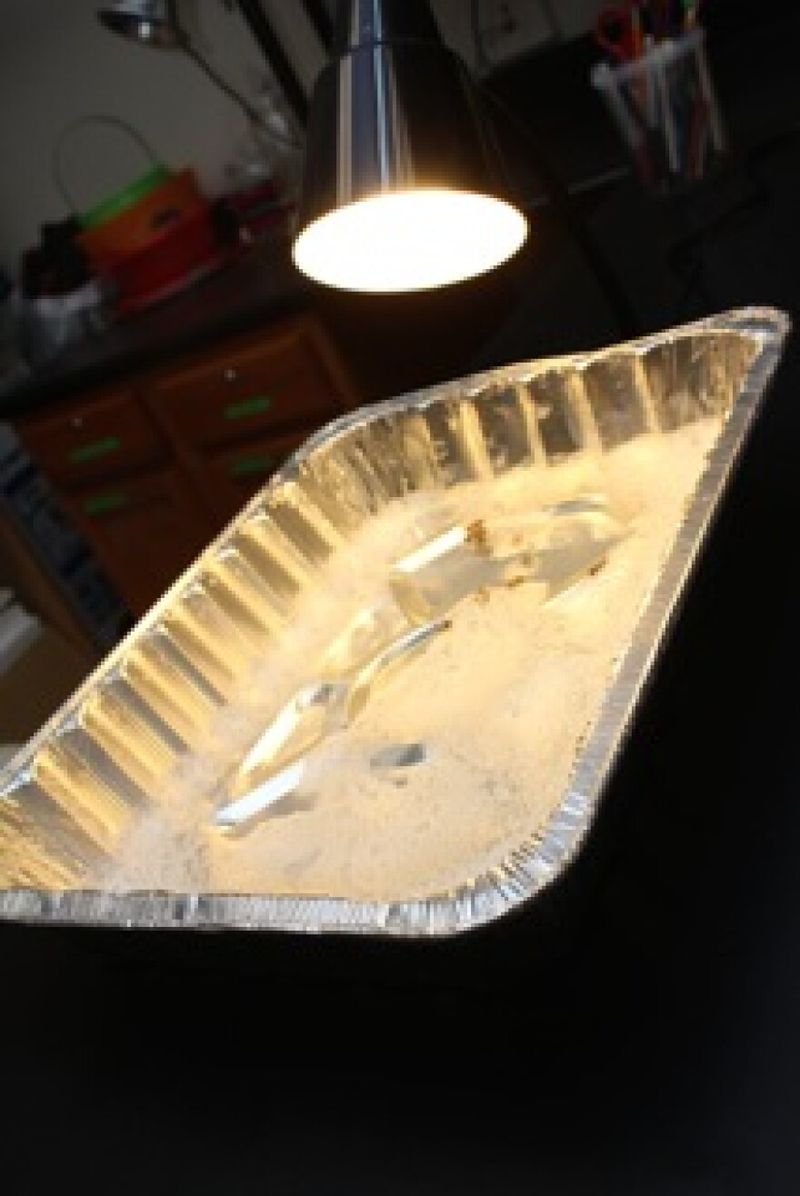
This trap has research behind it, but with limits. In a Virginia Cooperative Extension study of already-infested homes, the foil-pan trap caught more bugs than the other traps tested.
Catches varied from home to home, and the trap did not remove every bug.
Just as important, the study happened indoors during winter and spring in Virginia. It did not test outdoor prevention, a trap placed beside a garden, or fall use in Florida or Texas.
So think of the pan as a cleanup tool, not a gate. It cannot stop bugs from coming in, and it should stay inside.
Do not confuse it with outdoor pheromone or crop-monitoring traps either. Cornell Cooperative Extension warns that attractant traps may draw stink bugs from a considerable distance and could increase their numbers on a small property.
Seal gaps to reduce the chance of entry
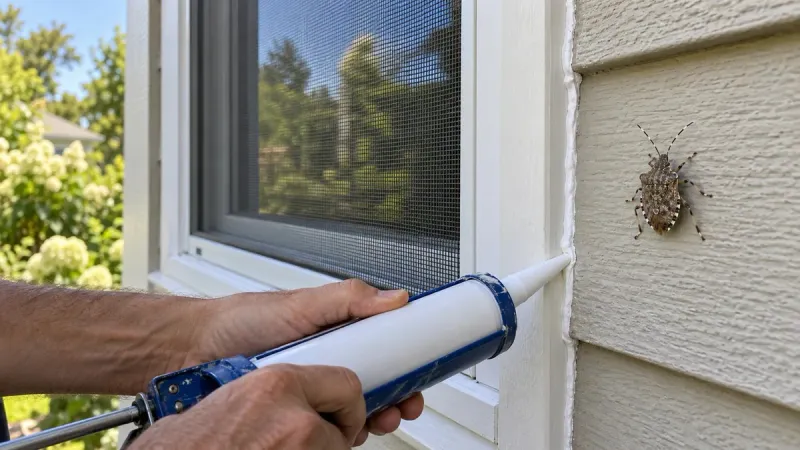
The better-supported way to keep bugs out is to close the doors they use. EPA recommends repairing screens and sealing gaps around doors, windows, vents, pipes, and the foundation.
Walk around your house on a sunny afternoon and look for torn screens, loose weatherstripping, and gaps where utility lines enter. Caulk the small cracks and patch the screens before bugs start gathering.
EPA also suggests clearing debris and edible vegetation right beside the foundation. Pulling back leaf piles and old plant material takes away spots where bugs may linger near your walls.
These steps may reduce how many bugs get inside, but they are not a guarantee. A few can still slip through, which is where the indoor pan earns its keep as a collection tool, not a barrier.
Sealing is a weekend job that pays off every fall after.