
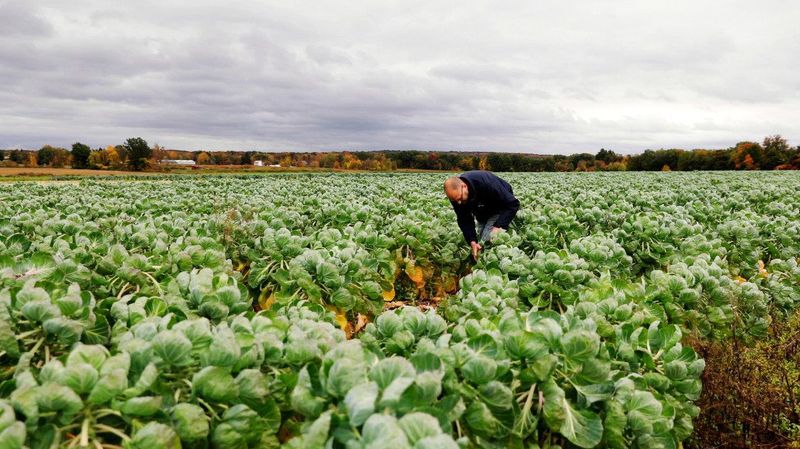
Brussels sprouts can feel like a gamble in a Southern garden. Some plants end up with tight, tidy buds, while others turn out loose, tiny, or ready all at different times.
No single trick guarantees a bigger crop, but a few steady habits tilt the odds your way. Here is what to do, what to skip, and what depends on your goals.
Decide what “more” means
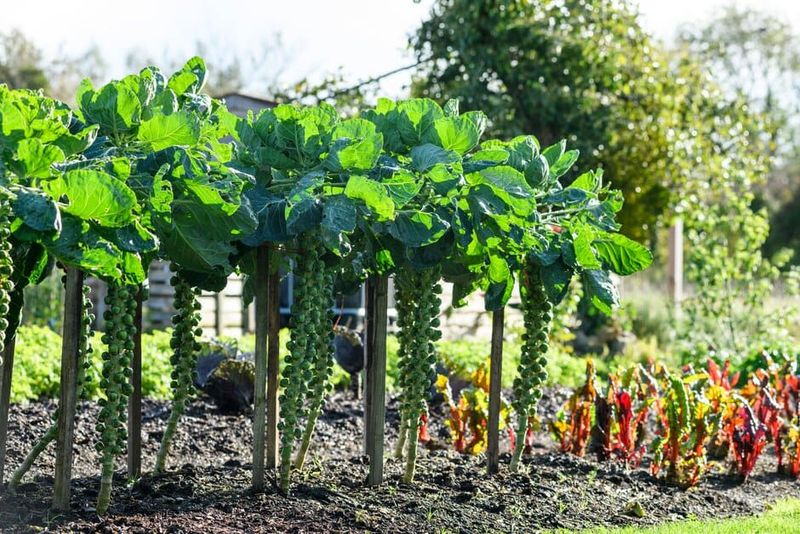
Before changing anything, decide what you want. More buds on the stalk, bigger sprouts, firmer sprouts, even sizing, and a harvest that is ready all at once are five different goals.
Advice that helps one may do nothing for another.
Topping is a good example. It means cutting off the growing tip, and gardeners often hear that it gives you more sprouts.
A New Hampshire trial found possible yield benefits under certain conditions, but it also found that topping too early could reduce yield and marketability.
Other extension guidance says topping may help synchronize sprout size and maturity. That is about evenness, not a promise of extra buds.
No proven method adds buds for every garden.
So pick your target first. If you want a long stretch of picking, you will garden differently than someone who wants one big harvest day.
Plant for cool-season conditions
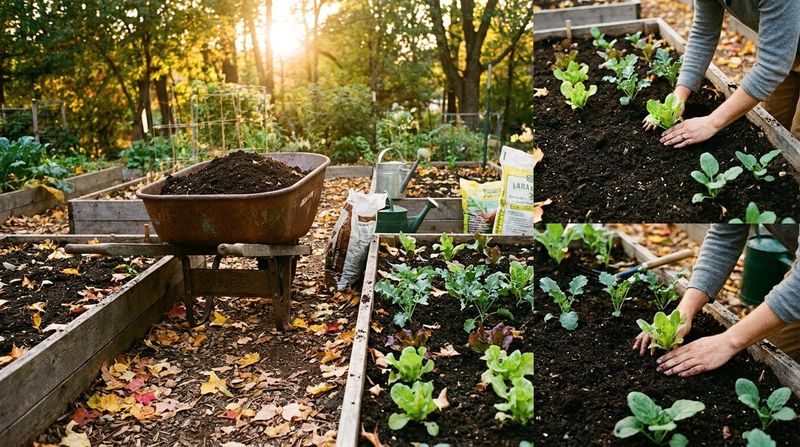
Timing does more for your harvest than almost any trick. Brussels sprouts are a cool-season crop, and heat can hurt quality or keep plants from maturing on time.
In the South, that points to fall and winter growing for many gardens.
Dates vary a lot by place. Georgia guidance recommends fall transplants from August 30 to October 1.
That is a Georgia example, not a rule for the whole South.
Florida spreads its windows out. The UF/IFAS handbook lists August to February in North Florida, September to February in Central Florida, and October to January in South Florida.
It also suggests 16 to 24 inches between plants.
Texas varies too. Texas A&M AgriLife says gardeners in regions south of Region II should grow Brussels sprouts only as a fall crop.
Check your county extension planting calendar before you buy transplants.
Keep soil moisture steady
Picture a sponge that is damp, not dripping. That is the goal for Brussels sprout soil: consistently moist and well drained.
Soggy ground is a problem, and so is a bed that swings between dry and soaked.
Utah State University advises about 1 to 2 inches of water per week and warns that moisture swings while sprouts develop can lead to splitting or bitter flavor. Treat that number as one source’s guidance.
Sandy Florida soil and heavy Texas clay will not behave the same way.
Check by pushing a finger a few inches into the soil. If it is dry down there, water deeply.
If it is wet and sticky, wait.
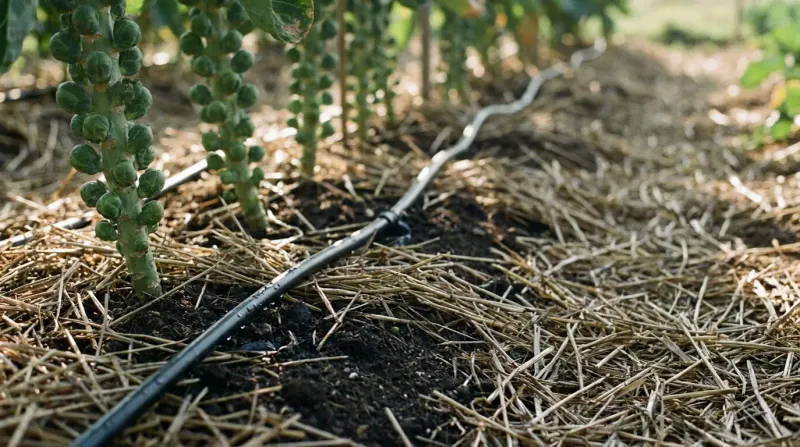
A layer of mulch may help hold moisture more evenly, and a drip line or soaker hose keeps the water at the roots.
Protect healthy leaves and scout for pests
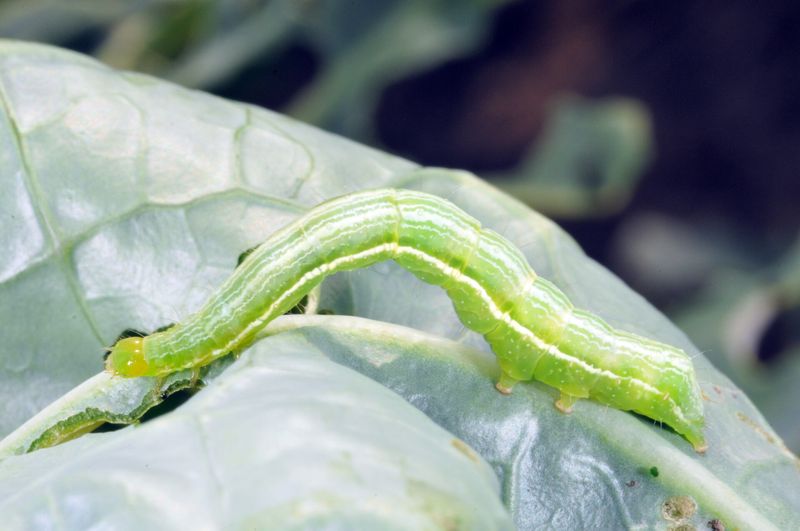
Caterpillars often hide where you are not looking. Flip leaves over and check between them and under the foliage every few days.
UGA’s fall-garden guidance points to cabbage loopers as a common concern and lists Bt as one possible control when used before damage gets excessive.
No method guarantees a pest-free crop, so regular scouting matters more than any single product. Catching a few caterpillars early is far easier than fixing a chewed plant.
You may also hear that stripping leaves forces the plant to make more sprouts. That is not a sound reason to do it.
Illinois Extension says lower-leaf removal is not essential in a home garden and advises keeping several large, healthy upper leaves intact.
Those leaves feed the plant. Pull yellow or damaged ones if you like, but leave the strong ones alone.
Use fertilizer and boron cautiously
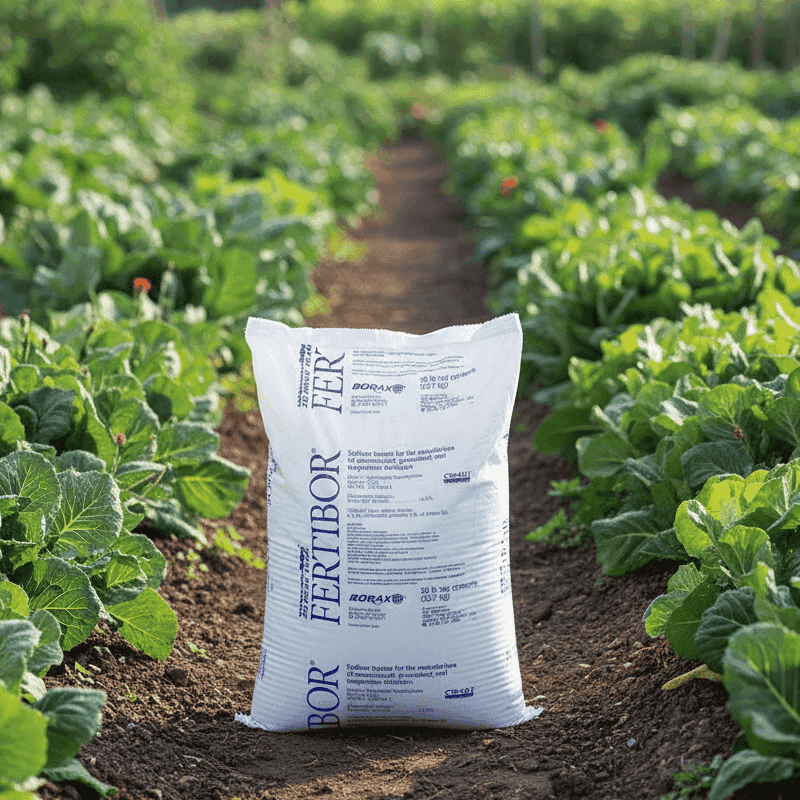
More fertilizer does not mean more sprouts. Extension advice differs by state, so no single schedule fits every garden.
Utah State cautions against extra nitrogen after sprouts begin forming, since too much can contribute to loose or splitting sprouts. In contrast, Georgia’s home-garden guide recommends continued feeding.
Neither schedule is universal, and Texas guidance is another point of reference for Texas gardeners.
The practical fix is a soil test. It shows what your bed actually needs, and your local extension office can turn the results into a plan for your region and growth stage.
Skip borax as routine care. The Georgia guide mentions it as a boron source, but UGA’s deficiency guidance says boron should be applied according to soil-analysis directions.
Add it only if a soil test or local extension advice supports it.
Treat topping as an optional technique
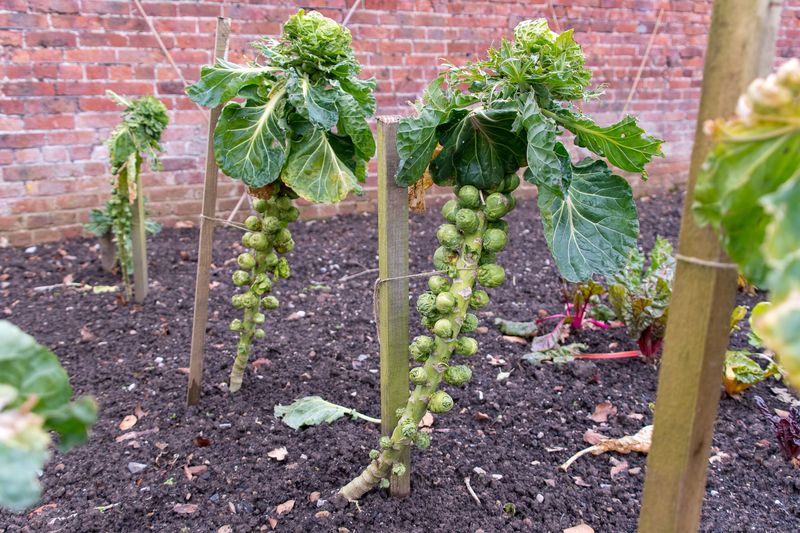
Topping means removing the growing tip at the top of the plant. The idea is that the plant stops growing taller and puts more energy into the sprouts below, which may speed up the lower ones and even out size and maturity.
Utah State says it can help synchronize sprout size and maturity. Illinois Extension mentions topping about three weeks before harvest as an example.
Treat that as a sample timeline, not a fixed rule.
The limits matter. The UNH trial found potential benefits under particular conditions, including a once-over harvest.
It did not show a guaranteed increase in bud count, and topping too early may reduce yield and marketability.
If you want to try it, do it on a few plants first. Keep the rest untouched and compare.
Choose a staged or concentrated harvest
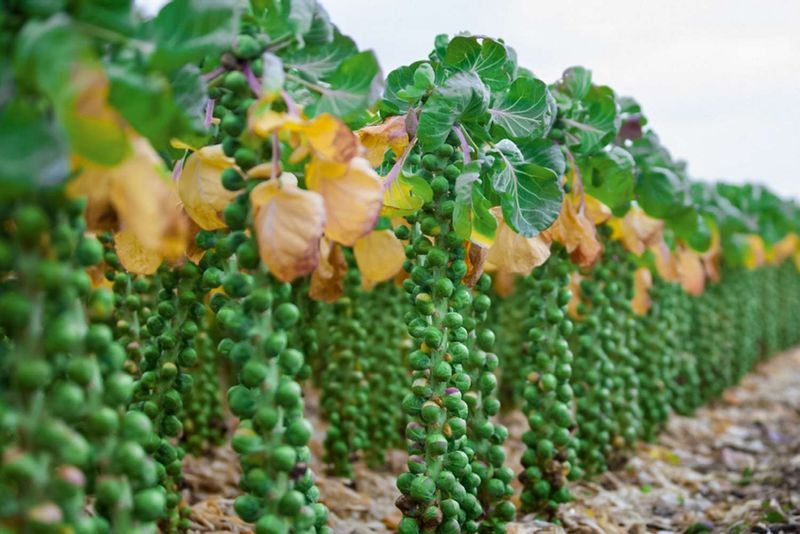
Sprouts do not ripen all at once. The ones near the bottom of the stalk mature first, and the upper ones follow.
That gives you a choice.
For a longer picking window, harvest in stages. Utah State notes that picking lower sprouts at roughly 1 to 1.5 inches can give upper sprouts more time to enlarge.
Twist or snap them off and check the stalk every few days.
If you would rather harvest everything in one go, say for freezing a big batch, a concentrated approach fits better. That is where topping may be relevant, since the UNH work looked at benefits for a once-over harvest.
Neither path promises a set yield. Start with cool-season timing that fits your county and keep the care steady.
A good stalk rewards patience more than cleverness.