
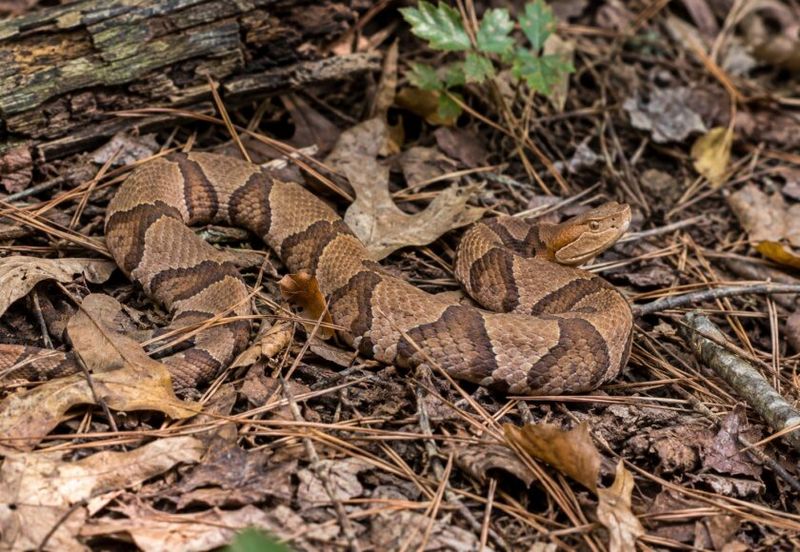
You reach into a pile of leaves, and something strikes your hand. A copperhead bite can happen fast, and what you do next matters.
Knowing a few simple steps ahead of time can keep you calm and help you get the right care. Here is a clear plan for North Carolina yards.
Copperheads use cover, but November is not a proven peak
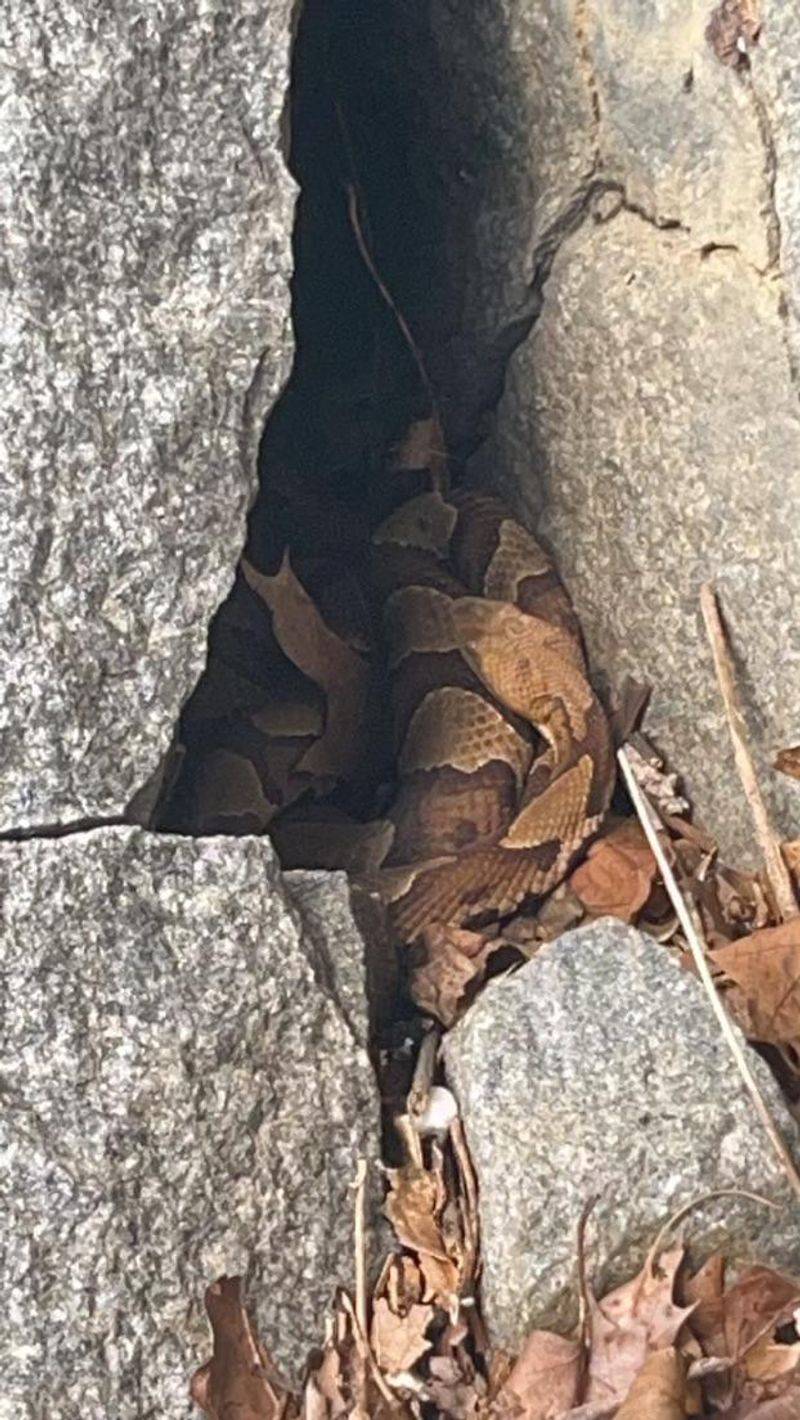
Copperheads blend in well, and they use cover such as leaf litter, brush, and logs. That is why CDC guidance for outdoor workers tells people to avoid leaf piles and watch where they put their hands and feet.
Raking or bagging leaves is a fair time to be careful.
Still, nobody has shown that November is a bite peak. The North Carolina Wildlife Resources Commission and state records show copperheads in every month except January, with most records from July through September.
Those records only tell us when snakes were reported. They do not tell us how often people get bitten in any given month.
So the takeaway is simple. A leaf pile can hide a snake at many times of year, and a bite is serious whenever it happens.
If it does, the next sections walk through what to do, step by step, starting with getting away from the snake.
Move away from the snake and call 911
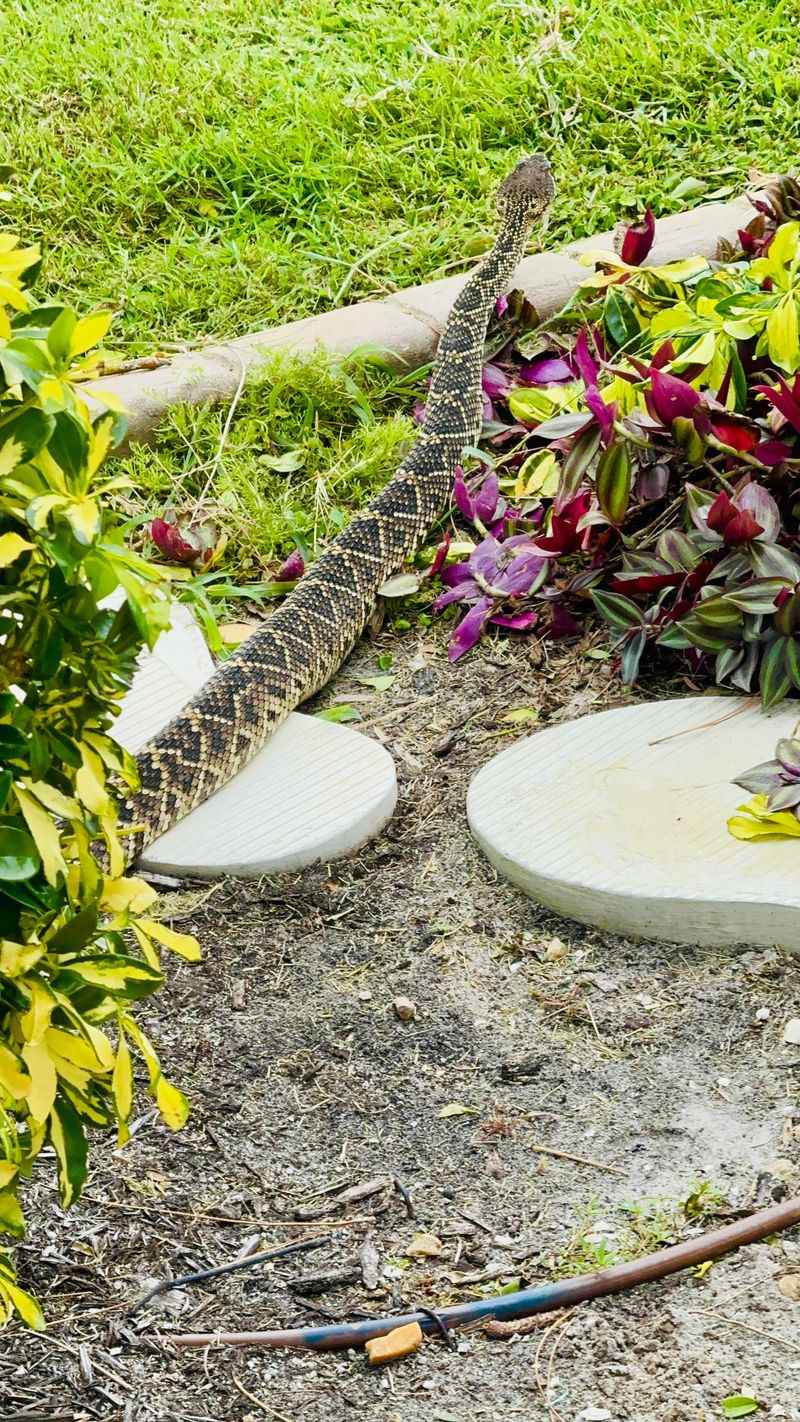
Step back first. Move a few steps away from the snake so it cannot strike again, and do not try to chase, poke, or catch it.
Once you are clear, call 911 right away for any bite that might be from a venomous snake.
The American Heart Association and American Red Cross first aid guidelines advise activating emergency services for a bite from a venomous or possibly venomous snake. Do not wait to see whether symptoms show up.
Do not spend time trying to figure out which snake it was, either. Paramedics and hospital staff can treat the person without a perfect identification.
The bitten person should not drive. CDC guidance says not to drive yourself, because pain, swelling, or nervousness can build and make driving unsafe.
Let someone else call, or let the ambulance come to you.
North Carolina Poison Control at 1-800-222-1222 can offer extra bite guidance. Think of it as a helpful resource, not a replacement for emergency care.
Call 911 first.
If a bystander can snap a photo of the snake from a safe distance without delaying anything, that may help clinicians. If it takes even a moment of extra risk or waiting, skip it.
Keep the person still while help is coming
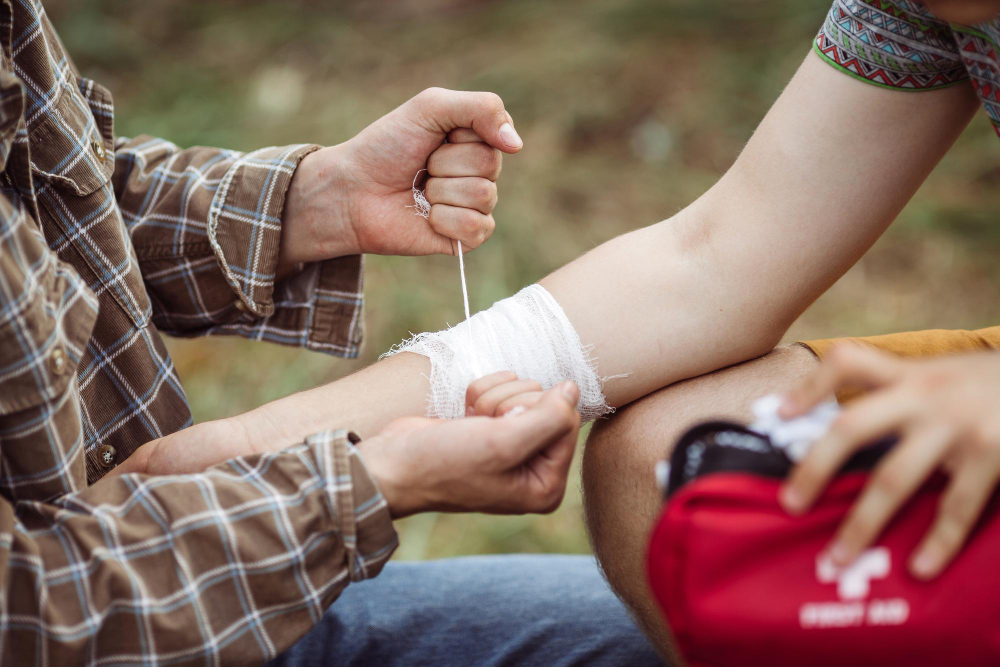
Once 911 is on the way, the goal is to keep things quiet. Have the person sit or lie down, breathe slowly, and avoid walking around.
Less exertion means less strain, and it keeps everyone calmer while waiting.
Rest the bitten arm or leg loosely, and hold it at about heart level. The 2026 Wilderness Medical Society guideline for pit viper bites and North Carolina Poison Control both point to heart level.
Do not lift the limb high above the heart. A pillow, a folded jacket, or a helper’s steady hands can support it without any tight wrapping.
Take off rings, watches, bracelets, and any tight sleeves or pant legs near the bite before swelling starts. Jewelry that fits fine now can become painful and hard to remove later.
Talk in a steady voice. Tell the person that help is coming and that they are doing the right thing.
The AHA and Red Cross guidelines emphasize rest and immobilizing the limb, so a gentle splint-like support is fine if it is loose.
Do all of this only as long as it does not slow down emergency care. If the ambulance arrives, hand things over and let the crew take it from there.
Clean and document the bite only if it will not delay care
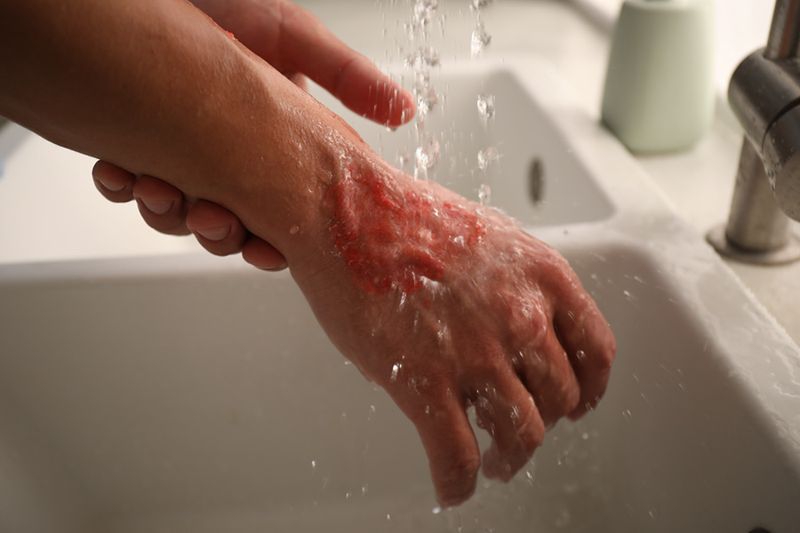
If help is already on the way and you have a spare moment, a few small steps can be useful. Gently wash the bite with soap and water.
Then cover it with a clean, dry dressing. Do not scrub hard or soak the area.
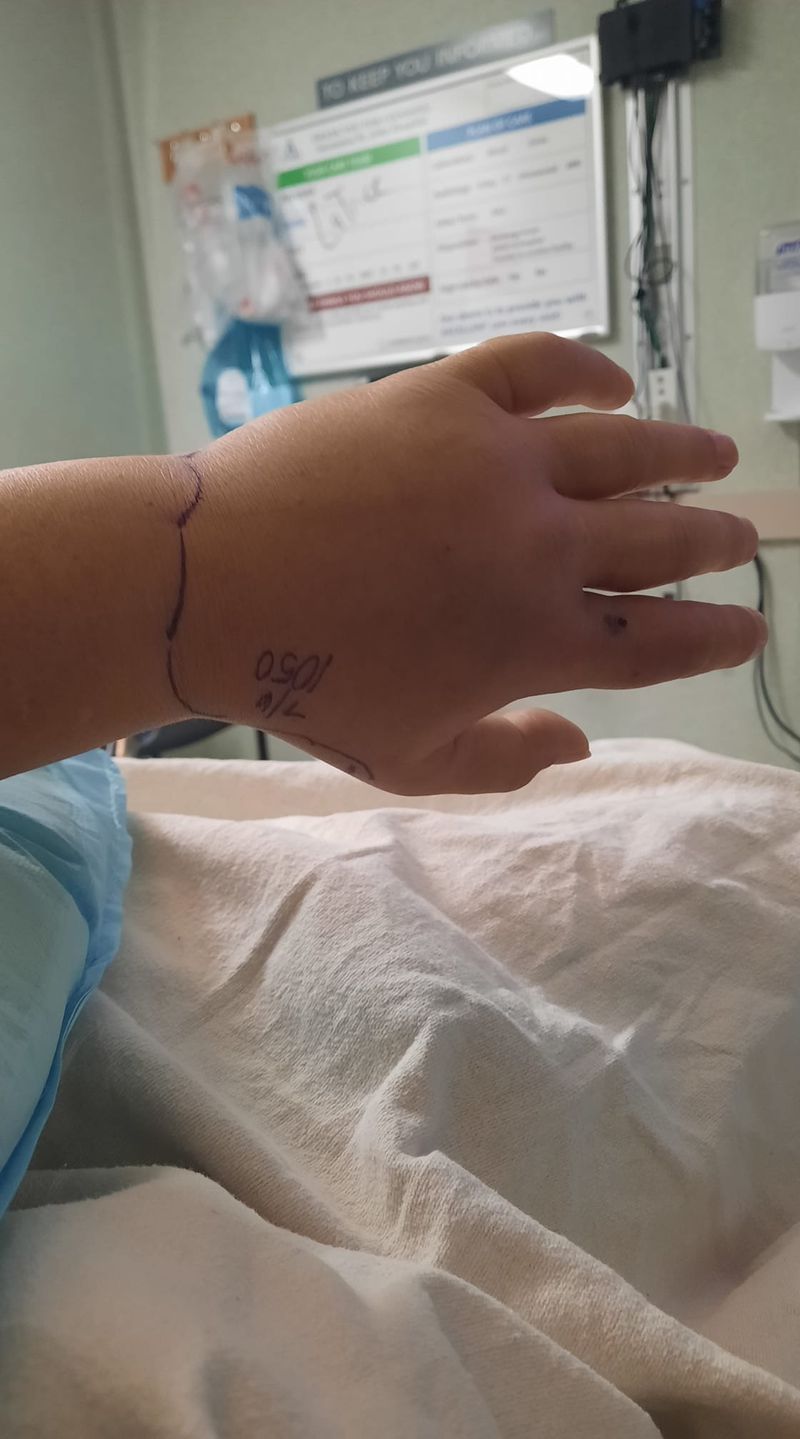
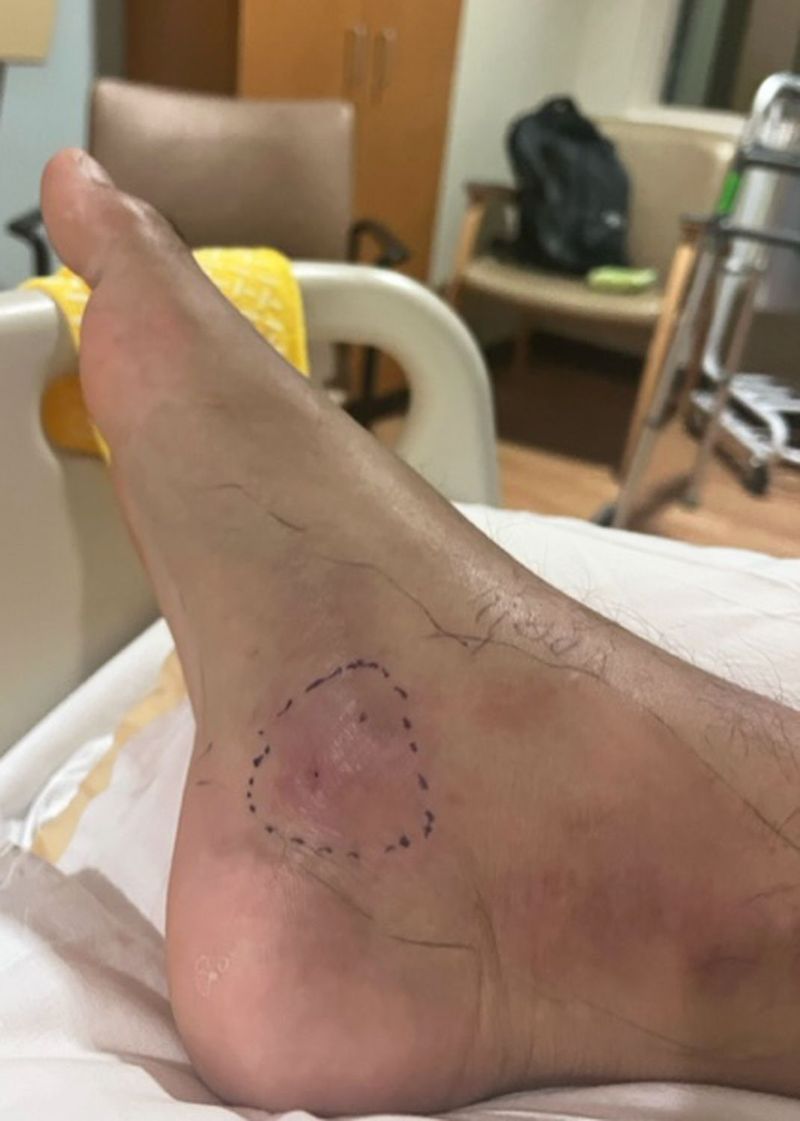
Write down the time of the bite, or note it in a phone. If swelling starts, some people mark the edge with a pen and add the time.
Paramedics and doctors can then see how fast things are changing.
A photo of the snake can help clinicians, but only if someone can take it from a safe distance. CDC guidance notes this kind of photo as a possible aid, and also warns against handling the animal.
Never approach, capture, or kill the snake. That is how second bites happen.
Treat all of this as optional. If cleaning, marking, or photographing slows down the call to 911 or the trip to care, drop it and focus on getting help.
Avoid home remedies that can make a snakebite response worse
Movies make snakebite remedies look heroic. In real life, several of them do harm.
Do not cut the wound, and do not try to suck out venom with your mouth or a device.
The AHA and Red Cross first aid guidelines describe these methods as ineffective, potentially harmful, or not recommended for North American snakebites. Ice, for example, does not help and can cause its own injury to skin and tissue.
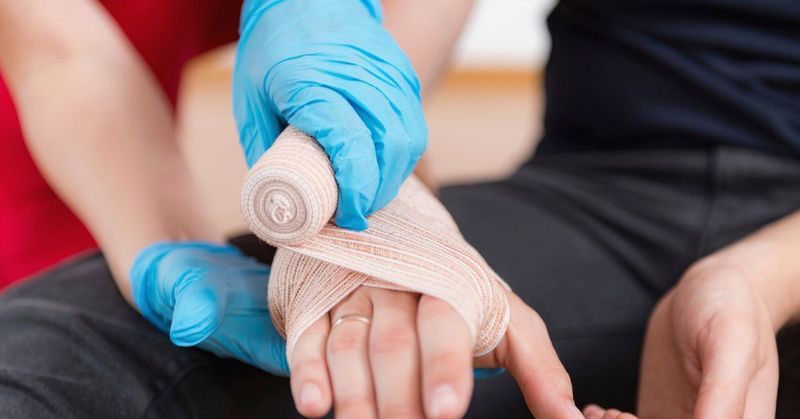
Skip the tourniquet and any tight pressure bandage too. Tight wraps can trap swelling and cause more damage to the limb.
The Wilderness Medical Society guideline is a good reference for how clinicians approach pit viper bites, and it does not rely on these tricks.
Also never use electric shock, such as a stun gun or a spark plug device. It does not neutralize venom and can burn or injure the person.
The best move is the plain one: call 911, stay still, and let trained responders handle treatment.
Clinicians assess the bite and decide whether treatment is needed
At the hospital, the team will look at the bite, ask when it happened, and watch how the area changes over time. Swelling, pain, and other signs can progress after the first look, so observation is a normal part of care.
Treatment depends on what they find. Antivenom may be used when it is clinically indicated, but not every copperhead bite needs it.
A peer-reviewed study of copperhead envenomation managed in a clinical decision unit describes this approach of monitoring and treating based on symptoms and progression. The 2026 Wilderness Medical Society guideline supports the same kind of clinical decision making.
Here is the part that surprises people: you cannot tell at home whether a bite was dry, meaning no venom was injected. A bite that looks mild at first can change.
That is why a medical check matters even if the person feels fairly well.
It may be reassuring that copperhead bites are often less severe than bites from some other pit vipers. Even so, the North Carolina Wildlife Resources Commission treats a bite as serious, and painful, progressive local injury can happen.
Expect questions, exams, and possibly a stay for observation. That is the system doing its job, not a sign that something went wrong.
Treat a suspected bite as an emergency, not a wait-and-see problem
Move away from the snake, call 911, keep the person still, and get medical assessment. Do not wait to see whether symptoms develop, because first aid guidelines and CDC guidance call for emergency help.
Leaf piles will always be part of fall yard work. A good pair of boots and a long-handled rake are cheap, and a phone in your pocket is cheaper still.