
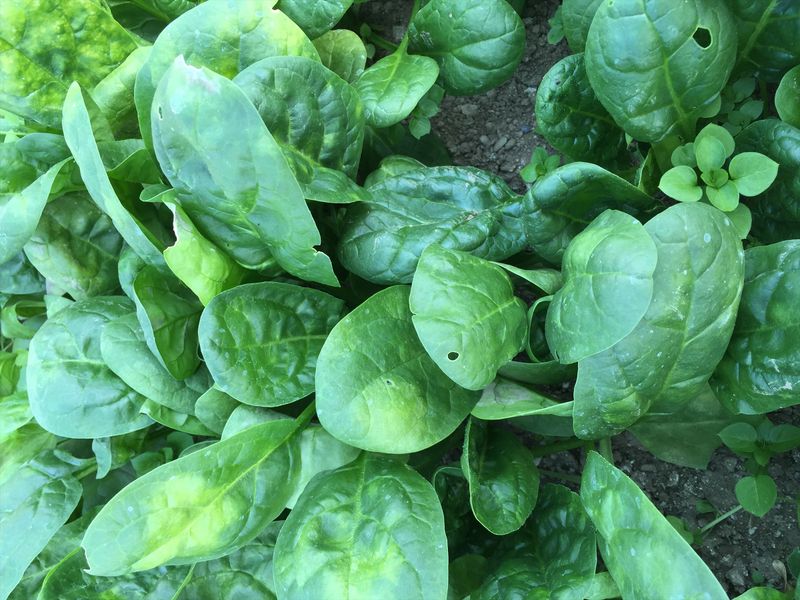
Your fall spinach was looking great, and then yellow patches started showing up on the leaves. Flip one over, and you might find a fuzzy gray coating underneath.
That combination is a classic clue for a disease called downy mildew, though it is not proof on its own. Knowing what to look for, and what to change in your bed this week, can help you protect the plants you still have.
Inspect the undersides for the characteristic pattern
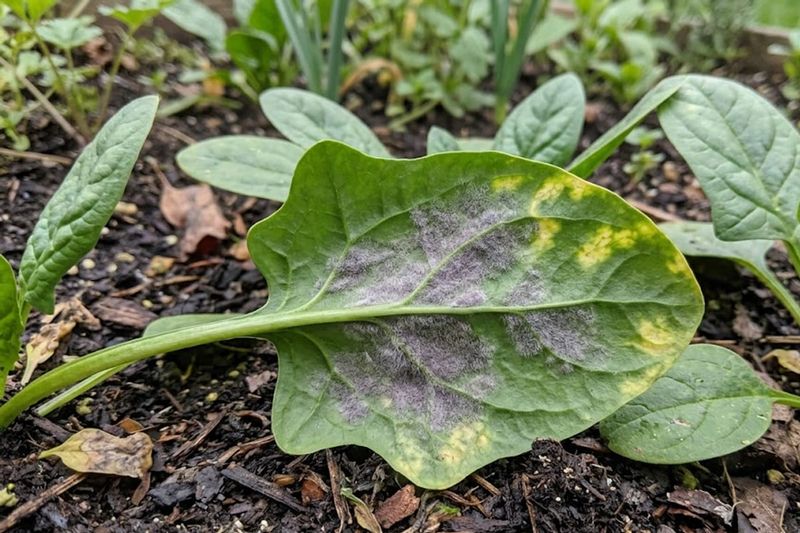
Start with the leaves that look worst. UC IPM guidance describes spinach downy mildew as yellow to light-green spots on the top of the leaf, with downy growth on the underside, often right below the discolored areas.
The fuzz can look gray, purple-gray, or whitish.
Older lesions may turn tan or brown and dry out. The fuzzy growth can also fade once leaves dry, so a leaf that looked fuzzy at dawn may look bare by afternoon.
That is why morning is the best time to look. Cornell Extension notes the spore-producing growth forms overnight and is easiest to see early in the day.
The cause is an oomycete, a water mold relative, commonly called Peronospora effusa, according to UC Davis identification guidance. Treat this pattern as a strong clue, not a confirmed diagnosis.
Compare the growth with white rust
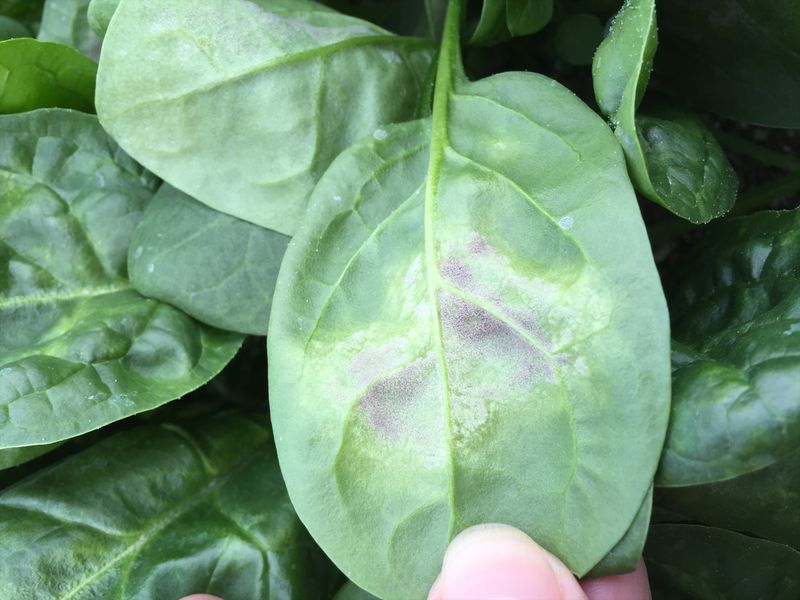
Yellow leaves alone cannot settle the question. Several problems turn spinach yellow, and white rust is the main look-alike to rule out.
Downy mildew usually shows a diffuse, fuzzy mat underneath, in gray, violet-gray, or whitish tones. White rust tends to form distinct white, blister-like pustules on the underside instead, more like small raised bumps than a soft fuzz.
Texas gardeners should pay special attention here. The Texas A&M AgriLife plant disease handbook identifies white rust as the major spinach disease in the state.
Photos in a Cornell downy mildew gallery can help you compare the look of the growth.
Even so, appearance does not always give certainty. Not every yellow leaf has either disease, so look closely at the texture before deciding.
Cool, moist conditions can favor downy mildew
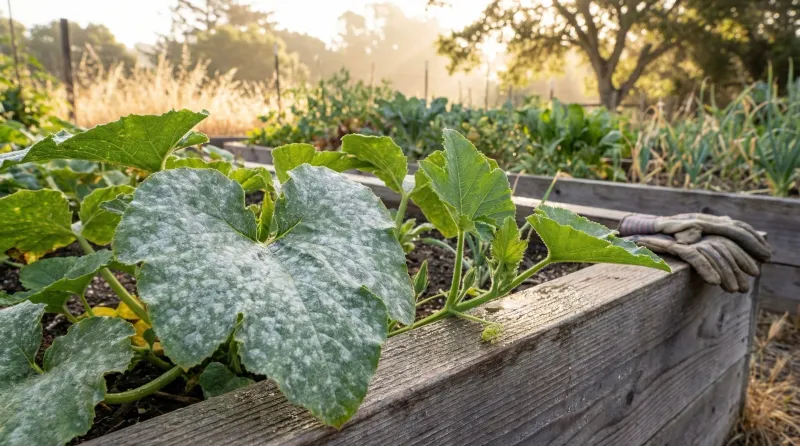
Downy mildew likes the same weather spinach does. Cool temperatures, high humidity, long stretches of wet leaves, and crowded plantings that hold moisture can all favor disease, as described by Cornell Extension.
A peer-reviewed review of the disease cycle points the same way.
Sources do not fully agree on one detail. UC IPM says free moisture on the leaf is necessary for infection, while Cornell says high humidity may be enough.
Either way, the practical goal is the same. Keep leaves from staying wet, and keep the air inside the canopy from getting stuffy.
Weather that favors the disease does not guarantee infection, and no single watering hour is proven to prevent it.
Direct water to the soil, not the leaves

Here is a correction to a popular tip. Watering in the morning is not an established treatment for downy mildew.
What the guidance supports is limiting how long foliage stays wet.
That means drip irrigation, a soaker hose, or careful hand watering right at the soil line, rather than sprinkling the leaves. UC IPM and Utah State University Extension both point toward keeping foliage dry.
Morning still has a job, but it is inspection. Cornell notes that the fuzzy growth is easiest to spot early, so use that time to check leaf undersides.
Switching your watering method may reduce risk for healthy leaves. It cannot be promised to cure leaves that are already infected.
Reduce moisture and remove infected crop debris
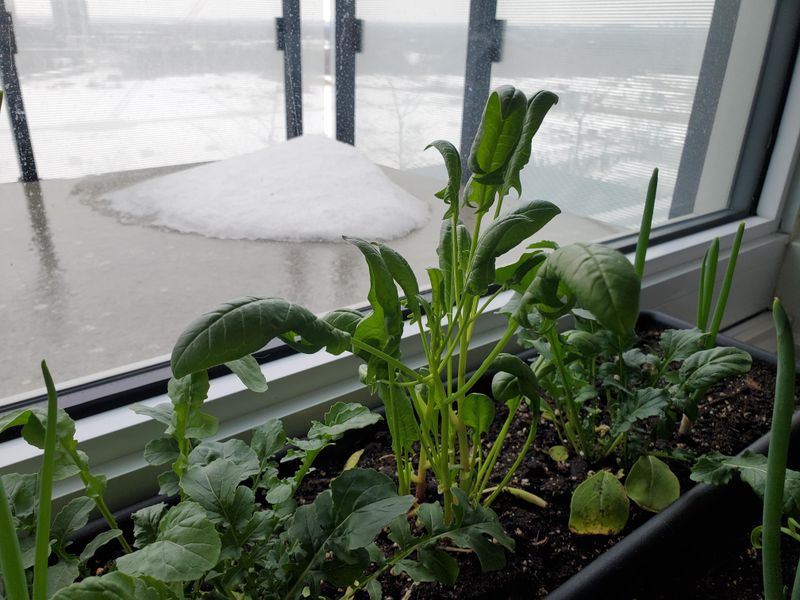
Once watering is sorted out, look at how crowded the bed is. Spacing plants so air can move through them helps leaves dry faster, and thinning dense patches cuts down on trapped humidity.
UC IPM lists these steps among its home garden recommendations.
Sanitation matters too. Pull badly affected plants and bag them rather than leaving infected debris in the bed, and clear out leftover residue at the end of the season.
For future plantings, ask about resistant cultivars. Cornell Extension explains that resistance varies by pathogen race, so a resistant variety may not hold up against every strain.
Think of all of this as lowering your risk, not a guarantee. Plants may still struggle, and it is best not to count on a quick fix from a spray.
Use the symptoms to guide your next step, not to assume a diagnosis
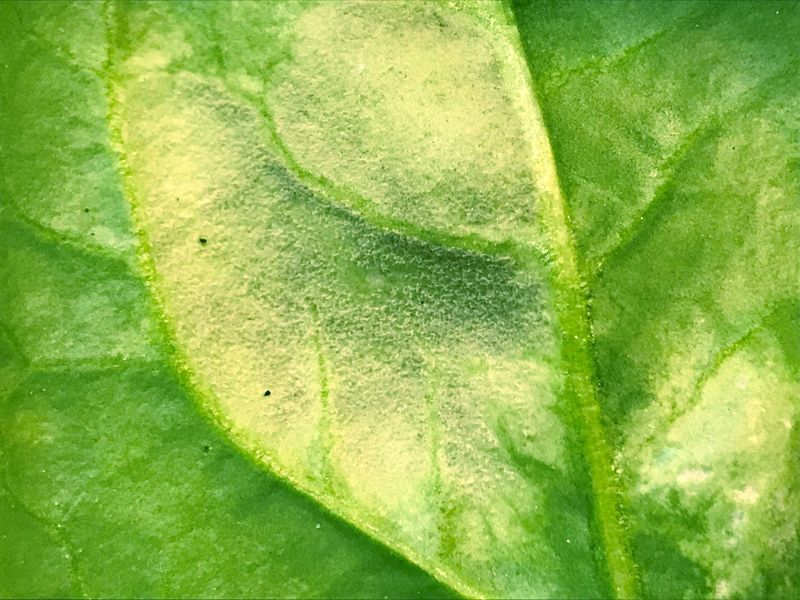
A simple sequence can keep you from guessing. First, check whether the yellow patches have fuzzy growth directly beneath them, ideally in the morning.
Second, compare the texture and color. A diffuse gray, purple-gray, or whitish fuzz leans toward downy mildew, while distinct white blister-like pustules point toward white rust, which the Texas A&M handbook flags as a major spinach problem in Texas.
Third, start keeping water off the leaves while you assess the rest of the bed, following the UC IPM home garden guidance.
That fuzzy pattern strongly suggests downy mildew, but it does not confirm it. Your spinach is giving you clues, and the leaf undersides tell the story.