
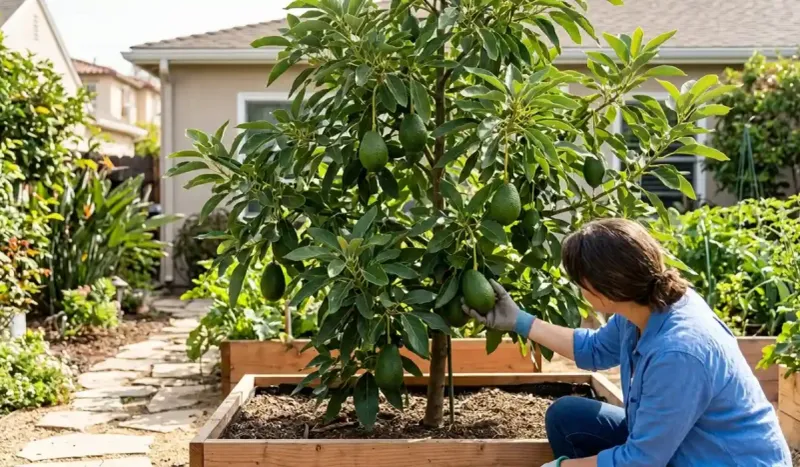
You do not need an orchard to pick your own lemons, peaches, and avocados in California. A small patio, a narrow side yard, or a few big pots can hold more fruit than most people expect.
The trick is choosing dwarf and compact trees that stay small, sip water wisely, and still feed bees and birds along the way. Here are nine trees that can turn a tiny yard into a real harvest.
1. Improved Meyer Lemon
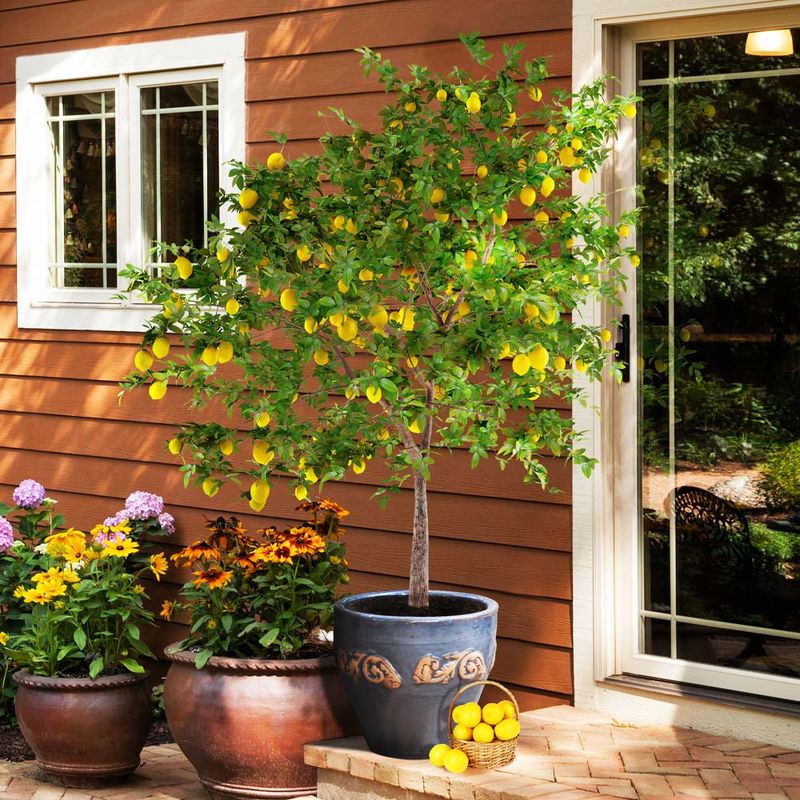
Ask almost any California gardener which tree they would keep if they could only have one, and a Meyer lemon tends to win. It blooms on and off through much of the year, and the blossoms smell like a perfume shop.
On dwarf rootstock, an Improved Meyer usually stays around 6 to 10 feet tall, and it can be kept even smaller in a half-barrel. The fruit is sweeter and less sharp than a grocery store Eureka, which makes it great for lemonade, dressings, and baking.
Plant it in the sunniest, most sheltered spot you have, like a south-facing wall that holds warmth. Water deeply, then let the top couple of inches of soil dry before watering again.
Drip irrigation on a timer can cut waste during summer water restrictions.
Citrus blossoms draw honeybees and native bees, so skip broad-spectrum sprays when flowers are open. If aphids show up, a strong blast of water often handles them.
2. Bonanza Dwarf Peach
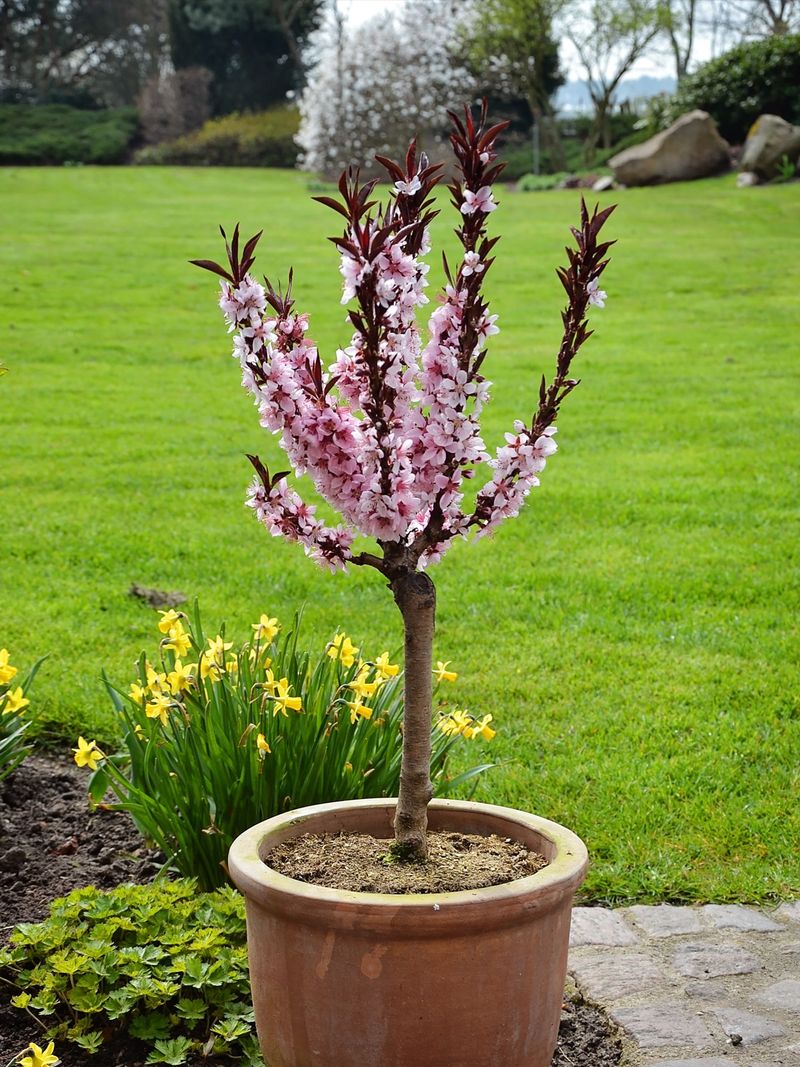
Picture a peach tree you can harvest without a ladder. Bonanza is a genetic dwarf that often tops out around 5 or 6 feet, yet it produces full-size, yellow freestone peaches.
Its spring show is a big part of the charm. Pink blossoms cover the branches before leaves fill in, and early bees get one of the first meals of the season.
Bonanza is rated for roughly 250 to 500 chill hours, so it can do well in many inland valleys and some milder coastal areas. A large container works, though give it at least a 20-gallon pot and fast-draining soil.
Spray copper or lime sulfur in late winter if peach leaf curl is common near you. Thin small fruit in spring so the rest size up nicely.
3. Little Cado (Wurtz) Avocado
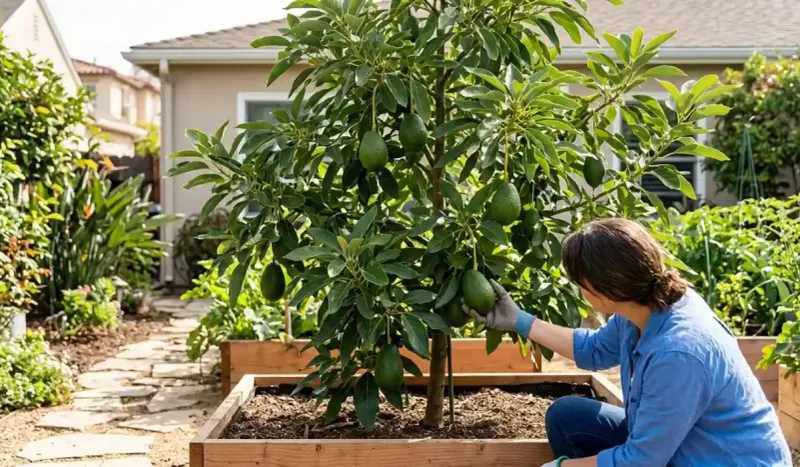
Most avocado trees want to be giants, easily 30 feet or more. The Wurtz, sold as Little Cado, breaks that rule with a slow, weeping habit that often stays near 8 to 12 feet.
That size makes it one of the few avocados that can live in a big pot or tucked into a corner bed. The fruit is a Type A, Hass-like green avocado with creamy flesh, and it can hang on the tree for months, so you pick as needed.
Avocados hate soggy roots. Plant on a mound, add a thick layer of wood chip mulch, and water deeply but not too often.
Frost is the main risk, so it fits coastal and frost-light zones best. In colder inland spots, keep it near the house where it may stay a few degrees warmer.
4. Bearss Lime
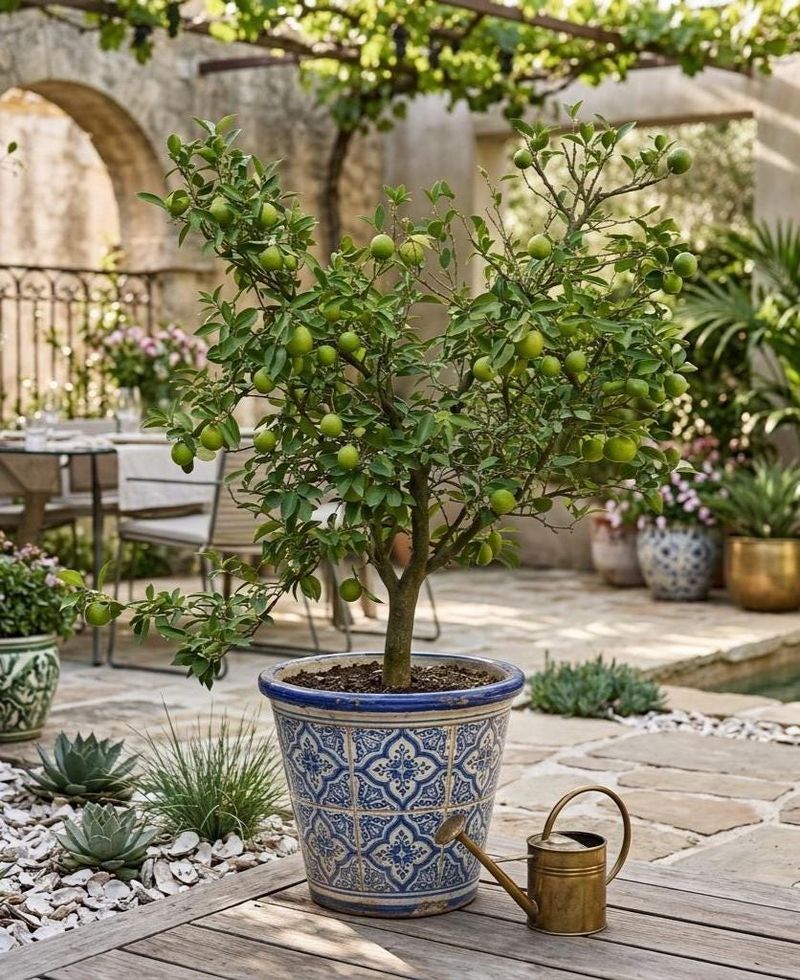
Taco night gets a lot better when the limes come from ten steps away. Bearss, also called Persian or Tahiti lime, gives seedless, juicy fruit and blends right into a patio garden.
On dwarf stock it usually stays under about 10 feet, and pruning keeps it shorter. Its fruit ripens mostly in late summer through winter, filling the gap when your peaches are done.
Limes feel cold more than lemons do. Give this one your warmest pocket and a frost cloth for chilly nights.
Feed with a citrus fertilizer in spring and summer. Yellowing leaves often mean it needs nitrogen or more iron.
5. Babcock White Peach
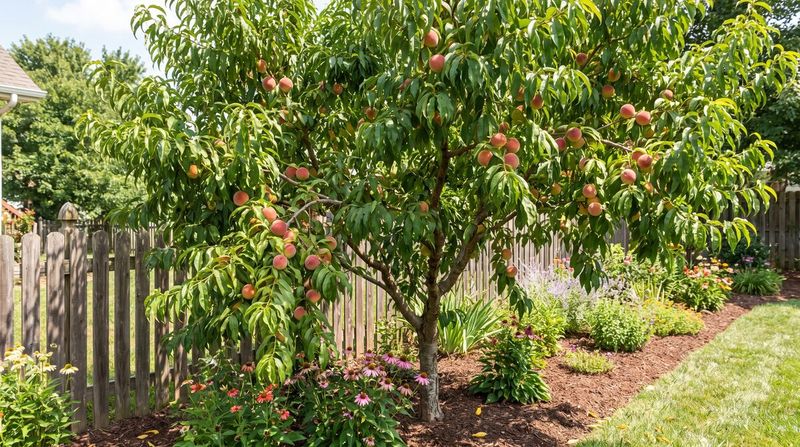
Born in California in the 1930s, Babcock is a classic white peach with low acid and a sweet, almost floral flavor. It is a semi-standard tree, so it grows bigger than Bonanza.
Here is the secret that small-yard growers love: summer pruning. By cutting it back each year, many people hold Babcock to 6 or 7 feet, which some call backyard orchard culture.
It needs only about 250 chill hours, so it works across much of Southern California and warmer parts of the north. Water deeply as fruit swells in early summer, then ease off after harvest.
6. Holiday Avocado
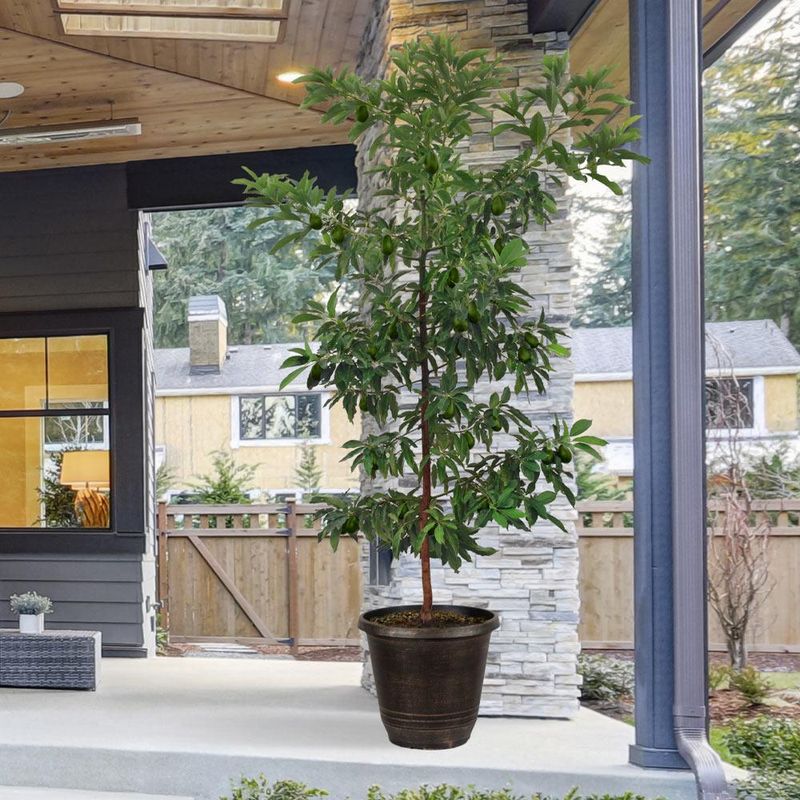
Some trees earn their name honestly. Holiday avocados tend to ripen from late fall into winter, giving you homemade guacamole for holiday parties.
Like Little Cado, it has a compact, weeping shape and often stays around 10 to 15 feet, smaller with pruning. The fruit is big and buttery, and the tree may bear while still quite young.
Holiday is Type A as well, which means it may not pair best with Little Cado for pollination. Adding a Type B avocado nearby, or living near neighbors who grow one, could boost your crop.
Keep the trunk shaded with leaves or whitewash, since avocado bark can sunburn in hot inland summers.
7. Dwarf Kumquat
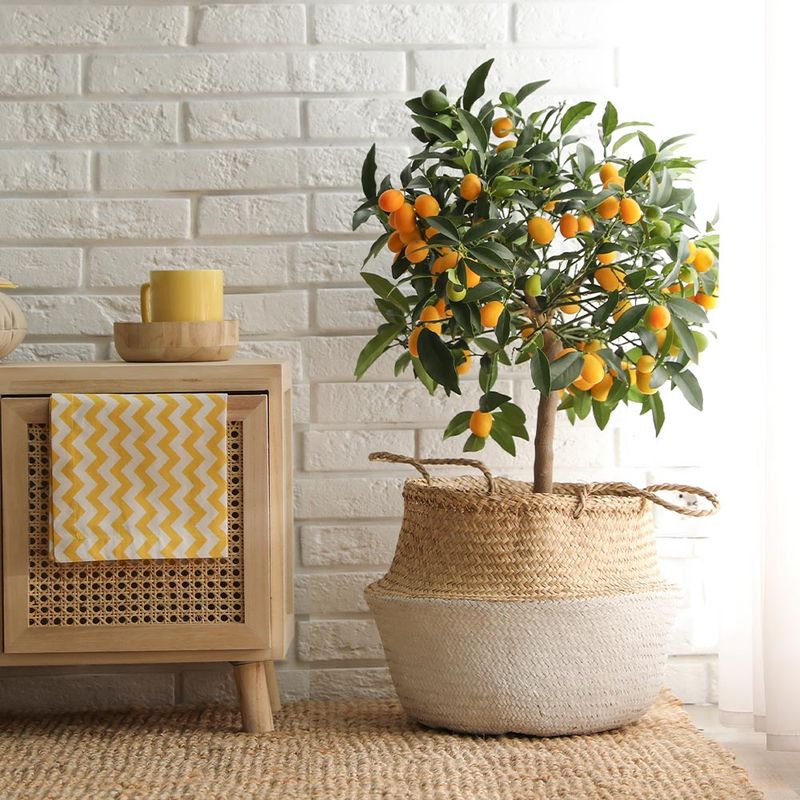
Kids tend to love kumquats because you eat the whole thing, peel and all. The skin is sweet and the inside is tart, so every bite is a little surprise.
Nagami kumquat stays tidy, often 4 to 6 feet in a pot, and it is one of the more cold-hardy citrus choices. That makes it handy for inland gardens where nights dip lower in winter.
It also looks great by a front door, with glossy leaves and bright orange fruit that may hang for weeks. Water when the top inch is dry and give it full sun.
8. Garden Gold Dwarf Nectarine
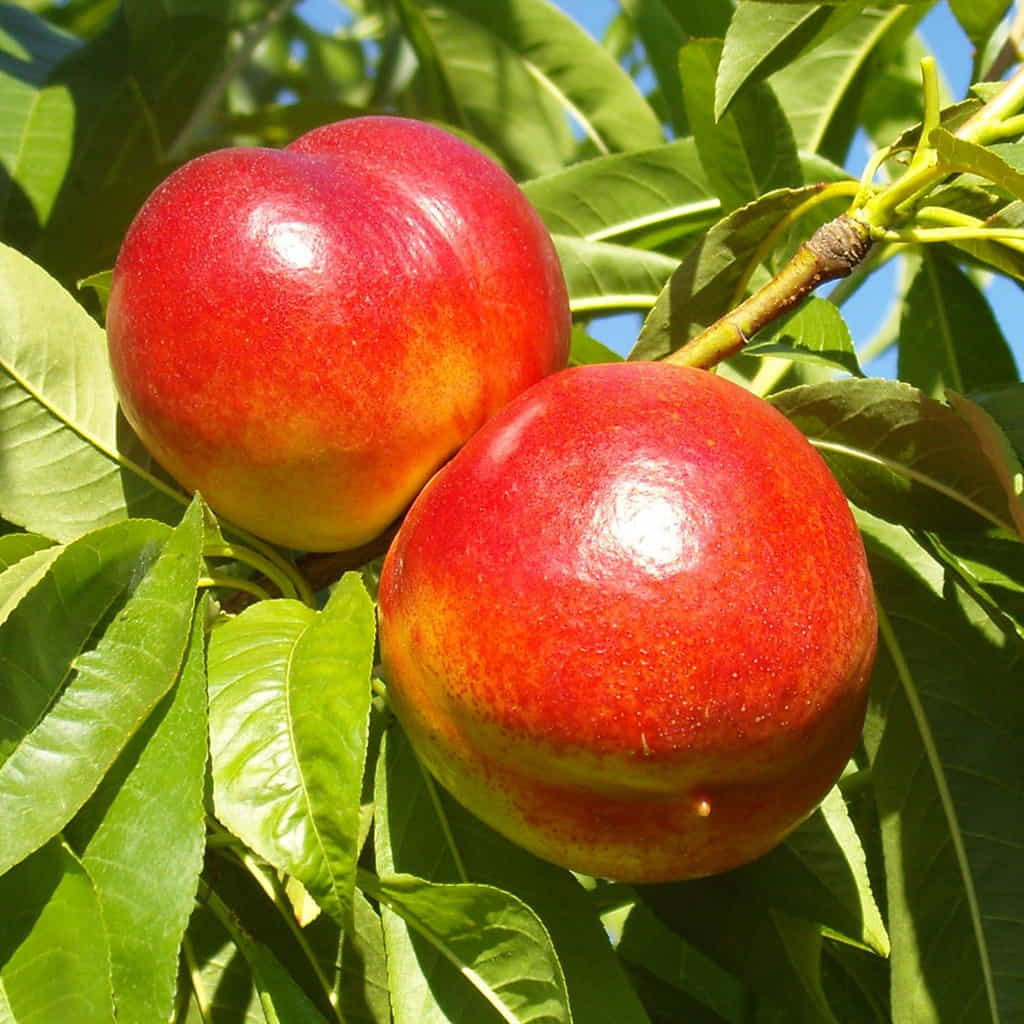
Love peaches but not the fuzz? A genetic dwarf nectarine like Garden Gold or Necta Zee packs smooth-skinned fruit onto a plant about 5 to 6 feet tall.
It pairs well with a dwarf peach because both bloom in spring and feed early pollinators. Fruit usually ripens midsummer.
Check the chill-hour rating before buying, since some dwarf nectarines need more winter cold than coastal yards get. Inland valleys usually suit them best.
9. Four-in-One Multi-Graft Citrus
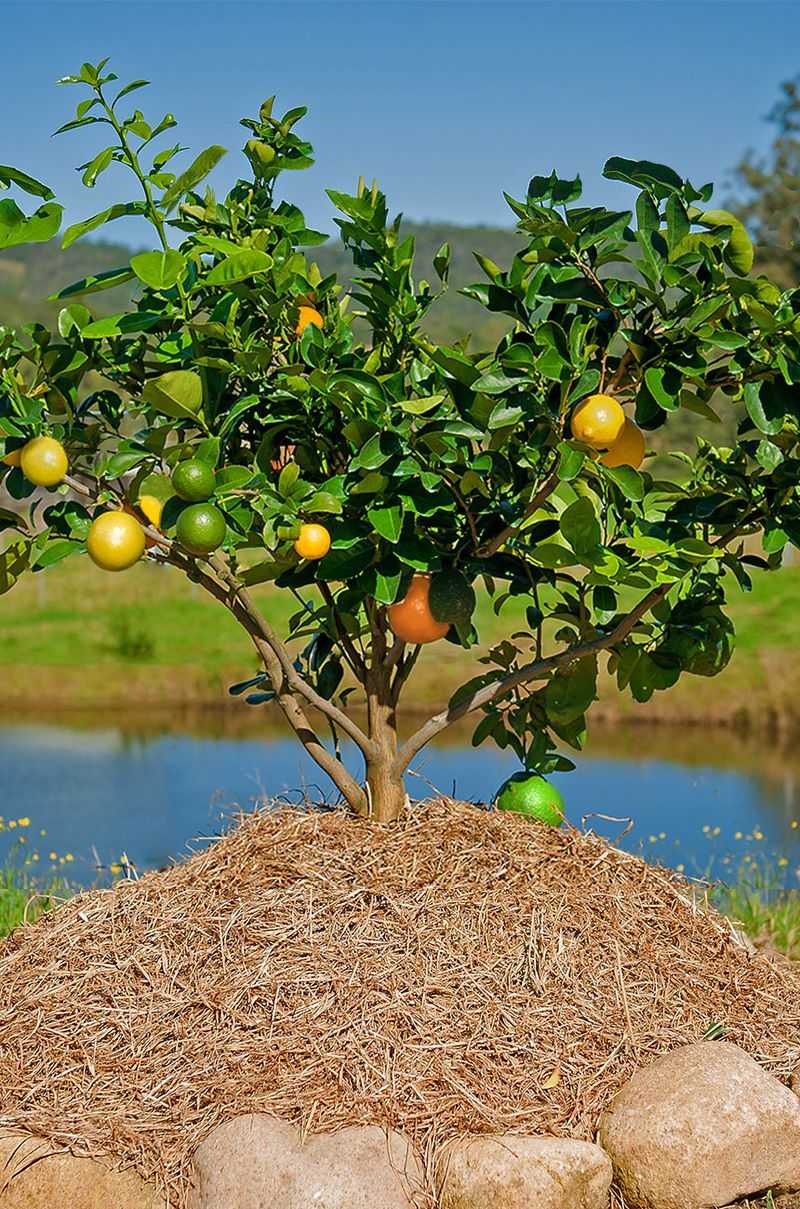
Short on space but greedy for variety? A multi-grafted citrus tree can carry lemon, lime, orange, and grapefruit branches on one trunk.
Nurseries graft several types onto a single rootstock, so you get a mini citrus grove in one spot. It is the most efficient use of a tight yard on this list.
The catch is balance. Stronger branches may take over, so prune the vigorous ones and let weaker grafts catch up.
Mark each graft with a tag so you never cut the wrong one. Water and feed it just like any citrus.