
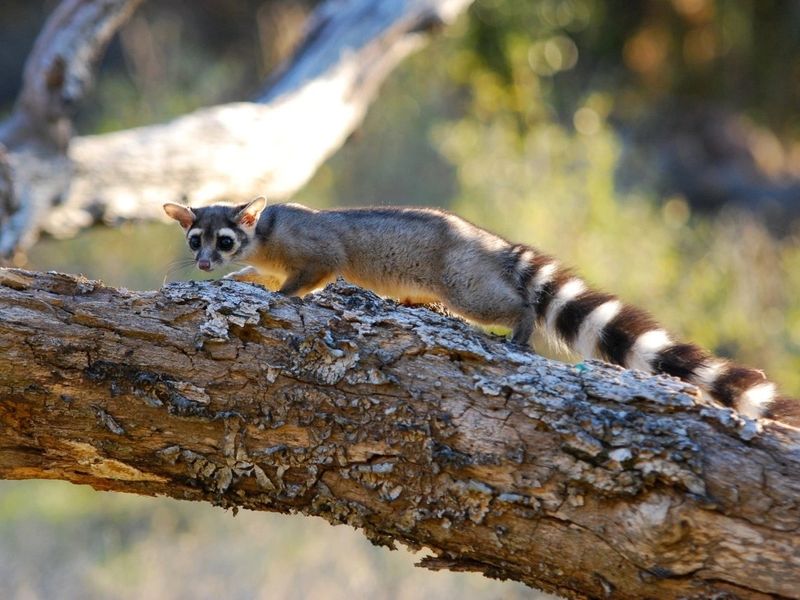
A quick flash of a banded tail across the patio can make anyone stop and stare. Ringtails are shy, nocturnal California natives, and seeing one in your yard can be thrilling and a little worrying.
Most homeowners want two things at once: to treat wildlife kindly and to keep animals out of the attic. Here is how to lower food attractants, make openings less inviting, and know who to call if something is already inside.
A statewide rise has not been established
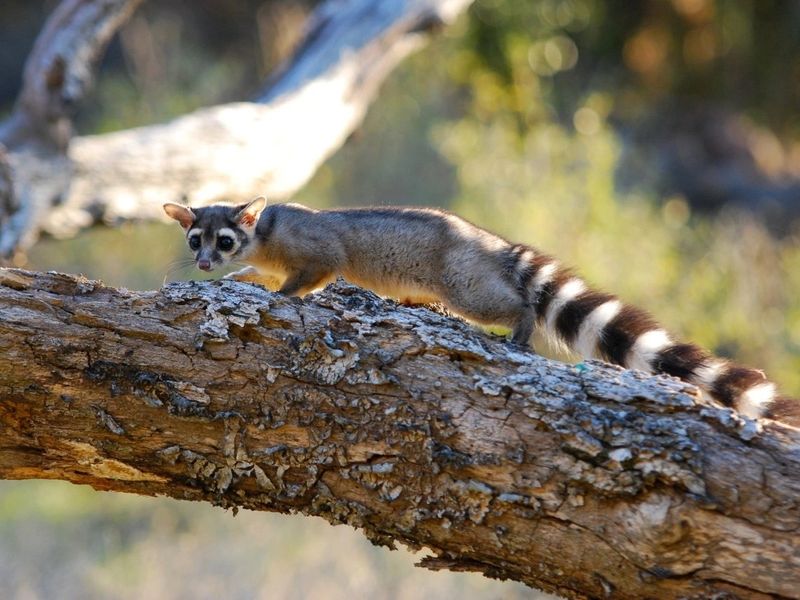
Spotting a ringtail in the yard is memorable, and your observation is real. What is harder to say is whether more of them are showing up across California this season.
A California Department of Fish and Wildlife report says there is no current statewide population estimate, and the department does not run regular ringtail surveys.
That means a few more sightings on your street, or a new camera clip, does not prove a statewide trend. Maybe you installed a new light, or a neighbor started using a trail camera, or you simply happened to look at the right moment.
Ringtails are active at night and slip through quietly, so many go unnoticed for years.
It also helps to know what you are looking at. Ringtails belong to the raccoon family and are not cats, even though people often call them ringtail cats.
The San Diego Zoo profile describes a slim, fox-sized animal with large eyes and a long tail striped in black and white.
In California they use a range of habitats, including streamside areas and brushy ground in forests and shrublands, and they occur across much of the state. A visit to your yard can have many explanations, and nobody can say which one applies to a single animal.
The useful move is to focus on what you can control: food and entry points.
What the evidence says about yard water

Many people assume a thirsty ringtail is coming for the birdbath or a dripping hose. That idea sounds sensible, especially in our long dry summers, but it is not established.
The ringtail species account from the Association of Fish and Wildlife Agencies says surface water is not a limiting factor, and that ringtails can meet their water needs through succulent vegetation.
That does not mean an individual ringtail will never sip from a pond, pet bowl, or sprinkler puddle. It simply means the sources reviewed do not show water as a common reason ringtails visit California yards.
So there is no good basis for blaming your fountain, or for expecting that removing it would send an animal elsewhere.
What should you do about water? Skip setting out bowls or dishes specifically to attract ringtails.
Ringtails do not need a homeowner-provided bowl, and CDFW notes that animals can gather around artificial water sources, which can help spread disease.
Ordinary yard water, like a pet bowl or a birdbath for songbirds, is not described as illegal for ringtails in the sources reviewed. Just keep it clean, and do not count on it to keep anything out of your attic.
Keep food from becoming an attractant
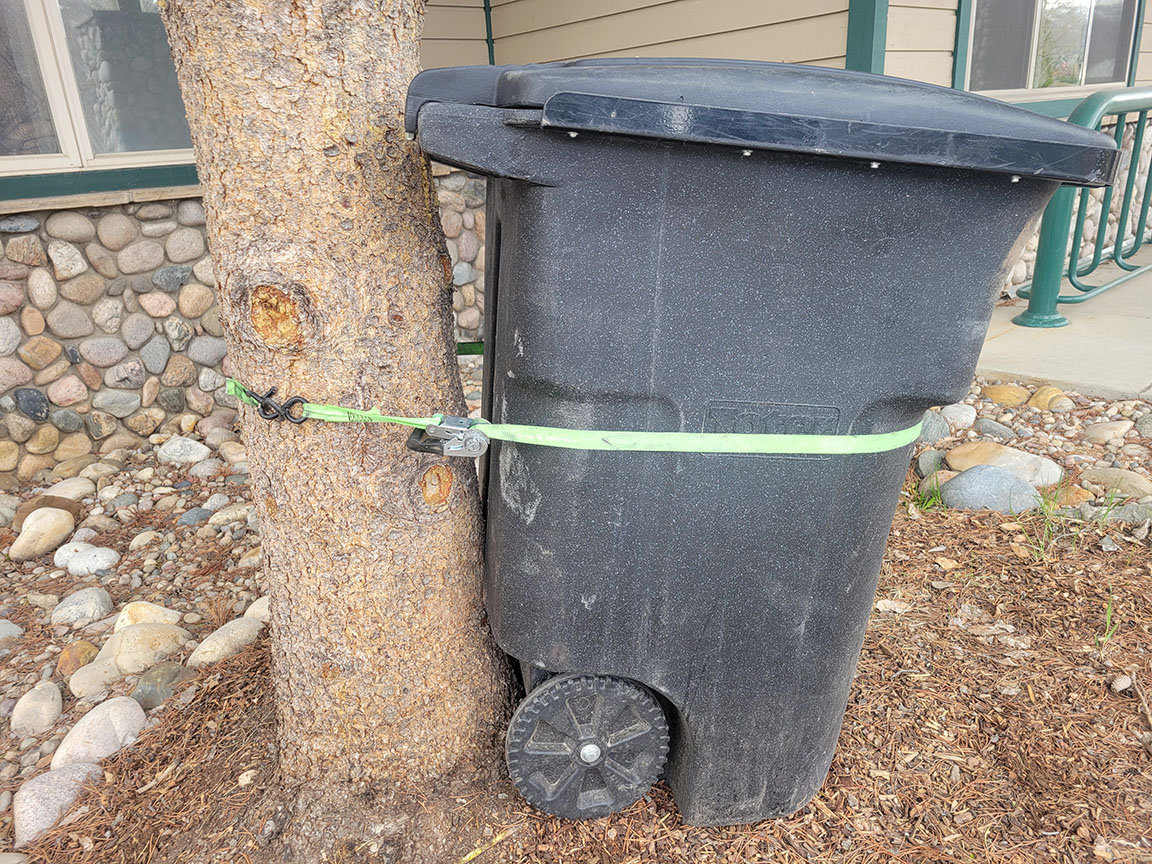
Food is the easiest thing to fix, and it helps every neighbor, from songbirds to skunks. Start with trash: use bins with tight, latching lids and keep them in a garage or side yard until collection morning.
Bring pet food indoors at night, and wipe up crumbs and spills near the grill or patio table.
Fallen fruit from citrus, figs, or persimmons is another easy snack, so pick it up regularly. Compost piles with scraps can draw visitors too, so a closed bin works better than an open heap.
These steps limit food attractants. They will not guarantee fewer yard visits, since ringtails may pass through for other reasons.
Deliberate feeding is a different matter, and it is best avoided. CDFW guidance on feeding wildlife explains that handouts can make animals comfortable around people, disrupt natural foraging, lead to aggression, and spread disease.
The page identifies a specific feeding ban for big-game mammals, but it does not describe a blanket statewide ban covering ringtails.
For more help, CDFW’s nuisance-wildlife page offers a starting point for living alongside wildlife without inviting trouble.
Make home openings less accessible

Grab a flashlight and take a slow walk around your house in daylight. Look at the roofline, the eaves, gable and attic vents, gaps where pipes or wires enter, and spots where trim has pulled away.
Anything that looks like a gap or a loose cover is a place an animal might test.
Trees deserve a glance too. Branches that touch or hang over the roof can act like a bridge, so trimming them back can make the roof harder to reach.
Keep ladders, stacked boxes, and woodpiles away from walls so they do not become steps.
CDFW’s nuisance-wildlife guidance points homeowners toward making buildings less welcoming rather than trying to remove animals. UC Marin Master Gardeners offer similar wildlife-exclusion tips, written about raccoons, which are close relatives of ringtails.
No source here gives ringtail-specific construction specs, so treat repairs as general upkeep. Fixing damaged vents and gaps can reduce opportunities for entry, but it cannot promise to stop every attempt.
Most important, this is routine prevention for a house that is empty. If you hear scratching, see droppings, or suspect something is living in the space, do not seal anything yet.
The next section explains why.
Get guidance before addressing an occupied den
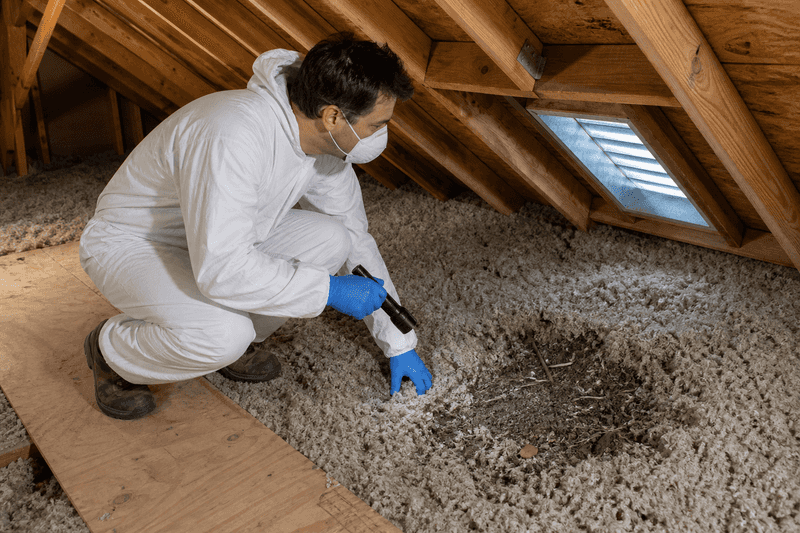
Thumping at dusk, chittering in the walls, or droppings near the attic hatch can all point to an animal inside. When that happens, the urge is to plug the hole right away.
Hold off. Closing an opening with an animal still inside can trap it, and if young are in there, the parent may be shut out from them.
Before any exclusion work, someone qualified needs to figure out whether animals or dependent young remain. That is not a guess you want to make from the driveway.
A wildlife professional can look at timing, signs, and the layout of your attic and explain what is safe to do.
A good first stop is CDFW’s nuisance-wildlife guidance, which also directs people to the UC Agriculture and Natural Resources Integrated Pest Management program for help with problem wildlife. UC Marin Master Gardeners also stress checking for babies before blocking an entry, in a raccoon example that applies the same caution.
This article will not walk you through trapping, handling, or removal, because those steps call for professional judgment. In the meantime, keep pets and children away from the area, stay out of the attic, and write down what you hear and when.
Those notes will help whoever you call.
Understand California’s protections before acting
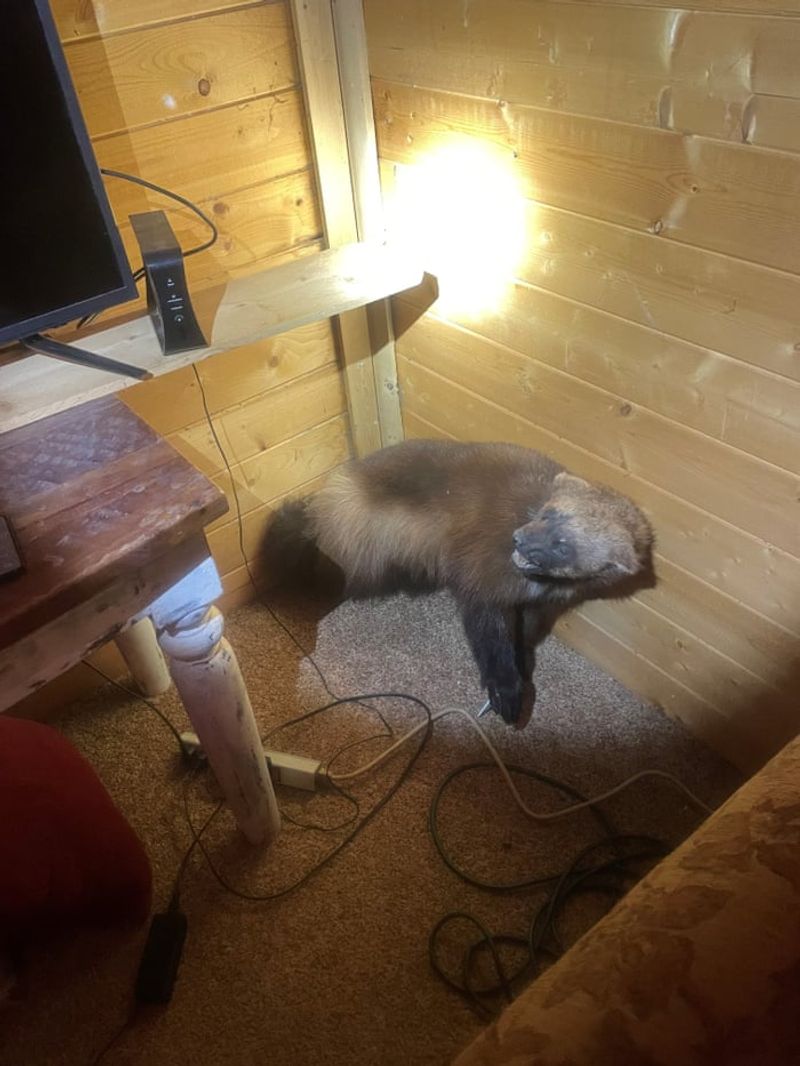
California lists the ringtail as a fully protected species. CDFW’s fully protected species page explains that these animals may not be taken or possessed without CDFW authorization in specified circumstances.
In plain terms, you should not trap, handle, or move a ringtail on your own.
Relocation is not a loophole either. CDFW’s nuisance-wildlife page says wildlife cannot be trapped and released elsewhere.
So if a ringtail is in a building, the right first call is to CDFW, before anyone tries to remove the animal from the structure.
The label can be confusing, so here is the difference. Fully protected is not the same as being listed under the California or federal endangered species acts.
CDFW’s report says ringtails are not listed under either law, while the separate fully protected status still restricts take and possession.
Advice written for raccoons or squirrels is not automatically legal advice for ringtails, so be careful with generic online tips. If you are unsure, ask CDFW or a qualified wildlife professional before you act.
A ringtail passing through at night is a sign your yard is part of a wild neighborhood, and your best tools are tidy habits and patience.