
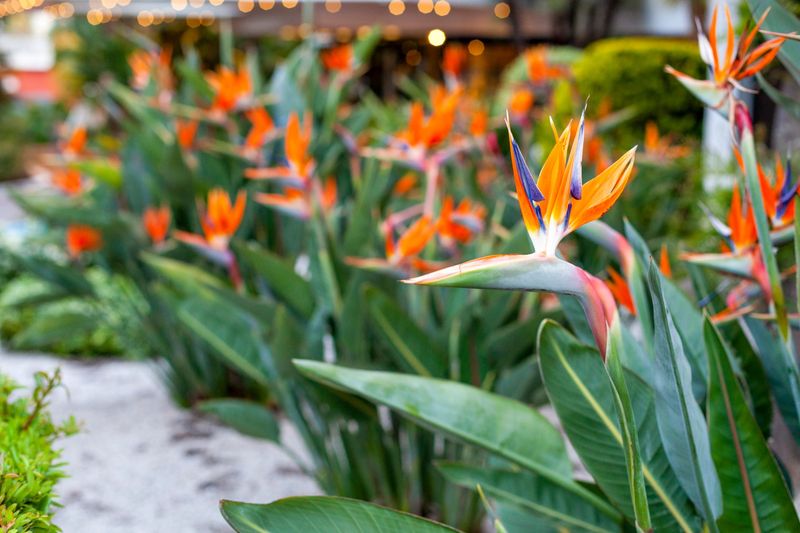
That leafy orange-and-blue bird of paradise in your yard may already be building flowers you cannot see. Flowers can start forming months before they open, but no one can promise that your clump will bloom this winter.
November is still a smart time to check on your plant, because a few simple choices can protect it. Here is what to do, and what to skip.
Start by identifying the right bird of paradise
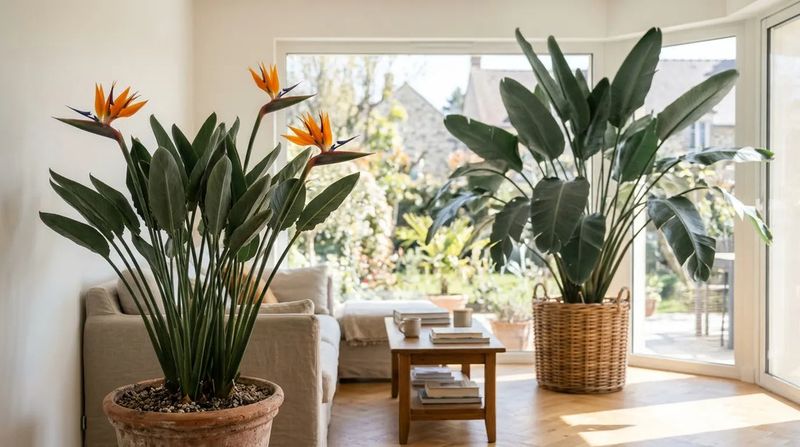
Before you change anything about your care routine, make sure you know which plant you have. This article is about the orange-and-blue bird of paradise, Strelitzia reginae, with its crane-head flowers and paddle-shaped leaves.
It tops out at a few feet tall and is the one most Florida gardeners plant in beds and pots.
The white bird of paradise, Strelitzia nicolai, is a different story. It grows into a much larger, banana-like plant with different landscape needs.
Advice for one does not always fit the other, so a quick look at the flowers and leaf size saves a lot of guesswork.
The guidance here follows UF/IFAS Gardening Solutions, which separates the orange-and-blue species from its giant white relative. It applies to Florida landscape clumps and container plants, not to every plant sold under the name bird of paradise.
If your plant has trunk-like stems taller than a person, you likely have the white type, and the tips below may not fit. If it stays compact with orange-and-blue blooms, read on.
Knowing your plant first keeps your November decisions honest and sensible.
Flowers develop before they emerge, but November is no guarantee
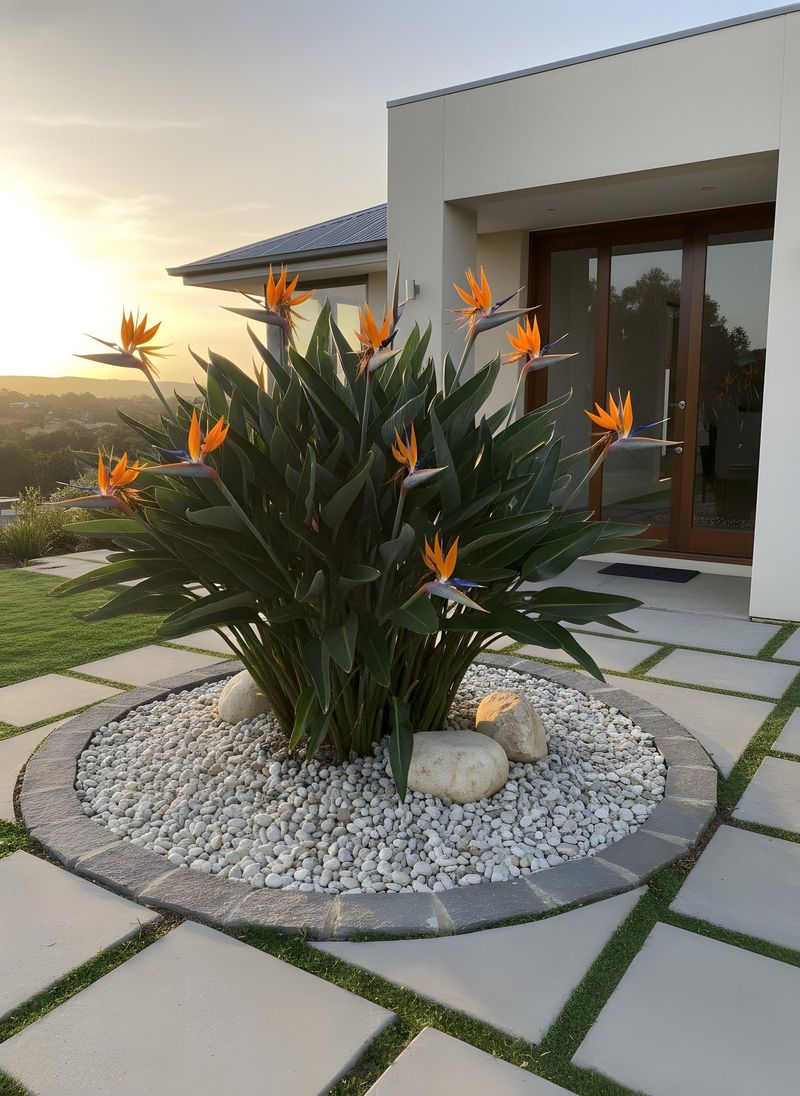
A mature bird of paradise can form a potential flower bud in the axil of each leaf, the spot where a leaf joins the stem. Research reports roughly four to six months between a leaf emerging and its flower emerging, according to a University of Hawaii CTAHR report.
So the idea that flowers develop out of sight well before they open is sound.
That does not mean every Florida plant is forming buds this month. Nor does it mean that November care decides whether flowers open this winter.
The timeline shows buds take months to develop, not that there is one Florida calendar for all gardens.
The research also has limits. A 1976 greenhouse experiment studied just two plant clones under controlled conditions, and its authors noted difficulty interpreting some flowering differences.
Real gardens vary too. UF/IFAS describes Florida blooms as appearing periodically through the year, and its plant database lists spring and summer flowering.
Your bloom timing depends on where you live and how the plant is growing, so treat any winter flowers as a bonus.
Choose light for the site, not a bloom promise
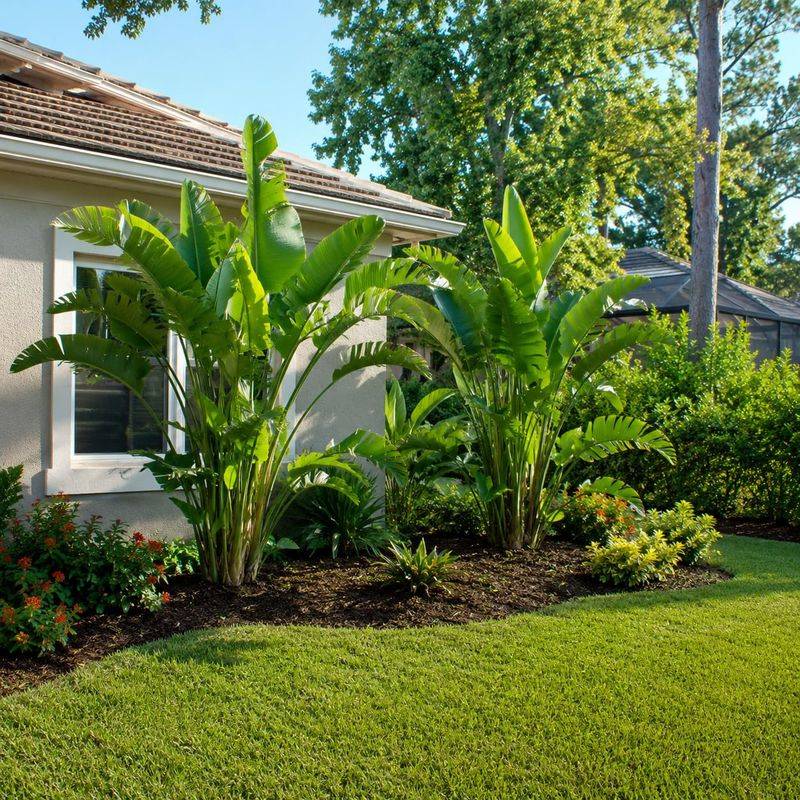
UF/IFAS recommends a partly shaded spot for Strelitzia reginae. Its guidance says plants in part shade grow taller and have larger flowers than those in full sun.
That makes part shade a good choice when you are picking a planting site.
Bloom response is less tidy, though. In the controlled study, shading reduced flowering in one of the two clones but not the other.
Light helps shape the plant, yet it is not a switch for blooms.
So look at what your plant is doing now. If it has healthy, deep green leaves and has flowered before in its current spot, leave it alone.
A sunburned, bleached look on leaves in the hottest hours is a clue that some afternoon shade might help.
Skip dramatic moves in November, such as hauling a big container across the yard or cutting back a neighboring tree, in hopes of a winter flower. Small, practical tweaks are fine, like turning a pot to even out exposure.
Pick light for a healthy plant, and let flowers follow when they are ready.
In winter, water according to the soil
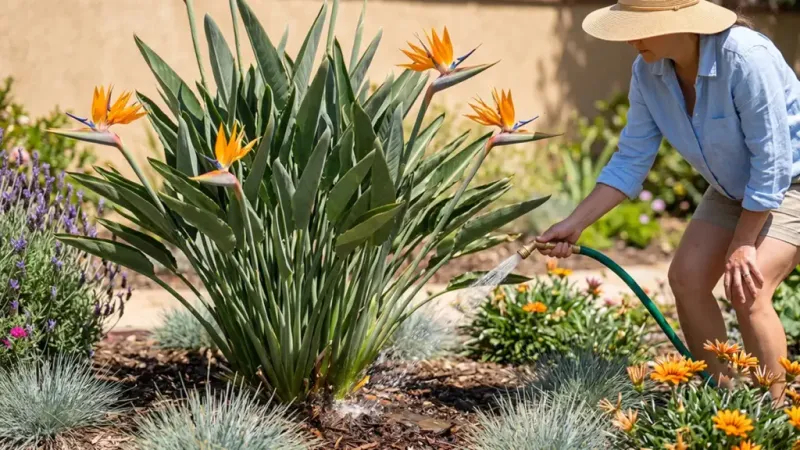
Cooler weather slows growth, and your watering should slow with it. According to UF/IFAS, established landscape plants need frequent water mainly during warm-season growth.
In winter, water only if the soil is dry.
The easy test is your finger. Push it a couple of inches into the soil near the clump.
If it feels dry, give a slow, deep drink. If it feels damp, wait and check again in a few days.
There is no set schedule that fits every yard, so skip any rule like once a week. Sandy Florida soil drains fast and may dry out between rains, while heavier or low spots stay soggy.
Rain, sprinklers and shade all change the answer.
Wet feet are the bigger worry. Poorly drained soil that stays soaked can contribute to root rot, as noted by North Carolina Extension.
Yellowing leaves and a mushy base are warning signs.
Extra water will not coax buds open, so there is no reason to overdo it. For pots, make sure drainage holes are clear and empty any saucer that holds standing water.
Feed during growth, not as a November bud treatment
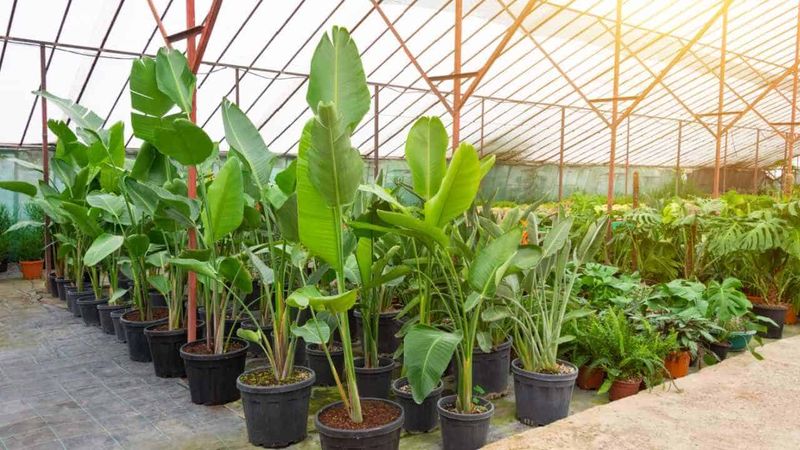
Fertilizer belongs in the growing season. UF/IFAS suggests feeding about every three months while the plant is actively growing, and following the product label for the amount.
Nothing in that advice calls for a special November dose to wake up buds. Treat any product or tip that promises a bloom boost this month with caution.
Extra nutrients on a slowing plant are more likely to waste money than to produce flowers.
If you feed on a regular schedule during warm months, you are already doing the job. Mark your last feeding date on a calendar so you can pick up again when new growth appears in spring.
Local rules matter in Florida. Many counties and cities limit when and how fertilizer can be applied, and the rules can vary by locality and season.
UF/IFAS fertilizing guidance explains how to check your own area’s restrictions before you apply anything.
Keep fertilizer off pavement and away from drains and waterways. Sweep stray granules back onto the bed.
Let the clump stay crowded for now
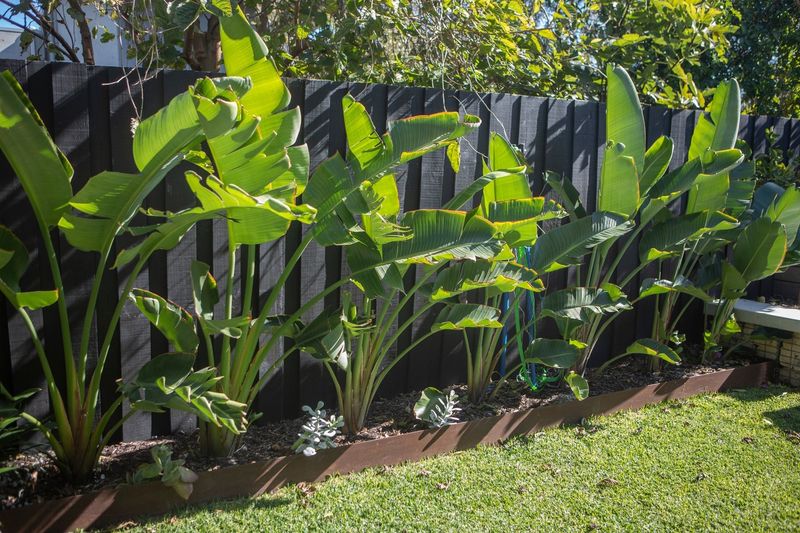
Many gardeners itch to thin a big clump in fall, hoping to improve flowering. That plan backfires.
UF/IFAS notes that landscape plants seem to flower more freely under crowded conditions and are best left undisturbed.
Digging in November also cuts roots and stresses the plant just as cooler weather arrives. A disturbed clump may sulk rather than bloom, and no source suggests that separating it now helps flowers.
If a clump truly needs dividing, because it has outgrown its space or you want more plants, wait. UF/IFAS recommends division in late spring or early summer, when warm weather helps the plant recover.
Put a reminder on your calendar for then.
Spacing is a separate question. Another UF/IFAS guide, Gardening Solutions, offers spacing suggestions for landscape display, which helps you plan a new planting.
That is about the look of the bed, not a promise of more blooms.
For now, just clear dead leaves and leave the roots alone.
A freeze can damage developing flowers
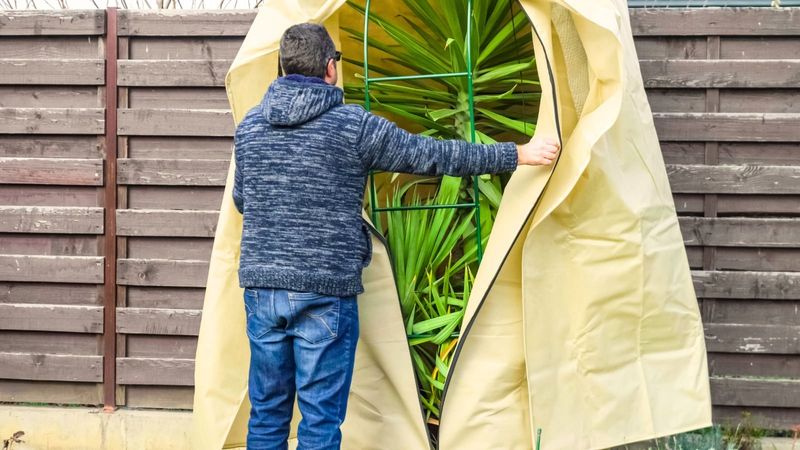
Cold is the biggest November threat. A UF/IFAS Nassau County fact sheet says freezing temperatures can damage developing buds and flowers, even when the plant looks fine from outside.
Strelitzia reginae is best suited to USDA Zones 10 and 11, which covers South Florida and the warmest coastal pockets. In North and Central Florida, UF/IFAS recommends growing it in containers so you can move plants inside when a freeze is imminent.
Watch the forecast on cold evenings. When temperatures are headed toward freezing, roll pots into a garage, porch or sunroom for the night.
Landscape clumps can be covered with a frost cloth or blanket that reaches the ground, and removed in the morning.
Protection keeps the plant healthy and gives any developing buds a fair chance. It cannot guarantee a bloom, since many factors shape flowering.
After a freeze, hold off on pruning for a bit. Wait to see what recovers before cutting damaged leaves away.
Use November to protect the plant, not force a bloom
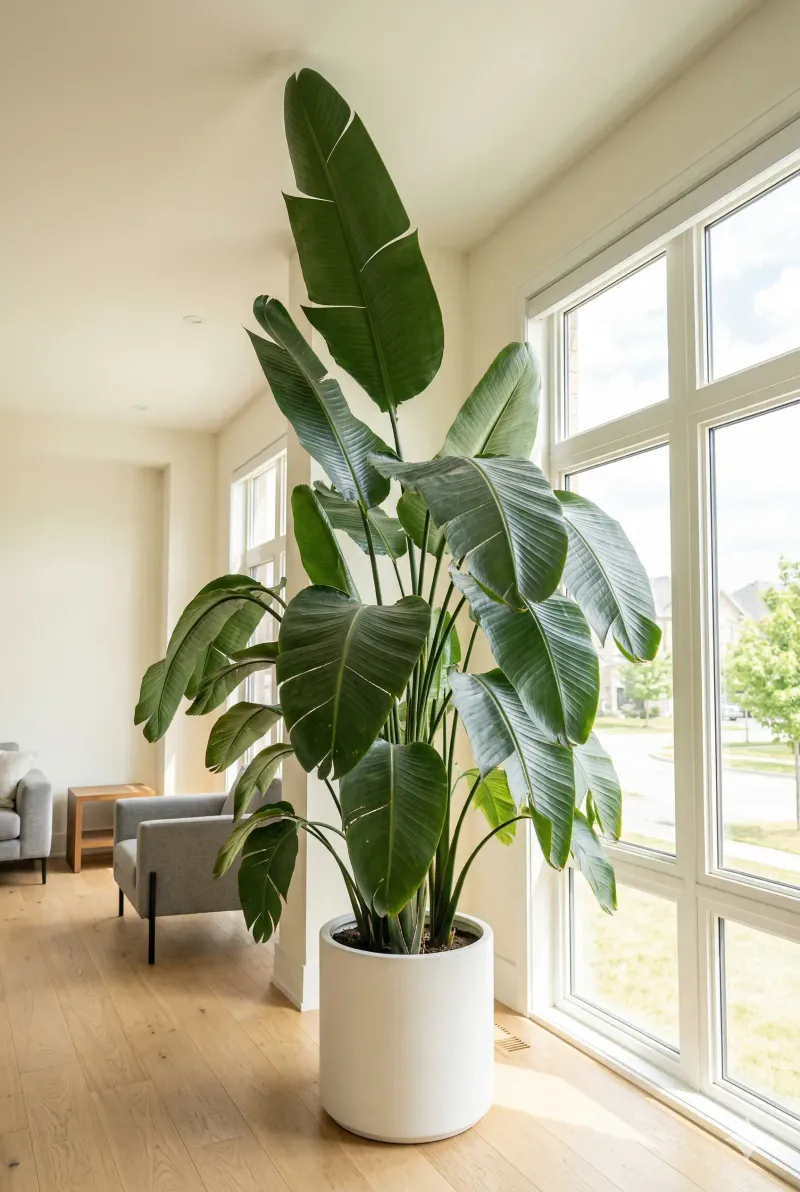
Here is a quick November checklist. Confirm you have Strelitzia reginae, not the giant white species.
Look at the light your plant gets now, and water established plants only when the soil is dry. Skip any bud-waking fertilizer and leave the clump undisturbed, since UF/IFAS advises division in late spring or early summer.
Where freezes are possible, have a plan to move containers indoors or cover clumps, following UF/IFAS Gardening Solutions. Keep in mind the plant is toxic to cats, dogs and horses, so place pots out of pets’ reach.
These steps support a healthy plant but cannot promise winter flowers. A patient gardener usually gets the best show.