
When October nights in California start dipping into the 50s, a lot of small creatures notice before you do. Spiders, rodents, and crawling insects begin hunting for warm, dry shelter, and your house looks like a five-star hotel.
Knowing who shows up and why can help you block them out without harming the helpful wildlife living in your yard. Here are the seven fall invaders worth watching, plus simple fixes you can use this weekend.
1. Roof Rats
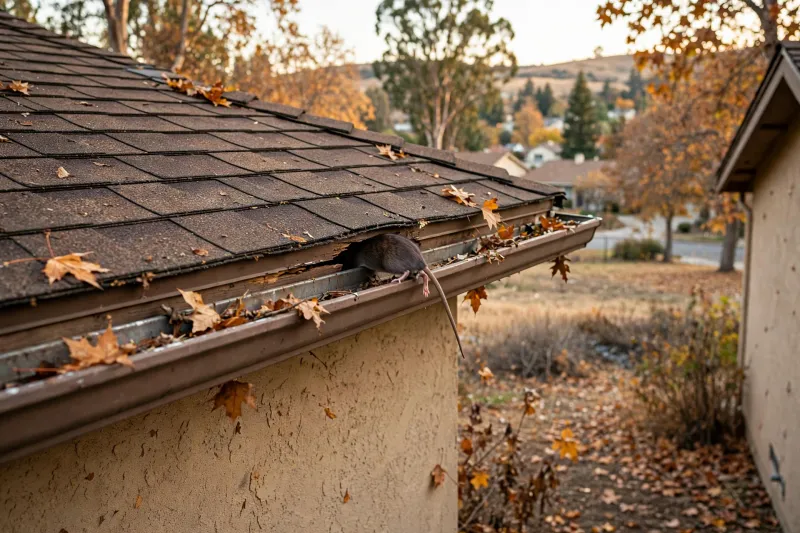
Hear scratching in the attic around 2 a.m.? Roof rats are agile climbers that travel along fences, power lines, and overhanging branches, and fall is when many move from trees into attics.
They love California backyards because fallen citrus, avocados, and birdseed give them easy meals. A gap the size of a quarter can be enough for them to slip inside.
Trim branches so they sit several feet from the roof, pick up fallen fruit often, and seal vents with sturdy hardware cloth. Try to skip rodenticides, since poisoned rats may be eaten by owls, hawks, and bobcats that help control rodents naturally.
2. Argentine Ants
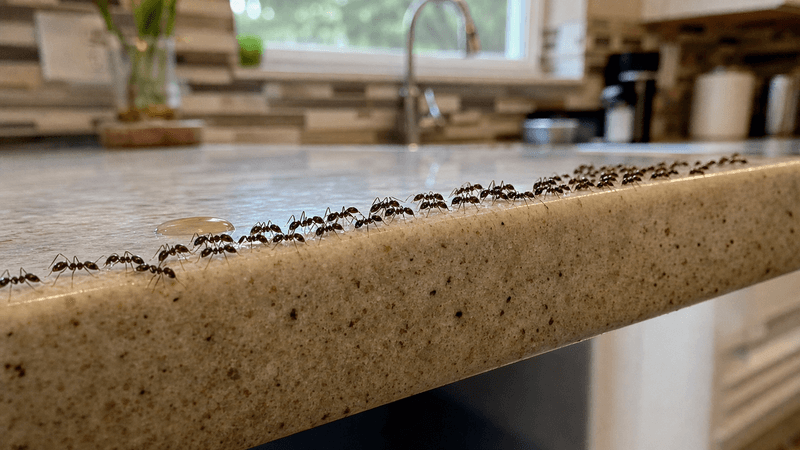
One ant on the counter is never just one ant. Argentine ants form huge connected colonies across much of coastal and inland California, and they often stream indoors when the first fall rains arrive or when soil turns cool and damp.
Their trails usually lead to pet food, sugary spills, or leaky pipes. Spraying the trail may scatter them, which can actually make the problem harder to track.
A better plan is to wipe trails with soapy water, store food in sealed containers, and use slow-acting bait stations near entry points. Outdoors, keep mulch and plant branches from touching your siding so the trails have fewer bridges inside.
3. Black Widow Spiders
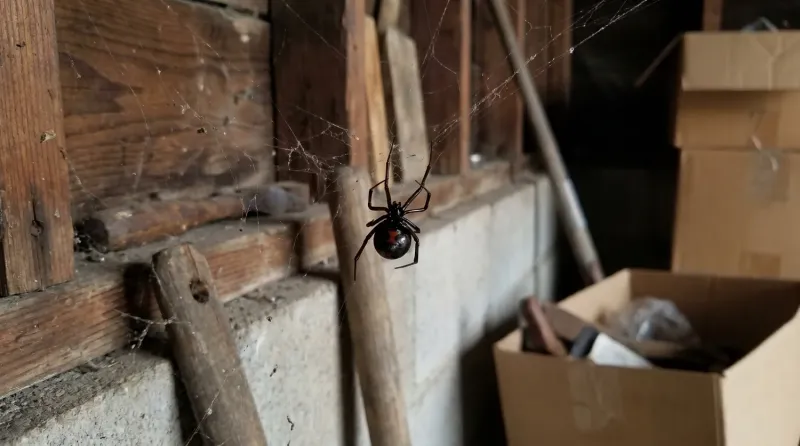
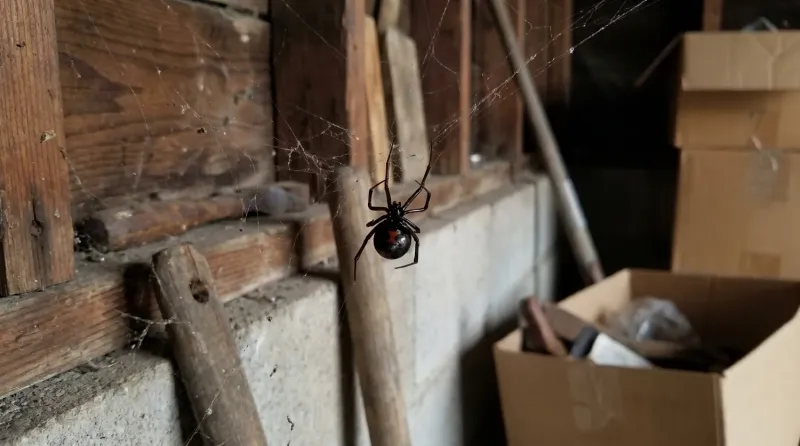
Here is a fun fact: the female black widow can be shy and would rather hide than bite. Still, fall is mating season, and males wander more as nights cool, so webs pop up in garages, woodpiles, and patio furniture.
Their tangled, messy webs sit low and close to the ground. Look under outdoor chairs, inside gloves, and around irrigation boxes, which are favorite spots in California yards.
Wear gloves when moving firewood or pots, and shake out shoes left outside. Clear clutter instead of broadly spraying, since many other spiders in your garden eat pests and deserve to stay.
4. House Mice
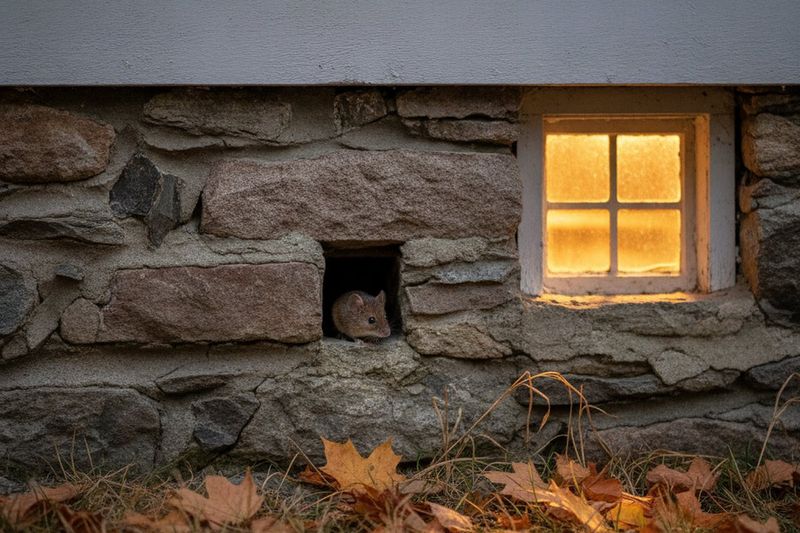
Cute? Sure.
Welcome? Not really.
House mice can squeeze through openings about the width of a pencil, and cooler fall nights push them toward warm garages and kitchens.
Bags of birdseed, grass seed, and pet kibble stored in the garage act like a dinner bell. Mice also chew wiring and leave droppings that can carry disease, so cleanup calls for gloves and a disinfectant, not a broom.
Move feed into metal or thick plastic bins, add door sweeps, and fill gaps with steel wool and caulk. Snap traps placed along walls tend to work well and keep poison out of the food chain for local owls.
5. Boxelder Bugs
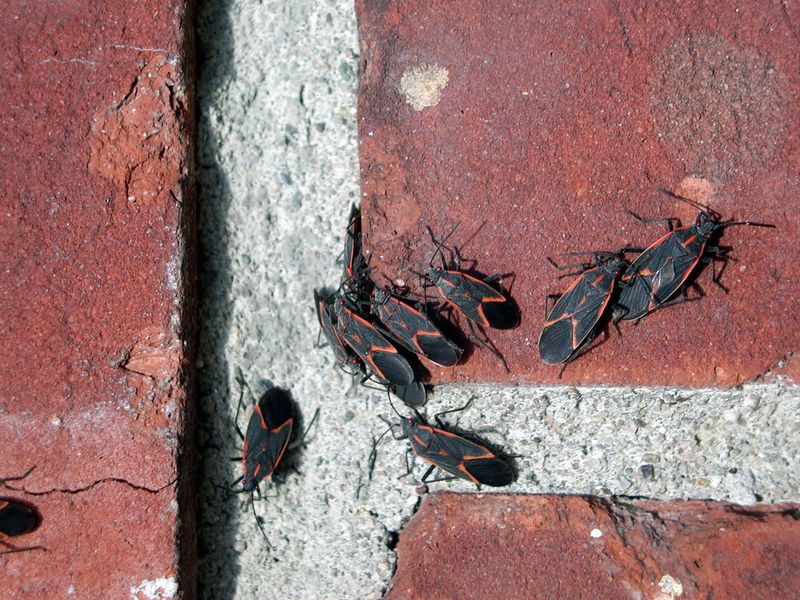
Picture a sunny wall in October covered with red-and-black bugs soaking up warmth. Boxelder bugs gather in big groups this time of year, especially in Northern California and the Sierra foothills near maple and boxelder trees.
They do not bite people or ruin gardens much. The trouble starts when they crawl into window cracks to spend winter inside walls, then wander out on warm days.
Seal window frames and repair torn screens before cold weather. A shop vacuum handles indoor stragglers, and soapy water can knock down outdoor clusters without harming nearby pollinators.
6. German Cockroaches
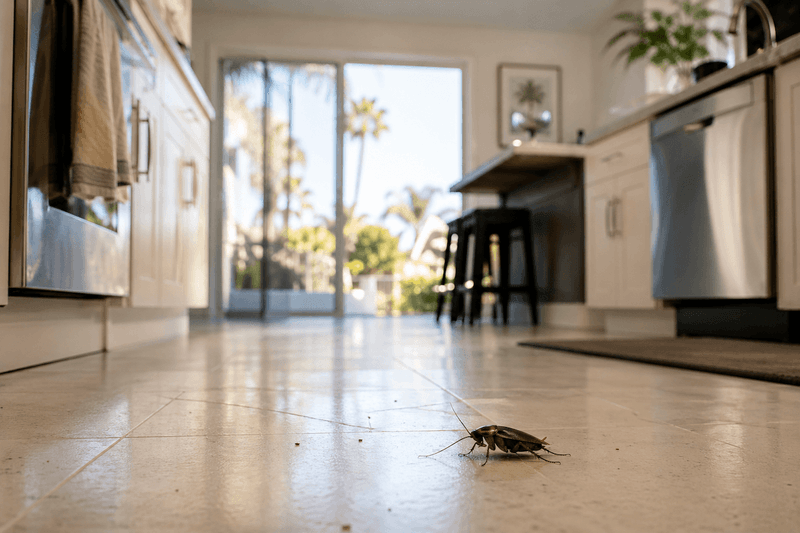
Flip on the kitchen light late at night and something scurries under the stove. German cockroaches stay indoors year-round, but cooler weather can bring heavier activity near warm appliances like fridges and dishwashers.
They often hitch rides inside grocery boxes, used appliances, or moving cartons. Once inside, they breed fast, so a small sighting deserves quick action.
Fix dripping faucets, empty trash nightly, and use gel baits in cracks rather than foggers, which can spread roaches deeper into walls. Keeping counters crumb-free does more good than any spray.
7. Earwigs
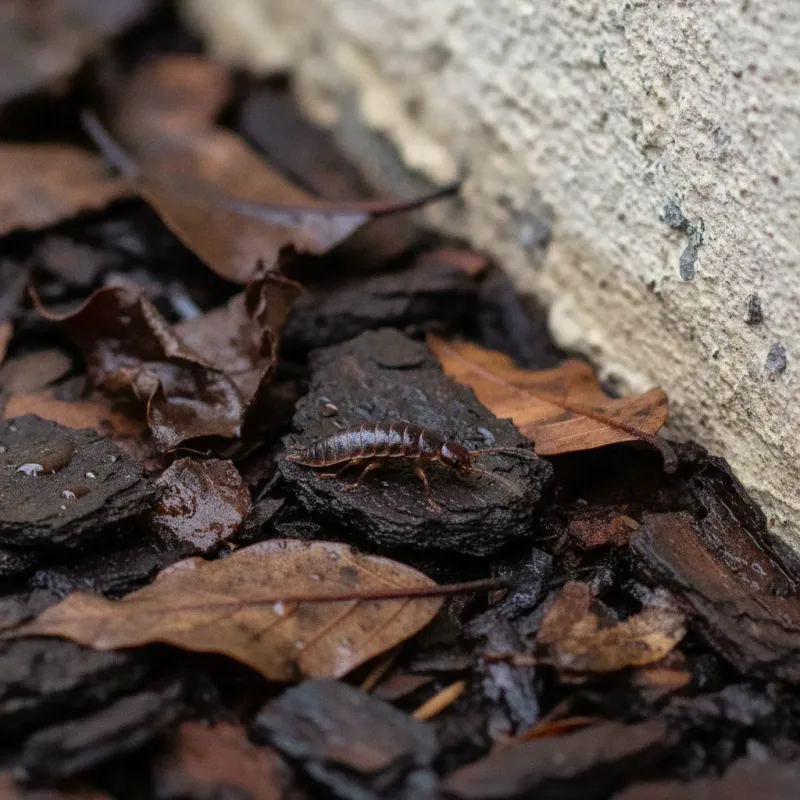
Old stories claim earwigs crawl into ears, but that tale is pure myth. What they actually love is damp, dark cover, and fall mulch, leaf piles, and moist pots provide plenty.
In California gardens, earwigs eat aphids and decaying plant matter, so they help a bit. They also nibble seedlings and sneak indoors through door gaps once outside nights turn chilly.
Cut back on evening watering, pull mulch a few inches from your foundation, and set rolled damp newspaper traps overnight. Toss the traps in the morning and you can reduce numbers without chemicals that might hurt beneficial insects.
One quick takeaway for all seven pests: seal gaps, remove easy food and water, and choose targeted fixes. That way your home stays pest-free while your yard stays friendly to the birds, bees, and owls that help keep things balanced.